If you click on a link and make a purchase we may receive a small commission. Read our editorial policy.
Read all about it: The history and continued importance of the British newsagent in comics
"That most humble British institution – the corner shop newsagent – has played a vital role in helping us"


I had the pleasure of visiting the United Kingdom recently, which allowed me the chance after over a decade of fascination with British comics to see them in their natural habitat: the newsagent. Sure, we Americans are familiar with the newsstand and the bygone times of 'Extra extra, read all about it,' cried from a weird small kid in a newsie cap, but, in the UK, the newsagent is still not only a thriving business, but an integral market for the comics industry that allows it continue to grow, thrive, and reach entirely new readers in a way that America has just seemed to have abandoned.
A Brief History of Newsagents
There’s a long, and occasionally proud, history of magazine publishing (and reading) in the UK. After all, the first examples of what we’d recognize as magazines today emerged all the way back in the early days of the 18th century, with titles bluntly announcing their content: Sporting Magazine, one mid-18th century title was called, with another simply called Spiritual Magazine. The formatting and audiences for these to-the-point periodicals would evolve across the years, of course. The so-called 'penny dreadful' of the 19th century was a game changer — a cheaply-produced, cheaply-priced introduction to the masses for serialized, lurid stories that feels very much like a precursor to comics; but the demand for the magazine has been a constant in British culture for literary centuries by this point. So, of course, that meant people had to find a reliable place to buy them.
Inexplicably, newsagents are a core business in the UK in a way that they’re simply not in the US. We have similar things, sure; a modern day British newsagent is easily recognizable for any American who’s run out to get something from their local neighborhood corner shop or bodega. But a newsagent is different to the extent that, historically, its central offering has been something to read. Primarily, as the name suggests, newspapers. (Magazines are a more-expensive, and therefore more profitable, value-add.)
It was during the Victorian era (roughly 1837-1901, when Queen Vicky sat on the British throne) that newsagents came into their own as a proper institution. They were an evolution of a general confectionery store of various sundries, with a focus on the growing hunger for the mass culture of the period: newspapers and magazines. Despite their name, newsagents thrived by feeding two additional hungers in the UK populace, by also selling tobacco products and candies, ensuring they’d be an essential destination for almost everyone in the country, regardless of age or any ability (or lack thereof) to read. Unsurprisingly, they quickly became fixtures of every neighborhood — ensuring a nearby source of reading material within a brief walk for almost the entire country.
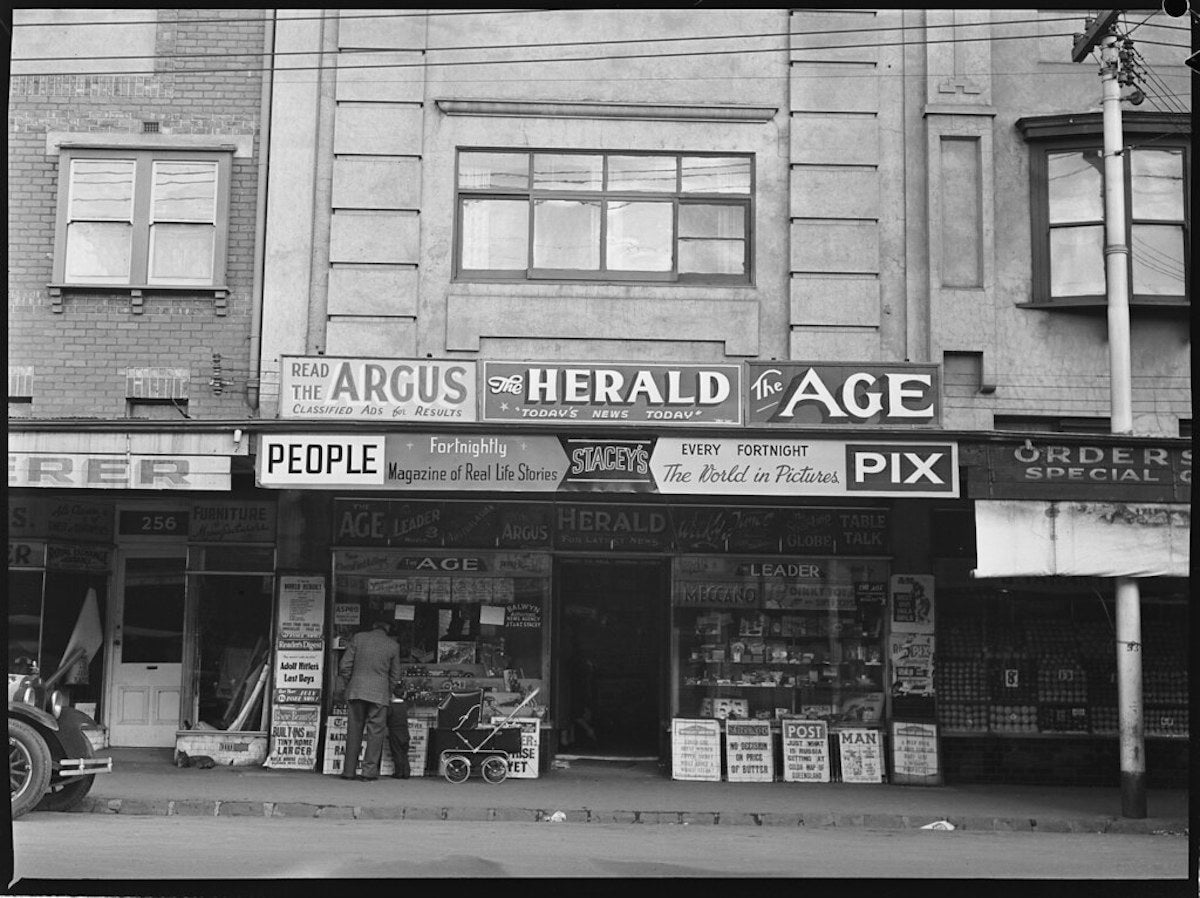
Amongst that reading material? Well…comics, of course. Britain has multiple claims to being the home of the comic book — The Glasgow Looking Glass, first published in 1826, has been described as the world’s first comic magazine, with the later Ally Sloper’s Half-Holiday, debuting in 1884, the first comic to be named after a recurring character — so it makes sense that they’d be present in the nation’s newsagents… even more so, when you discover that the largest UK comic publishers of the 20th century, IPC and DC Thomson, were both newspaper publishers looking to grow their share of the newsagent market.
Newsagents as part of the wider culture
Today, periodical publishing is still a vital part of UK culture, with recent surveys boasting circulation of around 21.2 million copies, cumulatively in 2022, a figure that feels particularly impressive when you consider that the UK’s total population is around 67 million.
It is, sadly, a shrinking market but there’s something really interesting going on when it comes to comic books and their place in the ecosystem: while overall sales are dropping by around 11%, comic book and kids publishing sales are falling at a far lower rate… and some comic titles have barely fallen at all in recent years.
Classic title The Beano, for example, has been in constant publication since 1938 — it’s the home of the (British) Dennis the Menace, who is the superior Dennis the Menace for anyone familiar with the saccharinely wholesome US version — and it’s enjoyed a significant sales increase in recent years with 2021 sales hitting a peak not seen in the previous decade according to figures from official sales auditor ABC. (2022’s figures stayed essentially static with 2021 numbers.)
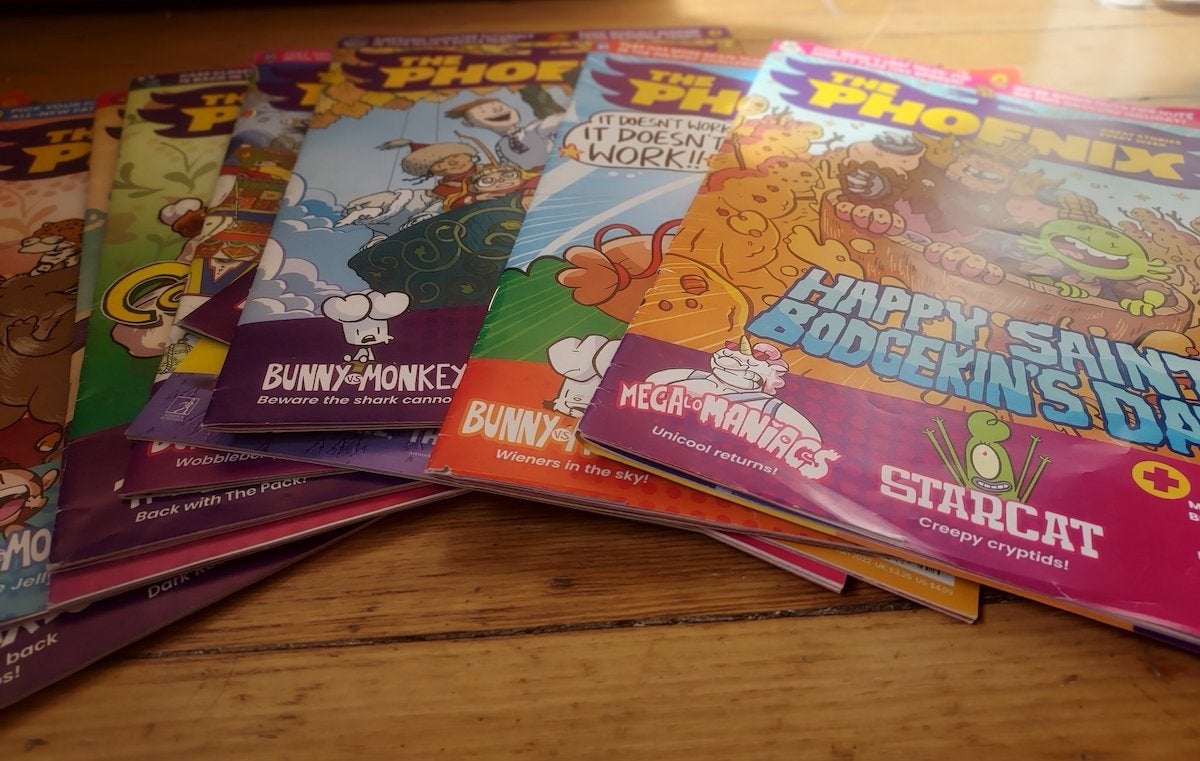
My most recent visit to the UK gave way to plenty of opportunities to pop into newsagents — not simply to check out the comics of course, but also to purchase as many Double Deckers and Crunchies as I could fit into my rucksack — and peek at the state of magazine sales. Nearly every shop of the six that I visited across England and Scotland were overflowing with magazines, still ranging across every interest there could possibly be on planet earth, but more importantly were teeming with comics from across the globe. Whether it was the most recent 2000 AD, The Beano, The Dandy, or reprints of American Marvel and DC titles from local publishers like Panini or Titan, the shelves stayed stocked and there was nearly always at least one child with a floppy, colorful funny book rummaging through the aisles.
This brings me, of course, to the real selling point of newsagents within the comics market: parental appeal. Both as a parent myself, and as someone who enjoys watching other people navigate the minefield of being a patient parent in public, the value of offering kids entertainment at such a low price point in a location necessary to most peoples’ everyday living feels near-essential. For every person that believes that comics don’t sell as shop magazines there is a parent who just needs to buy a phone charger or tampons or a jug of milk and will be able to convince their young child to run that errand with the promise of getting to see what Dennis and Gnasher are getting up to this week — not to mention the adult appeal of these periodicals having existed for many peoples’ entire lives, so nostalgia also gets to fill its boots on behalf of many parents as well.
This cycle of consistency, longevity, and a passion for these comics pays off in so many ways, but when it comes to the numbers, 54,000 weekly sales is nothing to scoff at — a number that well out-weighs many of even the most popular American market monthly single issues.
Why newsagents have always been, and continue to be, important
Don’t get it entirely twisted though — we’re far beyond the era of Queen Vicky and have reached an age where there are tons of ways to read our comics, with most of the industry settling itself into the notion of comics becoming (or at least attempting to become) a largely digital platform. Despite all of this, however, nearly a third of all print sales of kids comic The Beano still come from newsagents — adding up to around 14k copies per issue, a number that in itself is equivalent to a low-selling Marvel or DC title in the American market – which feeds into the new, easily accessible subscription systems that titles like 2000 AD, The Beano, and The Phoenix have put in place where returning customers later become subscribers.
The Phoenix’s Tom Fickering had this to say back in 2017 about the importance of subscriptions to British comic book publishers:
”The vast majority of our customers are subscribers to the magazine. Magazines had subscriptions before, but over the last five years the concept of what a subscription is and how it works has changed because of Netflix and Amazon. When [Phoenix publisher] DFC started you had to explain what a sub was and how it worked; now subs have culturally become the norm.”
Despite that, it’s not hard to recognize that newsagents are an essential feeder market when it comes to renewing the readership of British comics and magazines – essentially, renewing the potential subscriber base of a title like The Phoenix or The Beano. More than anything else, newsagents offer a place where readers are able to discover new titles in tester-sized quantities in places that are both local and built into the basic ecosystem of British life; discovering new things because of where they are being sold as opposed to readers having to seek out specific comic book stores or book shops to test the waters.
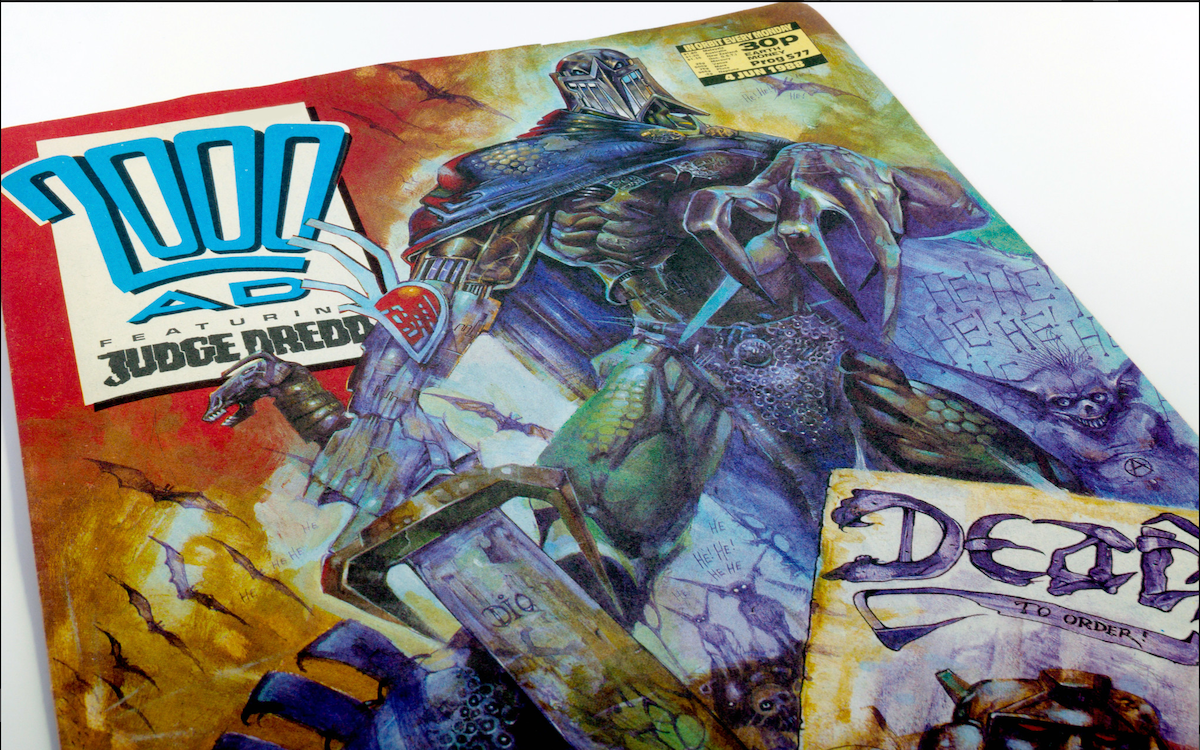
It seems a shame, in that case, that the US has lost this particular market. Between the 1970s and 1990s, publishers began to prefer the guaranteed sale (see also: final sale, no returns) that came from the direct market approach of comic book stores rather than the news distribution system, which saw potential for returns should there be customer dissatisfaction. There’s become such a focus on the short-term goal from the American publishing and distribution perspective that part of what has fallen by the wayside is the cost of reaching new readers through more accessible (to customers), if more risky and expensive (to publishers) venues. Where UK publishers succeed here is the continued maintenance of the relationship between newsstands, publishers, and most importantly readers. While this does mean that many comics (and smaller publishers) no longer exist due to the ever-shifting market realities, the sheer strength of sales for something like The Beano show the necessity of the long-game. Take, for instance, the shutdown that so many comic book stores and comic book publishers experienced during 2020 in the US — the existence of newsstands, and the subsequent subscriptions and deliveries built on the foundations of the centuries-old institution, kept readership alive throughout the pandemic.
That’s something that Jason Kingsley of 2000 AD publishers Rebellion spoke about in 2022, praising the influence of newsstands for the company’s continues readership and success despite time, changing readership, the impact ofCOVID-19. (It’s worth noting that, at the time, 40% of 2000 AD’s audience came from newsagent sales.)
“2000 AD and the Judge Dredd Megazine have always been newsstand comics and that most humble British institution – the corner shop newsagent – has played a vital role in helping us weather this crisis, as it is one of the only places where loyal readers could find us,” he said. “It’s been a win-win as it’s driven sales and footfall to the newsagents, a real lifeline in terms of distribution at a time when publishing has taken a real hit.”
The existence of newsagents in the UK seems like such a cut-and-dry part of the norm to so many people, but when we take a step back to examine, there is an entire alternate culture that has been thriving under the guise of mundanity for ages. In an era where new technology and new digitalization reign supreme, it’s important now more than ever to recognize the individual efforts that feed into what makes British weekly comics so successful: the ability to walk in, buy a candy bar, and give a new story or a new comic a chance.
Want to shop for comics? Try out the thousands of specialty stores around the world, and use our guide to how to comic shop.
Follow Popverse for upcoming event coverage and news
Find out how we conduct our review by reading our review policy
Let Popverse be your tour guide through the wilderness of pop culture
Sign in and let us help you find your new favorite thing.










Comments
Want to join the discussion? Please activate your account first.
Visit Reedpop ID if you need to resend the confirmation email.