If you click on a link and make a purchase we may receive a small commission. Read our editorial policy.
Fantagraphics’ Eric Reynolds on surviving comics without selling your soul: “Integrity is not purity”
Eric Reynolds still believes comics are alive and well, even if the comics business makes him deeply cynical.
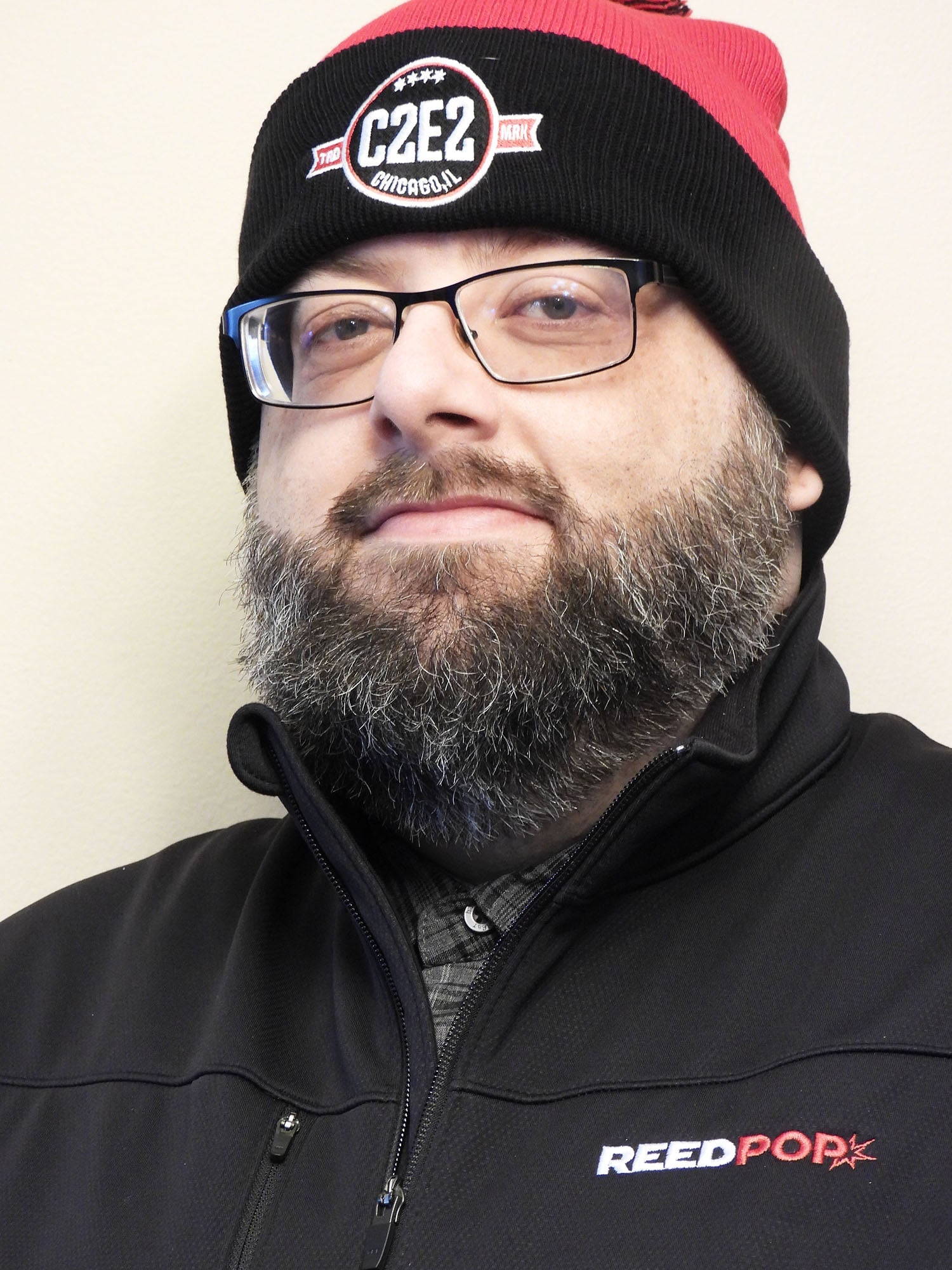
The interview was over, but the conversation wasn’t. Because when you get Fantagraphics associate publisher Eric Reynolds talking about comics—not products, not IP, not “content,” but actual lines-on-paper comics—you don’t stop. You keep listening, you keep talking, and ask what keeps someone excited about this beautifully improbable medium after spending decades inside the machine that makes it.
Reynolds remains an evangelist for cartooning and a realist about the business built around it. Comics are still his happy place; corporate consolidation, algorithms, assembly-line publishing, and variant-cover excess are decidedly not. Somewhere between those two poles sits Fantagraphics, a proudly independent publisher that can release uncompromising contemporary work alongside Peanuts, Disney, and archival Marvel comics without pretending that artistic integrity requires financial self-destruction. As Reynolds puts it in four words sharp enough to become a company motto: “Integrity is not purity.”
So, after our official interview about Takumigraphics ended, we kept going—into the anthologies Reynolds constructs like mixtapes, the strange-but-not-really partnership between Fantagraphics and Marvel, and the great cartoonists he still wishes would return to the drawing board. This is a conversation about loving comics enough to remain excited by what they can be, cynical about what the business makes them, and stubborn enough to keep publishing the good stuff anyway.
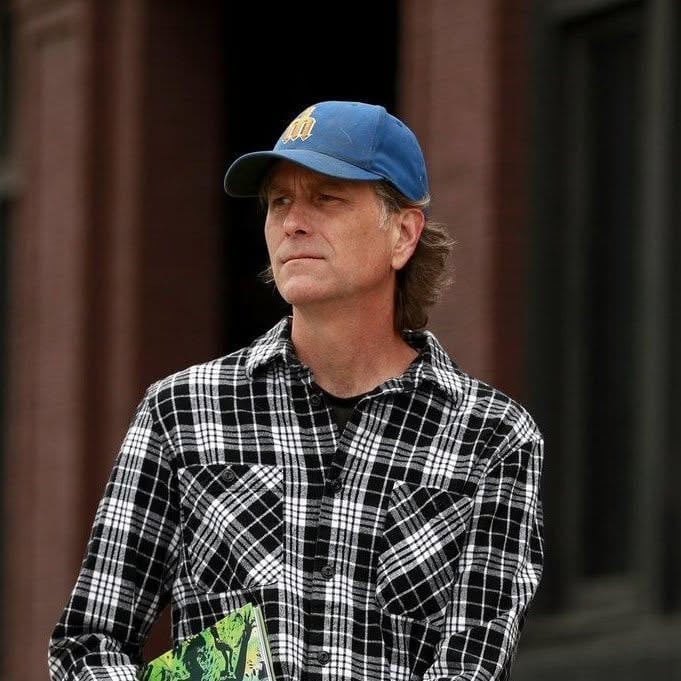
Popverse: I really appreciate the anthologies you’ve cultivated - it feels less like a book of short stories, and more like a mixtape by an eclectic thing who knows all the best stuff before you do. What do you feel doing anthologies like Mome and Now has taught you about comics?
Eric Reynolds: First of all, I appreciate the mixtape analogy, because that is very much what I am going for. I don’t know what anthologies have taught me about comics, exactly, but even before I started editing anthologies, I was a big fan of anthologies, and discovered so many great cartoonists who didn’t have their own comic book, let alone graphic novel, so I’ve always been mindful of that fact. It widens up the world of cartoonists that I get to work with, which is a great thing.
So what gets you excited about comics today?
The medium still gets me excited. Cartooning gets me excited. It’s hard to put into words, but for my entire life, I’ve just felt a very deep connection to mark-making, to lines on paper. It’s the language I know best, because my brain is just somehow hardwired to receive those signals. I can’t really explain it. I’m a cartoonist myself (if an unsuccessful one).
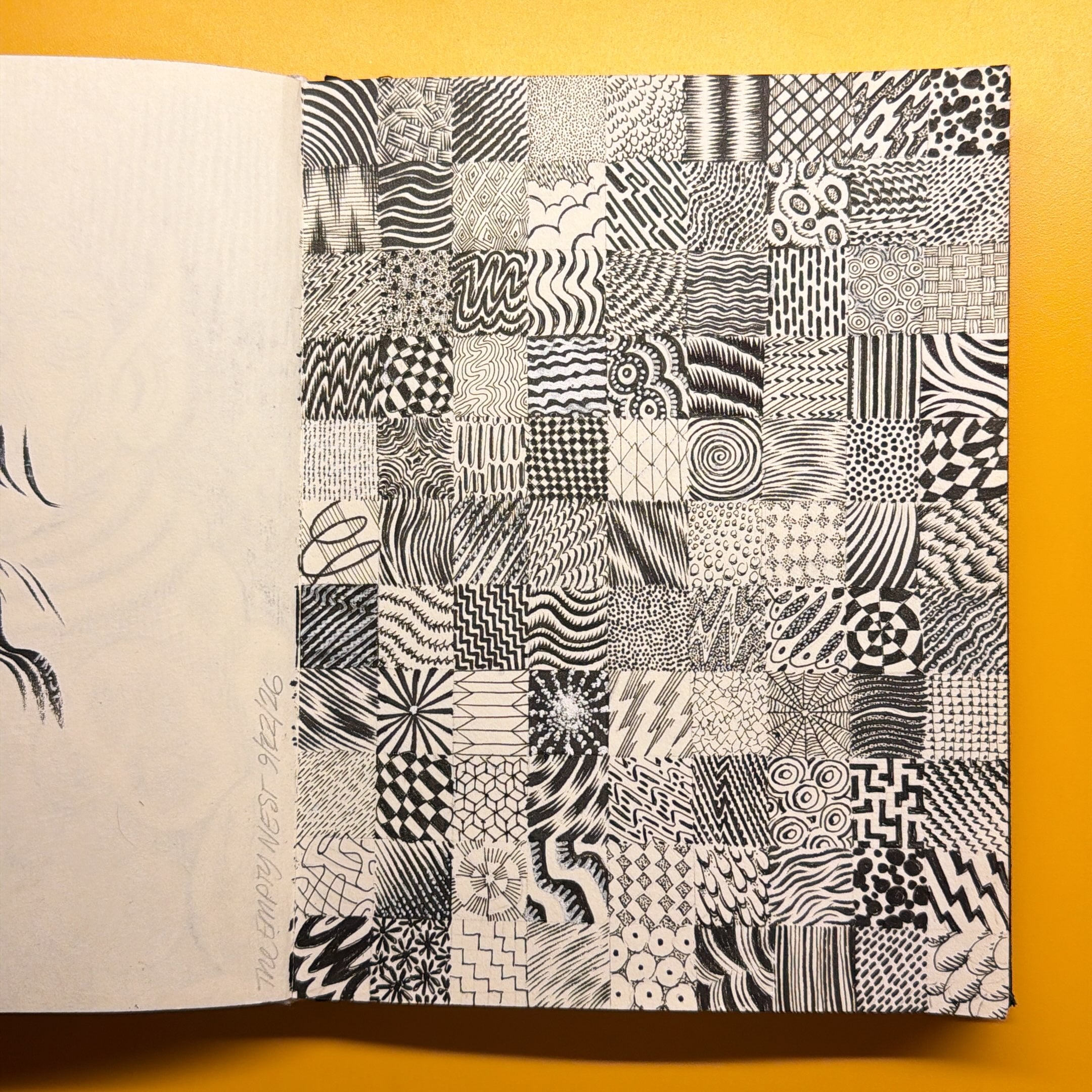
Comics are still my happy place. And, in Fantagraphics, I’ve been lucky to find the perfect home for so long that is so sympatico with my own personal tastes. Optimism stems from the same place–still being able to discover new things that excite me personally, that remind me that the medium is very much alive and well.
On the flipside, what makes you cynical about comics?
The business of comics. The overall economy, of comics and beyond. Corporate consolidation. Algorithms. The devaluation of all of the arts in our society. Crass corporate assembly-line comics with multiple variant covers.
Don't get me started.
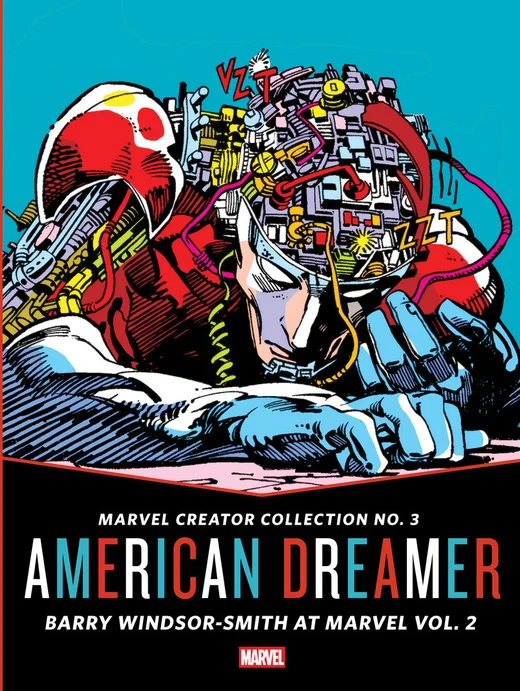
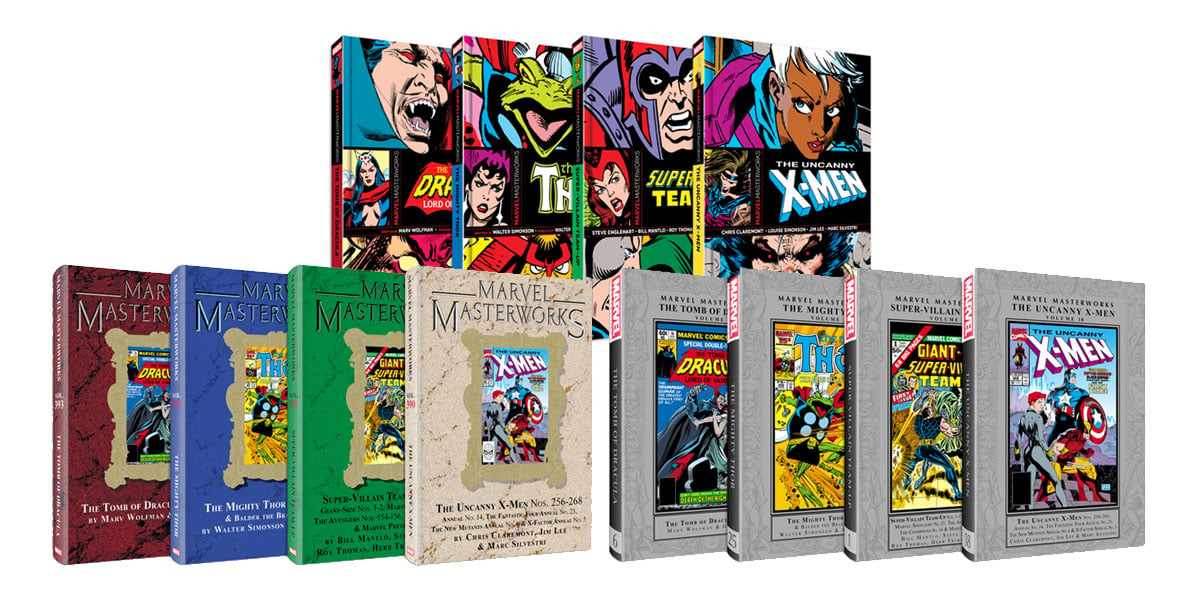
Fantagraphics has long been stewards of keeping great comics in print, including the Ducks but also select Timely and Marvel Comics. From the outside, some people don’t understand why Marvel doesn’t handle this themselves and be an all-encompassing publisher and its become somewhat of a theme in recent interviews we've done here talking with Alex Ross about Abrams' Marvel comics, and Hank Kanalz about Clover Press taking over the Masterworks line.
What do you see as the strength of this partnership, for you and your team to handle preserving the legacy of these out-of-print classics?
I can’t speak for why Marvel doesn’t handle this themselves at this point, but I do think they recognize that we have a track record for publishing quality archival works, which also present their own unique production challenges. So I think it’s a win-win for both parties.
I know that some folks think we are strange bedfellows, but you have to bear in mind that Gary Groth (Fantagraphics co-founder] and I were both Marvel kids who grew up loving the works of Barry Windsor-Smith and Gil Kane and Steranko, etc., and I’m also still enough of a student of comics that it’s been a pleasure discovering artists like Joe Maneely and various titles from the Atlas line, like Snafu and Girl Comics.
I am fascinated by the seemingly atypical, from the outside to me at least, things that helps Fantagraphics keep publishing great work. For a time it was Eros Comics, for a time it was Peanuts, and it seems like today it’s Disney comics… but I’m not quite sure. Alongside your contemporary authors, of course.
You have to do what you have to do. Integrity is not purity. We have to balance our own integrity with staying afloat and navigate that as best we can. I’m proud of Fanta’s longevity vis a vis navigating the business with integrity.
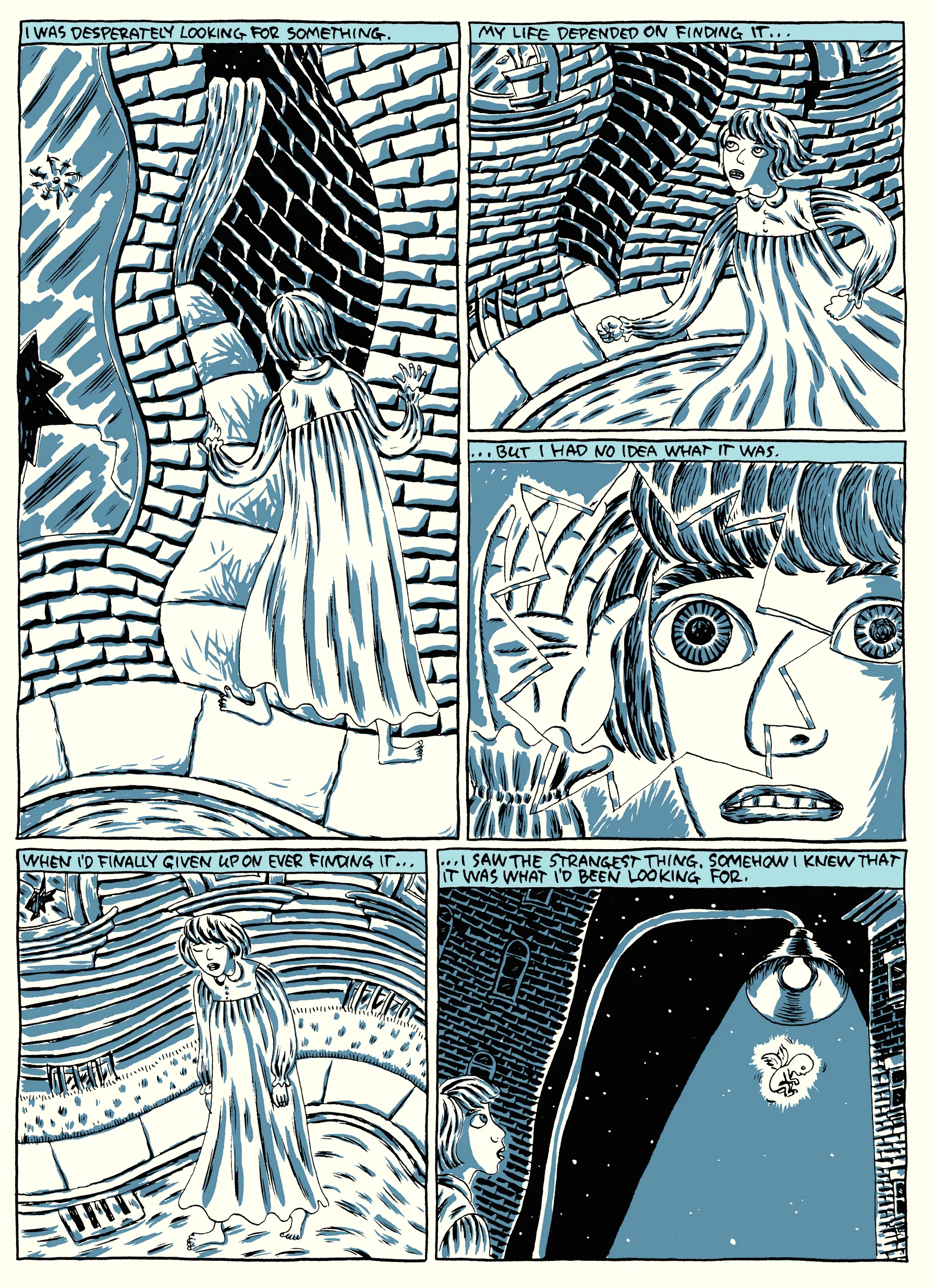
I appreciate you taking care of Fanagraphics' future.
Last question... this is a thing of mine, the comics creators we miss. Those that are still around, but for one reason or another chose or does not have the opportunity to do more comics. Like a Debbie Drechsler, a Jamie Hewlett, or for superhero folk like a Kieron Dwyer or Mike Zeck. Who do you see as those great ones out there, that as a fan (or as a publisher) you think about or check in on from time to time?
Great question. Debbie Drechsler was such a great cartoonist. I was just talking with a cartoonist pal about Jonathan Bennet, a phenomenally talented cartoonist who was frequently in MOME; I thought he was going to be a superstar. I would so love to read more comics by him. Kikuo Johnson. Al Columbia. J. Bradley Johnson, an ‘80s/’90s anthology staple. Sadly, I could probably go on for quite awhile.
Follow Popverse for upcoming event coverage and news
Find out how we conduct our review by reading our review policy
Let Popverse be your tour guide through the wilderness of pop culture
Sign in and let us help you find your new favorite thing.




Comments
Want to join the discussion? Please activate your account first.
Visit Reedpop ID if you need to resend the confirmation email.