If you click on a link and make a purchase we may receive a small commission. Read our editorial policy.
The success of manga worldwide (and especially Japan) is something DC Comics boss Jim Lee aspires for his company
Instead of countless new superheroes, maybe we need more comic books about cooking if DC and Marvel want to compete with manga's growth.

Popverse's top stories
- Buffy the Vampire Slayer revival dead at Hulu, revealed a day before director Chloé Zhao heads to the Oscars
- DC's Rogues creators reunite to reboot Universal Monsters' Wolf Man for Skybound with intergenerational trauma and buckets of blood
- Evangelion is 30, but its themes never get old
Jim Lee is a big name in American comics, having drawn probably all your favorite DC and Marvel characters, from Batman to X-Men, at one point or another. But as president and chief creative officer of DC Comics, he’s also responsible for trying to expand the reach of comic books beyond their current base. One of the places he’s looking for inspiration, it seems, is Japan, where the diversity of stories in manga and anime is something Jim Lee thinks DC Comics can learn from.
During an interview with Nikkei in Japan, Jim Lee was asked about his thoughts on manga and the reason for their soaring popularity.
“The stories told in Japanese manga and anime are incredibly powerful,” Lee says. “I often find myself wondering, ‘What is missing in Western comics, and why aren’t they able to achieve the same flavor?’ Also, I think manga has an advantage over American comics, which are mostly about superheroes, and that’s where the majority of sales and readers are concentrated.”
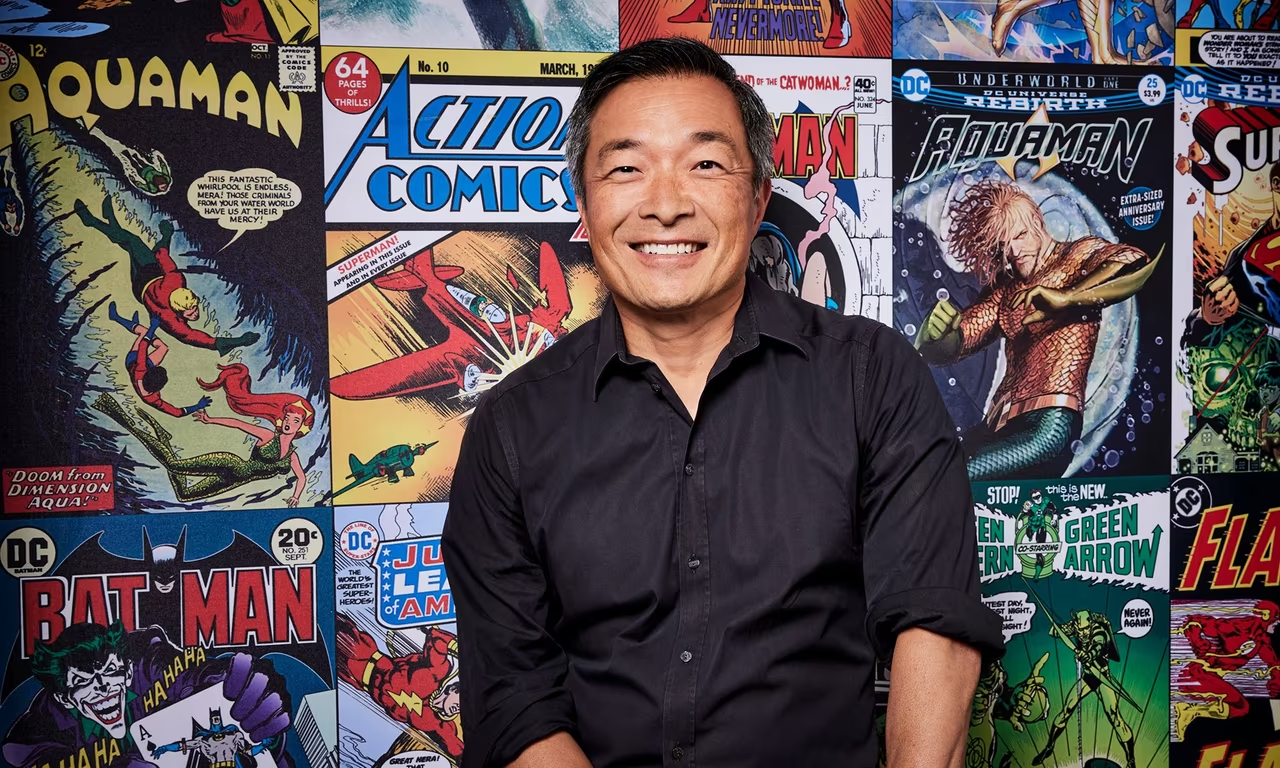
The secret to manga’s success, in Jim Lee’s eyes, is that Japanese comics have more diverse stories on offer.
“In Japan, it’s closer to ‘literature,’ and anyone can read it, and it’s not just hero stories. There’s a much wider range of genres, like stories about cooking and soccer. You can draw stories from that. So I’m very happy that manga has been so successful, because it gives me a goal to aim for. The manga market is bigger than our industry, so the question becomes, ‘What can we learn from this?’ The question is, ‘How do we access that?’"
In the early years of Lee's employment at DC, the company launched its own manga imprint, CMX, looking to take advantage of the success other American publishers such as TOKYOPOP had with importing manga for an English-speaking audience. While Lee wasn't involved in the decision to launch CMX, he was co-publisher when DC made the decision to end it, at the time telling ICv2 that the licences for "key" manga were "hard to obtain," and described the manga licensing market as one of a proving ground to get "lesser-known" manga licenses from Japanese publishers/licensors to "prove" you could handle bigger ones in the future. After six years, Lee and DC decided to pull back its efforts there and re-focus it back into its core DC line, including the then in-development 'New 52' relaunch.
"It’s not just a matter of art style, but a ‘sensibility’ that’s involved," told Nikkei in 2026. "The stories that are successful in Japan are very different from the stories that are successful in the West. What can we learn from that? I think this is a debate that will continue forever.”
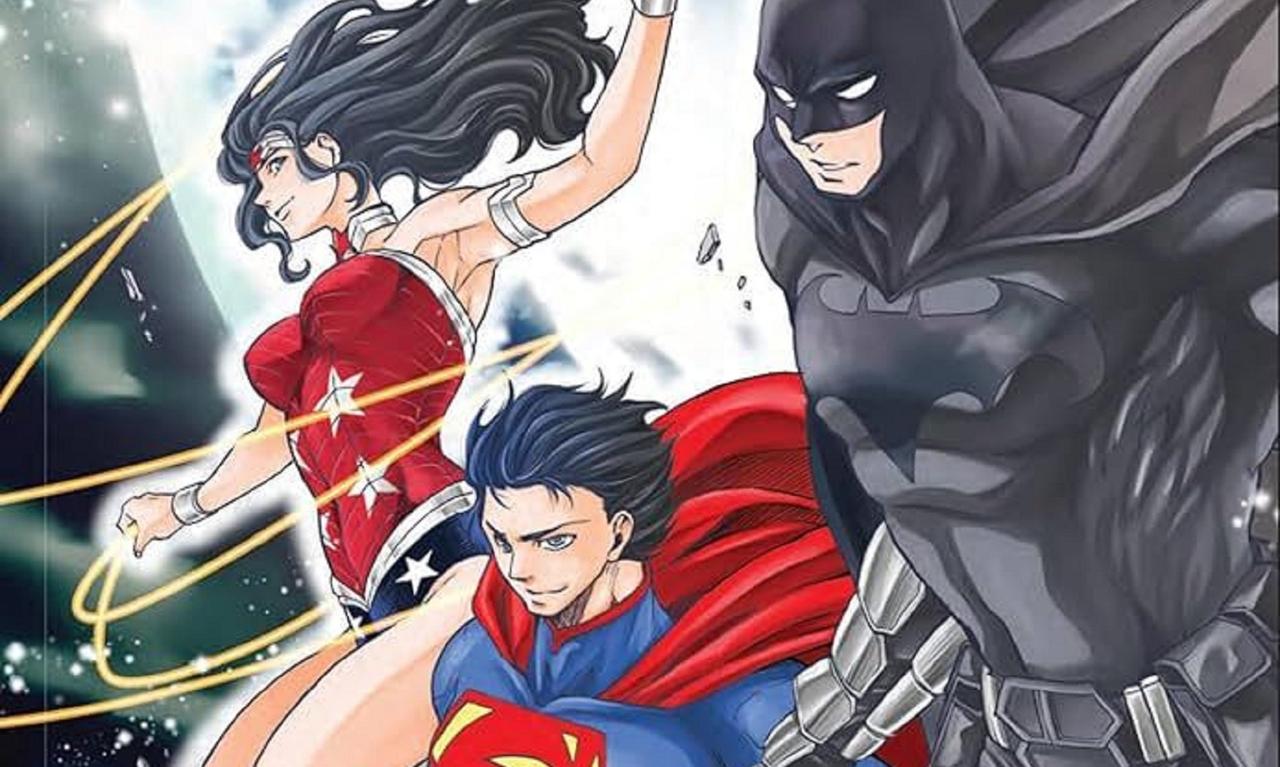
Lee was instrumental in DC's current multi-year partnership with Kodansha, the world's largest manga publisher - and owner of the licenses to several of those "key" manga titles. Currently the deal has DC licensing its characters to Kodansha for it to publish authentic DC manga in Japan, and then for DC publish it itself in English speaking markets.
Need more? Here's our picks for the best DC Comics stories of all time, and here's a list of all the free DC comics you can look forward to as part of this year's Free Comic Book Day and Comics Giveaway Days.
Follow Popverse for upcoming event coverage and news
Find out how we conduct our review by reading our review policy
Let Popverse be your tour guide through the wilderness of pop culture
Sign in and let us help you find your new favorite thing.











Comments
Want to join the discussion? Please activate your account first.
Visit Reedpop ID if you need to resend the confirmation email.