If you click on a link and make a purchase we may receive a small commission. Read our editorial policy.
Remembering Marvel's turn from superheroes to superhorror 50 years ago with Dracula, Frankenstein's Monster, and more
From Werewolf by Night to Dracula, Son of Satan to Ghost Rider, Marvel thought that the '70s might be a horror-filled decade, and it was glorious


Popverse's top stories
There came a point in the '70s when Marvel — at that point, just a decade into its existence as the company we know and love today — started to wonder if the superhero thing that had made the company’s reputation was just a fad, and whether it was time to diversify into other genres once again. What came from that was a series of horror titles that, even 50 years later, stick out as particularly memorable, and particularly Marvel-ous. Which seems like a good thing to celebrate on Halloween week, right…?
By the time Marvel’s editorial minds made the choice to pivot towards horror comics in the early '70s, monsters had already been part of the Marvel DNA for some time. Before the debut of the Fantastic Four heralded the dawn of what would become known as the Marvel Universe, Timely Comics — as Marvel was known at the time — had become known for monster and sci-fi comics like Strange Tales, Journey into Mystery, and Tales to Astonish. They were fad comics published by a company merely trying to stay afloat, sure, but in the hands of artists like Jack Kirby and Steve Ditko, the stories themselves were memorable and exciting, featuring memorably designed otherworldly threats that were easily dispatched in 12-page installments before readers got too bored and moved on to other publishers.
When the '70s rolled around, Marvel was looking to diversify. Uncertain that superheroes would continue to be the success they’d been for close to a decade by that point, the company wanted to keep its buzz going but wasn’t certain what the next big thing would be — but, thankfully, it already had a back catalog to borrow from to try things out. In 1970, the company launched three 'new' series — Where Monsters Dwell, Where Creatures Roam, and Fear — that were each filled with reprint material from the aforementioned Strange Tales, Journey into Mystery, and similar titles behind garish new covers, dipping a toe into the waters of the dormant horror genre. The response must have been favorable enough, because a year later, Marvel introduced Morbius the Living Vampire via a guest appearance in The Amazing Spider-Man, setting in motion a trend for new characters that straddled the line between horror and (super)hero that would last the next few years.
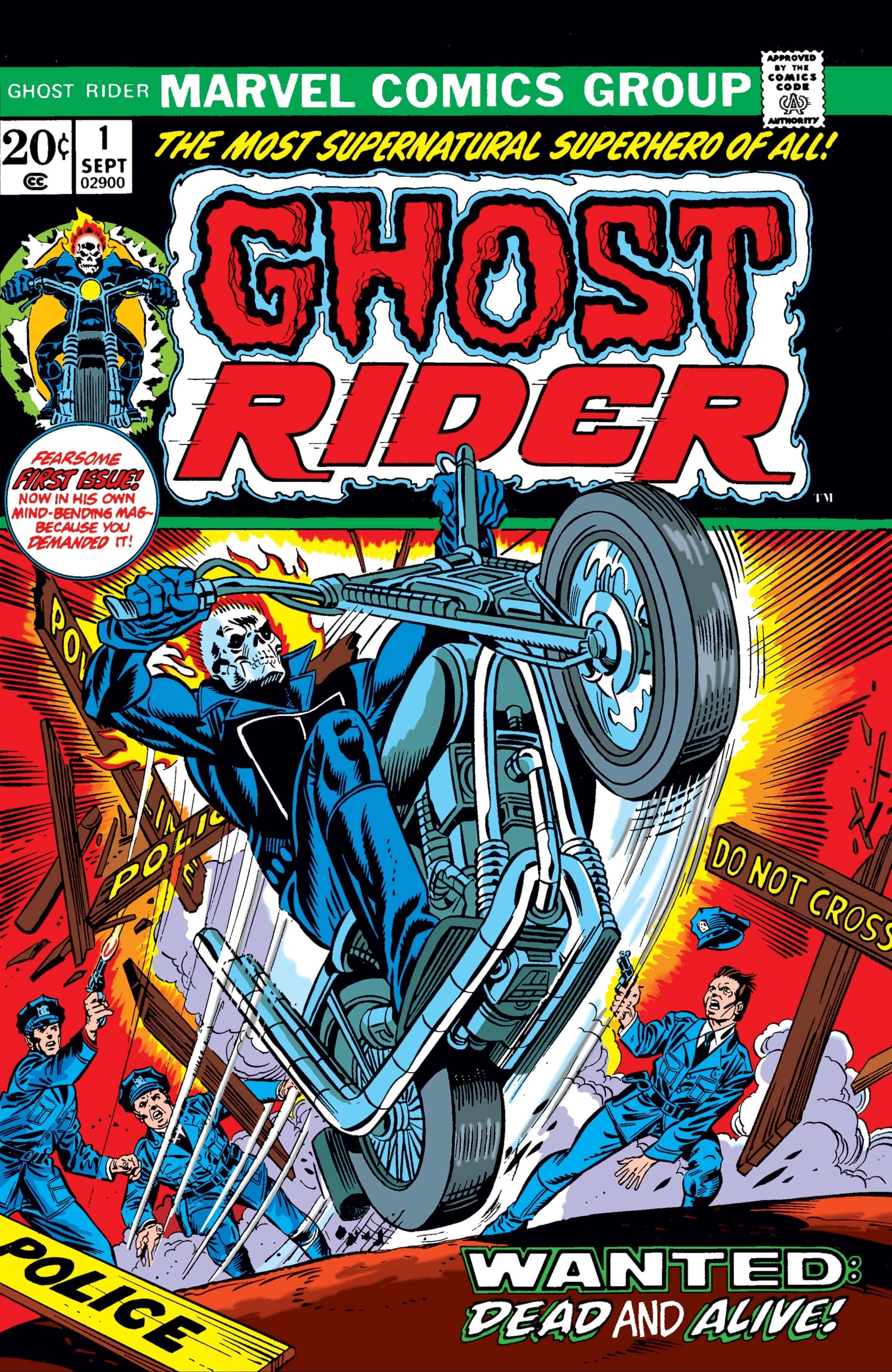
I’m not just talking about characters like Ghost Rider (Johnny Blaze, motorcycle-riding stuntman by day and flame-headed skeleton possessed by a demon by night!) or Daimon Hellstrom, the eponymous star of Son of Satan, both of whom crossed over so often with the heroes of the Marvel Universe they were members of regular superteams (the Champions and the Defenders, respectively). Marvel really leaned into horror tropes with versions of iconic characters like Werewolf by Night (Jack Russell, who somehow inherited a werewolf curse and used it to… fight crime sometimes…?), The Living Mummy (Exactly what it says in the name), and The Monster of Frankenstein, who was the original Frankenstein’s Monster transplanted into the regular Marvel Universe because why not. And then… there was Dracula.
Contemporary Marvel readers are very familiar with Dracula as a Marvel character; he was a big part of this summer’s Blood Hunt storyline, after all. What they may be less familiar with is the fact that Tomb of Dracula, the character’s home between 1972 and 1979 is arguably one of the all-time classic Marvel comic book runs — certainly one of the best Marvel comics of the ‘70s — and definitively a highpoint for both writer Marv Wolfman and artist Gene Colan. Combining a particularly Marvel-esque melodrama with a gothic undertone and delight in horror aesthetic and trashy horror movie vibes (this was the era of Hammer Horror, after all), Tomb of Dracula is a forgotten gem in Marvel’s history, and primed for rediscovery some time soon.
As is probably clear from… well, Marvel’s entire past, but also its current focus as a multimedia company, those early '70s fears proved groundless, and superheroes never lost their sales appeal or place as the core Marvel offering — something that leaves the '70s horror mini-boom as an oddity in Marvel history. With Halloween just one day away, however, it’s an oddity that deserves to be recognized and appreciated. Some of the best Marvel has always been the weird stuff, after all.
Find yourself in the Marvel U with our MCU watch order, best Marvel Comics list, all of the MCU movies ranked, and our weekly column on all things Marvel - Marvel Matters.
Follow Popverse for upcoming event coverage and news
Find out how we conduct our review by reading our review policy
Let Popverse be your tour guide through the wilderness of pop culture
Sign in and let us help you find your new favorite thing.




Comments
Want to join the discussion? Please activate your account first.
Visit Reedpop ID if you need to resend the confirmation email.