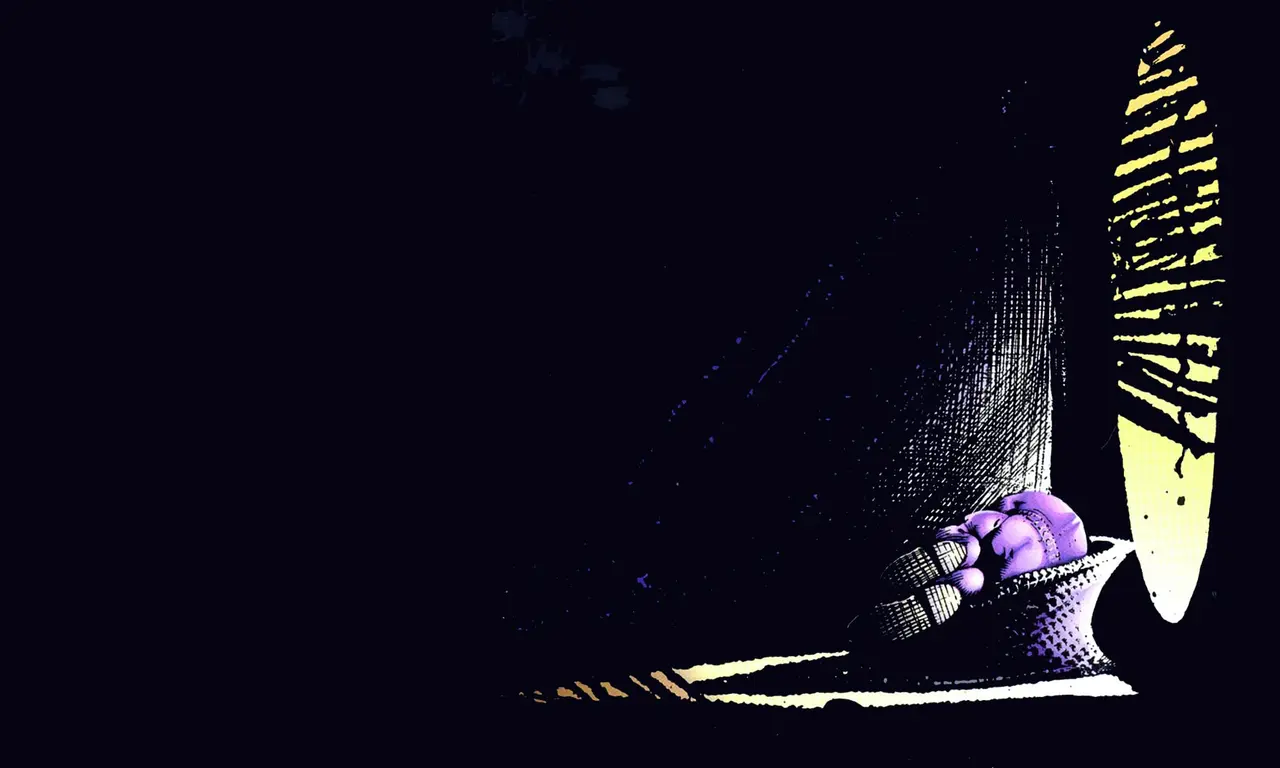

Michigan-born Kieth made his comics debut in 1983 in the Comico anthology Primer #5 with a character of his own that was a prototype for his later creator-owned success, The Maxx - but back then, he was called Max the Hare. After getting work as an inker, he was thrust into the spotlight when DC editor Karen Berger recommended him to pencil a new series in development called The Sandman with writer Neil Gaiman. The series was a success, but Kieth felt it was an odd fit and left after the five issues.
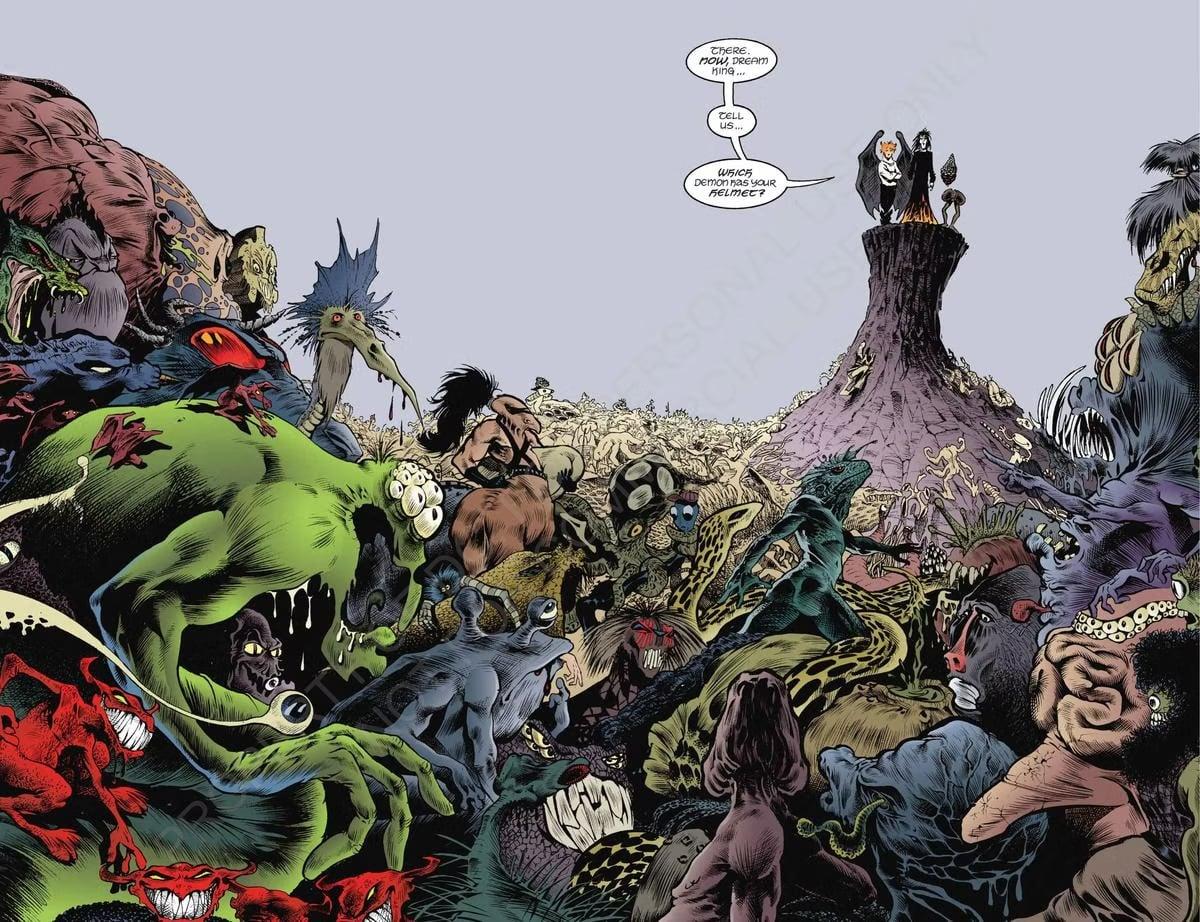
Post-Sandman, Kieth bounced around comics before fing an unlikely home in early-1990s anthology series Marvel Comics Presents, redefining him as a radically different kind of superhero artist with stories starring Wolverine and other high-profile Marvel characters. Flush with the second-taste at fame, Kieth bet on himself and joined the then-recently-launched upstart creator-first publisher Image Comics with his own creation, the Maxx.
"Saddened to hear of the passing of Sam Kieth, a brilliant artist, writer, and all around human being," writes Image Comics' co-founder (and Savage Dragon creator) Erik Larsen on Facebook. "One of the earliest artists to jump aboard Image in its infancy. Sam used Mako and Savage Dragon in the Maxx and I used the Maxx in Savage Dragon."
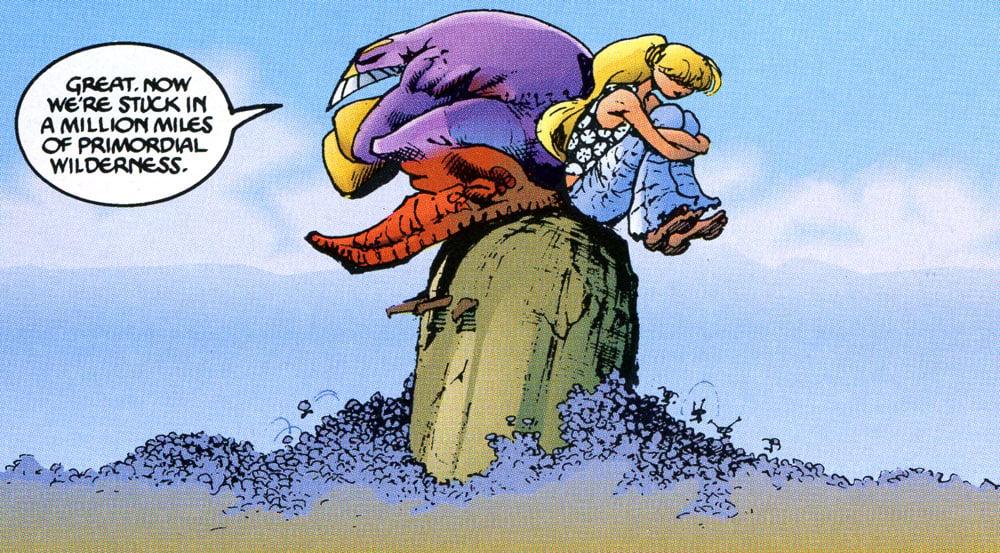
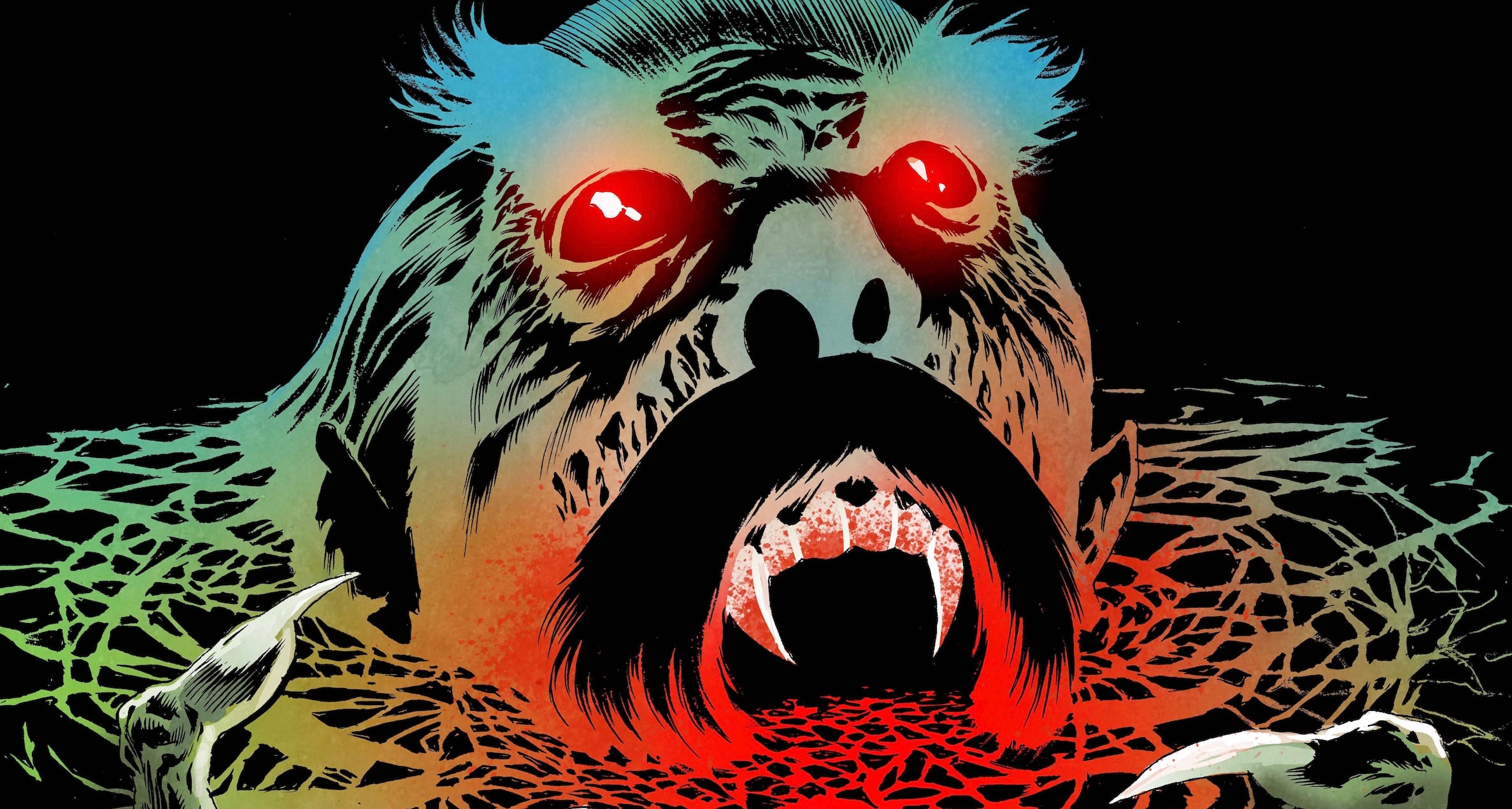
Taking cues from the dream-world of Sandman, the quirky monstrosity of his Wolverine stories, and the storytelling of his earlier DC series Epicurus the Sage with writer William Messner-Loebs, the Maxx burst onto the scene as a radically original comic in both story and art that stood apart from comics at the time — and frankly, still does today. It quickly became a hit, even attracting a surprisingly direct cartoon adaptation by MTV in the era of Beavis & Butthead.
It's here that Kieth's style reached its maturation point, combining the influence of the likes of Vaughn Bodē as much as mainstream superhero artists found their power from Jack Kirby. While previous works showed Kieth become what the character was known for, with The Maxx, Kieth found his own style and, going forward, used it — both in illustration and in storytelling — to tell the Sam Kieth version of that character.
That success drew Kieth away from comics into Hollywood, working as a writer and director on several speculative projects. Among those was directing a live-action movie for Roger Corman, co-writing the pilot for Cartoon Network's successful Cow & Chicken series, and doing the main title animation for the short-lived Syfy superhero series Black Scorpion.
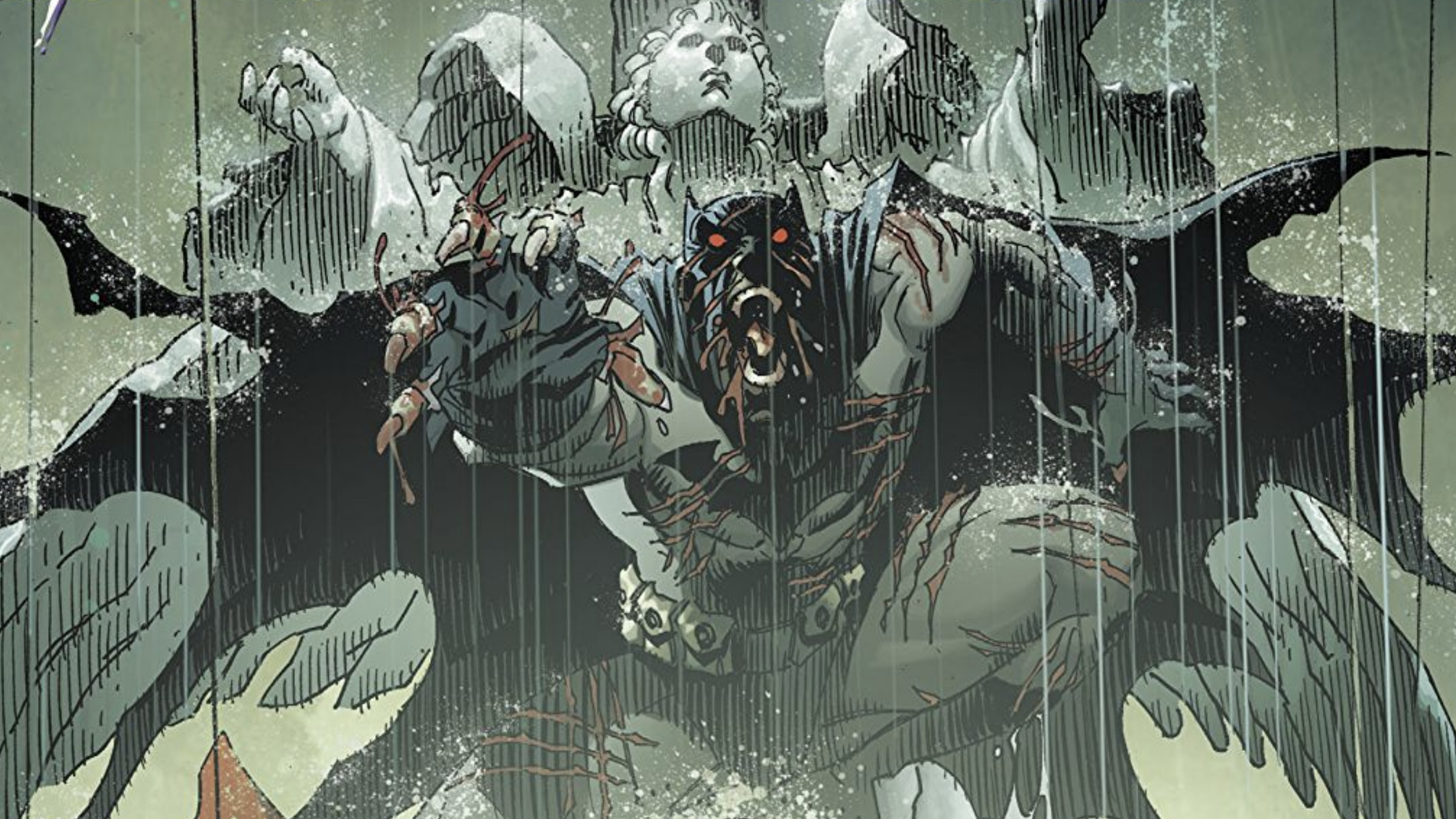
Following several years away, Kieth returned to comics in the early '00s with several new creator-owned series, including DC's Zero Girl, which playfully suggested a link to The Maxx in a throwaway line of dialogue. He balanced that with work-for-hire comics such as a Hulk/Wolverine series for Marvel, and several Batman projects for DC, as well as a Lobo series with Anthrax's Scott Ian.
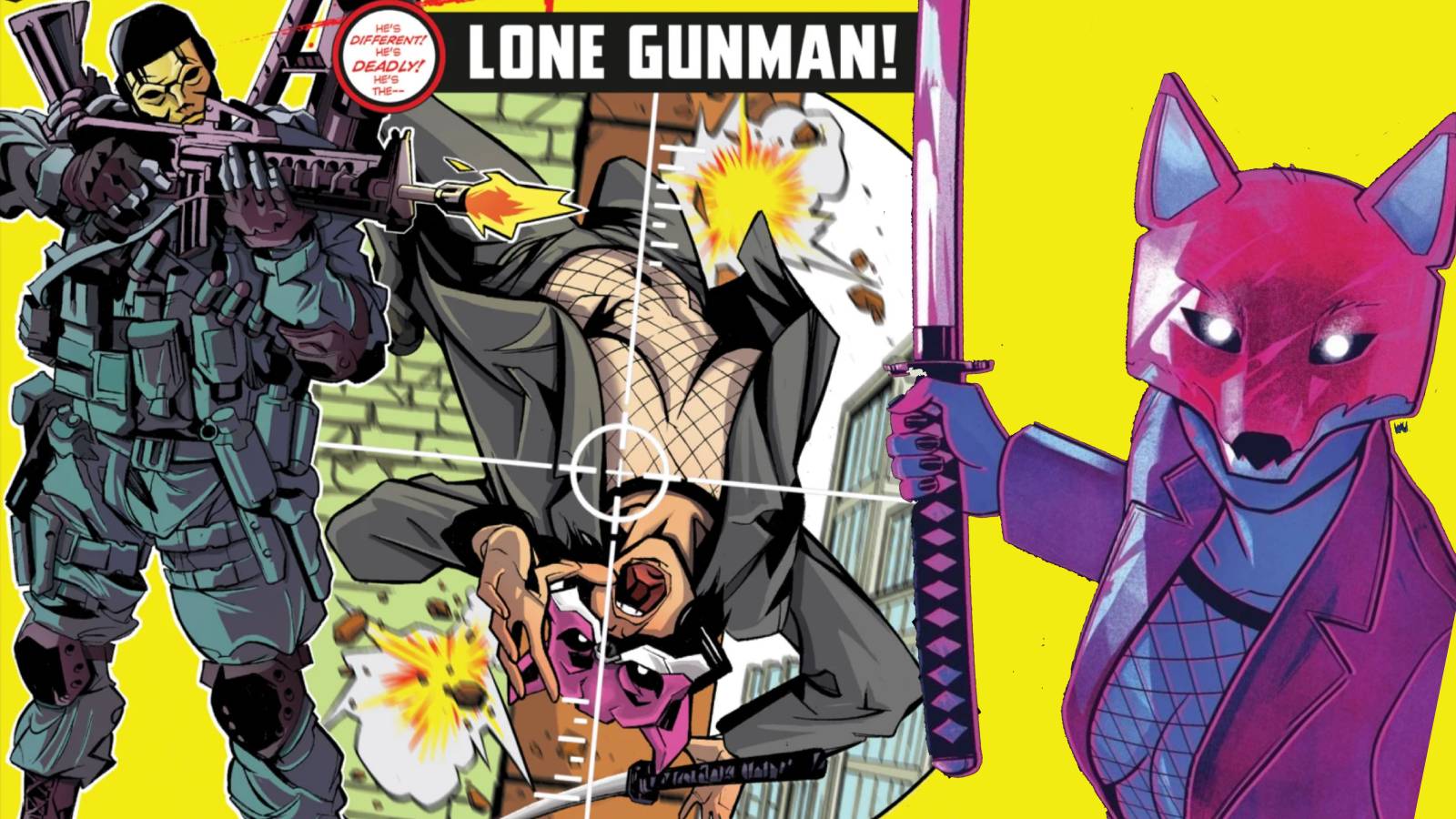
Even as Kieth continued to do work-for-hire series for Marvel and DC as well as Rebellion's Judge Dredd and IDW's 30 Days of Night, he launched his second major creator-owned universe through Oni Press: the 'Trout-a-Verse,' with Ojo and My Inner Bimbo, while also returning for more the Maxx stories from time to time. More recently, he co-created Eleanor and the Egret with John Layman for AfterShock Comics.
Now, with Kieth returning to his own dream time like his most well-known characters, perhaps we will have more time to enjoy his works.







Comments
Want to join the discussion? Please activate your account first.
Visit Reedpop ID if you need to resend the confirmation email.