If you click on a link and make a purchase we may receive a small commission. Read our editorial policy.
Monstress artist Sana Takeda dives into the emotions, the origin, and yes, the monsters of her and Marjorie Liu's hit comic
Monstrous work: Sana Takeda talks craft, Monstress, and Night Eaters

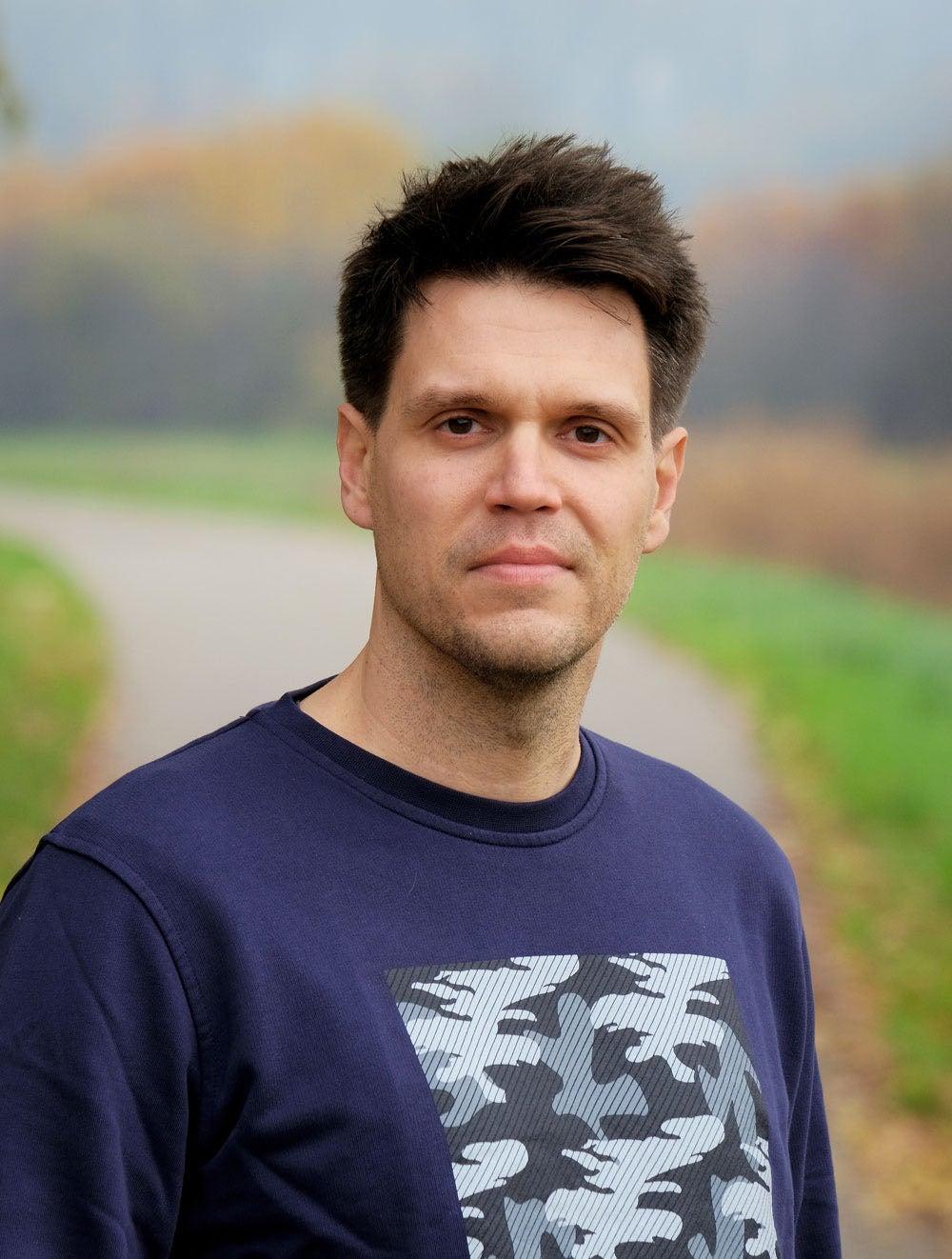
Compared to how highly readers and critics think of her work on the steampunk fantasy series Monstress for Image Comics, it’s hard to fathom that Sana Takeda still feels she has so many opportunities to grow as an artist.
Maybe that’s because Takeda, who became known in the US primarily due to her work on X-23 for Marvel Comics, originally didn’t set out to become a comic book artist at all. Back in Japan, where she grew up and still resides, she was not involved in the local manga scene, but instead did character design work for SEGA.
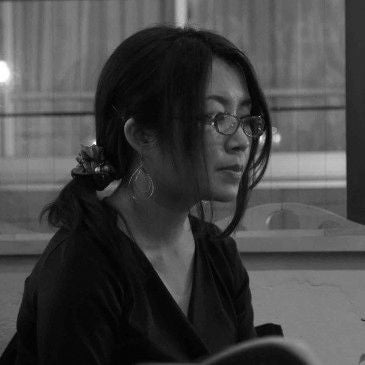
Several Eisner, Hugo, and Harvey Awards for Monstress later, Takeda must confess that she, together with writer Marjorie Liu, is onto something at the very least. What Takeda does admit, is that she wouldn’t be here if not for her perseverance and her good fortunes of striking collaborative gold with Liu, her partner in crime ever since the two bumped into one another on X-23 almost a decade ago.
Next to Monstress, Liu and Takeda are doing the horror graphic novel trilogy Night Eaters over at Abrams Books, of which the first two chapters, have been released.
In this interview, Takeda discusses the importance of conveying human emotion in her work, how she and Marjorie Liu collaborate and where she draws inspiration from bringing the worlds of Monstress and Night Eaters to life.
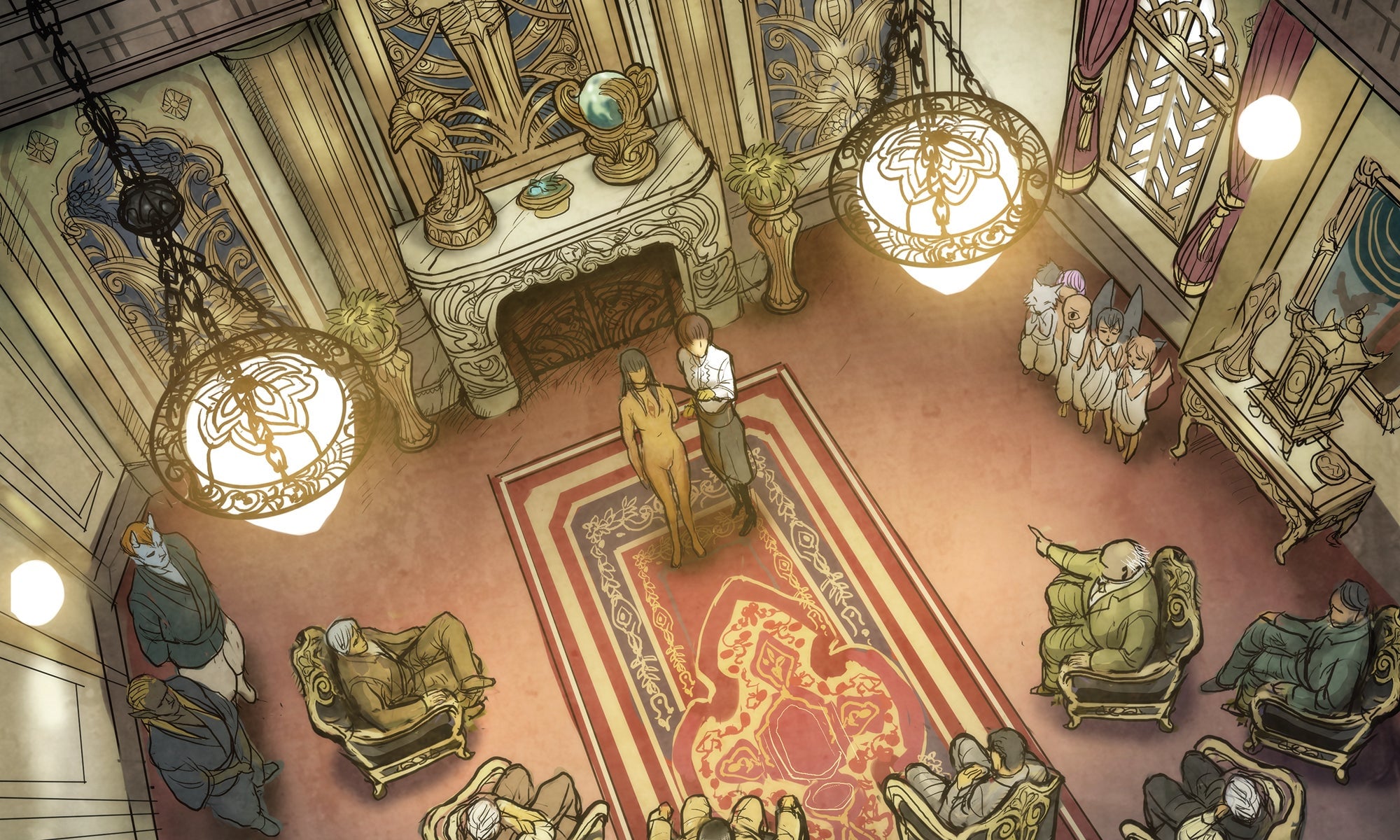
Popverse: How would you explain the ongoing success of Monstress over eight years in? What do you think that it is about the story keeps readers coming back for more? What would you define as the book's strong points?
Sana Takeda: From my point of view, it’s hard to say what it is exactly that urges readers to return month after month. In terms of the story, I think Marjorie is better suited to answer that. But if there’s one thing I can say is that both Marjorie and I are always interested in taking the story into unexplored territory and to give readers new things to experience. For us, we don’t always know where things are headed next exactly either, and I think that is part of what keeps the book fresh, the fact that anything can happen at any time.
In each book that you’ve done, you showcase a different style from what you’ve done before, especially if you put Monstress next to Night Eaters. Why is that?
Both Marjorie and I, we hate repeating the same things over and over again. So for us, when developing Night Eaters, which like Monstress is a darker book, we were very much aware that we didn’t want to go down the same path as we had taken on Monstress. We wanted to create something that was closer to real life, as well as our own lives. For me, that meant going for a style that was a little more fluid and that really placed the people front and center, with more sketchy or less developed backgrounds.
Also, the way people behaved during the covid pandemic played a huge part in how this story developed. People got very stressed out, started acting in weird ways or do all sorts of crazy things. There’s a lot of our own humor in the Night Eaters books, a lot of dark jokes.
Monsters and demonic or at the very least evil characters feature a lot in both in Monstress and Night Eaters. Where do you draw your inspiration from?
If you want to draw any monsters and demonic characters, in daily life you can find many people that could actually be like real monsters or demons, right? [Laughs]
All jokes aside, when an artist creates something new, they tend to get inspired by what someone created before them. But I think that’s not the best way to go about it, because creativity should be born from our own inside. During the creative process, if we don’t dig into our own inner person and who we are, we can never find authentic things.
At the beginning of both projects, I started digging into my own innocent existence and asked myself, what were the things that I feared the most? What beauty was I drawn to especially? etc.
I grew up in a countryside surrounded by nature and in my childhood every day I felt there was something scary going on in any dark or silent place that I encountered. It made me feel horrified and at the same time a bit comfortable too, however strange that may sound.
It helps my imagination and my drawing process very much in any case.Whenever I can’t find a way forward, I go back to how I felt during my childhood, and usually there’s a solution or a spark that helps me get back on track.
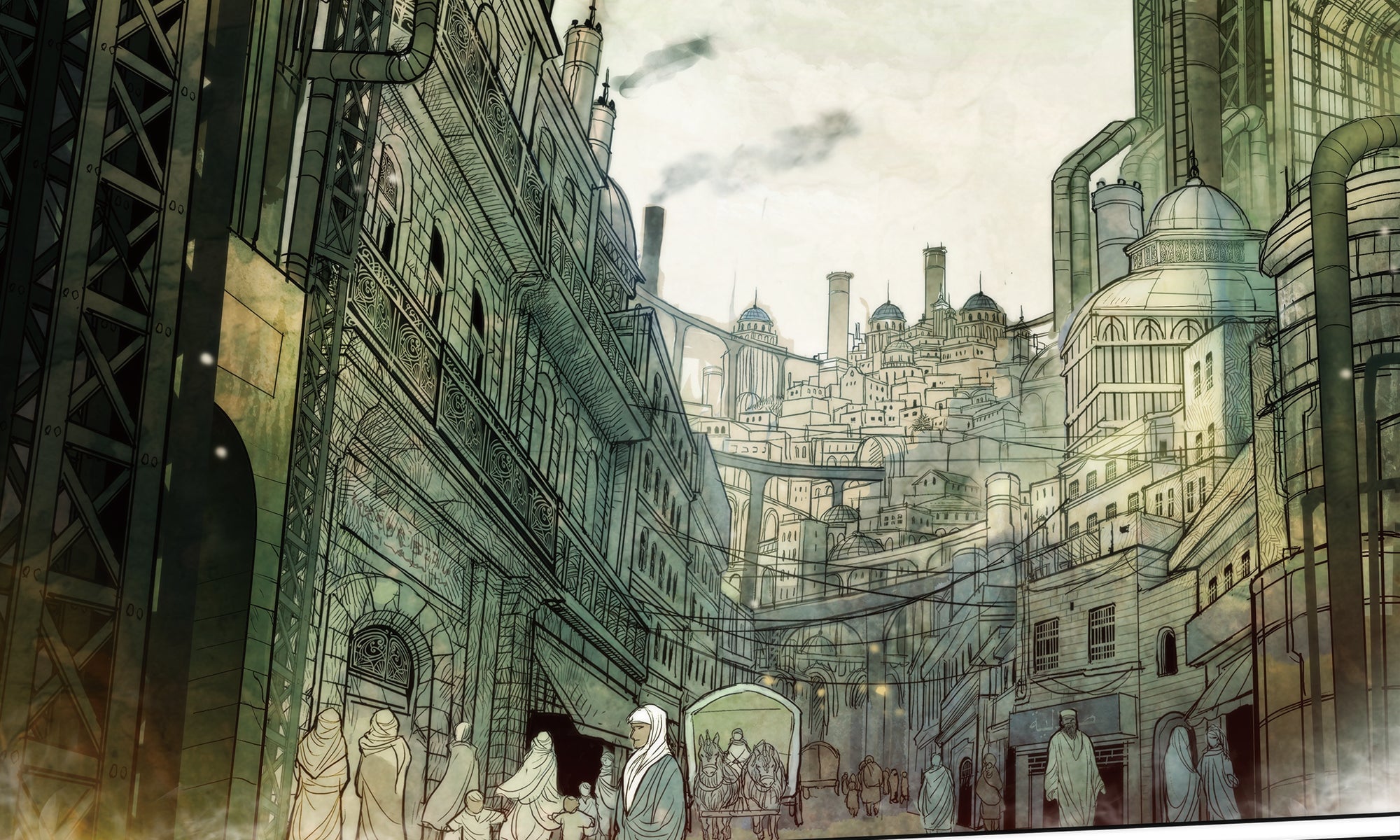
How did you first break into American comics?
My first regular work was Ms. Marvel, and I got itby doing the cover work which the regular artist couldn’t do. The same situation happened on X-23. At first I did only three pages, but apparently that was enough to get me doing the book on a regular basis.
I think I was very lucky, and at the same time it was a very hard experience for me, because when the work came, I didn’t feel up to the task. But I decided I needed to give it a shot without feeling ready… and ultimately that led me to where I am now, this place beyond my imagination.
Did you click instantly with Marjorie Liu since first working together on Marvel's X-23?
Well, it’s not like we knew one another before doing X-23. As I said, I wasn’t a regular artist for Marvel back then, and I was asked to stand in for the regular artist at the time because his schedule got full, so I took the job and Marjorie liked what I did.
When I first read her scripts, I was amazed at how delicate and sensitive they were, which I feel is something you don’t often see in American comics. Most scripts have some roughness about them and there’s often a good amount of violence going on, but Marjorie’s work always has a lot of deeper layers to it that go right at the heart of the characters she writes about. She’s got a great sense of unearthing the inner feelings of a character. I was really amazed by her scripts.
And then a while after X-23 wrapped, she was in Japan and came to visit me and asked if I was interested in doing something together. I didn’t jump at the opportunity right away, but a year later, she asked me again, and I went for it.
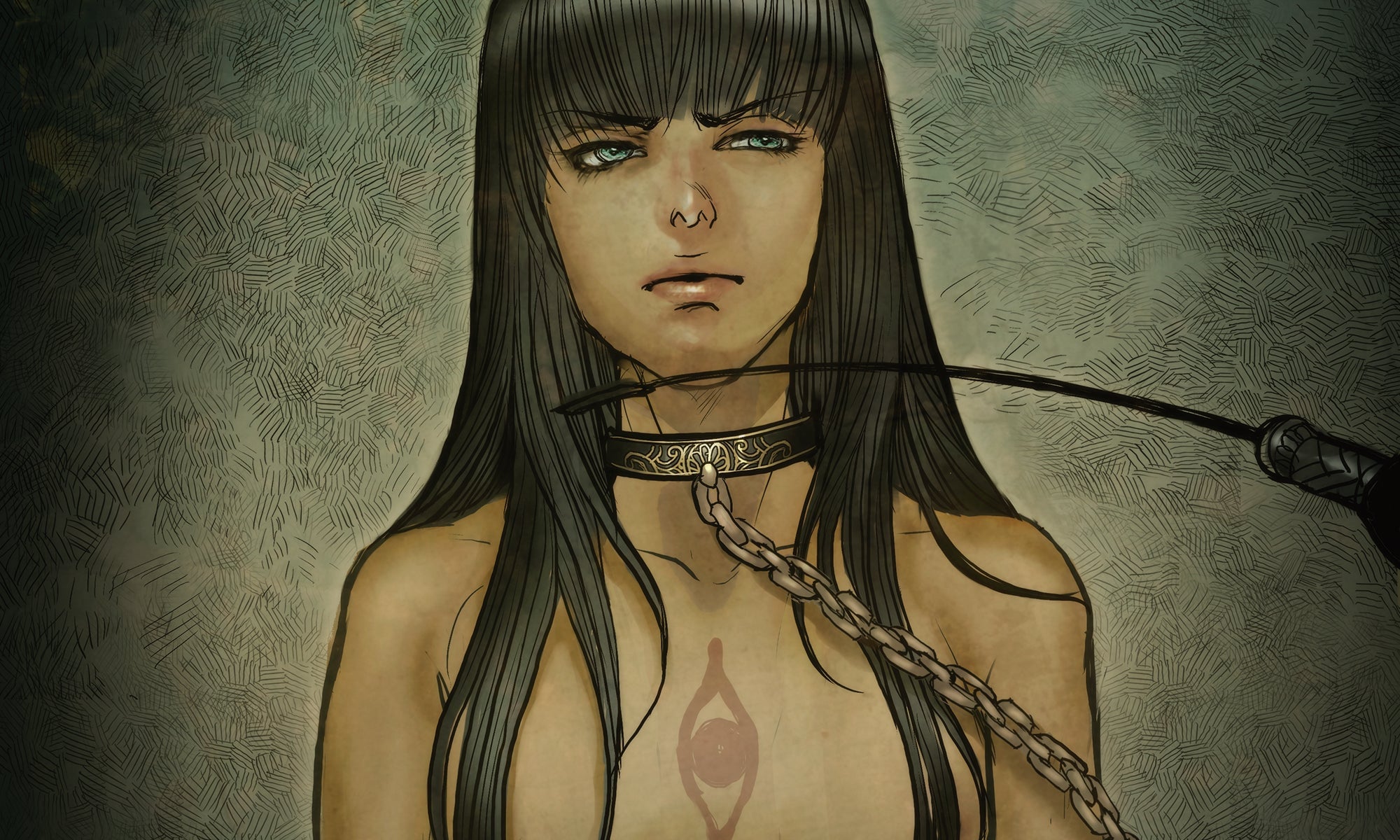
How has your working relationship with Marjorie developed over the years? Do you have a say in the plot of Monstress and what happens to certain characters?
I think how we work is kind of special. It’s not like she writes the scripts in full and then I do the drawings. It’s not like that. We talk a lot, then I do some designs or draw a few sequences, which in turn inspires her I do a drawing, which in turn inspire her to further develop the story.
For example, when I create a new character, I won’t go into great detail from the start, I leave a lot of things open. It’s not until we have a good idea of how the story evolves, that I finalize the character, so it fits the role it plays in the story as much as possible.
One thing I have to be careful about, though, is that when I come up with a new character that Marjorie doesn’t like, it’s likely that it gets killed sooner than later. [Laughs]
Something you're very good at is depicting your characters' emotions. Is that something that comes naturally to you as an artist?
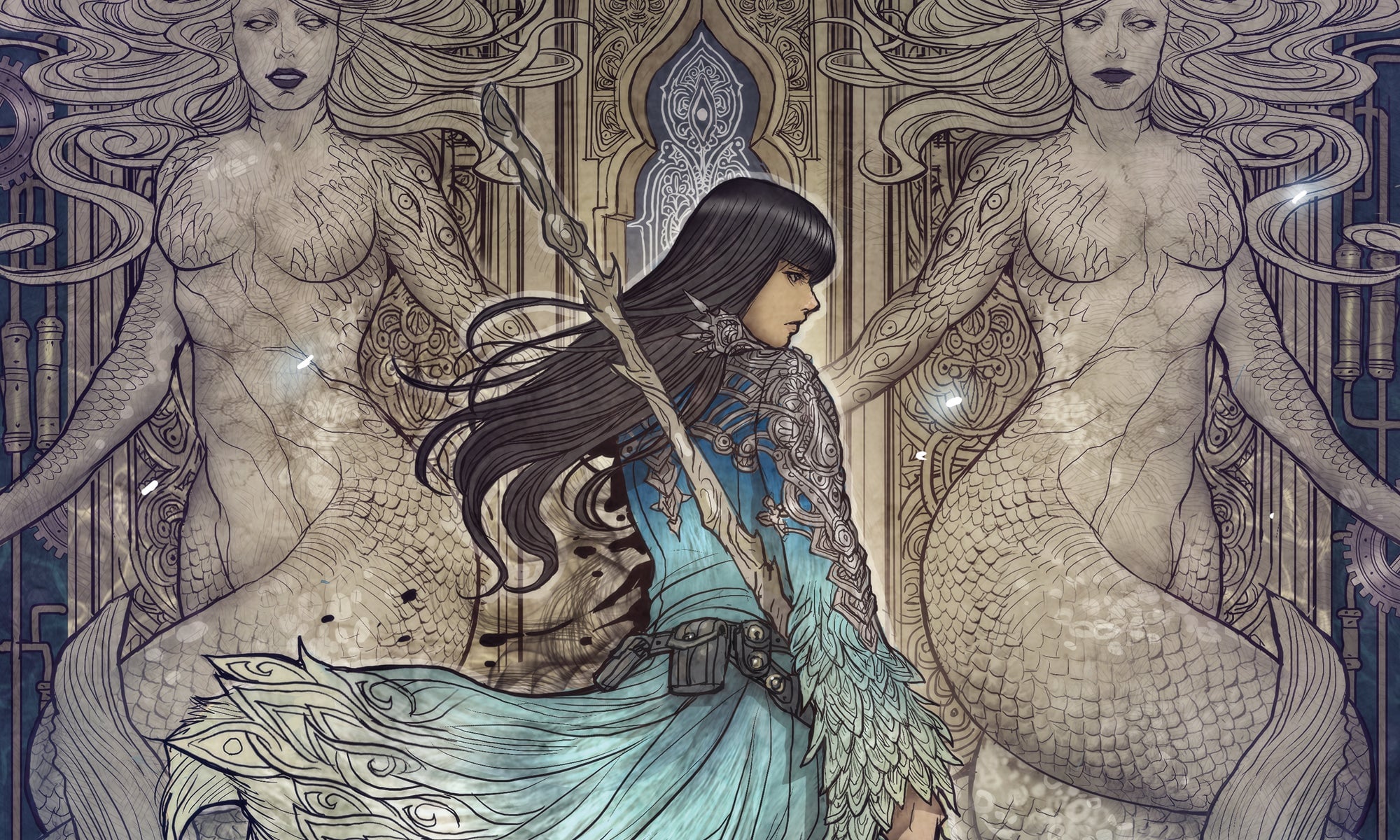
I’m glad that you say so. It’s one of the most important intents of my work. Human emotions are so complex, there’s not just one layer to a single feeling. For example, when someone dies, you might be very sad, but soon something happens that makes you laugh, even while you’re grieving. The same happens when you get mad: no matter how angry you feel, something might occur that puts your behavior on its head. No human has just one layer to them, there’s always inner or outer conflict going on, or delicate stuff involved that you can’t see with the naked eye.
I’ve always loved doing complex expressions and getting to the bottom of the emotional qualities of characters – obvious and hidden – are what Marjorie and I wanted to reach.
Who were your influences growing up?
In my youth, I read Shonen and Shojo Manga like many Japanese young people did. Apart from that, in my childhood I was drawn to the works of the famous Japanese novelist Edogawa Rampo. His books have this dark vibe, very similar to how I felt when encountering scary situations. You could say the vibe resonated with a part of my roots.
In between X-23 and Monstress, you took some time away from doing comics. Why was that?
X-23 was special because of the collaboration with Marjorie. So if I could work with her again, I wanted to be in the comic industry. But at the same time I felt very unsure about my art – I thought my art was very clumsy and unattractive – so I was going to call it quits. In between X-23 and Monstress, I tried various things, Japanese traditional craft, learned art (because I hadn’t had any formal art education) and so on.Honestly, I’m still not all the way satisfied with my work… I always keep looking for a better way to create something unique and new.
Where do you see yourself as a creator five years from now then?
Oh, that’s difficult to say. One thing I want to take to heart is that I don’t remain as I am today, that I keep on taking on new challenges and evolving. That’s a good thing to aspire to.
Follow Popverse for upcoming event coverage and news
Find out how we conduct our review by reading our review policy
Let Popverse be your tour guide through the wilderness of pop culture
Sign in and let us help you find your new favorite thing.






Comments
Want to join the discussion? Please activate your account first.
Visit Reedpop ID if you need to resend the confirmation email.