If you click on a link and make a purchase we may receive a small commission. Read our editorial policy.
Why DC's Superman and Milestone's Static told better Spider-Man stories than Marvel's Spider-Man in the ’90s
If you wanted classic Spidey comics in the 1990s, you would have been better served looking at what DC Comics was publishing at the time
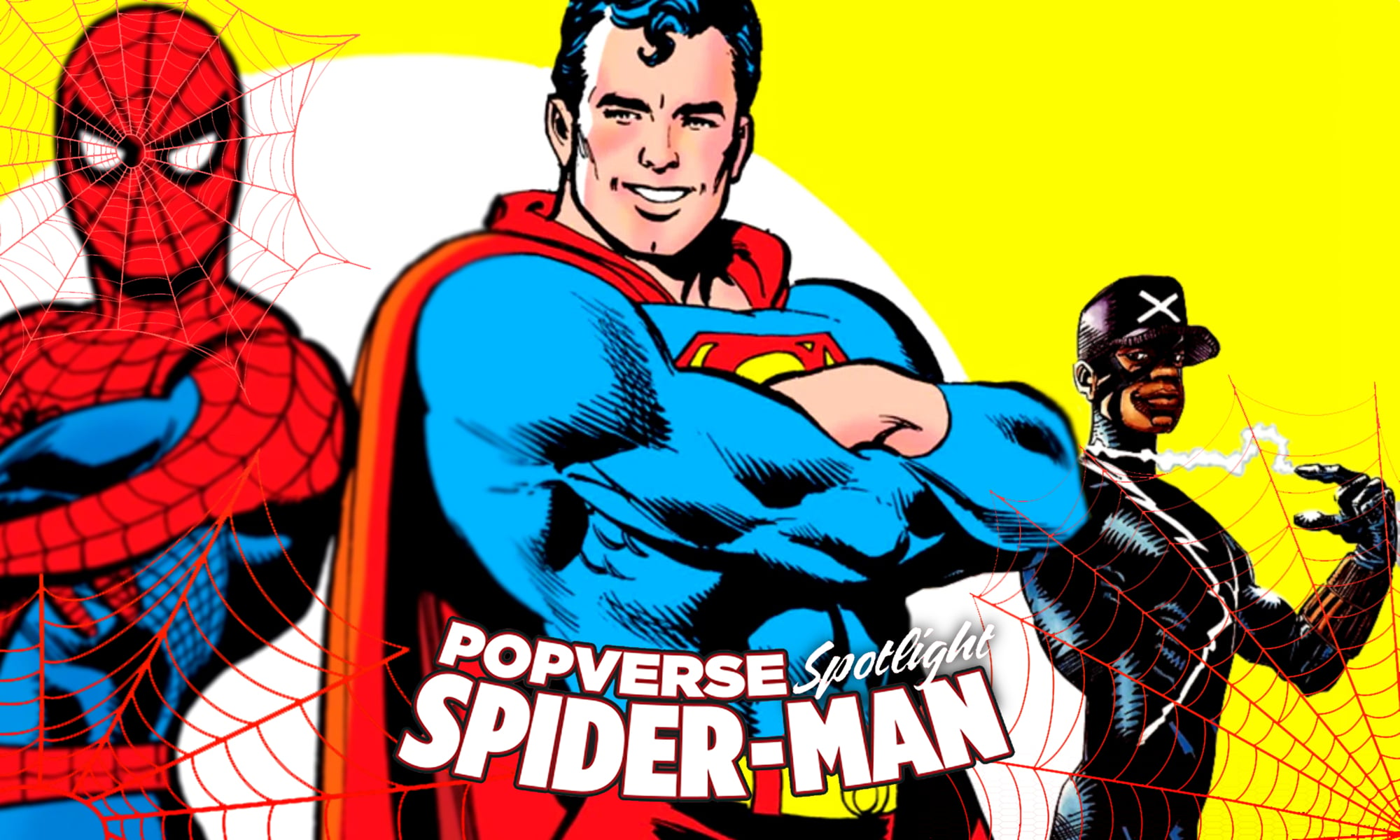

Popverse's top stories
- Justice Gang boss Maxwell Lord will appear in another DC Studios project soon, says Sean Gunn - but he can’t say which one
- The Marvel art that made Jim Lee a superstar is being collected in one massive book
- Magic: The Gathering is giving Liliana Vess the main-character treatment
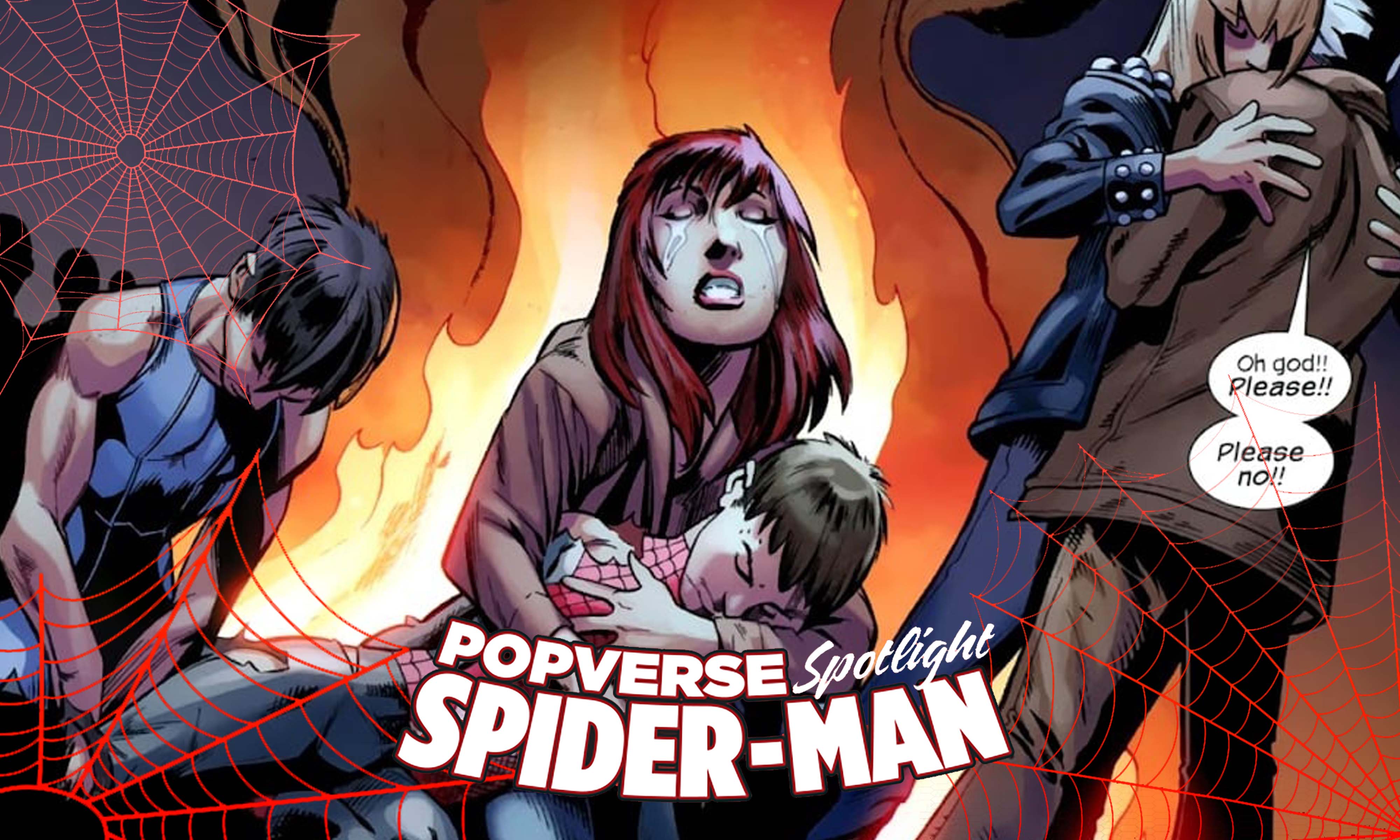
Spider-Man is, undoubtedly, one of the great comic book characters of the 20th century. Across the first couple of decades of his publishing history, countless writers and artists refined and clarified what makes a great Spider-Man story, while other publishers tried their best to crack the Spider-Man code for themselves. In that sense, it’s simultaneously a surprise and no surprise whatsoever to report that, honestly, the best Spider-Man comics of the 1990s weren’t published by Marvel Comics — and didn’t even feature Spider-Man as a character.
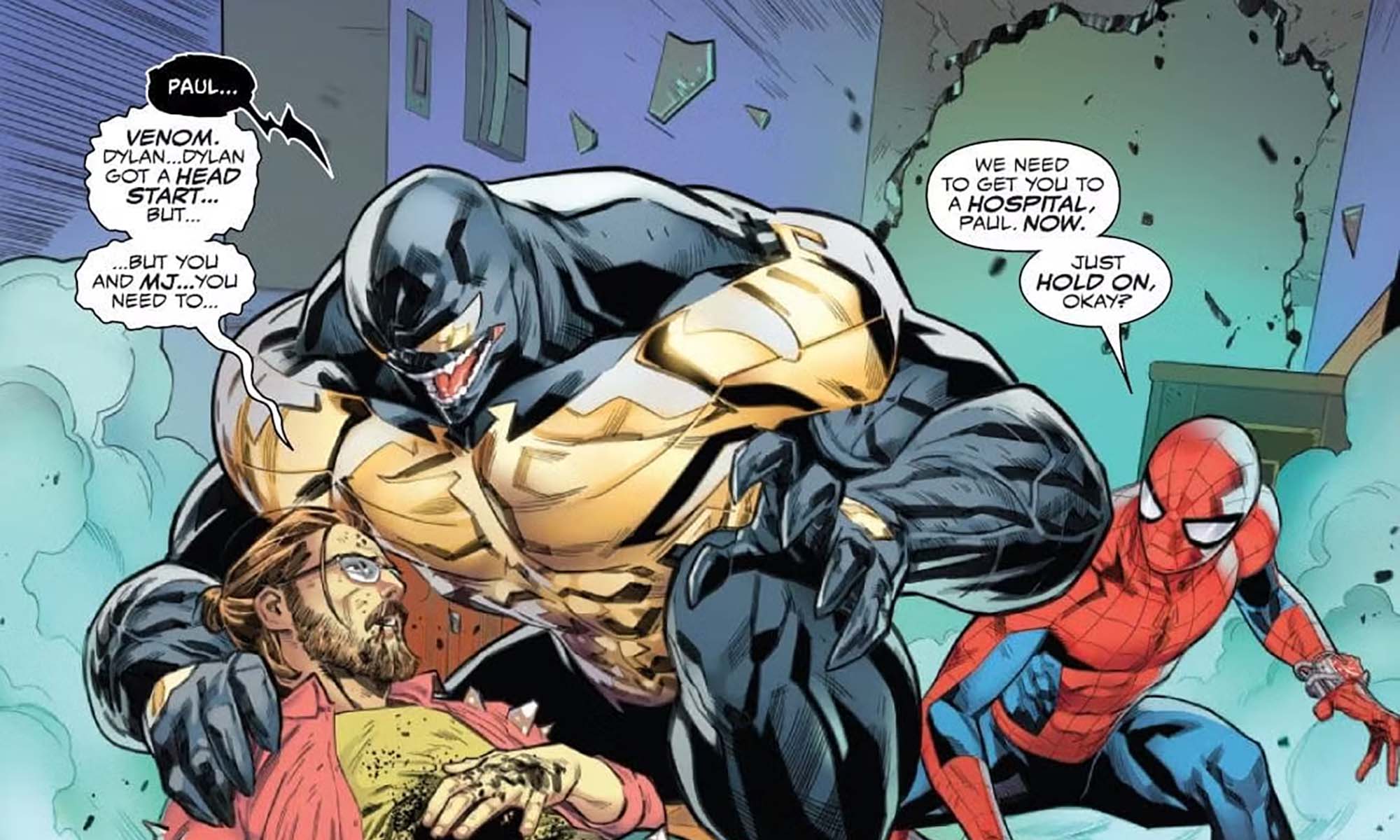
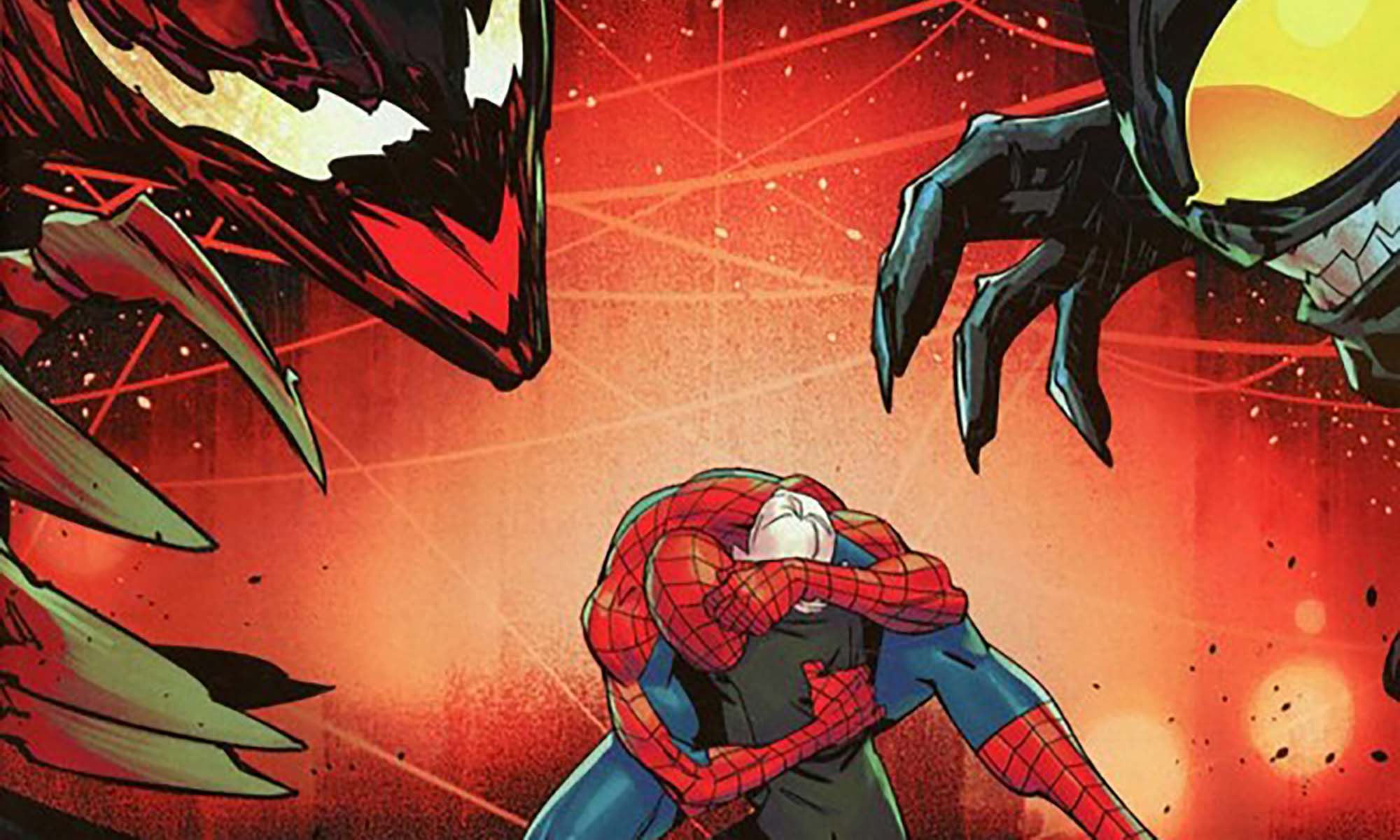
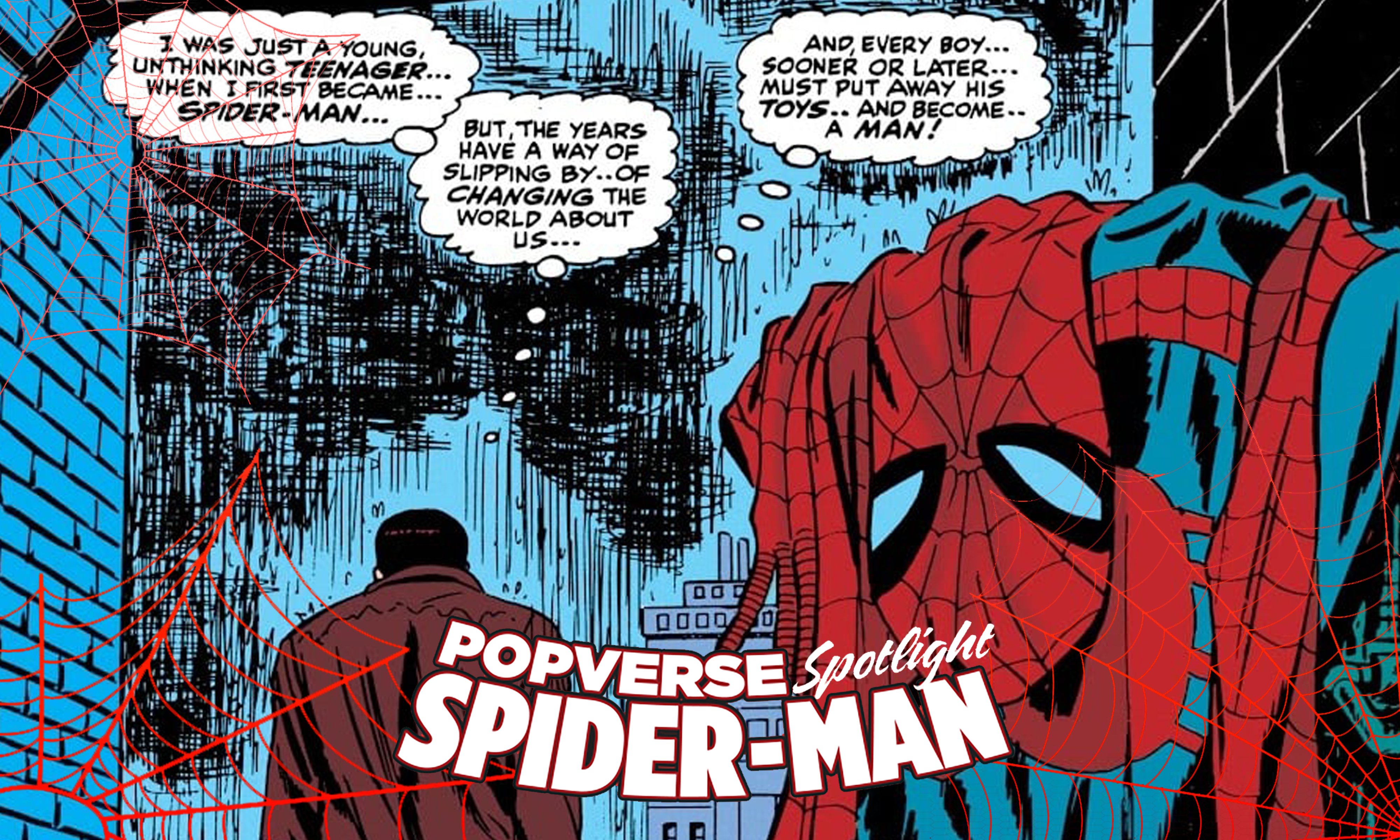
To be fair, the 1990s were a weird time for Peter Parker as a whole. Marvel’s flagship character was following the trends of the market at the time, which meant that he was straying from what had been the tried-and-tested Spider-formula up to that point: a grounded approach that balanced Peter Parker’s friends and family and his swinging alter-ego dealing with low-level threats was replaced by alien costumes that wanted to eat people and a years-long storyline that seemed very unclear over who was, or wasn’t, a clone. While this kept Spidey’s many comics selling well in the short term, it meant that a space opened up for fans looking for the kind of low-level thrills that Spider-Man comics used to offer — and that was a space two separate DC superheroes were all-too-glad to move into.
Superman and his Amazing Friends
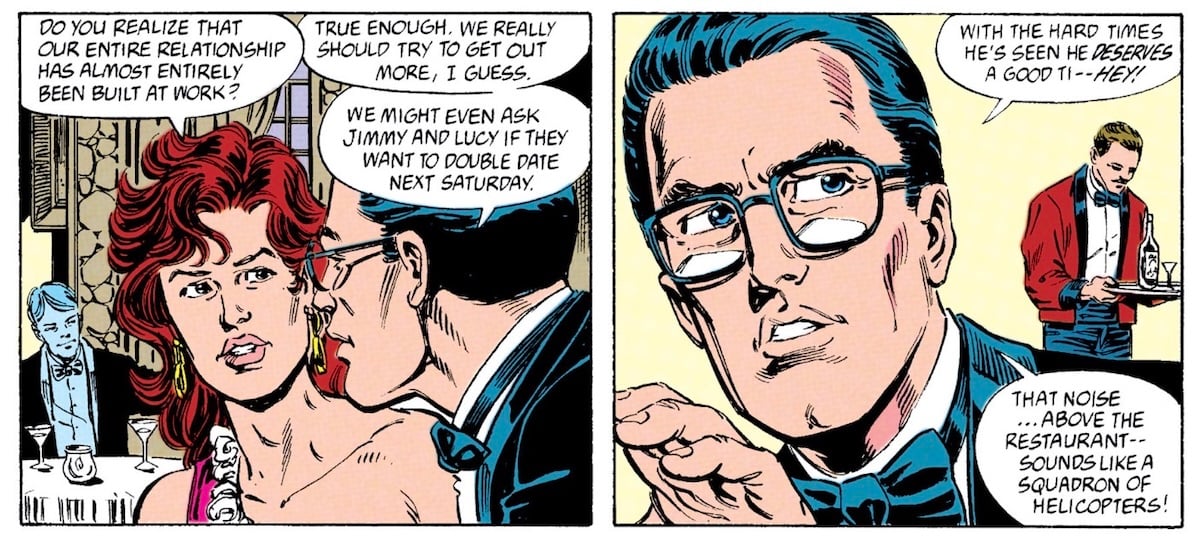
One of the core ingredients of Spider-Man’s early comic book success was that superhero stories were only half of what made the stories work — the other half (and, arguably, the more important part) was the focus on the soap opera of it all: the highs and lows of Peter Parker’s love life, as well as the other everyday worries of our hero and his non-costumed pals and gals. Would Pete be able to stomach his boss’s ranting and raving enough to make rent? What about his grades? Was Betty Brant unhappy in her marriage, and if so, why? Was Aunt May going to have another life-threatening health crisis, and if so, would she pull through? Fully informed by Stan Lee and collaborators’ time on romance comics, this was the stuff that brought fans back issue after issue, and made them feel as if they could empathize more with him, compared with the morally upright, less complicated superheroes from other publishers.
Of course, by the 1990s, almost every hero had caught up with that idea — to the point where the once-straitlaced Superman had developed enough of a soapy supporting cast to support four monthly comic book titles, transforming the Man of Steel into a weekly Man of Soap. Under the control of creators including Jerry Ordway, Roger Stern, Louise Simonson, and Dan Jurgens, the 1990s Superman comics (now being issued in a series of collections as ‘The Triangle Era’) replicated the heyday of Spider-Man soap opera, with Metropolis standing in for New York City and the Daily Planet replacing the Daily Bugle. Even if the supervillain of the day didn’t impress, fans would still show up to find out if Perry White and Alice were working out the problems in their relationship, what Jimmy Olsen would do after being laid off from the Planet, or whether or not Pa Kent was working too hard for his own good on the farm. (To say nothing of how long the Clark/Lois engagement went on, being dragged out by a sales boosting death in the middle of it.)
How soapy did Superman get? This is a real page from 1991's Superman #54, in which all of the subplots were given one page to advance them in the midst of a seven-part crossover that needed the Man of Steel elsewhere:
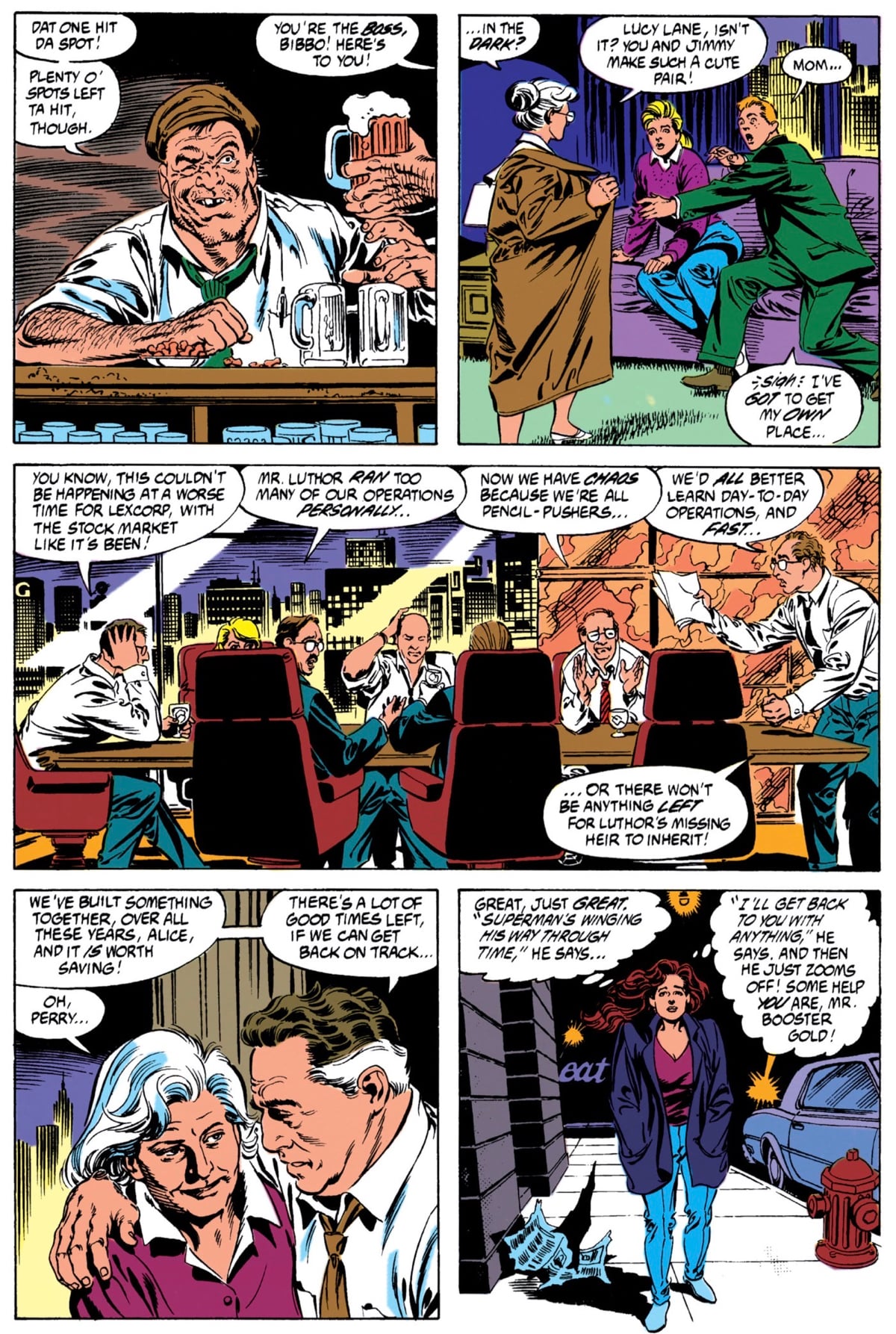
At the height of its soapiness, DC’s Superman comics were as much relationship drama as they were superhero adventures — and leaning heavily into soap opera tropes at a time when Marvel’s Spider-Man comics were feeling less and less connected to the man behind the mask and more human stories, instead of outright sci-fi drama.
Static: From zero to hero
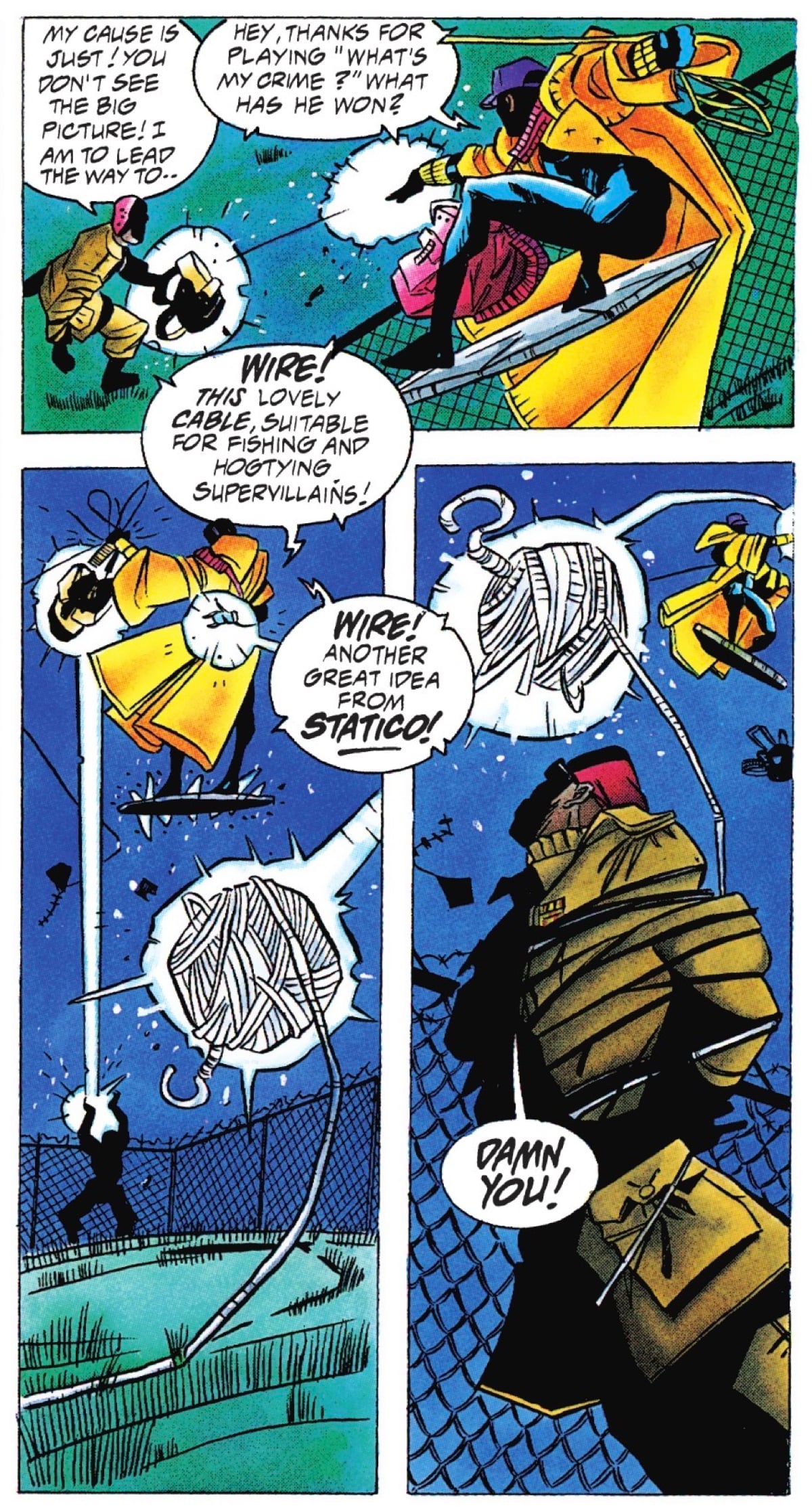
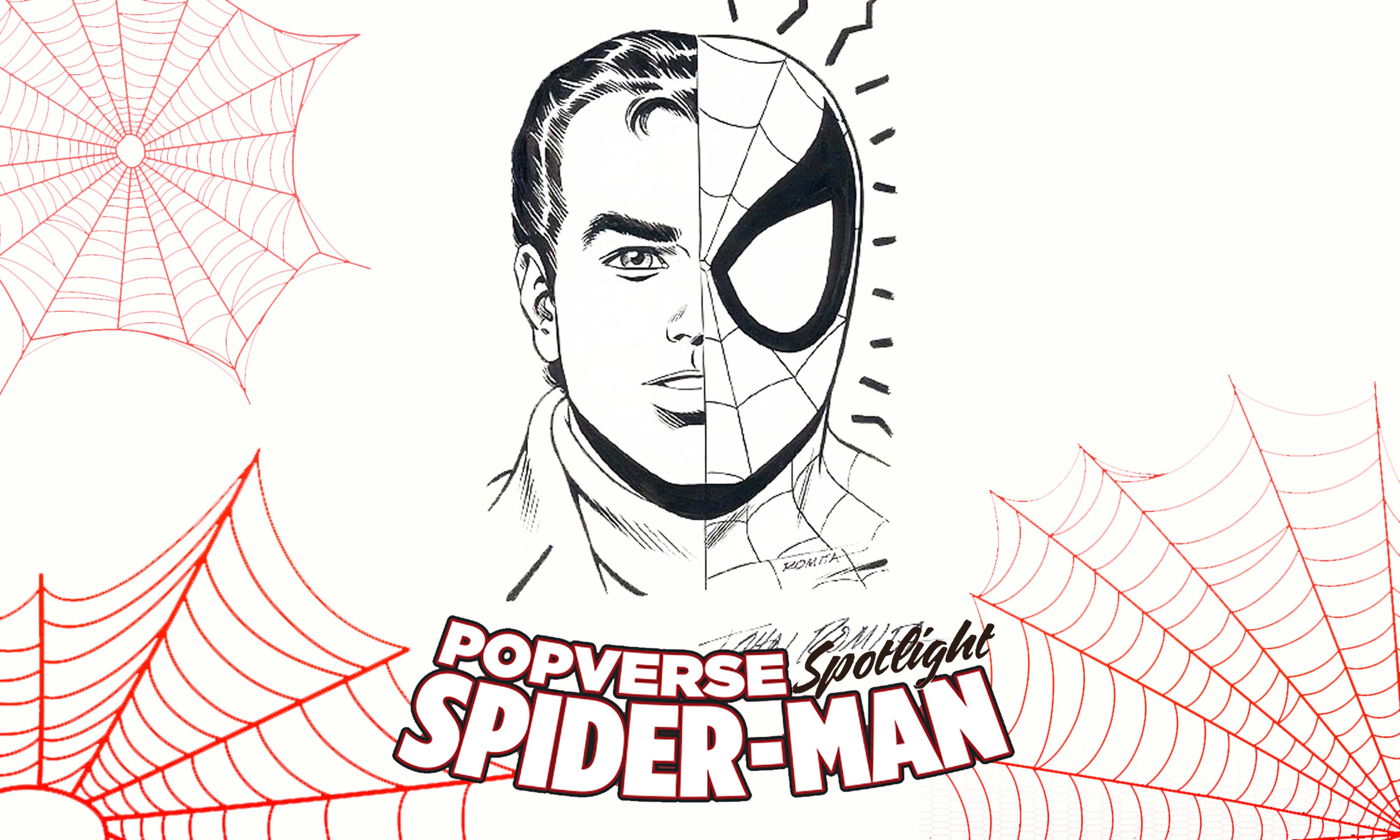
But what about Spider-Man himself? At its core, a significant part of the character’s appeal is the double life aspect — that Peter Parker can temporarily escape his loser status by becoming the beloved Spider-Man, and vice versa: when Spider-Man is unpopular for whatever reason (probably J. Jonah Jameson-related), Peter Parker’s life can be a refuge. It helps that there’s a certain wish-fulfillment aspect to the hero here: that the normally nerdy Parker gets to act all confident and jokey behind the mask, freed of the potential social shame that he normally faces.
Again, by the 1990s, this aspect was almost abandoned in actual Spider-Man comics, where Peter Parker was far from a nerdy loser — he was, in fact, a successful photo-journalist who’d published a best-selling book and was married to a supermodel. Where, then, could fans go to get their fill of an outcast getting to be beloved for being themselves, hidden behind a disguise? (Well, aside from re-reading Cyrano de Bergerac, of course.) The answer, it turned out, was in a brand new superhero that debuted in 1993: Milestone Media’s Static.
Known to most fans these days because of the four-season animated series Static Shock that ran on the Kids WB from 2000 to 2004, Static was Virgil Ovid Hawkins, a high school nerd who gained electromagnetic powers as a result of being in the wrong place at the wrong time. As a mainstay of the Milestone line published through DC Comics in the mid-1990s, he was very clearly a spin on Spider-Man tropes, all the way down to his tendency to wisecrack badly during superheroing — something both friends and enemies would call him out for on a regular basis. Throughout the comic’s original 45-issue run, Static was a smart, funny, and most importantly, fun callback to the hero Spider-Man had been for the first couple of decades of his own existence. There’s a reason why fans still care about Static more than a quarter century later, after all.
Where can you read these stories now?
The best of the 1990s Superman soap opera period can be found in Superman: The Triangle Era Omnibus vol. 1 and Superman: The Triangle Era Omnibus vol. 2. The best of the original Milestone Media Static run can be found in DC Finest: Static — Playing with Fire collected edition.
Marvel's most reliable superhero has proven he can do a whole lot more than just 'whatever a spider can.' Swing into Spidey's history with Popverse's...
- Best Spider-Man comic books
- The best Spider-Mans (or is it Spider-Men?)
- Spider-Man movie watch order
- Spider-Man's actors, ranked
- The best Spider-Man suits
- and the Spider-verse explained!
Just watch out for that radioactive blood.
About Popverse Spotlight: Spider-Man
Listen, bud... Spider-Man is the definition of a modern superhero. From his comic books to his TV shows, movies, games, and more, he is the epitome of the superhero genre — even without a cape! In Popverse Spotlight: Spider-Man, we celebrate all the facets of Marvel's wallcrawler, across all major media, and even include other people who have been Spider-Man in addition to Peter Parker. Face it tiger, you just hit the jackpot!
Dates
-
Location
Popverse
Follow Popverse for upcoming event coverage and news
Find out how we conduct our review by reading our review policy
Let Popverse be your tour guide through the wilderness of pop culture
Sign in and let us help you find your new favorite thing.




Comments
Want to join the discussion? Please activate your account first.
Visit Reedpop ID if you need to resend the confirmation email.