If you click on a link and make a purchase we may receive a small commission. Read our editorial policy.
Was Disney's 2012 purchase of Lucasfilm a good deal?
A decade after it happened, we can answer the question, 'Did Disney spend too much on Star Wars?'


2022 marks the ten-year point since George Lucas sold Lucasfilm to the Walt Disney Company, laying the groundwork for the return of the franchise to the big screen, as well as its current incarnation as the critical darling of the Disney+ streaming service, thanks to Andor.
The sale in 2012 cost Disney $5.905 billion, split between $4.05 billion in cash, and an additional $1.855 billion in Disney stock for George Lucas; that latter part might have ballooned to somewhere in the region of $7 billion in the decade since, although that’s more good luck on Lucas’ part than anything that cost Disney any more than it had 10 years ago. Almost six billion dollars is a lot of money, so, a decade later, it might be time to ask: was it worth it?
Estimating the actual value of the Star Wars franchise in 2022 isn’t easy; for one thing, the franchise has moved from being primarily a cinematic franchise with associated merchandise to being something that exists in the streaming space as well as having a massive publishing and merchandising program behind it.
Disney's Star Wars movies and TV shows
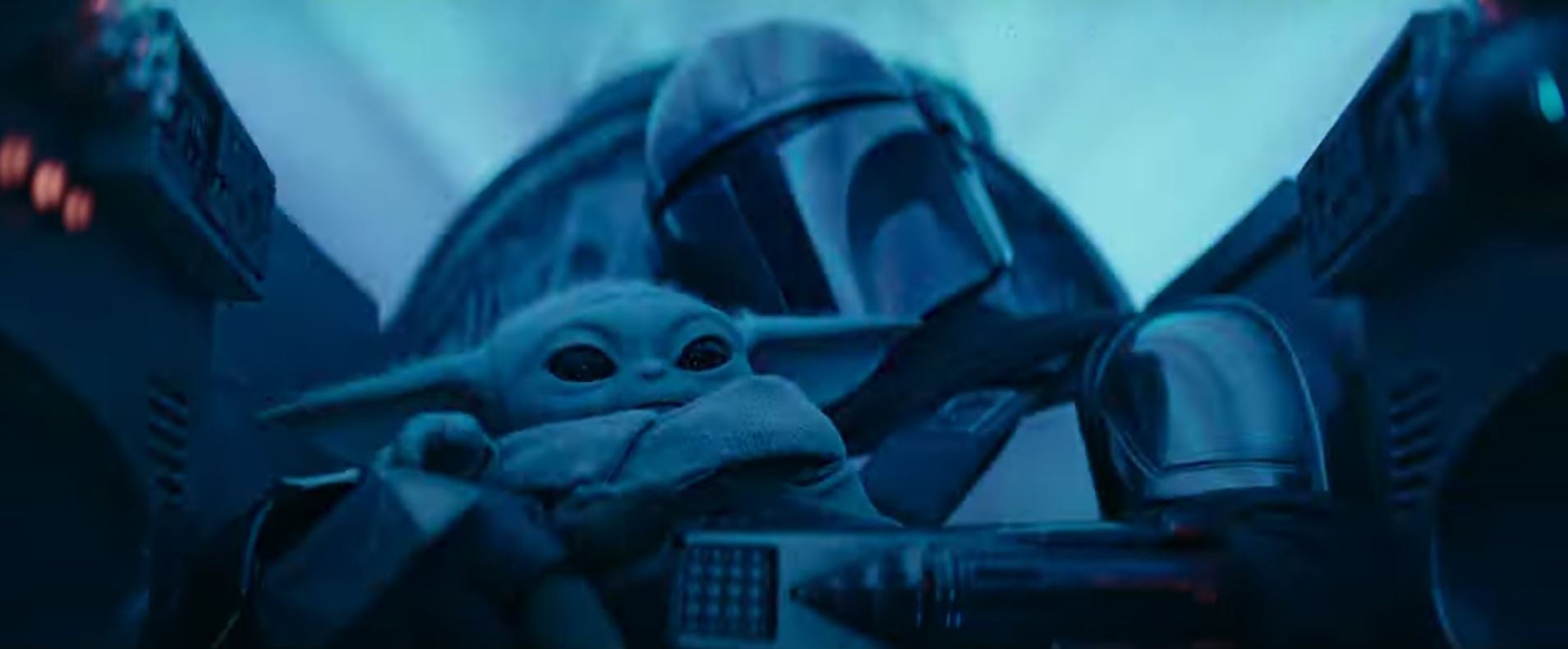
As such, box office results prove an increasingly unreliable indicator of the actual health of Star Wars, which might be a good thing: as is clear from seeing the fates of both Solo: A Star Wars Story and Star Wars Episode IX: The Rise of Skywalker, audiences were proving increasingly less enamored with the idea of headed to theaters to keep up with the series on the big screen — according to independent estimates, Rise of Skywalker made less in profit than Rogue One: A Star Wars Story three years earlier; worse still, Solo cost Disney somewhere in the region of $77 million.
...the amount Disney actually made basically drops to a third: somewhere in the region of $1.9 billion...
All told, the total box office haul of the Disney era of Star Wars adds up to almost 6 billion dollars — an estimated $5,927,976,758, if you’re curious — which, all told, basically covers the price tag for buying Lucasfilm in the first place. Or, rather, it would, if you didn’t have to factor in the cut taken by movie theaters, production costs of the movies, and the associated promotion and distribution costs. Once you do that, the amount Disney actually made basically drops to a third: somewhere in the region of $1.9 billion, is independent estimates are to be believed.
Disney's Star Wars outside the movies and TV shows

Thankfully, the true value of Star Wars as a profit-generating enterprise is far away from the multiplex — or, for that matter, the streaming service, although it’s undeniable that the stream (no pun intended) of new Star Wars shows on the service has to be proving a significant lure for customers signing up for Disney+ since the platform launched in 2019. (As of March this year, The Mandalorian was the most-watched show on the service in terms of viewing hours.)
...back in 2014, it was estimated that the movies only made up roughly a quarter of Star Wars’ dollar value...
Instead, it’s the ancillary material that draws the most revenue for Star Wars: the merchandise, the publishing programs, and the like. This isn’t anything new; back in 2014, it was estimated that the movies only made up roughly a quarter of Star Wars’ dollar value, with merch and publishing making up the difference. With no new Star Wars movie since 2019 — and nothing on the horizon until at least 2025 as of writing — merchandise has likely only become even more important than ever… especially when the primary Star Wars output from Lucasfilm is no longer sold separately, but instead as part of a subscription package with other Disney material.
Hasbro, for example, has extended its partnership with Lucasfilm not once but twice since it first signed a deal with Disney for the Star Wars license in 2013. While the terms of the 2020 renewal, and 2021 extension, aren’t public, it was reported that the 2013 agreement, which ran through 2020, was worth $225 million — which is to say, not that far below the amount Rise of Skywalker brought in in terms of actual profit, but without the effort or outlay of having to make a movie in order for it to happen.
Publishing, too, is a sizable moneymaker. 2022 saw the release of 14 Star Wars prose novels (many of them New York Times bestsellers), with almost as many comic book releases per month — December has 12, factoring both single issues and collected editions from both Marvel and IDW, which split the license; January 2023 has 17 — in addition to additional projects like Titan Magazines’ Star Wars Insider. Again, each of these licenses represent passive income to Lucasfilm, with the studio making money for minimal effort. Lucasfilm, famously, has a story committee to keep track of continuity throughout its publishing programs, so it’s definitely contributing something here. (It’s also worth noting, arguably, that Marvel and Lucasfilm share a corporate parent, so presumably the licensing deal here is a zero-sum game to Disney financially.)
And also such unique merchandising as the Death Star cheeseboard/charcutierie set, which yes you can actually buy.
Was Disney's purchase of Lucasfilm a good deal?

The breadth of Star Wars merchandise and licensing is so wide — want a Mandalorian-branded baby blanket? Maybe you’d prefer the Star Wars lightsaber electric salt and pepper mill grinder — that it’s genuinely tricky to estimate the value of the Star Wars brand at this point — which, at least until next year’s Indiana Jones and the Dial od Destiny, basically translates into the Lucasfilm brand. There are, however, multiple sources estimating figures in the region of $68-70 billion in the past 12 months, which, even if they’re overly optimistic to a factor of 10, still means one simple thing: Disney got a bargain when it bought Lucasfilm a decade ago.
Wondering what makes Andor so beloved? It’s because of the mature way it approaches the nature of fascism and the moral choices involved in standing against it, argues Popverse’s Tiffany Babb.
Follow Popverse for upcoming event coverage and news
Find out how we conduct our review by reading our review policy
Let Popverse be your tour guide through the wilderness of pop culture
Sign in and let us help you find your new favorite thing.







Comments
Want to join the discussion? Please activate your account first.
Visit Reedpop ID if you need to resend the confirmation email.