If you click on a link and make a purchase we may receive a small commission. Read our editorial policy.
Marvel Comic-Con: Inside Marvel’s first official convention
What you would have seen at the short-lived official Marvel Comic-Con
There’s no denying that conventions are a special experience. Conventions bring fans together to celebrate their hobby, meet their favorite creators, and find coveted collector items. Have you ever felt the joy of finding that missing back issue after years of searching? How about the euphoria of having a great conversation with one of your favorite creators? It’s a feeling many of us have had, and it’s why we love the con experience.
It's virtually impossible to go to a comic convention without seeing something Marvel related. From cosplay, original artwork, merchandise, and more, Marvel has a large presence at every show. But what would it be like if Marvel had their own convention? The premiere episode of the Disney+ series Ms. Marvel featured a fictitious event called AvengersCon, devoted to celebrating Marvel’s heroes. This has led to some speculation about what it would be like if Marvel organized their own convention. Believe it or not, this has already happened.
Decades before Kamala Khan visited AvengersCon, Marvel held two conventions in 1975 and 1976. If you missed them, here’s what they were like…
1975: Mighty Marvel Convention
In 1975 Marvel Comics was growing as a brand. The superhero boom of the 60s had given Marvel dozens of successful hits, like Spider-Man, the Hulk, and Iron Man. The popularity of the Marvel brand propelled editor Stan Lee to celebrity status. Lee became a popular guest speaker, traveling the country to appear at various colleges and early comic conventions. At the time, comic conventions weren’t the sprawling mega-events they are now. San Diego Comic-Con was still in its early days and being run out of the El Cortez Hotel.
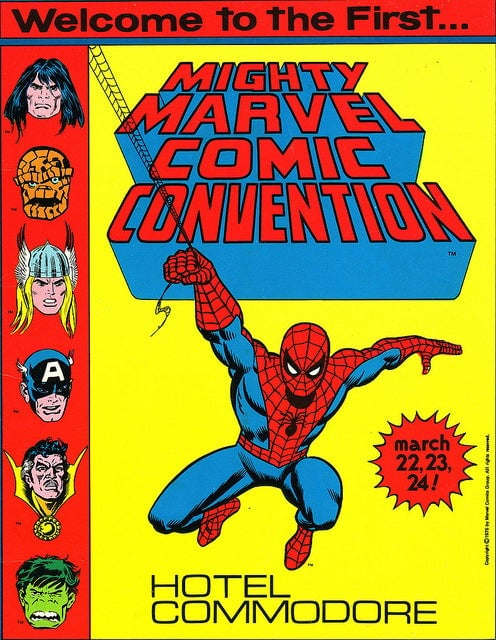
With comic conventions on the rise, Stan Lee thought it was only natural for Marvel to organize one of their own. The Mighty Marvel Comic Convention was soon scheduled for March 22-24th 1975 at New York City’s Hotel Commodore (today known as the Grand Hyatt). Phil Seuling, one of the earliest comic convention organizers, helped Marvel put everything together.
In 1975 Scott Edelman was a young Marvel staffer responsible for writing house ads, editing Marvel’s official fanzine FOOM, and putting together Stan Lee’s Bullpen Bulletins. When Stan Lee began planning Marvel’s first convention, he asked Edelman to help put together the official program. “Any convention run by a corporation you probably would have had the programming settled six or eight months in advance,” Edelman told Popverse during a phone interview. “It would have been done by a committee, not a 19-year-old kid sending memos back and forth with Stan Lee. We didn’t lock down programming until two weeks before the convention.”
Years before he grew up to become a comic creator, X-Men writer Fabian Nicieza attended the convention along with his brother Mariano. “I was thirteen at the time and I mostly remember dingy carpets, poor lighting, lots of people with t-shirts and stringy hair, the smell of old cardboard, and being in heaven,” Nicieza told Popverse over messenger. His brother Mariano added, "Conventions didn’t evolve in the U.S. into what we experience in modern times until the San Diego Comic Con moved from local hotels to the convention center and everyone pushed larger booth spaces and more elaborate exhibits. A better analogy for the Marvel Cons would be modern day shows in hotel ballrooms, with table space areas for every exhibitor.”
Sam Maronie served as the official convention photographer. Maronie had been writing the articles for many of Marvel’s black and white magazines, and supplied photographs. “It just seemed like people were there who really loved comics. They weren’t trying to get stuff signed to sell online. It was genuine affection for Marvel,” Maronie shared with Popverse over a phone interview. Many of Maronie’s pictures from the event appeared in FOOM, Marvel’s official fanzine.
Return of the King
During his keynote speech, Stan Lee surprised attendees by announcing that artist superstar Jack Kirby would be returning to Marvel. Kirby had visited Marvel’s offices a few days before the convention to cement the deal. An attendee named Rob Allen recreated his memory of the audience reaction on a message board forum. “Stan’s here! He’s right outside the room! Stan has someone with him. Who is that with Stan? It’s Kirby!! He’s here!! Kirby is here,” Allen recalled the crowd booming.
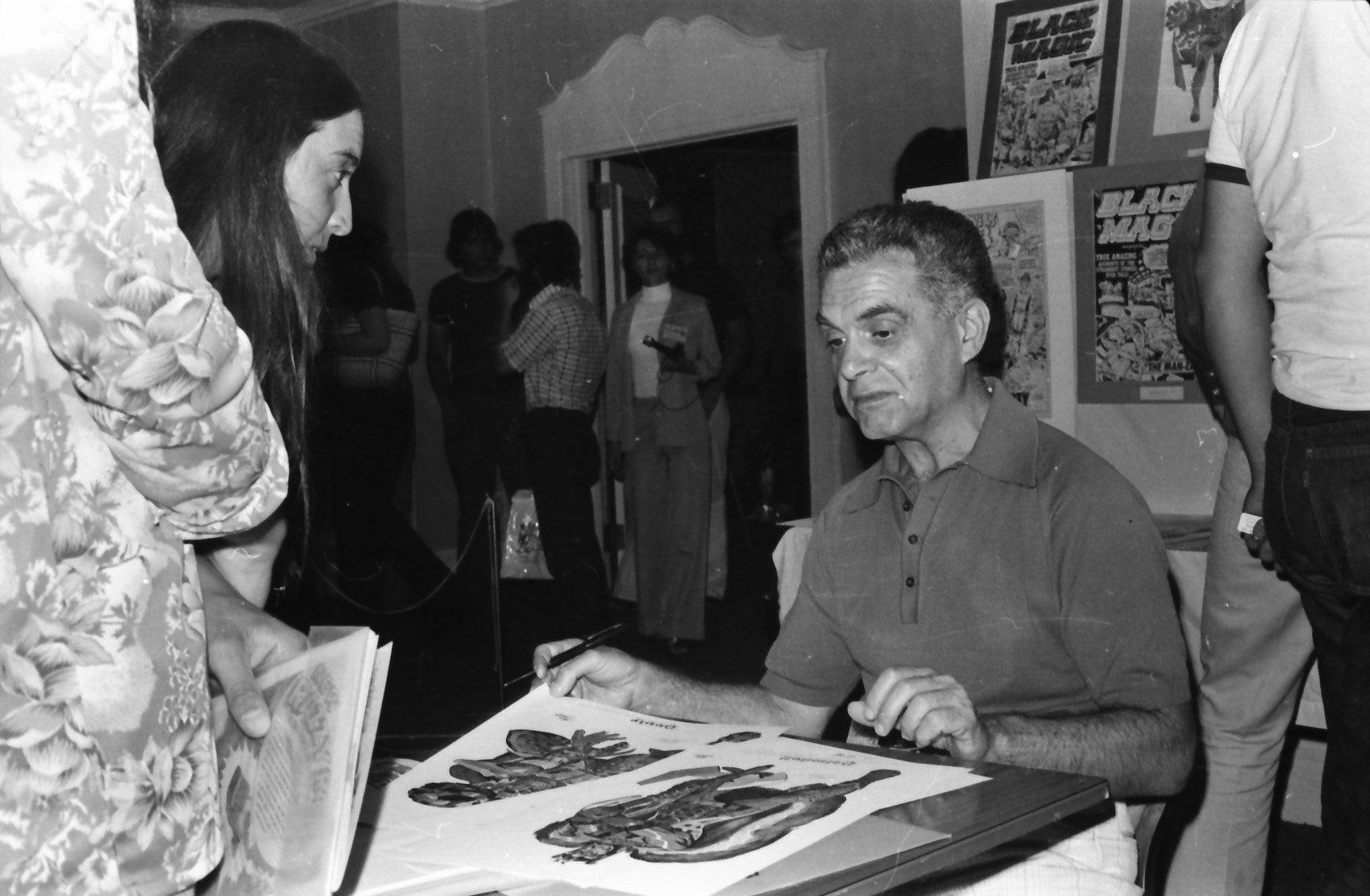
Jack Kirby, fresh from his tenure at DC Comics, promised attendees that his new work would electrocute them in their minds. “The big story was Kirby coming back to Marvel. The excitement was palpable,” Maronie recalled. “There was a big dealers room, Jack had his room, and there was the ballroom where Stan gave his keynote speech. The artists had their own room, which was a meeting room, where a lot of the bullpen members were signing autographs and doing sketches.”
Kirby spent the weekend chatting with his fans and sharing stories. “Jack had his own special room where he was selling prints. He was such a nice person,” Maronie shared. “Anybody there must be kicking themselves for not buying the pages Jack Kirby had on sale,” Edelman mused.
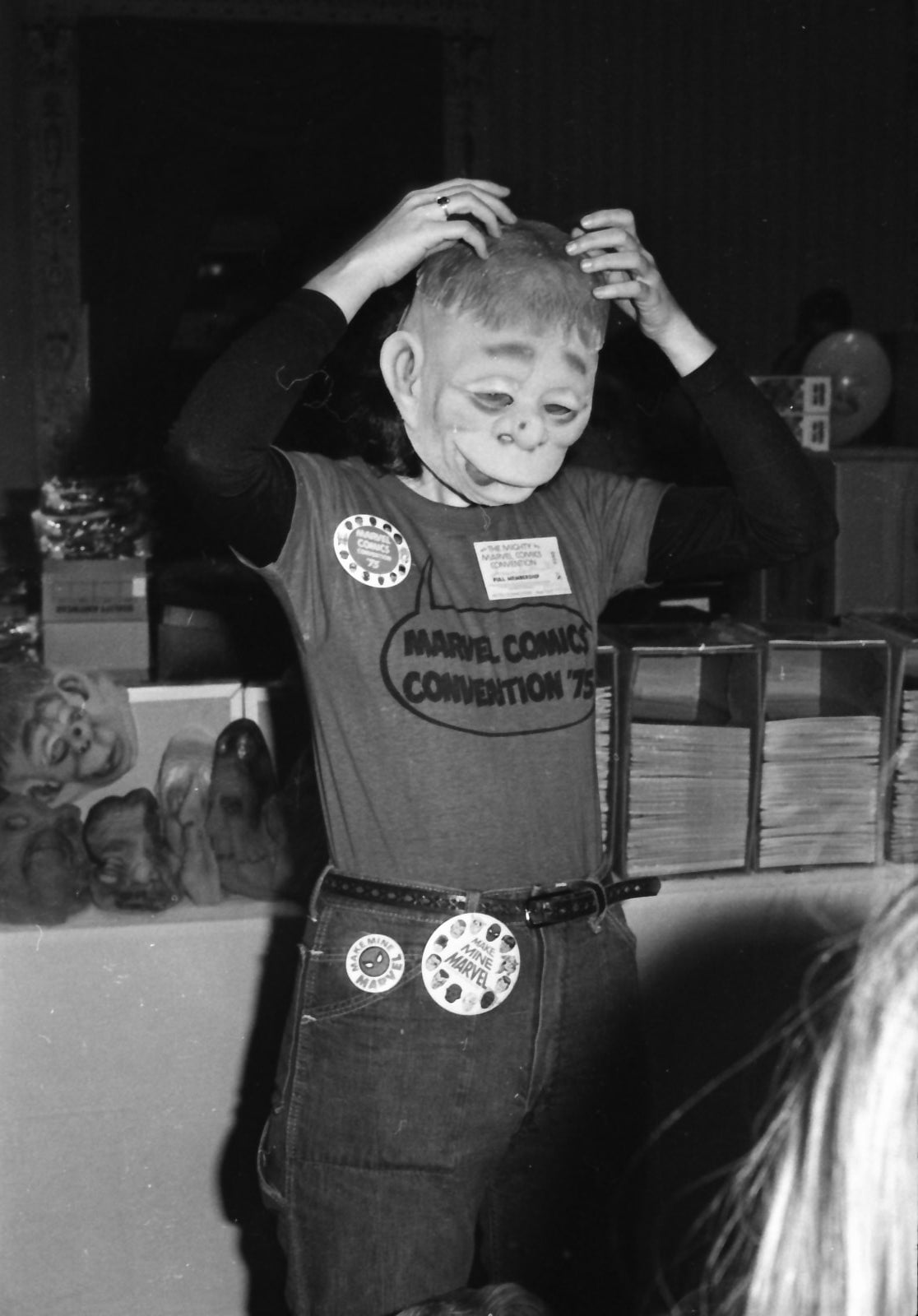
Unlike modern conventions, cosplay was less of a presence during this era. “Though there was some cosplay in early cons, I don’t remember any at the Marvel conventions,” Mariano Nicieza shared. “I remember a lot of people dressed as nerds. I’m pretty sure we dressed that way for the show too,” Fabian added. “We had an event in the evening where there were people dressed up. Of course, it wasn’t close to the level it was now.” Mariano recalled. A fan named Tom Watkins won first place in the costume contest for his Man-Thing outfit. His picture was published in FOOM for posterity.
At the time Marvel was based in New York City, which meant many of its writers and artists were close enough to attend the convention. Among those who attended were Roy Thomas, Len Wein, Marv Wolfman, Joe Sinnott, Howard Chaykin, Doug Moench, Herb Trimpe, Neal Adams, and many more. “The creators weren’t mobbed. These were still the days when kids were walking around with sketch books, and asking their favorite artists to do a sketch, and the artists would think nothing of it,” Edelman said.
Fabian Nicieza was one of the young Marvel fans who was in awe of the creators. “I remember nervously walking down the row of Marvel talent autographing comics and all we had was the convention program, so I got each of them to sign: Roy Thomas, Marv Wolfman, Len Wein, Bill Mantlo, Scott Edelman, Irene Vartanoff, and this one guy whose autograph was high on the flourish and once I got out of the line, I deciphered that it said Chris Claremont, but I didn’t know who that was… until a few months later when I bought Uncanny X-Men #94 and said holy crapola, this is the guy who signed my con book – he’s great!”
Although the convention celebrated the legacy of Marvel, Edelman was surprised at some of the vetoes Lee made to the proposed guest-list. “I suggested getting Joe Simon to show up because he had co-created Captain America, and Carl Burgos, because he created the Human Torch. Stan’s attitude was that they don’t work for Marvel anymore, why should we be promoting people who are publishing things for our rivals.”
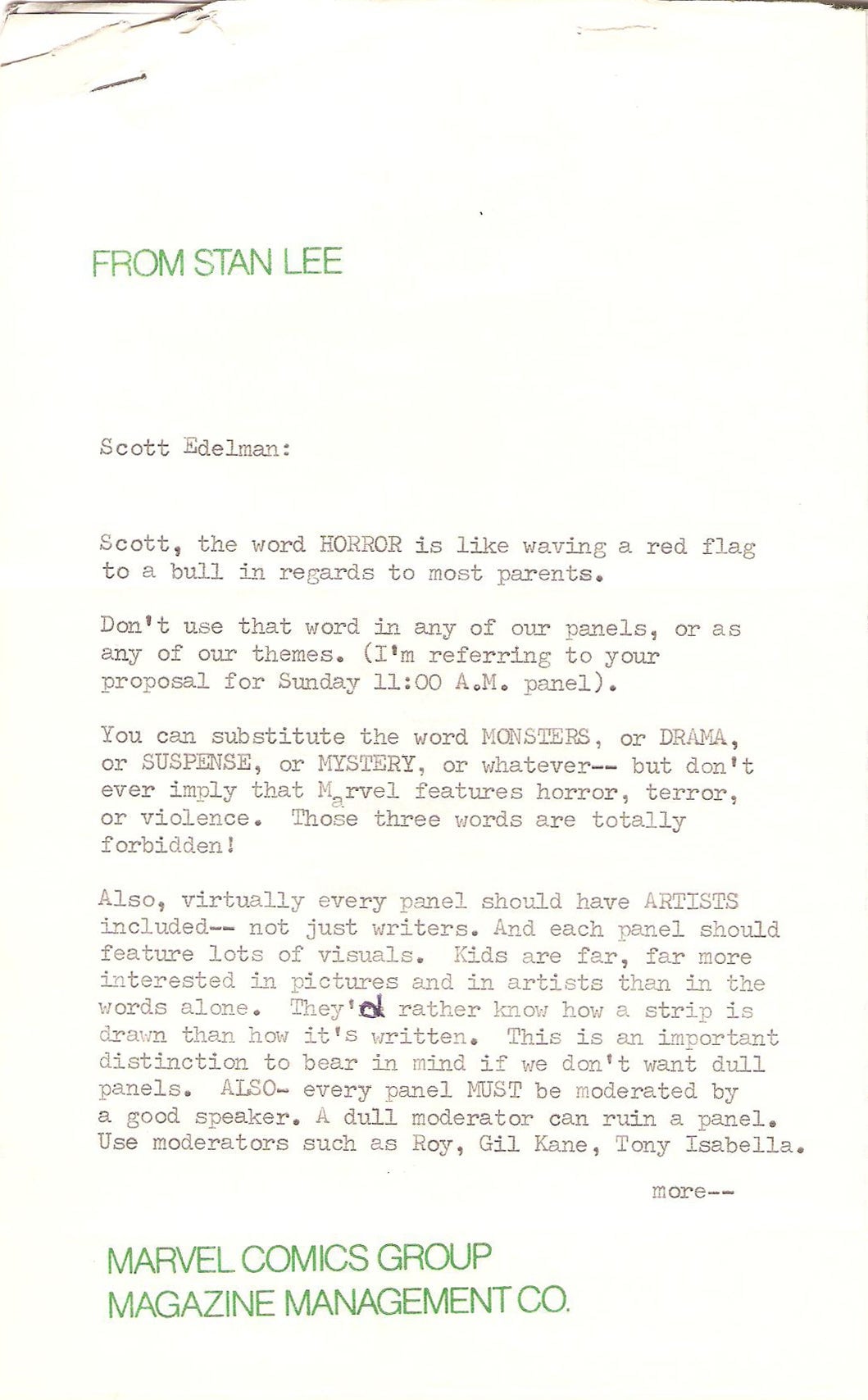
Edelman still has all the notes Lee gave him as they were putting together the program. “I was putting together a panel for the horror line, and Stan came back to me with a memo about how to phrase that. He told me not to use the word horror, use mystery. Stan had lived through Fredric Wertham and the rise of the Comics Code,” Edelman recalled. Another note from Lee expressed concern about scheduling a panel on Monday when children would be in school. “The Artists in the Bullpen panel would be very interesting for kids. I suggest rescheduling it for Saturday or Sunday. Is Monday a school holiday? If so, it can remain on Monday, but if not there won’t be enough kids attending,” Lee wrote.
“Stan looked at it as a populace thing. It would be young kids showing up who might not be interested in how the sausage is made,” Edelman shared. As Sam Maronie noted, some of the panels occurred spontaneously. “I saw Don McGregor do a thing I’ve never seen before. He had been doing War of the Worlds with Craig Russell. He just took some folding chairs off in one area, and a lot of the fans just sat around to chat with him.”
“The mood at the convention was like a party, because this was the first time all of Marvel’s people were there together at once. The focus was celebrating Marvel. I remember it as being very joyous,” Edelman said. “It all felt small, cramped and tacky, but it was the first time I’d been exposed to the collector’s market, boxes of old comics, creative talent and fellow fans, so it also felt magical to me as well. In a lot of ways, even with the glitzy overload of corporate engagement with the conventions, the best shows still feel this way to me,” Fabian Nicieza mused. Maronie recalled the calmer atmosphere saying, “Everyone was polite to each other. There was no pushing or shoving."
After watching the premiere episode of the Disney+ series Ms. Marvel, Edelman was amused by the differences between Marvel’s first convention and the fictional AvengersCon. “AvengersCon had a huge budget, with hundreds of people probably organizing it. The electricity bill alone would have been crazy. Nobody in costume was causing a disaster and causing displays to fall down. The fact that our convention came off cleaner than the one from Ms. Marvel is the best thing of all (laughs).”
1976: Marvel-Con ‘76
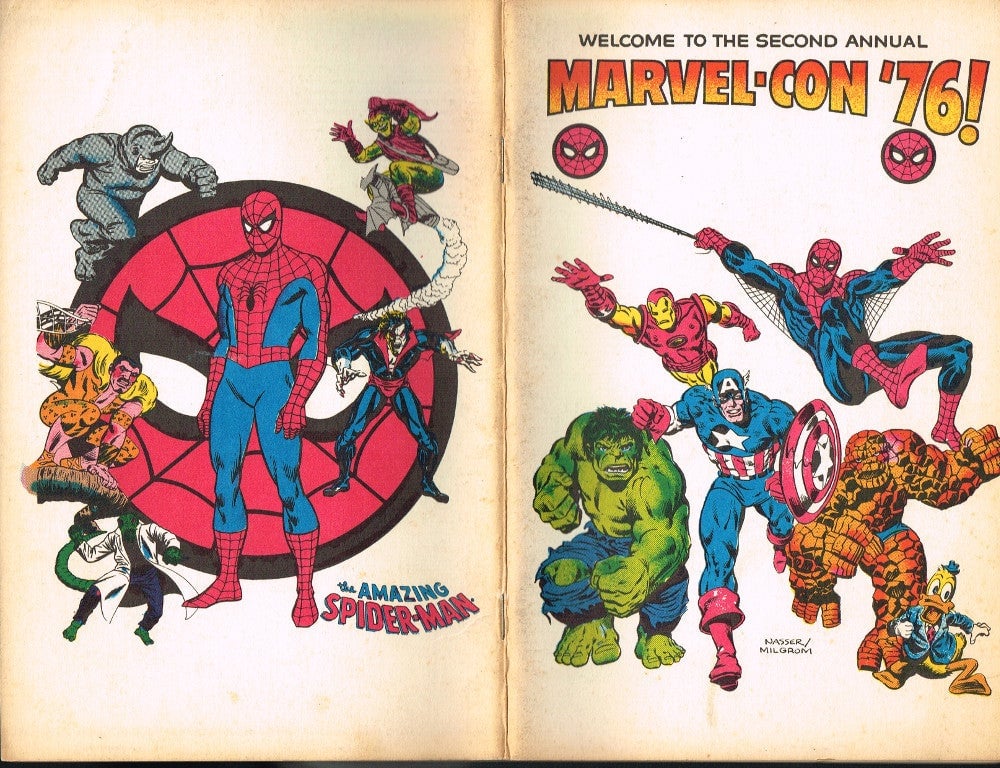
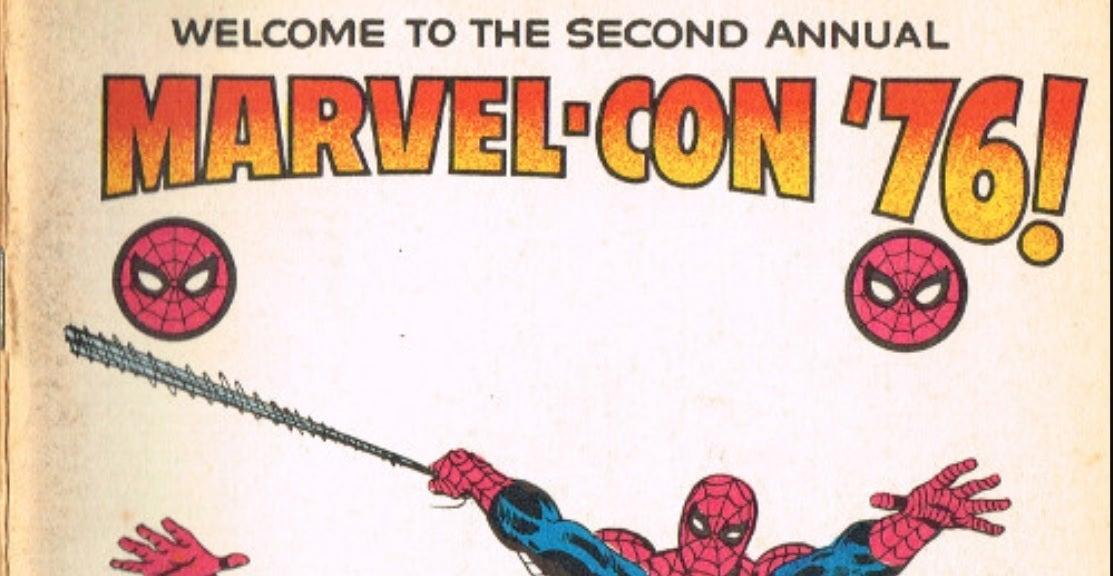
Energized by the reception the convention got, plans were made for another one. It wasn’t long before Stan Lee announced a second annual Mighty Marvel Con in his monthly Bullpen Bulletins column. The 1976 event was rebranded as Marvel-Con ’76 and held at the Hotel Commodore on April 23-25. A 3-day pass could be purchased for 10 dollars. Archie Goodwin, who had recently been promoted to Marvel’s editor-in-chief, noted a growing number of female attendees. “There seems to be more female fans now. When they first started having comic conventions, a girl was a rare sight. I see more and more girls now,” Goodwin told a news reporter during the event.
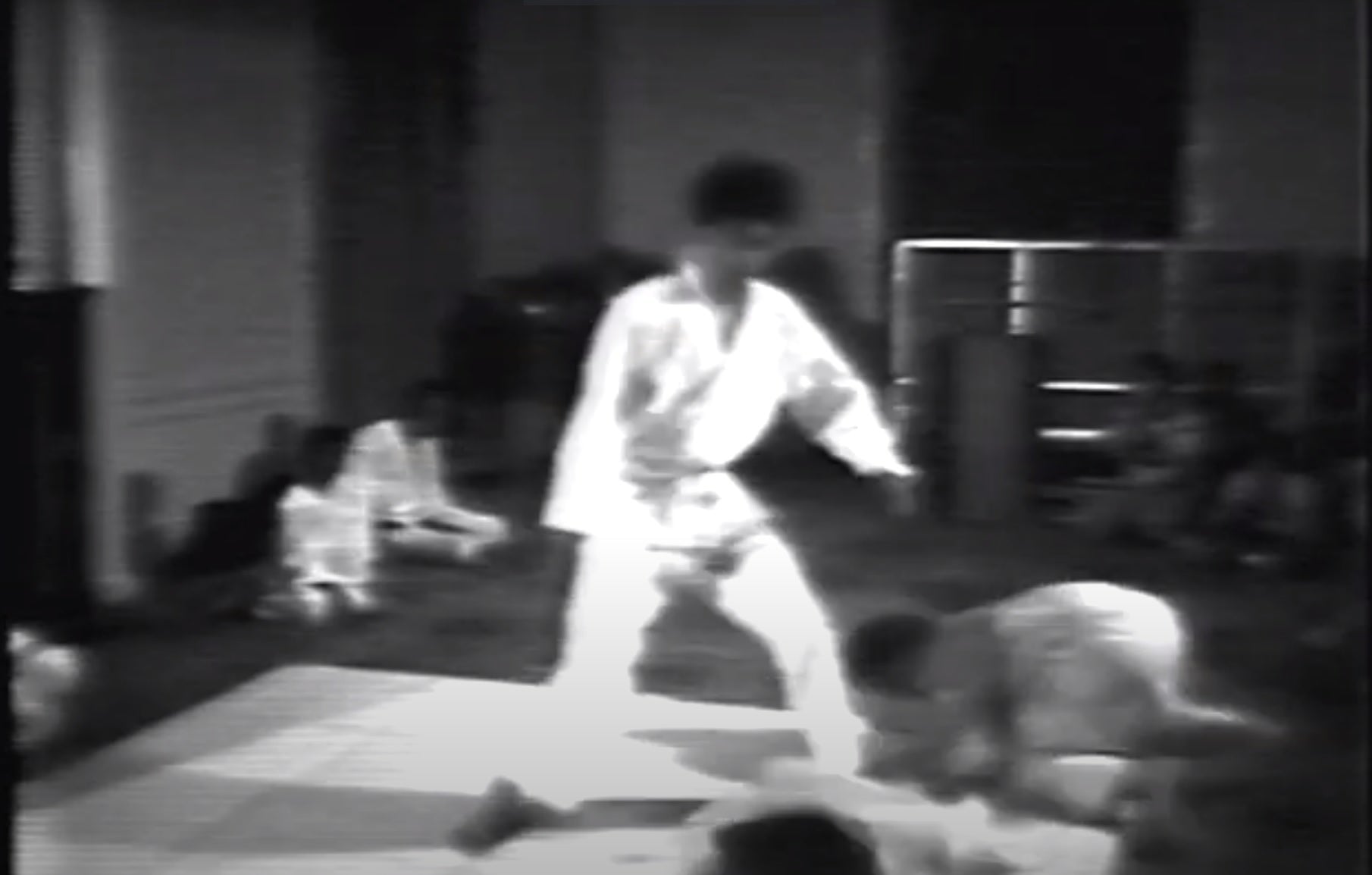
The 1976 convention also got creative by adding a live kung fu demonstration. By the mid 70s, the kung fu craze was in full swing, with martial arts movies dominating the box office. Marvel Comics had capitalized on the trend with martial arts heroes like Shang-Chi and Iron Fist. The kung fu demonstration was performed by young martial art students, who yelled out various battle cries such as “Now I’m about to kick the both of you jive turkeys.” Footage from the demonstration was recorded for a segment of an unaired pilot for a Stan Lee television project. It can be seen on YouTube in all of its 70s glory.
Of course, the program also had more traditional panels like an art lesson from penciler John Buscema. At the time Buscema had been operating his own school for prospective comic book artists, which made this panel an interesting advertising opportunity for him. A two-page ad for Buscema’s art school was also featured in the convention’s official programming book. “I remember the Buscema panel because he seemed like a larger than life figure to me. Little did I know that ten years later, I’d work with him as a professional where he seemed like a larger than life figure to me,” Fabian Nicieza recalled. During his live art lesson, Buscema sketched an image of Conan the Barbarian in front of a packed room. When the sketch was completed, thunderous applause filled the room. This moment can be seen in the previously linked YouTube video.
The convention program also included a costume parade and contest. The first-place slot was shared by two youngsters, one dressed as Iron Man and the other as the villainous Gremlin. The second-place winner was a child dressed as the evil Hate-Monger. Marvel also hired professionals to dress up as Captain America, Spider-Man, and the Hulk. The costumed performers posed with young fans, signed autographs, and recorded interviews for television. While the Spider-Man and Captain America costumes look fairly comic accurate for their time, the Hulk costume seemed to be a giant inflatable suit that looked like an oversized balloon. If you’re curious, this Hulk costume can be seen in the previously linked YouTube video.
The convention also screened the entirety of the 1944 Captain America film serials and a fan-film called Spider-Man Versus Kraven the Hunter. Attendees were able to read supplemental trivia about the films in their program books. The program books also contained text pieces on Marvel’s creators, the history of kung fu, a blank page for autographs, and a two-page comic about Spider-Man attending the convention. Mariana Nicieza recalled, “Chris Claremont, Len Wein and others sat at tables and autographed con program books. As a matter of fact, the 76 Marvel Con book published for the first time, the unused Steve Ditko Amazing Fantasy #15 cover (later to be colored and used on the cover of Amazing Spider-Man #600).” For those who are curious, the program has been scanned and is available to read online.
The legacy of Marvel-Con
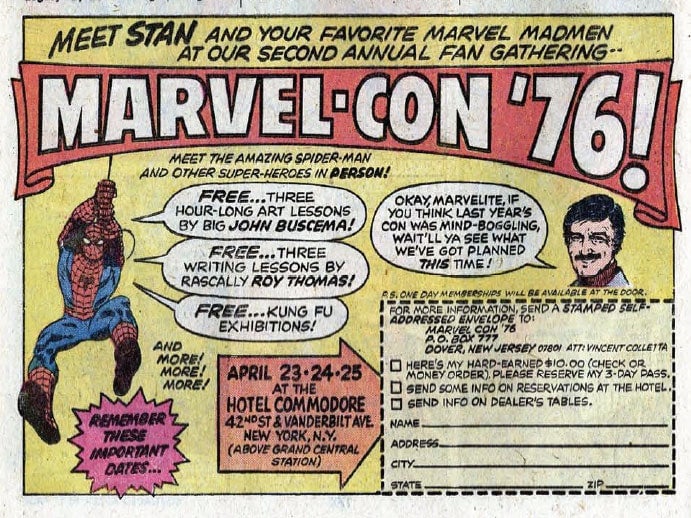
Despite the positive reception, Marvel-Con did not return for a third year. No reason has ever been given, but it’s possible that Marvel’s shifting priorities didn’t leave much time for organizing conventions. It’s also possible that Marvel just didn’t think it was necessary. After all, they had the option to exhibit at other conventions such as San Diego Comic-Con. Stan Lee was a popular guest, and he spent the decade traveling the country to speak at different conventions. Why use your resources to organize your own convention when you’re being invited to promote Marvel at other events?
Whatever the reason, Marvel stopped organizing their own conventions. Despite this, they’ve continued to be a big force on the convention circuit, and as Marvel’s television and movie properties have taken off, conventions like San Diego Comic-Con have become the launching ground for new projects. Nowadays, it’s not uncommon for Marvel’s convention announcements to dominate mainstream news cycles. Marvel might not have their own convention at the moment, but it’s clear that they are still king of the con.
The Marvel Marathon: Should we want to read every Marvel comic ever?
About Marvel Con 1976
Dates
-
Follow Popverse for upcoming event coverage and news
Find out how we conduct our review by reading our review policy
Let Popverse be your tour guide through the wilderness of pop culture
Sign in and let us help you find your new favorite thing.
Comments
Want to join the discussion? Please activate your account first.
Visit Reedpop ID if you need to resend the confirmation email.