If you click on a link and make a purchase we may receive a small commission. Read our editorial policy.
Manga’s global boom isn't slowing down, so BookWalker is rewriting the rules & revamping itself for the future [Popverse Jump]
BookWalker CEO talks the difficulty of publishing manga in the West, why the platform just split from itself, and how to become an "ascended weeb"

Light novels and manga are largely a product of Japan, but their audience is truly international. So much so that BookWalker Global, one of the biggest platforms for light novels and manga, recently had a bit of a divorce from itself. The newly launched BookWalker has been set up to help bring thousands of titles the English-speaking fans, and we spoke to CEO Sam Pinansky about what the new platform would offer readers, what would be different (not much), and what would stay the same (most of it).
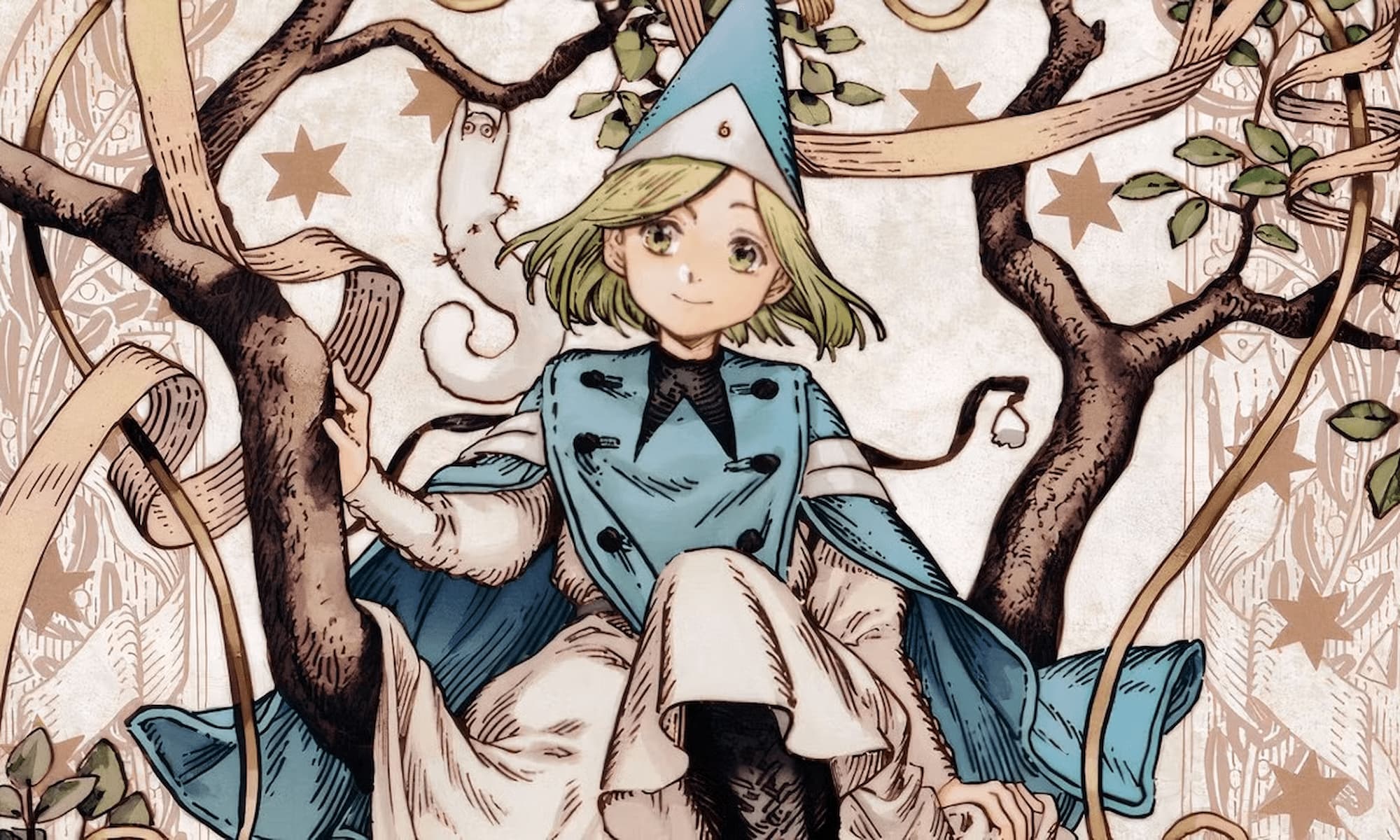
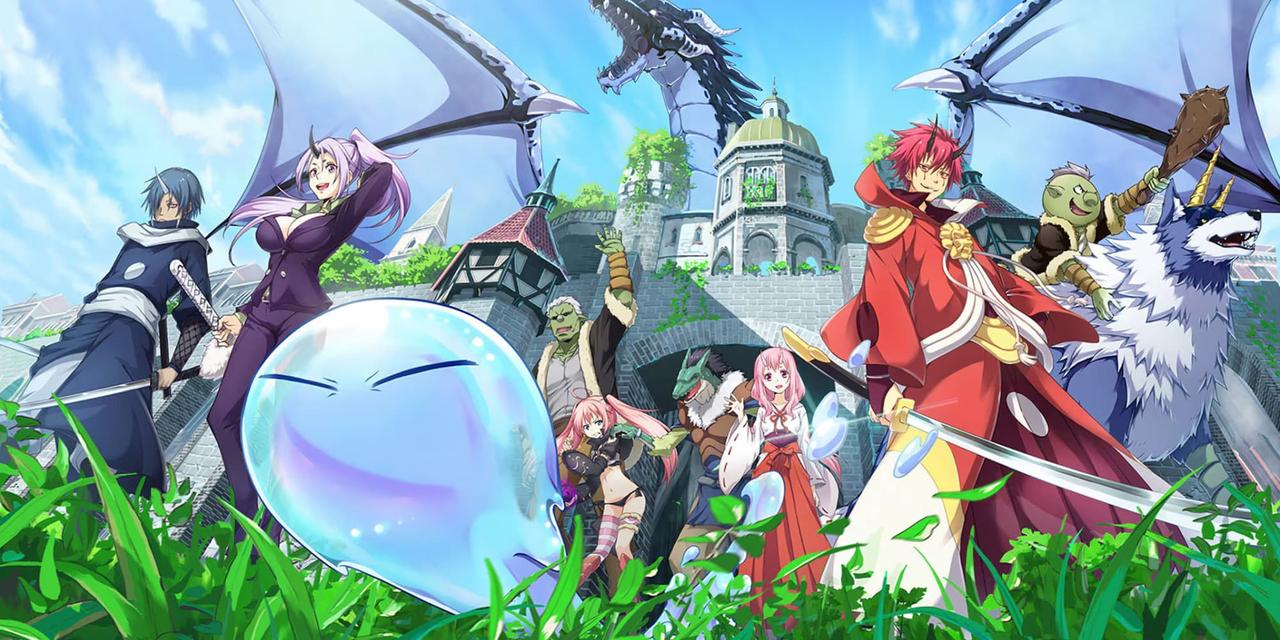
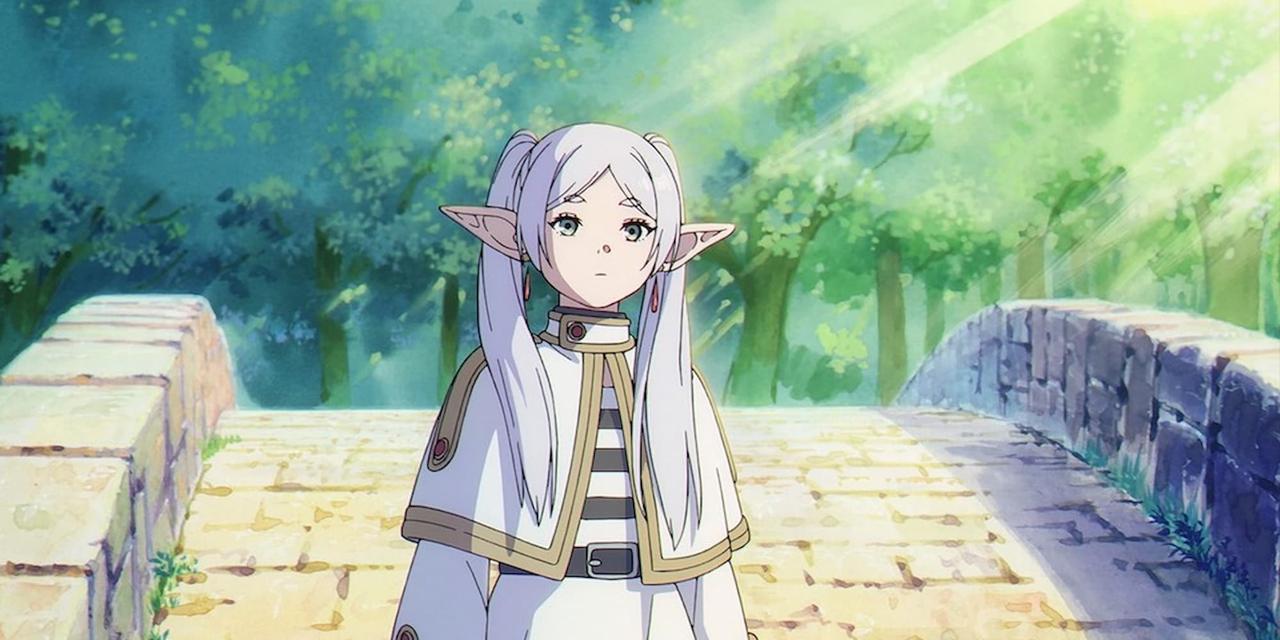
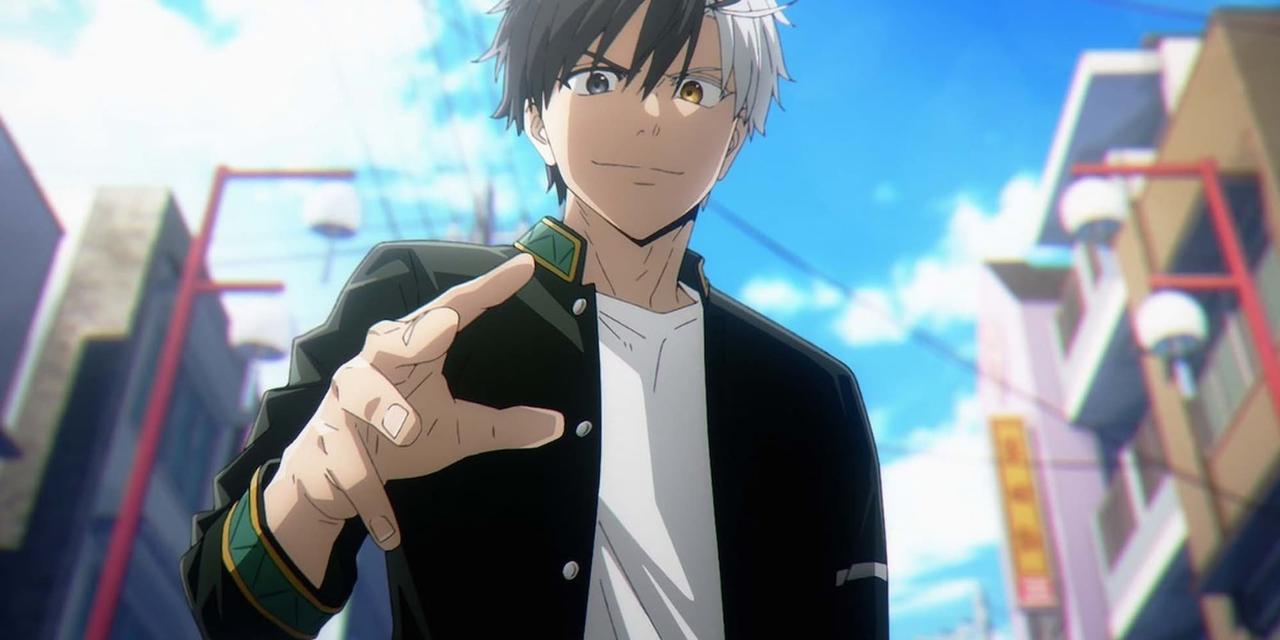
Our discussion ranged from the state of the manga industry to some of the things that made now the right time for BookWalker to give the international market a more intentional focus. The platform currently distributes manga, webtoons, and light novels for fans around the world. Some of their biggest titles are Witch Hat Atelier, Wistoria: Wand and Sword, Classroom of the Elite, and The Fragrant Flower Blooms with Dignity, but there are enough titles in their library that no matter your taste, they probably have something that you'll love.
In 2026, BookWalker made the dramatic move to split its Japanese and English-language stores. The new BookWalker, while still under the parent company Kadokawa, is the US branch that is separate but still connected to BookWalker Japan. As the anime industry continues to grow every year, more people are finding their way to the manga and light novels that spawned their favorite shows.
[This interview has been edited for clarity.]
Popverse: Sam, this is obvious a very big moment for BookWalker in the US, with the releaunch following the kind of, we’ll call it an “amicable split” from the Japanese platform. What gives you confidence in the success of the platform in an increasingly crowded manga and light novel industry?
Sam Pinansky: Well, first off, I think one of the things that shouldn’t go unsaid is that BookWalker, as a digital platform, is the largest okatu-focused digital manga, digital novel platform in the English-speaking market and has been for quite a number of years at this point. We care the largest selection of content and have been serving the community with digital ebooks for nearly ten years at this point. So, when it comes to the success of the platform, we’re starting, not at ground zero and we’re not doing a giant reset and starting back at the beginning. We really are already way ahead of the game, so its not so much about worrying about the success of the relaunch so much as working about the future success of the platform and how to maintain and grow our position in the market, right?
So I think the advantages that we come in with are incredibly important. The loyal customer base that we have that rely on BookWalker to purchase and read their content. And then the future users that we’re going to be able to attrack, I think are all very important for me having a lot of confidence in the success of the platform. If anything, I feel like those strengths have been under-utilized and it gives us a lot of things that we can build on. Another platform that’s starting from zero or doesn’t have the history or the library of content that we do would focus on other things and wouldn’t be able to have those strengths to build something up from ground zero. So, for us, I think we have a ton of advantages coming in.

Can you talk a little bit about the reason for the US BookWalker platforms' splitting?
Pinansky: Well, ultimately, the BookWalker global service was, to oversimplify it, simply a localized version of the Japanese BookWalker service, right? You took the website, you translated it into English, you started adding in English books, you hired a couple of people who spoke English, and you made an English ebook store, right? That, honestly, is kind of how it started, you know, ten years ago. Now, over time, of course, it developed its own sort of way of doing things and the department within BookWalker grew, and a lot of that is still in the new service, like the collection of employees also transferred over to our businesses that are running the service.
Although we’ve added new people like Isabell [Castro (senior manager, marketing)]and our director, Susan [McCulloch] as well, to help run the service, but ultimately the platform was an offshoot of the Japanese store and that also means that the developmental staff, the IT, and everything was focused in Japan. Just to give you a very simple kind of geeky thing about it, are you familiar with Google BigQuery SQL database services?
I have a computer and network technology degree, so yeah.
Pinansky: So the Big Query that BookWalker service currently uses as part of its service is local to Japan. It’s the Japan one, right? And that’s true even for the global store, right? Because it’s the same database, right? So, does that highly affect the speed of the service? Not really because BigQuery is actually only used for the end stuff, but, putting that aside, the point is that a lot of the decisions that were made and the things that have been done and the IT staff were designed for the Japanese system and the Japanese markets. So ultimately, being able to run and optimize a store for the global market, the English-speaking market that we are doing at BookWalker Global often requires significantly different choices, right? I think your readers at Popverse probably are familiar enough to know that what works in Japan doesn’t necessarily work outside Japan and vice versa.
This affects all kinds of things, not just the marketing. It is the pricing structures. It is the types of promotions that we are doing. It is the contracts with publishers and content providers. So, along with moving the business itself to being run by a non-Japanese company, but an overseas subsidiary like M12 Media, actually having the platform itself be separate is ultimately required. Otherwise, you’re always going to be hamstrung by things. There is always going to be this conflict between what is designed to work for Japan and what needs to happen for a global audience.
And that’s sort of the real broad-brush description about why we need to create our own platform. Then there are some other more basic things which are, from an economic perspective, if we want to invest in our platform and tech services, invest in new technology or systems. They hire developers, they use their own in-house developers, and they develop systems, and they’re able to enhance their business. With a platform being run by another company completely, we’re essentially renting it, right? And if we want to develop additional services or features, we can’t. That wouldn’t be investing in ourselves and the platform that we own. Rather, it would end up investing in someone else’s platform, and that’s not generally good as an investment. You want to invest in yourself.
So that’s another just basic economic reason. This wasn’t something that we realized just a couple of months ago, right? All this was part all part of the original plan, including moving the business over to M12 Media, and we’ve been working on this for at least a year at this point. Since the very beginning, as part of the entire package. Ultimately, we could have been doing this completely stealthily and not move control of the business until we had the new platform and just sort of launched it all at once, but for various reasons, we wanted to move the BookWalker Global control so that we could hire people, get everybody in place, ect, before actually launching the new platform. So, that’s sort of the way that we decided to do it in terms of the steps.
So that’s obviously from a business point of view. For your customers, for your fans, what’s going to be the big difference between the two?
Pinansky: The big difference is that there will not be any difference in the beginning. There are a couple of things I want to talk about that are going to be enhancements and new things, and we’ll get to those in a bit because we want to make sure that we’re always providing more services to the readers, but the thing that I want to tell our current users is that nothing fundamental will change, right? And that’s, I think, something that is really important to make sure that we get across. Yes, we’re completely rewriting the platform, but that doesn’t mean that you’re going to have to buy all your books again, or you’re suddenly not going to be able to buy something that you were able to buy before, or the way that you were reading your manga before is no longer going to be possible. The basic features and everything about the site are going to stay the same. I think we described before, but one of the only changes is going to be the fact that your Japanese books are going to stay on the original platform, but, aside form that, all of your English, your global books, as we’re calling them internally, will be transferred over to the new platform.
You’ll be able to very easily migrate your account with just a password reset in most cases. In some cases, if you never did set a password on the original account, then you would be able to use a migration code from your original BookWalker account, which you’ll then be able to migrate over your account and that will include everything. Your books, your coins – technically, they’re points on the current system and then they’ll be called coins in the new system. But don’t worry, it’ll be a smooth change there.
So yeah. Nothing too much is going to change about the new system, especially in the beginning. The types of sales and things that we’re doing are going to basically continue the same way in the beginning, so we’ll still have sales on books and discounts. You’ll be able to get coin back in some ways, where it gets kind of into the weeds if you watch the stream, but some promotions, like the ranking system, will continue on for a short period of time, for example. There are many things that we’re trying to do to make sure that it seems as continuous as possible.
Now, to actually answer your question, because I think you’re trying to get to what’s new, right? The things that are going to change is the look and the feel of the website is going to be much more modern. Much more is built on technology that is more flexible. The app is much better and is fully featured. In fact, if anything, I think the app is an even better experience than the web for reading on the current platform. And the readers themselves are new. So the software that’s used to read the books is newer, and that means they’ll load manga pages faster. The quality will be better in some cases. That's dependent on the quality that we receive from the publishers, but in some cases, the quality of the images will be better. And many other things that will basically make it a more pleasant experience.
And then finally, the other thing that I think we’ve talked about is that you will also be able to download your books using a DRM format called LCP, which is an open standard, and then be able to open them on any platform or any other software or e-reader device that supports the LCP platform, of which there are more and more every day.
This is a standard from Europe, which is used in many systems there and more and more in the United States and is also starting to be discussed as being adopted into Japan and other Asian countries as well. And it’s essentially a DRM format that enables people to read offline. It enables publishers to have control over their medium and make sure that people aren’t just uploading it without permission and copying it, but it still enables you to control the content that you purchased, which is ultimately, I think, what a lot of our customers are really looking for. So, if you buy a book on BookWalker and the publishers allow it, then you’ll be able to download it locally to your device and back it up. And once you open it once, I believe, and the license is checked and you use your password or Pass Key to unlock the file, then you can read it offline and it’s yours to read on that device or software forever.
I believe that’s one thing that is new about the system that we are enabling, which is something that people have been asking for for a very, very long time. Most of the custom manga/light novel platforms from other publishers, they don’t allow this kind of local storage or offline reading. On the other hand, platforms like Kobo and some other digital general ebook platforms do allow this for the most part and, in some cases, even offer DRM-free downloads from publishers that allow it and so we’re trying to position ourselves more as an alternative to Amazon Kindle, Google Play Books, iBooks, those sorts of stores, which are, you know, perfectly good systems for ebooks ultimately, but they aren’t systems for manga. They’re not systems for light novels. You know, they have terrible organization when it comes to chapters and volumes and they don’t know what to do with the metadata. They don’t care about the content as we do. And so I think that’s where we sort of differentiate ourselves. We are a digital ebook platform like those platforms with similar features, but that actually cares about the content and the ecosystem and the whole fandom that goes along with manga and light novels and the people who are fans of them.
I’m going to pick up on one thing you said, and that is when you mentioned: “if publishers allow the reader to download a local copy.” It’s not particularly surprising that not all of them would want that, but what percentage of publishers that you work with do you think are going to allow that or have allowed that?
Pinansky: We currently have approval from 98% of the publishers. And by that I mean all but one.
[Note: Senior Manager of Marketing, Isabell Castro, who was in the interview with us, then corrected Sam Pinasky by saying that the final publisher had recently approved the use of offline reading for BookWalker customers.]
Pinansky: The reason why I hedged that statement is because… let me say this. So at this point, we’ve gotten approval from everybody, which is great. But that doesn’t mean that a new publisher that we ask in the future is going to allow it. BookWalker… this is interesting. We are a platform that serves two audiences. We serve the customers, but we also serve the publishers. So our job at BookWalker is to be a really good place for publishers to sell their books on our store and to get their books out there and to get their IP and everything that publishing companies want to do. And we want to be a good partner for them as well. And I think you can agree that publishers have very different ideas about how their content should be consumed by people, right?
Some publishers are really open to some ideas, and some publishers need to be convinced, right? And we have to balance that, of course. And I think we do a pretty good job of that, actually. We could have just said, ‘Hey, we’re going to have DRM-free downloads,’ and then 95% of our library would disappear. So we have to balance that kind of thing, and I think the best argument that we can make to publishers to give more freedom to readers and the fans is a successful store and a successful business. It’s the royalties that we pay back to the publishers, which is a pretty high percentage in the industry.
Money is important here too, but I think that ultimately it’s not just about the money. It’s about how we promote their books. So the types of promotions that we’re doing with publishers. One thing that is [good] about the new system, going back to that, we have a homepage which is much more flexible ultimately and will be able to be updated more easily with different types of content, highlighting different types of content. For example, we can easily change that and swap that out and that’s not something that was so easy to do before and that can enable us, for example, if a publisher is like, ‘Hey, you know, we really want to highlight all of our amazing yuri manga for the month of June,’ and then we can work with them. We can say, ‘Hey, yeah. We’re happy to put those books on the top page, help boost their sales, work with you in the newsletter and things like that.’ Working with publishers in that way.
Those ways, as well as another way that we can convince them that working with our platform and working with our readers through our platform is a great way for them to do business and to promote their books and make their books more successful. So, glad to hear that we finally got an agreement from the final publisher, which was an important one, I should say, but I’m glad to see that they have agreed ultimately.
Do you mind if I ask what the last holdout was?
Pinansky: No, I’m not going to reveal that.
I didn’t think you would, but I had to ask.
Pinansky: Well, I’ll say this. This will be the little titbit. It wasn’t the US side of the publisher that had an issue. It was the Japanese side of the publisher that had an issue, and then we managed to convince the Japanese side ultimately. So good job. There. That narrows it down to only, I don’t know, 35 or 40 publishers there.
Yeah, I was going to say that doesn’t narrow it down very much.
Pinansky: Ultimately, the Western publishers, the ones that are actually just in the West, they’re usually perfectly fine. And honestly, there is very little argument you can make against the LCP DRM because it’s used in stores like Kobo or will be used in stores like Kobo in the future. It’s a standard type of service. The only reason I think any concern was raised at all was that it’s new, and so they just wanted more documentation.
So they wanted the technical specification, those sorts of things. And then they had to pass it by lawyers, and so it took a little bit of time, but I’m glad to see that all worked out. Now, maybe there's even more freedom we can offer with some publishers, but that’s something that we’ll have to work on in the future. I think, like I said before, what the consumer wants is the confidence that the content they purchase is theirs, and they know the rules ahead of time when they purchase the content, right? What they can and can’t do with it, how they can copy it or back it up. And as long as those rules are clear and are enforceable not just by us but by outside bodies and outside standards, then I think that’s something that will give consumers the confidence they need to actually spend money on it, which is ultimately what helps us.
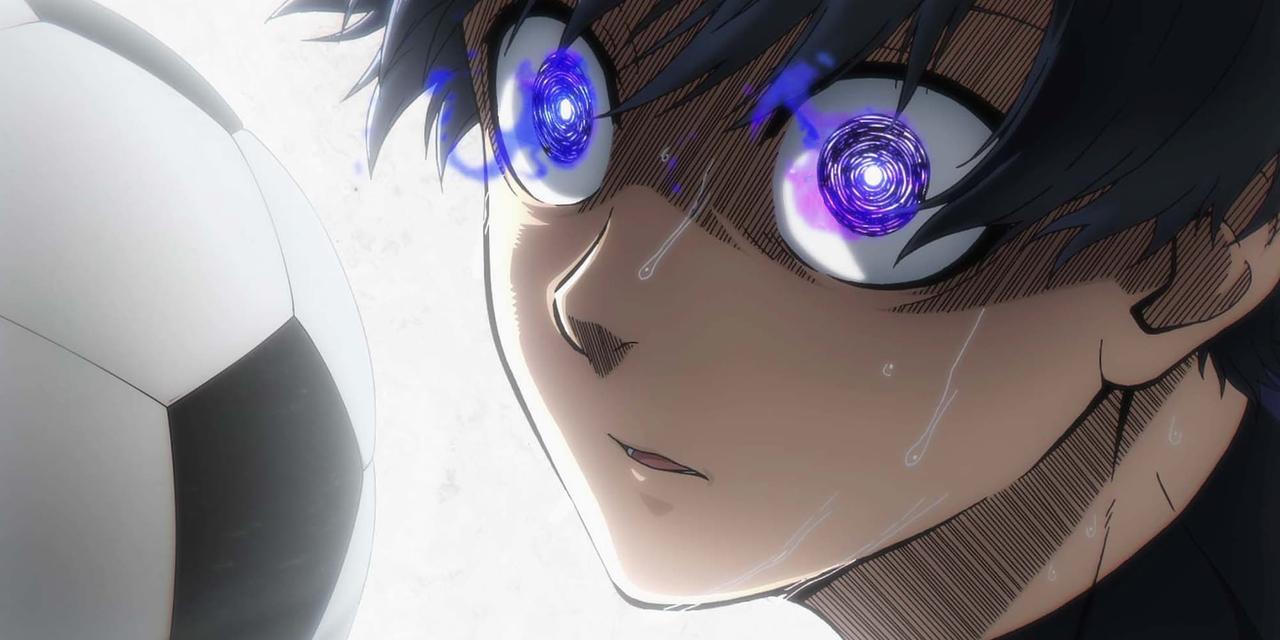
I understand that you’ve been involved in the manga industry both as a translator and now as a publisher. How would you say things have changed in the industry in, say, the last ten years or so?
Pinansky: Okay, well, ten years, I’ve been in the manga/light novel industry for ten years. I was a translator before that, even. I was translating anime primarily. I was a simulcast anime translator. My actual experience translating manga is very limited. I translated a long time ago. I used to work for Tezuka Productions in Japan, and I actually translated some very obscure Tezuka manga that had never been translated before. I think it was called the Adachi-ga Hara, and some other things.
You know, Tezuka has hundreds and hundreds of series that he did over the years, and there are still ones I think that might not even have official English translations yet. And I just happened to work on some of those, but that was sort of my only actual manga translation experience.
But going back to your question, over the past ten years and specifically with the publishing industry, it’s interesting because I would say that COVID had an incredibly large impact over the past ten years. I mean, sort of obvious and it is true for publishing as a whole, of course, but, you know in 2020, when Covid happened, there was a huge influx of readers and readership both on the digital side and the print side due to people being stuck at home and it took many years for that to sort of go back down to baseline. Now I think we are back down to sort of the levels where Covid no longer has a direct effect.

But in many ways, that effect is with us in terms of the zeitgeist in the entire culture. I think manga, prior to 2020, in 2015/2016, we’d already long gone past the era of borders and when print was really the only way to access your content, and branched out into digital by ten years ago, but it was still very nascent in many ways. People weren’t reading manga digitally at all. Well, not “at all” but there wasn’t a good way to read it digitally, really. You could get it on a Kindle, but the reading experience was terrible, and the reading experience on phones and tablets was not good either back ten years ago. The software wasn’t there, and ultimately, people wanted to be able to have a nice, relaxing experience reading manga, and print was the best way to go about it.
During COVID, there was a huge interest in both print and digital. You had surges of people that sort of heard about manga, maybe were exposed to it through anime, like a little bit, go and try it out. And many of those people have stuck around or diversified into other types of similar graphic content, whether it's webtoons or non-Japanese manga like manhwa and Chinese manga, and it’s really sort of, at this point, matured.
I think that burst of interest has, it’s shrunk a little bit. Like the people around the fringes have fallen off as you would expect, but then that core that remained didn’t just stay manga fans. Now they’ve sort of become fans of similar mediums or a particular genre within manga, and they’ve matured as a consumer, so to say, “Oh, I’m going after a manga fan” is just too simple, just too simplistic. It’s a more complicated fandom than that.

There are fans of particular genres. There are the isekai lovers and the yuri fans and the people who are coming in from the anime because they just want to know what happens next in the story. There’s a whole rainbow of people who are interested in this type of content, and it’s really turned from a genre into a medium and that provides a great opportunity for us at BookWalker. We’re not selling a genre of book. We are selling a medium of books, graphic novels, and, of course, light novels, which I’ll get into in a second as the second half of the answer. And that means that we have the ability to tap into all kinds of genres. Whether it’s more realistic stories, there are some manga about war and societal issues. And then there’s manga that’s like half non-fiction essays that are really popular, about people’s struggles, or there’s manga that speaks tot people’s struggles in their everyday lives.
And then there’s the wish-fulfilment manga for every possible wish-fulfilment you might want. There are all kinds of things that we sell that people are interested in, and there’s even more that we could be selling that we could have in our store that would appeal to an even wider audience that maybe was birthed from the initial burst of popularity from COVID, but has now wandered into all kinds of different territories. So that’s the way I see the arc right now. Everybody’s just struggling to come to meet demand in the 2020s and 2021/2022, and there was a huge proliferation of English-translated manga from all kinds of people. Some of it is high quality, some of it is really poor quality. Like, people are just trying to get stuff out there, and now I think you have to be a little bit more thoughtful about it and say, “Okay, what is this audience looking for? What is this audience looking for?” And I think a lot of publishers are doing that.
We’re seeing a bunch of small publishers pop up just for one particular segment. This is true in the publishing industry, too. I don’t want to say that this is just for manga. Like, look at the rise of romantasy, for example, which has been part and parcel with, I think, the COVID Effect. And then there are probably many other subgenres of publishing which have a bunch of small publishers that are doing really well in their niche right now, and I think manga is doing that as well. And graphic novels.
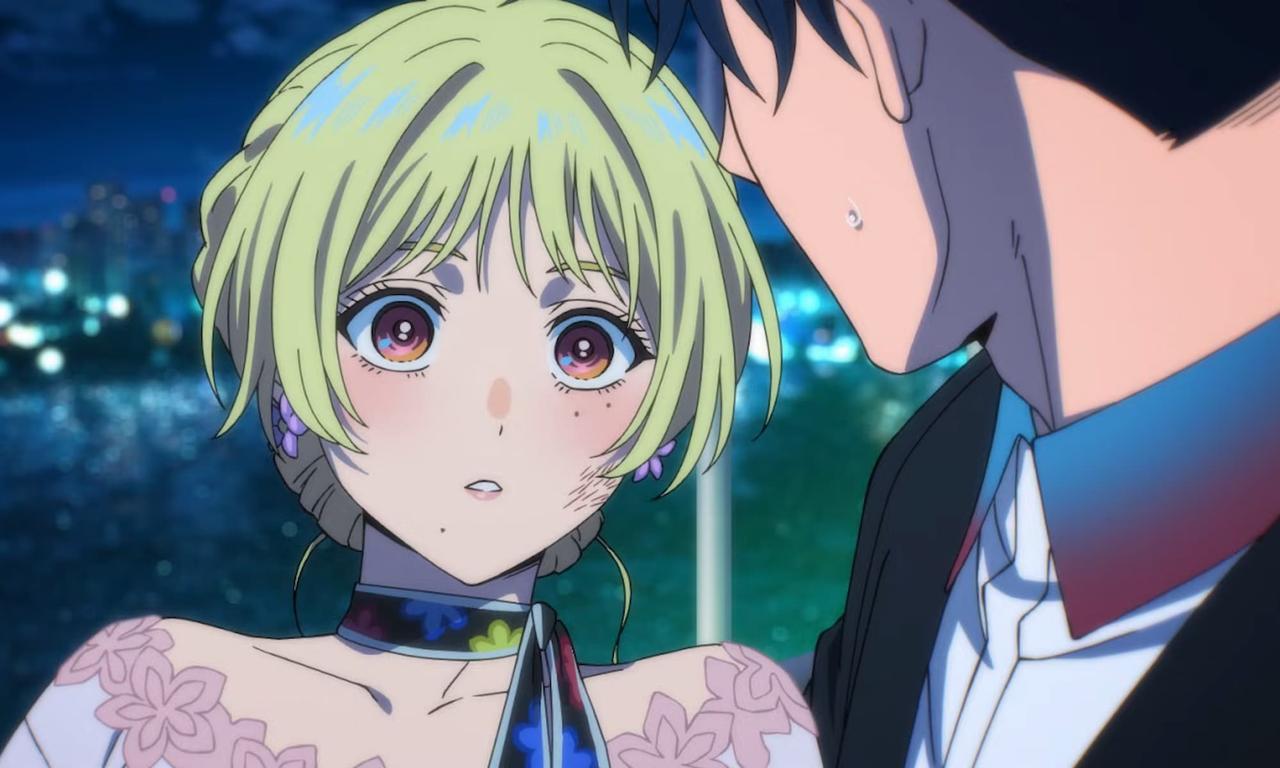
Now, on the corollary to that, and I don’t want to say that this is a lesser thing. Light novels, which BookWalker is by far the leading retailer for, and of course, the other company at M12 Media, J Novel Club, are our bread and butter at J Novel Club. Light novels also got a huge boost in popularity due to COVID and digital novels in general. And that has, if anything, sort of stayed a little bit more popular than digital manga, and I think that’s because there’s just less availability of those books in print.
And that is also really crucial to our brand at BookWalker. I mentioned romantasy as just an aside, but, in many ways, light novels do have some illustrations in them, but for the most just novels that appeal to the same kind of light reading genres are a really important and fundamental part of the reading experience that we want to make sure that we’re not forgetting about at BookWalker. So we’re going to go after a publisher that publishes those types of books, and maybe ones that are not just originally in Japanese, but original English light novels are starting to become more and more popular. Publishers like J Novel Club are publishing those. I think there’s many independent authors that are publishing their own stuff now, sometimes through other publishing houses. So there’s a wealth of content that is all part of this genre that we want to serve at BookWalker Global. And it’s going to be difficult because its kind of spread out into a bunch of different subgenres. That’s why we have to look carefully at what our audience is looking for and then respond to it rapidly. As a business, we want to go out and get the content that people are looking to read.
What does your team look for in that next light novel, that next manga, that you think is going to excite readers?
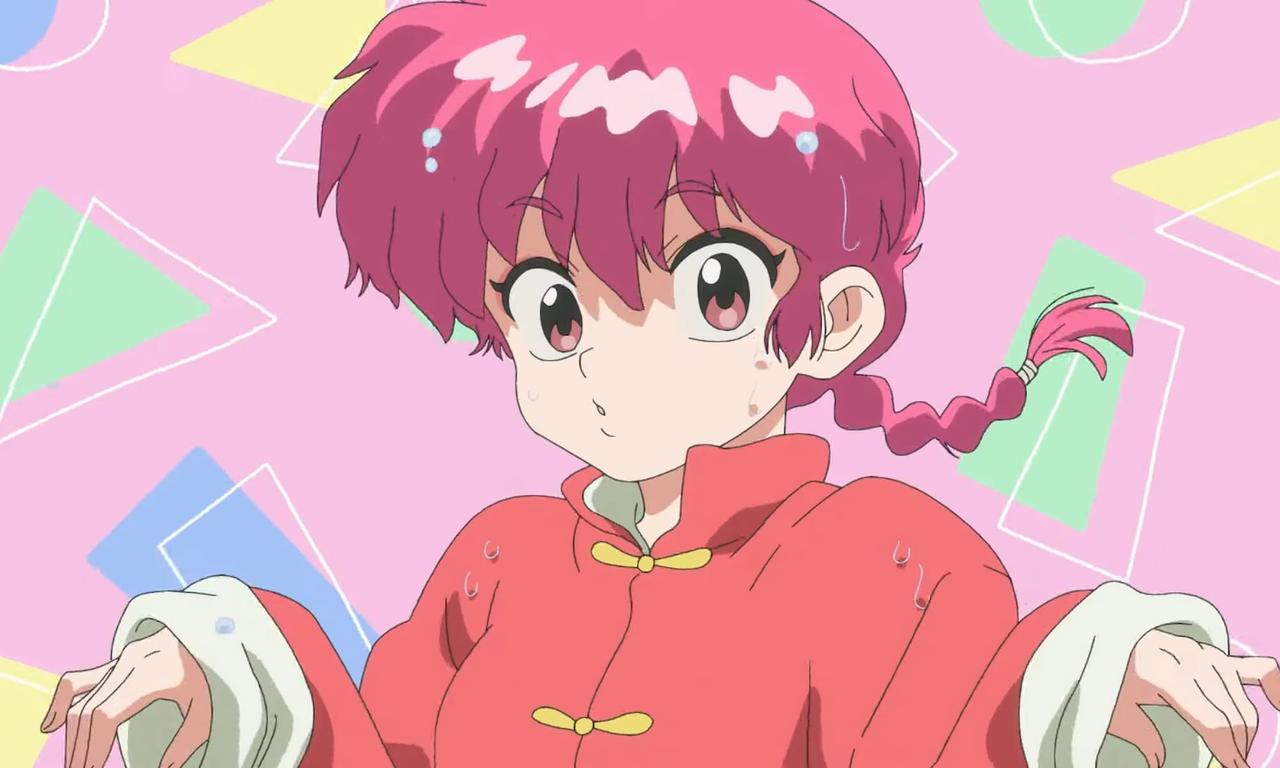
Pinansky: Well, the first thing we look towards is the publishers themselves. If a publisher comes to us and says, “Hey, we’ve got this book we really think is going to be the next big thing,” we want to partner with them and say, “Yeah, we’re going to help you do that.” BookWalker itself is not a publisher. We’re a platform. So we have less control over the books that are published, but we do have control over which publishers we add to our store, for example. And at this point, we have coverage of almost every manga that is legally published in English. Not everyone, but we have almost all of the manga publishers that are legally available in English, and we are happy of course, to add anybody else. So, at this point, we’re kind of branching out to publishers that publish books that are not necessarily originally in Japanese because we already have those.
Publishers of books from Korea and China. Publishers of books that are originally in English but are manga-inspired or comic-style, but still aiming towards the same audience. And through 2026, I think you’ll see more and more addition of those types of content to BookWalker as well. And hopefully, I believe our audience, it’s going to work both ways, but our existing core audience might find something that they’re interested in reading, that they maybe wouldn’t have been exposed to before, because they’ve just been focusing entirely on their Japanese otaku niche. And then vice versa, maybe we can bring in some fans of these other types of works that hadn’t tried classic manga before or didn’t even realize that this stuff kind of existed, and they could come on BookWalker’s platform and be exposed to so much more of the traditional content that we sell. So we want to expand the audience that’s using our platform, and also expand the audience of content that our existing users are exposed to at the same time. We think that’s really the key to the growth of our platform right now. As people’s interests expand, we need to expand our wares at the same time.
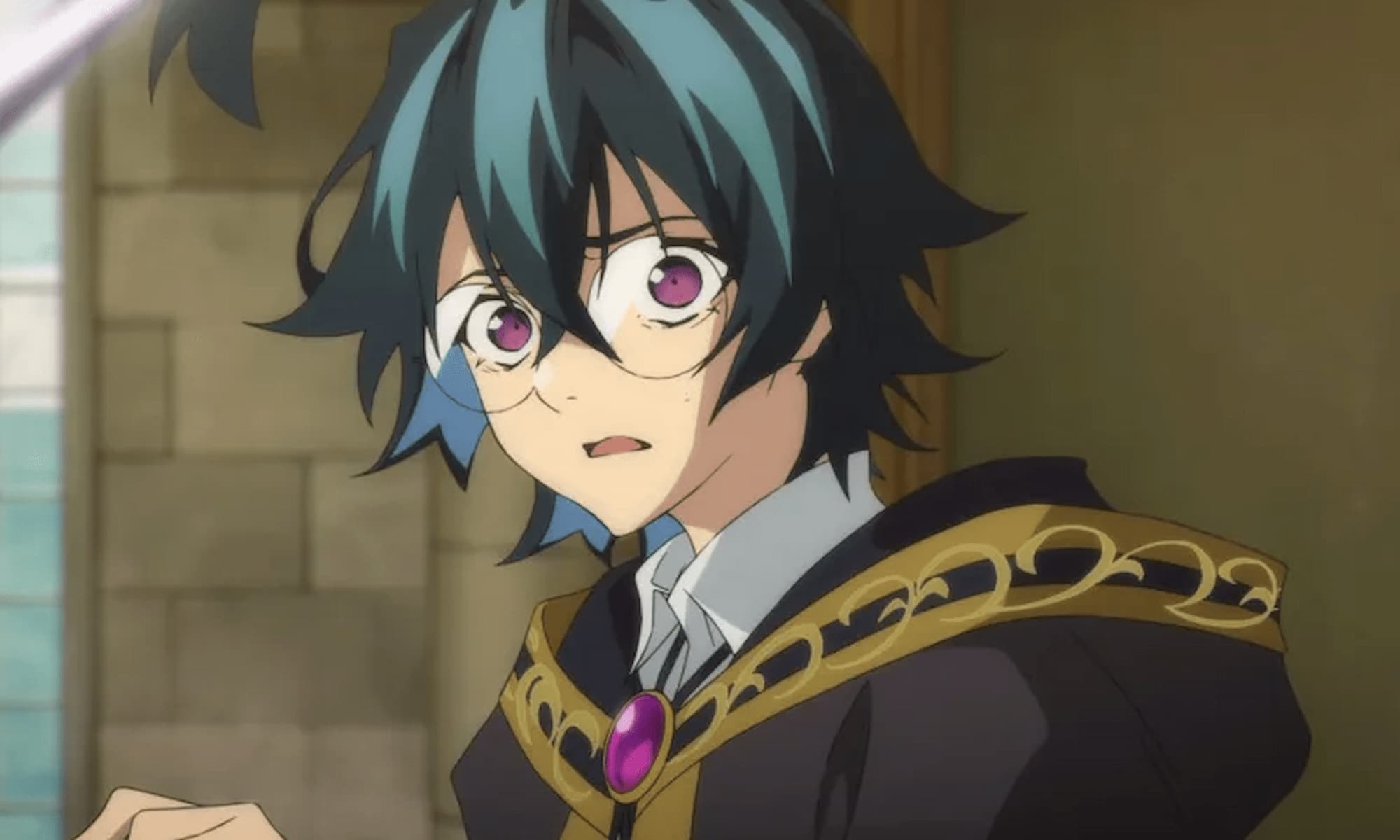
I think it’s fair to say that Japanese pop culture is having a bit of a surge in the West in popularity. What do you think drives the typical manga and light novel reader in North America?
Pinansky: You know, we can definitely talk about that. There are definitely demographic similarities that we could talk about, but I think what’s more important to realize is that manga and – not just manga, but all types of content we sell in general – is a subset of social reading, is what I would call it.
We have people who don’t just consume things in a vacuum anymore. They’re consuming things on the internet. They’re talking about it with their friends. They’re posting about it on social media. They’re doing it in real time as new chapters come out. It’s media consumption that’s not just one way anymore. What’s interesting to me is that’s not different from the way people consume giant franchises like Star Wars or whatever. But the thing that differentiates the people who enjoy manga and these types of things is the sense that it’s a small, tight-knit community, too. That you don’t get with these giant franchises where everybody in there is screaming about things on the internet. Here you have this, I wouldn’t call it counter-culture, but a subculture feel while still getting that same kind of social media consumption interaction. And that works because manga has lots of tiny subgenres in it where you can find like-minded people that enjoy similar types of things that you also enjoy, and discuss with them or talk with them and also consume media in a way where even in some ways it even works if you’re not actively participating. I know this is maybe my own personal bias but if you read something and you really joy it what happens next? Before you talk about it, you just see what other people are saying about it.
That’s what people – and I don’t know if this is just me, but people these days – they want to Google about it. They look for reaction videos about the thing that they just saw. That’s not necessarily like you talking about it on the internet, but it’s still interaction in that way and manga and light novels and Japanese fandom enable people to feel a sense of community for their media consumption, for their manga consumption, that I think works. And in many cases, other types of entertainment don’t scratch that same itch because those communities don’t exist in the same way online. And yet they do. And maybe we could ask, how did they form in the first place? Well, that’s a long history. You could go back 20 years ago, when you had the anime clubs at colleges trading VHS. Is that 20 years ago or is that 30 years? That’s 30 years ago.
Jesus Christ.
But the point is that maybe the reason why these communities are for this particular fandom are so welcoming and so inviting to that kind of thing is that it really does go back a long, long history in terms of how they developed in the first place. But now they’re there, and they are providing this outlet for people who really need it in a world where everybody is constantly online and interacting with a million people every day, finding people who actually feel like a sense of community is increasingly difficult. And by reading certain types of manga and discussing them or just reading other people’s discussions of them, you give a feeling of community that you can’t get in many other ways these days.
What would you say are some of the big challenges to manga distribution and publishing outside of Japan at the moment?
Pinansky: Well, the biggest challenges… that’s an interesting question. This is going to be not really from a consumer perspective thing, but it's from more of a business perspective thing. So I don’t know if [Popverse readers] are interested in this or not but publishing in the West is very much set up on cycles that have long histories and releases and there’s something call the Buying Cycle where you have three seasons and you make catalogues of books and then authors go on book tours and there’s promotions and buyers have certain budgets.
And then you have manga, where you have a new chapter every week. Or every month. And publishing systems in the West are just not designed for that. They really aren’t. From the very fundamentals like releasing things chapter by chapter, just doesn’t make sense for books in the West. And this has been a struggle for publishers at every single level. The entire editorial group construction of a publisher is designed in such a way that there’s a months-long cycle between starting a book and publishing a book, and you don’t have this kind of chapter-by-chapter sort of thing. This is going to my experience with J Novel Club. When I created J Novel Club, I basically threw all that out the window completely. I said, “We’re not a publisher.” I basically created J Novel Club mimicking the structure of a fan subgroup. So maybe you’re familiar with old-fashioned anime fan subbing groups. We were having to go out and translate an episode of anime in like three hours because if we didn’t do it, some even worse person or group would do it. And so we were designed for this weekly cycle of getting stuff out there for people to consume.

And I ultimately designed J Novel Club with the same digital-first mindset. Most publishers are not designed that way at all. So publishing manga one volume at a time has been the way it’s been done, but it’s just not the way that people are consuming it anymore. Let me go ahead and praise another company while I’m here. Publishers like Viz, for example, these days, they are really good at pushing out new chapters of their manga as soon as they come out in Japan and pushing them on their own platforms and other platforms and making sure that the customers can read them and there’s no excuse to pirate Viz manga anymore because they’re really like out there, right? And they’re being published in their site. And I know from my experience in the industry this took a decade for, at all levels of that company, to completely reorganize their editorial departments in order to accomplish this. Both on the Japan side and the Western side. There are huge amounts of work that had to be done to completely change their systems, their workflows, their editorial workflows to make that. And most publishers cannot afford to do that.
It goes down to even just basic things like software. Like, software systems. I think Viz ended up creating their own completely customized system internally to handle that kind of stuff. At J Novel Club, we have our own customized system to handle weekly releases. For example, that stuff doesn’t exist on the marketplace for publishers. There’s plenty of software systems that handle royalty calculations, right? But the majority of them are based off a business model where you pay a certain amount of money, a certain fee per title that you publish per month to use those systems. Now, suddenly, you’re publishing chapters instead of volumes. Your fees just went up by a factor of seven or six, right? So it doesn’t make any sense. But that’s just until like this year, when vendors of that software started to change their business models to be more acceptable to that kind of releasing.
And that’s an entire industry retooling, essentially, is what that’s required. So, I don’t know if this is the answer you expected when you asked what the challenges about manga were in terms of the publishing industry because this is incredibly wonky, but the transition from volume releases to chapter or even micro-chapter releases is something that the publishing industry is still struggling with and will continue to struggle with in the future.
It’s one of the things that I’ve always thought is that we used to get stuff like The Lord of the Rings that was published chapter-by-chapter and serialized. We don’t see that much.
Pinansky: Big things were published in magazines. That’s where the word serialization comes from, and then they were compiled into volumes. But magazines themselves were a separate business. So they didn’t sell articles in the magazine, they sold the magazine. And, for better or worse, the magazine business is dead. And also, the magazine business worked on a subscription basis. So this brings up the question of subscription services, which is a whole other can of worms, right? But you can imagine that, yes, if you’re releasing lots of content in short time frames, doing it on a per volume sale basis is not very efficient, whereas doing it on a subscription basis becomes more and more efficient the higher frequency your releases are. So that’s another question, which is okay, the corollary to the consumers beginning to consume things more and more on a weekly or daily basis, then is it more cost-efficient to then change your revenue model to be a subscription service, and the answer is probably yes, but then that is also completely different from the vast majority of publishers. So, the concern about chapter releases versus volume releases is ultimately the same as the overall revenue model of the entire publishing industry.

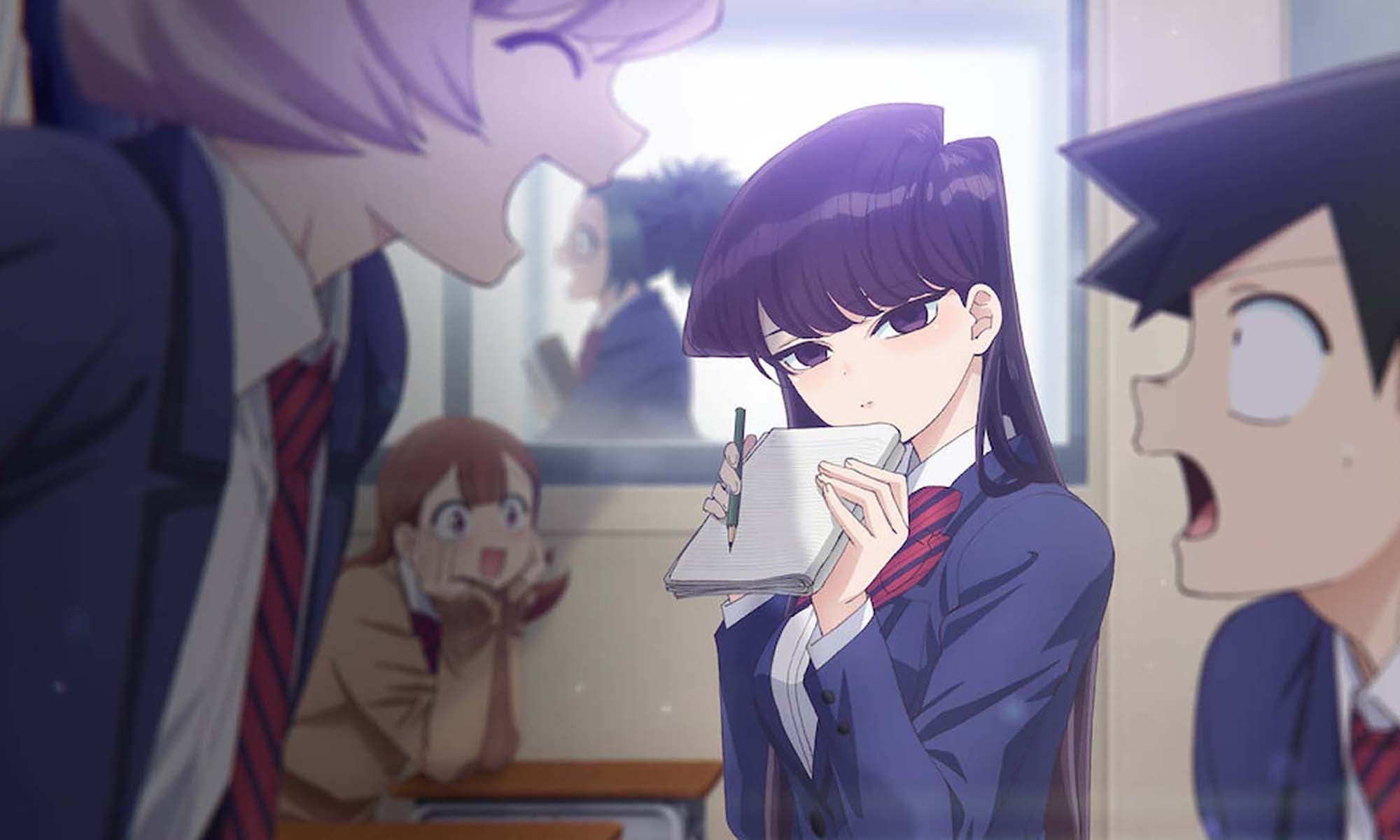
One of the things I noticed, looking at your website, is that the top seven titles BookWalker published last year were light novels. It was the most recent volume of Don’t Toy With Me, Miss Nagatoro that is your top manga. Is it usual for a year to be that heavy with light novels vs manga?
Pinansky: Yes, for BookWalker, yeah. Our sales have always been around 50% light novels, 50% manga, which is extremely atypical among any other store. I would say we’re the only store with that kind of focus on light novels. And that’s because, historically, BookWalker was one of the first and is probably still the only light novel digital bookstore with such a focus on light novels. Of course, you can buy them on many other platforms, Kindle, all the digital platforms for the most part, but when it comes to other manga platforms, they pretty much only offer manga. And BookWalker is the only one that offers both at the moment. Although I’m aware of other stores that are attempting to add light novels to their catalogues, but it’s a technical challenge because manga is pretty easy. You show a bunch of images. But novels are actually ebooks, and you have to have a proper EPUB reader and trust me, that’s a lot more complex than just slapping on a basic manga reader.
So we’ve served the light novel community for years now, since the inception of BookWalker Global, who was always an extremely strong part of the system. So if anything, I would say that the 50-50 manga/light novel split is more reflective of the strength of our novels than the weakness of our manga, if you could put it that way. Our audience is the audience of light novel readers, much more strongly than any other audience of any other ebook store out there. So it’s not too surprising that the light novels are going to make the top ten list.

The other reason why even though it’s a 50-50 split, but like the top eight were novels, is because we sell a lot of manga chapters as well, as I sort of mentioned before, and chapters, generally speaking, are much cheaper than volumes. And the rankings are based off total sales dollars, not total sales numbers. So that’s actually kind of why the split will work out that way.
It’s not too surprising for us in terms of our rankings. Our demographics, in terms of the readership at BookWalker Global, are as hardcore as you can get in this industry. We have the hardcore, the manga fans, the light novel fans. That’s who our audience is. I mean, in some ways, that’s to be expected. As a platform which was linked to the Japanese platform, many of our core audience were just buying the books in Japanese as well. So obviously, the hardest core manga/light novel fans are the ones who actually speak Japanese or, in way too many cases, have literally taught themselves Japanese so that they could read the original Japanese books. I’d love to do a survey of our users and see how many of them actually taught themselves Japanese just so they could read Japanese books. I bet that would be a ridiculously high percentage compared to the average manga fan. I believe we have like 5% of our core audience that just taught themselves Japanese to read manga or light novels, compared to like 1% of the general population.
Yeah. I’m gonna add that to the next survey. I want to know how many people are the Ascended Weebs. That’s a terminology I invented. There’s weeaboo, and then there’s Ascended Weeaboo. And you become an Ascended Weeaboo if you’ve actually taught yourself Japanese just to watch anime or read light novels. So technically, I think I’m an Ascended Weeaboo. That’s who I would refer to myself.
I’ve tried three or four times to teach myself Japanese. I’m not going to lie. I’m still working on it.
Pinansky: Then you have not ascended yet.
I’m aware that we’re out of time now. Is there anything else you want to tell Popverse readers before we go?
Pinansky: Check us out again when we relaunch. If you have maybe tried out BookWalker in the past and maybe it didn’t seem right for you, give us a second look. The chances are we have the manga that you want to read if it’s published legally. We probably have it, and you can try it out on our site. And keep an eye on us if you’re not interested right now, keep an eye on us in the future because we’re going to be doing all kinds of cool stuff through the rest of the year.
Want to know what's coming up next in pop culture? Check out Popverse's guides to:
Follow Popverse for upcoming event coverage and news
Find out how we conduct our review by reading our review policy
Let Popverse be your tour guide through the wilderness of pop culture
Sign in and let us help you find your new favorite thing.



Comments
Want to join the discussion? Please activate your account first.
Visit Reedpop ID if you need to resend the confirmation email.