If you click on a link and make a purchase we may receive a small commission. Read our editorial policy.
An ambitious US manga store chain wants to fill the hole left by Waldenbooks, B. Dalton, and the mall bookstores you still miss
This growing manga chain wants to become the Waldenbooks of a new generation.

Popverse's top stories
For a certain generation of readers, manga didn’t come from a specialty shop. It came from the Waldenbooks at the mall, where shelves packed with Dragon Ball Z, Fruits Basket, and Naruto offered a gateway into an entire medium, until Waldenbooks, B. Dalton Booksellers, Borders, and hundreds of other bookstores disappeared.
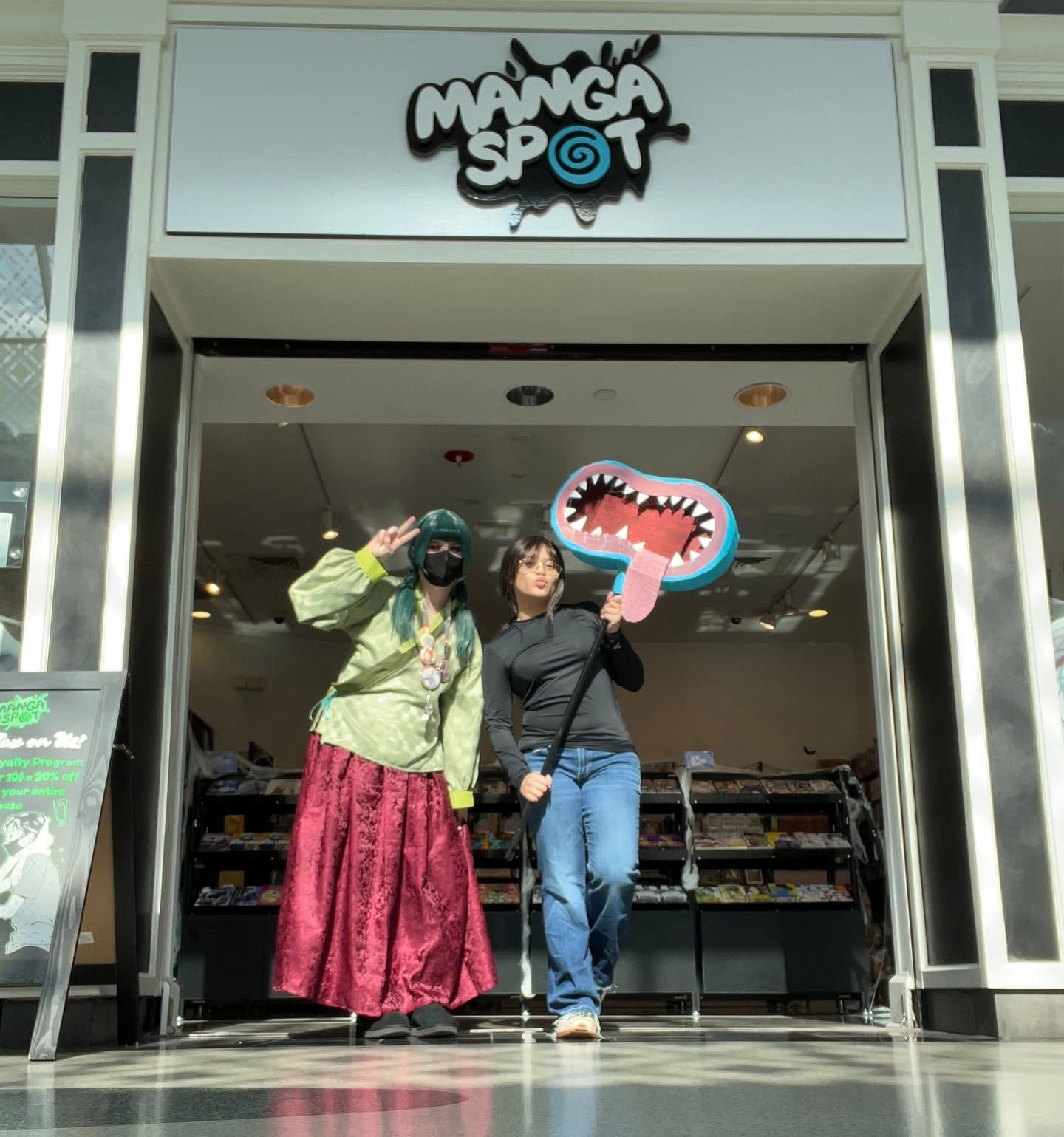
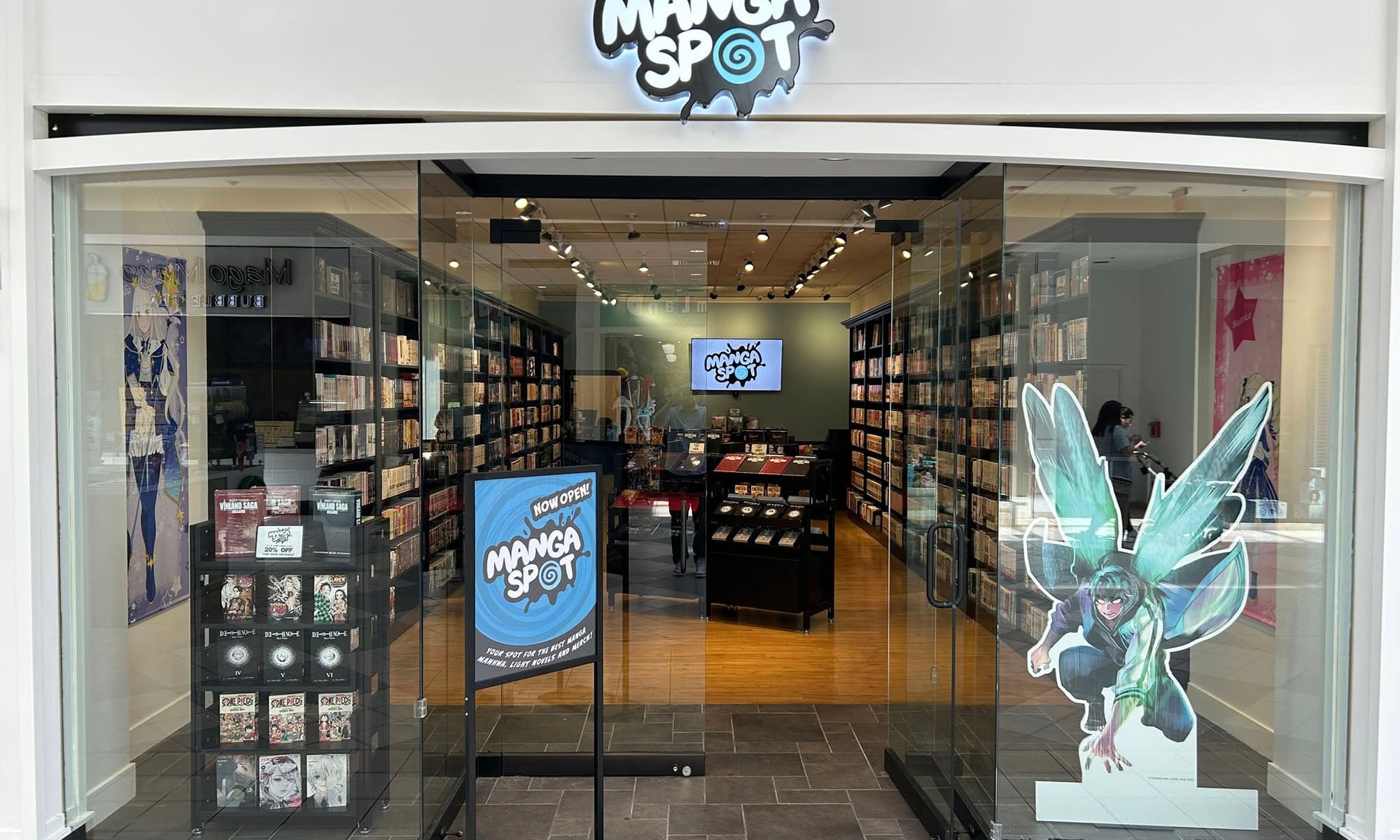
Now, a manga-focused new comic store chain named Manga Spot is doing a Naruto-style speed run in a glorious attempt to rebuild what was lost, not for nostalgia but for the current and next generations of readers. Owned by a giant Japanese conglomerate named Kadokawa that makes manga, anime, and more, Manga Spot has grown from 10 to 14 US locations in just four months, with ambitions to eventually reach 1,000 stores, if you ask its boss, Kurt Hassler. Hassler, who has several job titles including president of Kadokawa Retail Ventures, has a strategy that is both nostalgic and surprisingly practical: move into malls, focus on communities underserved by traditional bookstores and comic shops, and give readers somewhere they can physically discover manga again.
For Manga Spot managing director Kurt Hassler, who once bought graphic novels for Borders and Waldenbooks before helping build Yen Press, the idea amounts to creating a modern version of the retail ecosystem that helped manga explode in America in the first place.
"Basically, you're talking about a retail structure where bookstores have been closing rapidly for the last 20 years," Hassler tells ICv2's Milton Griepp. "It's simply hoping to expand the number of physical touch points where customers can interact with the product."
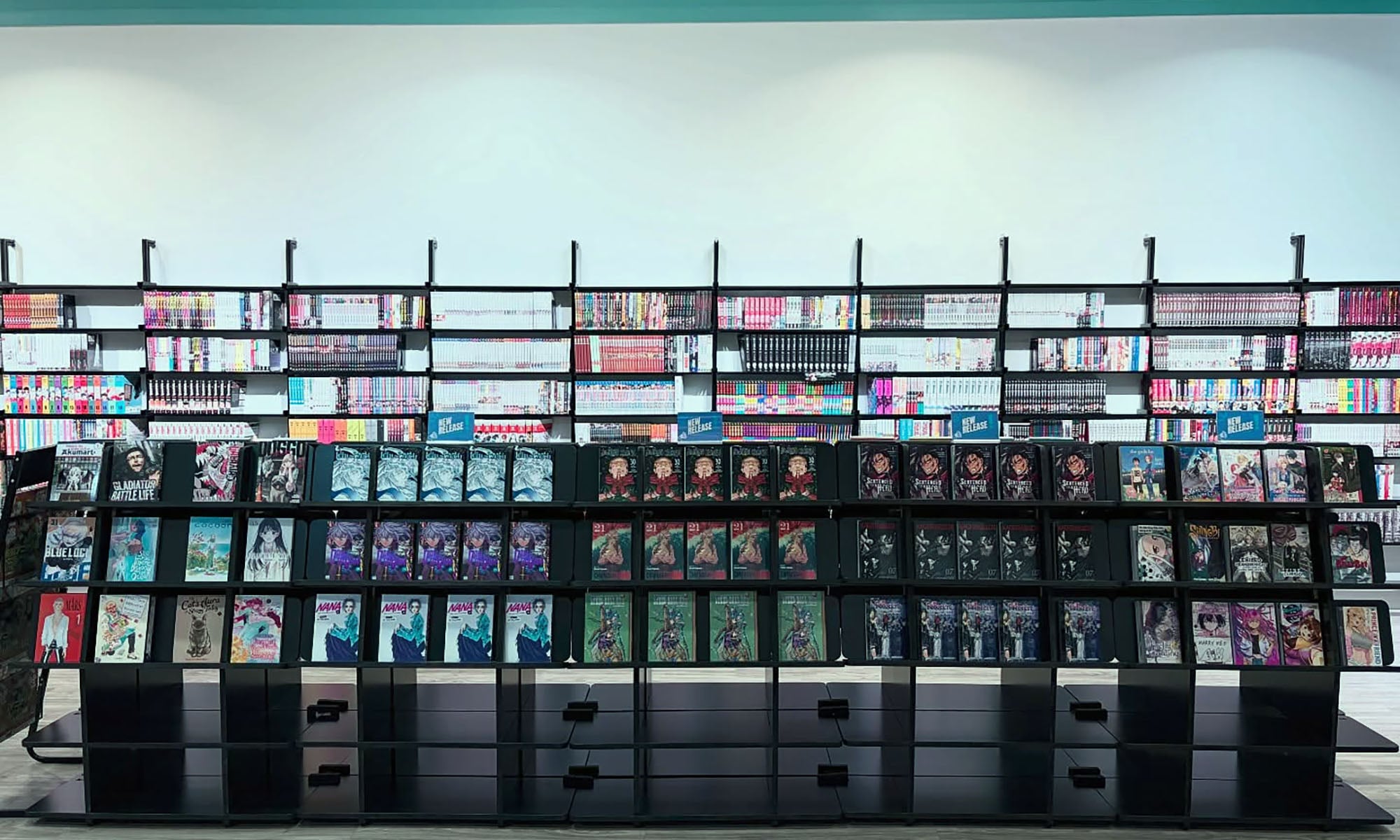
Hassler, who is also publisher of Yen Press (a leading manga publisher owned by Kadokawa), says that during the COVID-19 pandemic, his company was impressed by the voracious appetite of readers that ramped up buying manga via big box stores like Target and Walmart, who up until then didn't carry a lot of manga titles. According to the industry vet, it showed that communities that may not have a standard bookstore or comic shop but did have a Target or Walmart were "areas where opportunities to touch the product were not presenting themselves" normally.
Related: Best back-to-school supplies for anime fans in 2026: 16 picks we actually recommend [Pop Shop]
Hassler broke into the comic industry as a book buyer in the '90s for a regional bookstore chain, then joined the bookstore giant Borders in 1998, quickly becoming its lead buyer of graphic novels & role-playing games for the chain. While he eventually transitioned to the publishing side as VP of Hachette and then publisher of the manga company Yen Press, the knowledge he had from both sides of the aisle came into focus as Kadokawa, the parent company of Yen Press, saw an opportunity to create a manga bookstore chain in this opening... not unlike the mall bookstore chains Hassler grew up in, as a fan and book industry employee.
In fact, exactly like those '80s and '90s mall bookstore chains such as Waldenbooks (which Borders owned), and also my personal touchstone, B. Dalton Booksellers.
"Borders and Waldenbooks used to be the leader in the category that was, at the time, between the two, probably 1,000 to 1,200 stores that are no longer in the market, with the exception of a handful that were taken over by Books-A-Million," says Hassler. "Recognizing that there is a lot of enthusiasm for the product but knowing that people may not have local outlets for it, we felt like there was an opportunity for expanding that portion of the market. That's what we've been trying to accomplish with Manga Spot."
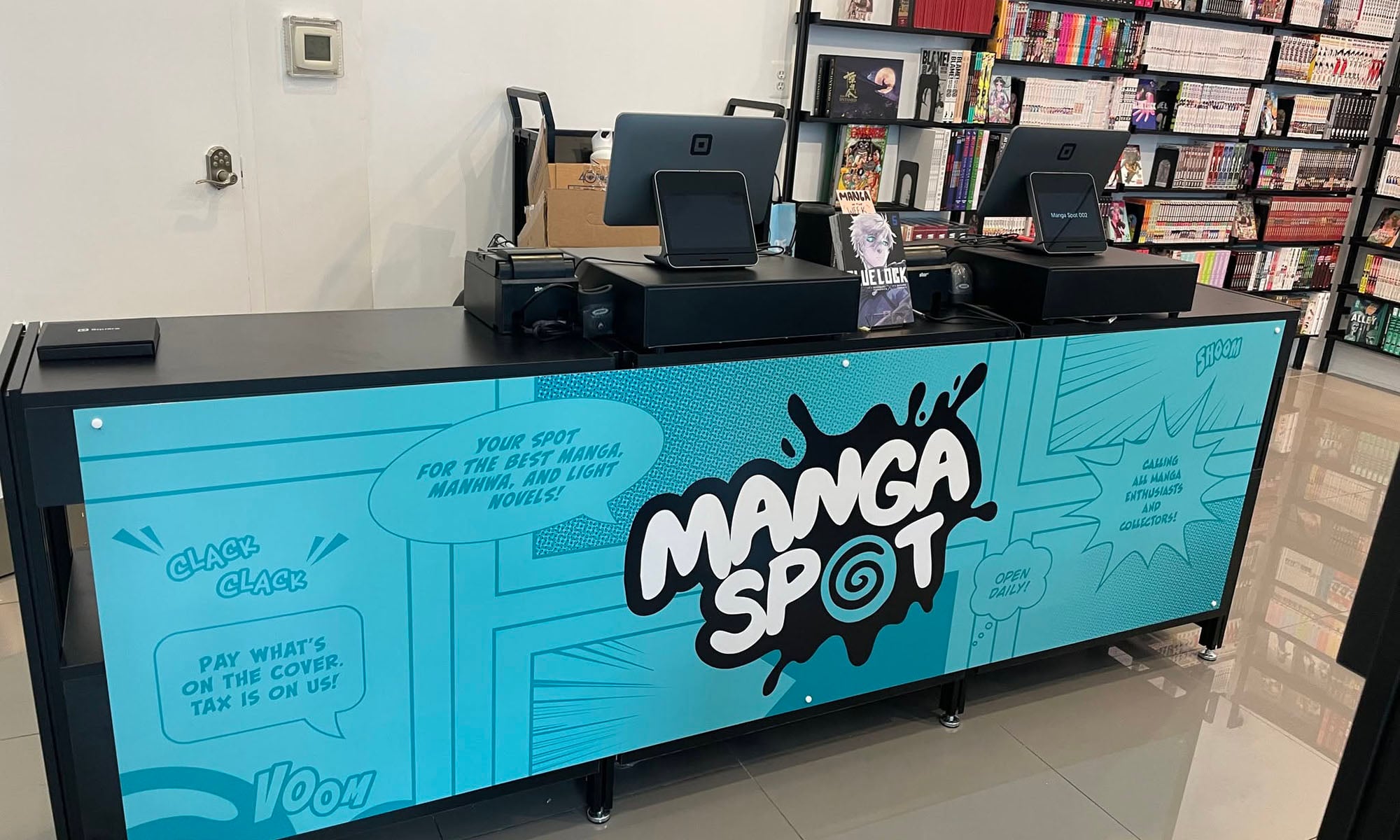
Back in April 2026, Popverse wrote about Manga Spot as it has quietly become one of the three biggest comic store chains in the United States with 10 locations. Four months later, they're now at 14 stores, and Hassler has a stated ambition for Manga Spot to grow to 1,000 locations, which happened to be the size of Borders/Waldenbooks that he just cited. While we've all experienced the downward slide of malls in the '00s and '10s, in many communities they are being reclaimed as local business hubs, and Manga Spot's owners see that.
"Most of our stores are in malls. They're finding new purpose, particularly with younger shoppers. Especially after the pandemic, people are valuing an opportunity to get out to visit physical spaces," says Hassler. "Malls are coming back in a resurgence."
Hassler even went on to say that Manga Spot is targeting the specific hole (proverbial, and in many cases literal) left for readers by the closure of places like Waldenbooks in your local mall.
"It's basically the same consumer you would have found in a Waldenbooks back in the day. Depending on the location, it's a lot of teens, a lot of 20-somethings, increasingly 30-somethings," he says. "The category has grown and expanded over time. Depending on where the venue is, the demographic changes a bit, but in most locations, you're largely talking about teens and 20-somethings."
Manga Spot isn't strictly targeting major commercial areas where you could reasonably get a copy of, say, 20th Century Boys Vol. 2 on a lark, but instead aiming for the communities where there's a dearth of bookstores. Take, for instance, its location in Ketchikan, Alaska, which is situated on a remote island and boasts a population of just over 8,000 people.
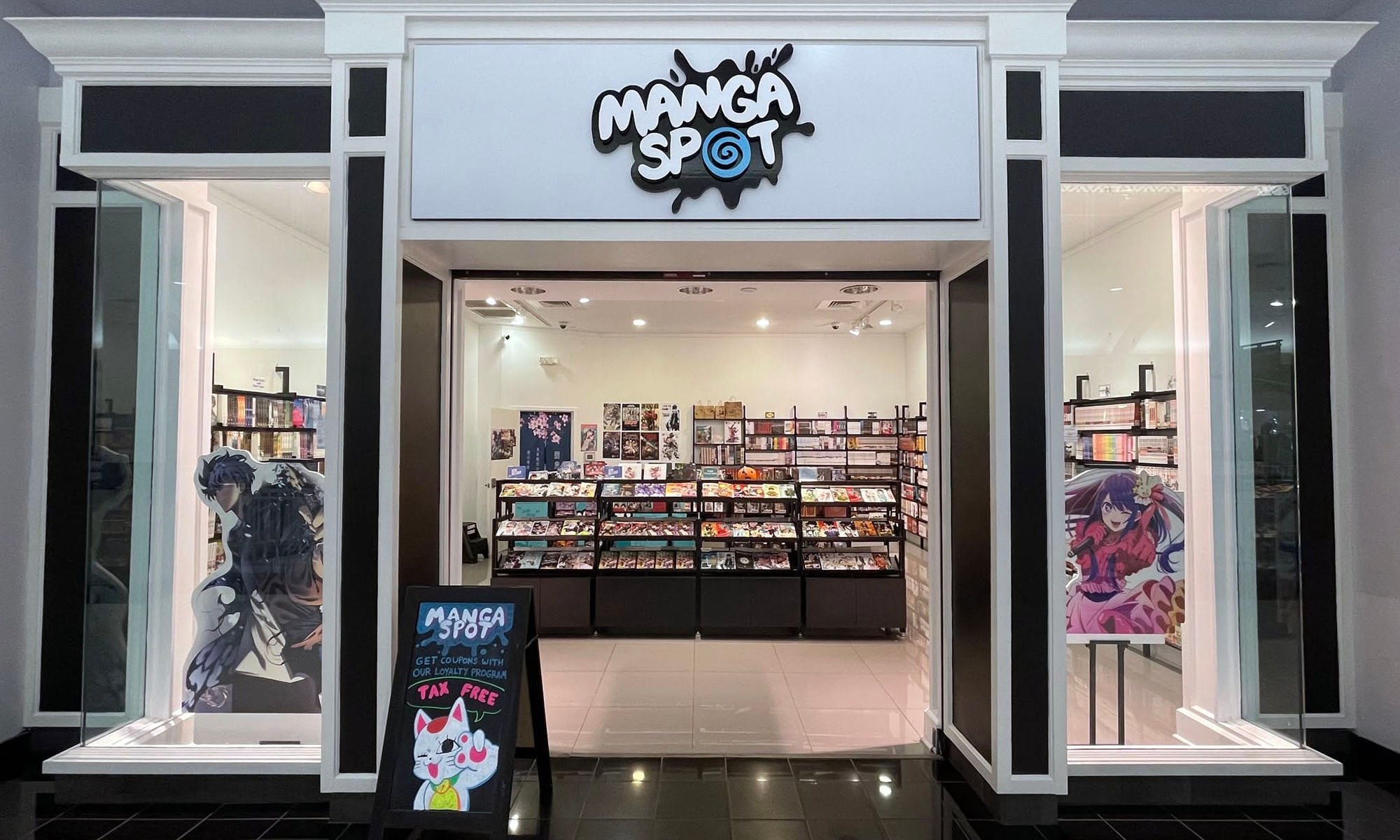
"Yes, we are definitely looking at markets where we feel like there's an opportunity to put things in front of people where they may not have great representation within a radius of X number of miles," says Hassler.
Manga Spot’s plan is ambitious, and growing from 14 stores to 1,000 would require resurrecting a kind of national bookstore infrastructure that took decades to build, and only a few years to dismantle. But its rapid expansion suggests Hassler may be right about the opportunity hiding inside those empty mall storefronts and communities outside major cities.
While the manga boom is happening without a place like Manga Spot being here so far, Hassler and Kadokawa are betting that readers still want what Waldenbooks once gave earlier generations: a place to wander in, pull an unfamiliar volume from the shelf, and leave with a new favorite series. Sometimes the future of retail looks a lot like the past, only with considerably more manga.
Interested? Here's where to find your closest local comic store, courtesy of Sweet, and here's a guide to how (and where) to read comics online. If you're looking for the best comics in recent memory, check out the Eisner Awards winners and the Harvey Awards nominees. And if you like free comics, here's everything we know about Free Comic Book Day 2027.
Follow Popverse for upcoming event coverage and news
Find out how we conduct our review by reading our review policy
Let Popverse be your tour guide through the wilderness of pop culture
Sign in and let us help you find your new favorite thing.













Comments
Want to join the discussion? Please activate your account first.
Visit Reedpop ID if you need to resend the confirmation email.