If you click on a link and make a purchase we may receive a small commission. Read our editorial policy.
Superman's optimism, the possibility of Dispatch season 2, and the Matt Mercer effect - What the Dispatch developers say about the hit superhero game
Adhoc Studio's Dispatch devs explain how optimism, streamers, and risk shaped their breakout success.

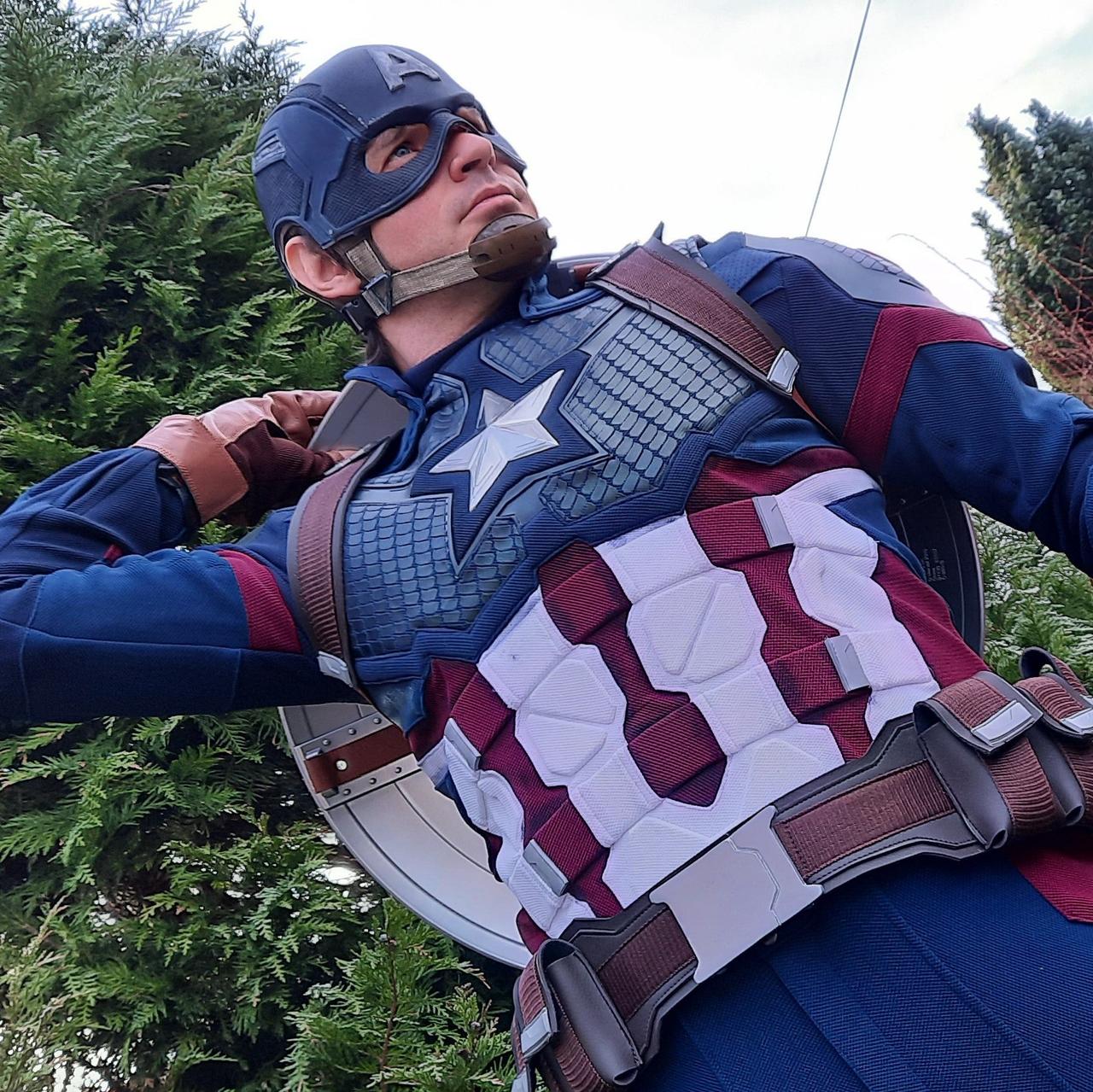
2025, despite the obvious state of the world, has been a year for optimism from the superhero genre. Superman reminded us that kindness can be punk rock and, more recently, Dispatch showed us that people can just be… good. Both visions have been rewarded. Superman soared high at the box office, and Dispatch has achieved some spectacular sales numbers. But, more than that, it reminded us of how good the narrative-driven game genre can be.
I was able to sit down with Nick Herman, Creative Director and Executive Producer on Dispatch and COO of AdHoc Studio, and Dennis Lenart, Creative Director and Executive Producer on Dispatch and CTO of AdHoc Studio, to talk about the success, challenges, and surprises of making a game as earnest, funny, and, in the current gaming climate, risky as Dispatch.
Plot details for Dispatch season 1 are shared below, including some spoilers for certain endings.

Popverse: One of the big stories of the past couple of weeks from AdHoc has been, you know, sales have been very, very good. You know, I've read that it's on track to meet your three-year target in three months, which is a really exciting thing.
Now that it's out and you have that critical, you have that fan, you have that sales response. How are you guys feeling?
Dennis Lenart: I'll say definitely excited. Getting something out in the world is the most exciting part. It's been a while since we've actually shipped something, and so to have it come out and get this type of reception is just the best thing we can imagine.
So it's been super nice validating along the way as well, you know, trying to get these games made when you're not some, you know, when you're in more of a niche audience like people think narrative games are. And I think we're hopefully proving that there can be a larger audience for these types of experiences. But yeah, it's along the way, it's a lot of projections that, you know, you're trying to be very modest and kind of go, well, for this type of game, usually this is what you can expect.
And, you know, kind of all along, we've been saying, I think there's a lot more people that would be interested in this type of thing. So it's great to see that they are.
Nick Herman: Yeah, I mean, to be honest, I'm still, you know, kind of numb and buzzing from having to ship the game and for, you know, being heads down for so long and just focused every week on making sure that the next week was going to go well.
So it's we're one week, you know, after the last, you know, the last hurrah for the finale. So it's still weird. Like, I don't think I think we're going to need until the end of the year to like really process and internalize, you know? That's probably more because we're on the like, leadership business side of things as well. But I think, you know, the team is ecstatic. And yeah, again, this has blown away our expectations. So it's very fortunate.
Lenart: Yeah, and it's different to being a digital first release, where, you know, technically, you can fix bugs and sneak polish in really late into the process. Which is amazing for some things, and also dangerous, because then you just end up working more. But, you know, whereas if you're printing it on a disc for release, that's got to be done months in advance. So then by the time the actual game comes out, I think you're already relaxed. You've already had some vacation time. You can enjoy it.
And for us, it's like Nick said, it's like we were sprinting right up until the last second with not just the game itself, but also just all the, you know, we're self-publishing. So all the things we had to do on our end to make sure that it got out in everyone's hands on time. So, yeah, maybe in a few weeks, we'll have some perspective.

Has any part of the reaction caught you guys off guard?
Herman: Um, I guess, I guess, you know, probably, like, all over the place, to be honest, yeah, like, every kind of aspect of this kind of either, it was like, I think it's just like the, you know, the, whatever, is it the amplitude? I don't know what it is. But like, the delta, like, if it's like, we thought, oh, this is gonna work, and like, it really works. And then if it's like, oh, you know…
It feels like everything's, you know, on like a multiplier. So like, people reacting to certain story moments, like, they really reacted to those story moments in a way that actually was maybe bad, right? We were, we were like, oh, I think that we want them to feel this, and then they went beyond that feeling to the next feeling. We're like, “Oh, God!” We didn't anticipate.
So we've, you know, we've been kind of like… the benefit of the episodic model is we've been tweaking things from a story standpoint. We have a couple of levers we can pull and nudge things around, like, to kind of balance things a little bit.
I mean, yeah, it's just been, it really has been, we learned a lot about our own game by giving it to people and seeing how they interact with it and what they're drawn to and what they're responding to. And it always is a surprise because it's not, you know, necessarily what the plan was or what you were expecting. I mean, any individual's interaction with this is a valid response, you know? There’s no wrong way to play our game.
So it's been, it's been cool. It's been cool to see it. I mean, and, you know, 10 years ago is the last time I shipped a game.
It makes me fucking sound really old, but especially after, you know, working at Telltale where you're shipping a game like every, like, you know, six weeks. So it was, it was definitely an adjustment period. But 10 years ago, streaming wasn't as, I mean, it was a thing, but now it's like, so like there's a whole. There are industries built around streamers and how to get streamers to play your games, and all this sort of stuff.
We went into this with our eyes wide open. We're not going to try to rebuke this. Because normally, like a story, narrative-driven game? A streamer puts it online, and then 10 million people watch it, and they don't need to buy it now. A lot of the game is cutscenes, right? So instead of trying to fight that, we embraced it in a lot of different ways.
And I think that was, streamers are actually the reason the game is as popular as it is. So, yeah, it's just a lot of weird things that we had to learn along the way. But it's been cool.
What do you feel was the riskiest thing in the game? Maybe that you thought people might not appreciate, but you thought, "This needs to be in there." What was the riskiest either story moment or gameplay mechanic?
Herman: I'm good if you had some.
Lenart: No, I'm actually just going to say that's going to take me a second.
Herman: Yeah, I mean, the first thing that came to mind was doing an episodic release, but that's not content in the game. But as far as the game goes, have you, are we spoilers? Have you played the game, Trent?
I've played it twice. I had to get both a Blonde Blazer and a Visi playthrough.
Lenart: Oh, nice.
Had to be done.
Herman: Well, who did you start with, though?
Blonde Blazer.
Lenart: Oh, wow.
Herman: Minority.
I know, and that surprises me.
Herman: That was one of the big surprises was that she was a minority.
Yeah, I think she's a very organic choice as a romance partner. You know, you have that really touching scene at the beginning. You know, it feels seeded in there very quickly. Visi’s a very different kind of character. So, yeah, both are great.
Herman: Were you playing a week, Trent, or did you wait for it all to come out and then...
I started playing when episode four came out, just because I was covering conventions up until then. So that was the first time I got to sit down, played it in a weekend, and then started playing it episodically.
Lenart: Nice.
Herman: Yeah, because part of one of those surprises that you were asking about earlier was the kind of reaction to Blazer, and kind of like there was a… The internet was basically convinced, you know, she was evil. She's got these other motives, and, like, they could not appreciate that maybe a nice person can just be nice and, you know, a good, genuine human being can care about someone and like be real. And it kind of speaks to the sort of cynicism maybe in the internet, but also the cynicism of like in like superhero genre stuff.
There's always, like, a twist of, like, this nice lady, you know, the big bad in the end, and I think it's one of the more surprising things about Dispatch is people are very kind of, they're kind of, they are exactly who they say they are.
I mean, yes, Invisigal, in the end, there is a betrayal or there is a revelation, but she's literally a villain thief, like, you know this about her and that she's capable of doing it, so then when it happens, it's not that big of a surprise, but I think, you know, the kind of what made Dispatch or what we tried to do with Dispatch is have it be way more optimistic and, you know, hopeful and have you feel like that it wasn't full of cynicism.
And so it was interesting seeing the sort of reaction to Blazer week to week and how, like, basically these communities were coming together to create this, like, these, like, campaigns against individuals just because they expected the worst. And I'm glad it eventually kind of landed in a place where everyone feels good about all the characters.

Lenart: Yeah, it was a weird lens to look through, just kind of modern society through. It's part of the fun about making these types of games, too, and especially one of the things that was interesting about the episodic release schedule is everyone can't get all of the story at once. So, reading into things, fan theories online is kind of a fun part of the experience that, you know, if you just wait till the end, it's totally fine.
Some people just prefer binging something all at once on a weekend. And one of the reasons we chose the episodic release schedule to have such a quick cadence and not take, you know, several months to be out is so if someone saw the game and went, “Ah, episodic. Not really my thing. I'll just wait four weeks until the entire season is out and just watch it then.” It's not like they're waiting six months, and then have had everything spoiled for them. But yeah, it was nice to see a lot of the theorizing along the way, especially, you know, when certain story events you know are coming down the pipe, and you're watching people kind of react in a way that is either exactly what you were hoping, or, you know, in the Blonde Blazer case, totally different.
And then you're thinking, hmm, what pieces can we tweak before the finale comes out to make people understand, or, like, you know, to kind of craft the experience along the way?
Was there anything you changed about the later episodes based on how people reacted to the earlier episodes?
Herman: Yeah. I mean, there's one of these I already shared. I'm trying to think. There's another one that we... One thing that we haven't shared, or I don't think it's been shared in other interviews, I think is interesting and people find it interesting. I mean, was kind of honestly just a miss on our part that we realized right at the last second, but essentially there's a moment at the end where we had like this beat where Shroud is, you know, he's got like super prediction essentially, and he's able to kind of like kind of know the move before you do, and he talks about like, “Oh, I knew you'd fall for Blonde Blazer.” Or if you romance Visi, was like, “Ah, I knew you'd fall for Invisigal.” And it's just kind of him rattling off all these things that you've done, and because it's a game, we can make it seem like he's super smart, and he predicted it the whole time.
And right at the last second, we realized there was a playthrough that we had kind of, that we had, that we had enabled. Basically, we wanted to allow people to both romance no one, and also, there's a certain way you can play where both ladies are options, and if you take the bait, essentially, or if you do this thing that you think is a secret, because no one, you know, you're in a room with this person, and you do this thing, and Shroud can essentially call you out in front of everybody, which we thought was like, so fucking funny. That we could have our villain basically out you as a player.
That was added two weeks before it went out. And we were able to do that because we were remixing shots we already had. And I'm calling Matt Mercer, going like, “Can you just record this one line, please? I can't get you in a booth. Can you just do it from home?” But that was a, you know, as we were seeing players try to max out on relationships and like, “Oh, you know, maybe I'll be with Blonde Blazer for the first half of the game and then I'll pivot.” Like, you know, they're like talking about how they're going to romance both characters. We were like, "Man, we should put something in that we'll call them out if they do this.” So that's the kind of stuff, fun stuff you can do at the last minute.

I have not done that, and I had not heard of anybody doing that. So I'm going to have to try that now.
Herman: So you're not going to be. I'm telling you, it doesn't feel good in the end.
Lenart: One of the things that makes, I think, Dispatch stand out is that from the beginning, we always wanted it to be an experience that was entertaining and that made you smile. Not just because of the comedy, but just the story itself. You go through ups and downs, obviously, but at the end of it, we didn't want you punching the computer screen at the end of the season or coming away super depressed.
We weren't trying to hit that emotion. And I think part of it, too, is it started in a much lighter place. I think it was way more comedic at the start and way more “The Office meets Ted Lasso” kind of genuine smiles, and then a lot of the drama and stuff got kind of peppered in along the way. So I think at its core, you know, it does have that thing where it's like, we want you to enjoy this and walk away going, that was so fun, and I'd love to do it again.
Yeah, I think it's an interesting time for it to come out as well, post-Superman, which again is that very hopeful, vibrant, optimistic superhero movie that we kind of haven't had for a while. So it is, yeah, I think there are definitely parallels between the two.
Herman: I'm really happy to see people like that movie. It's like, oh, good. This could have gone the other way.
I want to ask you a little bit [about] Shroud. We see him more than we hear him, especially in the beginning. What do you think makes him such an imposing villain, and how did you try to find the balance between sending him out there and letting him kind of be in the background?
Lenart: Matthew Mercer. Always helps.
Herman: I mean, we, to be honest, the, we weren't, we didn't set out to like on Dispatch and be like, you know, oh, this is, you know, this is a story about a guy who is out for revenge.
Like, it's a theme, it's a thing, but like really what this, what we wanted the focus to be on is, you know, more of the, you know, the Mighty Ducks or the, you know, Bad News Bears or whatever version of like, you know, disgruntled, sad, alcoholic guy who used to be good at something is no longer able to do that and has to deal with a bunch of jerk offs. And that was the like, we knew that that was like the core of it.
So we were very focused on that for a long time, to the point where, you know, we went, “Oh, shit. We're making a superhero thing, we should probably put superheroes in.”
Also, you know, the guy needs to be a bad guy in the end, too, right? So it kind of came in later; it wasn't the priority to figure this out. And really, like, one of the unique problems of, of kind of creating the villain and having to, to face him was, you're hanging out with villains, the whole experience, like you're, you're surrounded by bad guys.
And then you were like, now we need the baddest guy to come in, and for you to want to kill him, or like, or tempt you with this. And I remember we're discussing, like, how do we do that? Because we're also making this comedy. And like, how do you make a new villain be seen worse? And really, like, the thing we landed on was that all our other villains are funny. Let's make him so, like, when he's in the room, like, he sucks the fun out of everything.
Like, he's not, you know, entertaining. He's very dry. He's very, like, you know, he's not, like, monologuing in these, like, big dramatic ways. It's very kind of, like, flat and, like, not fun. Which that was, like, the thing that we were trying to do with Matt in the booth and with the characters. Keep him even-keeled. Keep him flat. Keep him menacing. And then, as we get closer and closer to his demise, he gets funnier and funnier.
I don't know if people enjoy it as much as I think Matt is so funny by the end, and he's, like, losing his shit. And it's, like, “You see that, you fucking fucks? Like, he starts, like, he, I think Pierre [Shorette] described it once as, like, he becomes, like, peak incel.
He's living his 4chan dreams.
Lenart: A 100%, yeah.
My opinion, but I think the funniest line that Shroud has is when you try to hand him both astral pulses, and he looks at you and goes, “What the [fuck] is this?” It's just so, the delivery on that is so good.
Herman: Yeah, yeah, great writing, great acting. Directing's okay.
Lenart: I also think it's fun, or it worked in our advantage to have him not be around as much, which, you know, you're building this mystery, and the tough part is, when he does show up, he has to deliver. So, that was always the risk, but I think, fortunately, it worked out where it's, like, you know, the animation, the art direction, performances, like, the writing, like, everything came together in that moment when it needed to, which was extremely important for that to work. Or it would have just been, oh, that was a letdown. I've been waiting all season for that?
Herman: Yeah, I mean, you asked about surprises earlier. Like, to be honest, I'm kind of surprised Shroud worked. Like, or that people aren't, like, we're not getting more shit for it. Like, you know, him not being seeded more or, like, being part of the season. Like, you know, like, it was definitely something we were conscious of. Like, we have to make sure we kind of nail each one of these.
So, at the end of season one, Robert Robertson III is back in the Mecha-Man suit. Does this mean that his career as a dispatcher is over?
Lenart: The million-dollar question.
It is. I have to ask it. I have to ask it.
Lenart: Yeah. Well, can't tip our hat too much about what could or could not come.
That's absolutely fine.
Lenart: Yeah, sorry.
I mean, I guess the kind of flip side of that question is, in a hypothetical season two, which obviously hasn't been confirmed, has only been asked for very, very loudly, partly by me, but yeah. Do you think his story's wrapped? Do you move on to somebody else?
Lenart: Also, interesting question. A lot to ponder. That’s all I’ll say.
Herman: Yeah. To be honest, the answer is, we don't know. You know, like, we were so focused on getting this done, you know, and, and especially with all the sort of like, production and, you know, funding things that, that we had to navigate along the way. Of course, there's always conversations about like, “Oh, we ever did a season two…”
As I'm sure you can kind of feel like we've made this in a way to where this was the last thing that we ever did for Dispatch, like it would kind of work. So that's really as far as we've kind of gotten, and we have some ideas for the next one. But yeah, it's too early to even speculate, to be honest.
Lenart: Yeah, I know. What's weird is we're in a spot now where there is a lot of interest for a season two, which is great. And I mean, I think years ago when we were pitching this stuff, we've always wanted to do multiple seasons. Like that was just, you know, like, “What if we plan this out from the beginning?” Unfortunately, no one really wants to get involved with a new IP and, you know, sign up for a bunch of stuff before you know how it is, how it's going to do.
So now we are in the position where at least there is interest, which is great. But also, we really want to make things that we believe in. So there, you know, you have to have the right setup and the right kind of circumstances and everything to make it worth doing as well. So we're in a great spot now where it's like we can have those conversations. Yeah.

I appreciate you guys at least humoring the question. I have to ask, it's my job, but I also acknowledge you don't have to answer. So going back to season one are there any plans for DLC, um, for Dispatch, you know, things like, um, like a longer version of the Dispatch gameplay. Or, you know, the release of the scenes that we keep hearing about?
Herman: I'll say, calling that DLC is a stretch.
Lenart: That's one of the surprises, I'll go back to it earlier, questions about, uh, surprising things. Um, in retrospect, it shouldn't have been surprising at all, but, uh, but the amount of attention in the media that some of that stuff has gotten, at least to me, was surprising. All the TikTok videos and everything floating around were pretty crazy.
Herman: We knew that, like, especially episode four was going to get extra eyeballs and have people talking. But, I mean, it's basically, again, it's like, if people weren't into episodes one through three, if four came around, it would have been a huge problem. It would have been flipped the other way. It would have been, like, being held up as an example of, like, what's wrong with video games.
So, we're having to, like, walk a line of, like, let's be, you know, let's not put all our eggs in one basket. Let's make sure we tell a broad, diverse story with multiple, sort of, things that people can be excited about. But, like, man, were people excited about the romance stuff. And, yeah, mean, you know, Pierre talked about this in an interview where there were other scenes that were cut, but they were cut not out of fear. They were cut out of scoping. Like, we were, you know, we've got more minutes in this thing than we can produce. So we're looking for places where we could trim and, you know, it was an emotional payoff moment for a thing that we weren't 100% sure was even going to be like people's focus.
So it was kind of easy to kind of trim, but, you know, I don't know, maybe I wish it was there now, of course. And, also, that wasn't animated. It's not like we had an animated scene that we're like, eh, let's pull from the game. We had it, we had it on paper, you know, so it wasn't, it wasn't, yeah.
You didn't get quite as far as that, but yeah. Listen, listen, the internet is thirsty, and there’s some very, very beautiful people in this game, so people are going to ask. Me, me, I'm going to ask.
Lenart: That's fair. Yeah, I mean, I've seen some weird stuff out there with people using AI to kind of make their own versions of things,
Herman: That’s true, yeah.
Lenart: And it's weird. That is one of the weirdest things that I never could have predicted. Um, it's a new world out there with, you know, people taking pre-existing things and, uh, kind of crafting their own secret fantasies with them.
Um, so whenever that stuff comes across. It's just mind-blowing. Like, what is happening?
I mean, this is why fan fiction thrives. I kind of want to change gears a little bit, um, and ask you a little bit about the Dispatch comics. I've read them. I really enjoy them. Do you see potentially printing those in print, either on your own or in partnership with anyone else?
Herman: Certainly a possibility. I mean, we, you know, it was a conversation even before we released them digitally, if we wanted to do a physical run. So, yeah, I mean, I think it's possible. At this point, I mean, the lame answer is anything's possible, because the game is successful enough to where all of these things are viable.
Really, it just comes down to, you know, what are our priorities? You know, where do we want to focus? We have, we're still a small team, you know, do we need to scale our team to support all this stuff? Or is it better to, you know, focus on what we know best? But we've got a lot of great partners. Critical Role knows a lot about this stuff. So we're definitely leaning in on those relationships to sort of make, you know, the next couple of decisions. But yeah, I would say that that's totally on the table.
Lenart: Yeah. And I think it's one of the things that's maybe interesting from a development standpoint, is when you spend so many years with these characters, you kind of start to get into them and think of them as real living, breathing people. Like, that's the goal in order to make them feel as real as possible. So, with all of this stuff, and maybe I'll just speak for myself, but, like, I'm a huge fan of physical media and, like, having something you can frame or put on a shelf.
And so, yeah, my first thought when we were, especially seeing the digital comic covers, I'm like, I want prints of all of these. Like, these are awesome. So, yeah.
Herman: Which you can get on our website.
I was just about to plug you guys as well, because I looked at both the SDN mug and the beach print, or the poolside print, and I was like, I kind of need both of those. So, looking at the comics again. I think it is issue 4 or 5, The Death of Mecha Man. It shows a very different version of The Death of Mecha Man than we kind of hear Shroud say in the game. Is one of those canon, not canon? Is it something that people just need to not think about too much? Like, how do you feel about that?
Herman: How do we feel about it? You know, I don't know. I'll say the intent for the comics was that they are. I think there's an interesting conversation that has been happening with our community about, like, here's what Shroud said and here's what we see and what is real there. It's like, it's interesting to me that people find it interesting, and I feel weird just saying here's what it is, you know, I feel like just kind of spoiling it or ruining it. But I don't know. I don't know. I don't know what to say here, to be honest, because I know the answer.
It's just something that, you know, I've seen people ask about. OK, he says this thing is quite brutal. And, actually, what he did was quite efficient. Do you think that says something about his character, that he did one thing and did another? Has he changed over the years? Anything like that?
Herman: Yes. [pauses] I mean, I think the thing that I always sort of key in on that comic is more like Robert's dad's approach and how, you know, Robbie is kind of a bully, you know? And like, kind of created this guy that you have to deal with now, and seeing kind of Robert's approach, how different Robert's approach is to his father's to dealing with Shroud. And conditionally, you can basically go down the same path your dad did, which is beating the shit out of this guy. But, yeah, on the Shroud stuff, I feel like I'm just going to leave that piece unanswered.
Just let that dangle in front of the fans?
Lenart: Yeah, you know, never, back to your earlier question, it's like, you never know what could happen in the future.
The voice cast of this game is incredible, and it's rightly been very celebrated. Is there anything that one of them brought to the booth or to the character that they said, “Ooh, can we try this? Can we do this? Can we change this?” Is there anything that any of the actors kind of influenced in their character that kind of surprised you?

Lenart: It's weird. I was just going to say with, I feel like I was just recently talking about this, but Flambae. You know, when you cast an actor that brings such a specific voice to the character, which maybe didn't exist when you're drawing the concept art originally. That character went through a few revisions of his look, anyway. But yeah, that's a thing where it's like, I can't imagine having that specific voice and then trying to find someone that had that would probably result in failure. It's one of those where you just have to find the person that just brings something really interesting to it, and then just let them do their thing.
Herman: Yeah, Lance [Canstopolis’] performance is definitely one of the things that comes to mind, where I mean, he was basically like a jerk, jock, bully, you know, bad guy. On the page, it was funny, but it was a little bit more, initially, generic, as far as the voice would be concerned, and then once Pierre brought up… he was showing Dennis and I clips of Lance performing, and I mean, it was such a, sort of, whiplash of, like, well, yeah, this is so different than anything we've been thinking, and also, we had scratch recorded, so we had been hearing the character a certain way, but it was just so undeniably entertaining and funny, that we were like, “All right, let's try.” And so we brought Lance in, and he did his thing, and it was immediately obvious that we should have this in our comedy game.
And it was interesting, one of the sort of interesting, or the things that I was kind of shocked by was. I know how funny Flambae is, and I'm entertained by him, but people were not until, kind of, a certain point in the season. People were like, “This guy sucks. I hate him. Get him off my team. Can I cut him?” Like, because he's the bully, that's all they can see, and, like Robert, it sort of takes exposure to him. It takes a little bit of growth. Episode five happens, and things kind of, like, thaw, and you start to see that he's just this weird dude who maybe has a set of issues that you need to kind of look past to see the real person.
And, you know, there's the karaoke scene, and that's where everyone starts to flip, which is, I think, funny, because I think a lot of people flip in the closing credits. Like, the episode's over, and their emotions and their feelings are changing for one of our characters, just because they're listening to them sing a song, you know?
So that was cool to see, because that's where they start to align with how I feel about Flambae from day one, because I know the whole thing, you know? You know the whole thing. So that was a cool, cool one. It's a really interesting character to sort of watch everyone's journey with.
So I'm aware that, you know, we're rapidly running out of time, and I can talk about this forever, but I just want to ask, we've touched a little bit on this, but what was the biggest challenge you guys faced during the development of Dispatch? And I think specifically, was there a moment where you were like, “Oh, no, I think our ambition outstrips our resources?”
Lenart: The secret there is that it was, yeah, pretty much the whole time. It was, you know, again, like I mentioned before, trying to get people on board to create this kind of game, especially in the current landscape of games out there. And what's selling and what's making a lot of money and what, you know, what people want to put money into in order to try and make a bunch of money, especially at the time, the idea of doing a narrative, episodic game is, you know, just made folks cold right away.
Herman: It's very old-fashioned.
Lenart: Yeah. Even hiring for, in the early days, you know? It's not the thing that a lot of people are setting out for. The nice thing about that is the folks you end up getting on your team are ones who are into this stuff, you know? And like we found a similar thing at Telltale back in the day, where it's like, you know, the type of person that would apply to work at Telltale was someone who is just genuinely interested, usually, in this type of experience. Which is nice because it allows folks who love all the little weird details of these types of experiences, and everyone on the team can contribute, and kind of like add a lot of flavor to the world.
So that's really great. But yeah, mean, every step of the way, I feel like we were met with lots of challenges.
Herman: We're making a TV show and a video game at the same time. We're not just making a video game, which is hard enough. We are having to run two completely different production processes and basically working with a whole other company on one end, managing our own people on the other, developing those things simultaneously, making sure that they feel like they mesh and that it doesn't just feel like two different products that you kind of like are flip-flopping between.
Like learning how to make an animated television show, essentially like that. We had never done that before. So it's just like, we never, it never seemed like we picked the easy path. Somehow, we were always doing like the weirdest, most bespoke. No one, you know, no one has any expertise with this. And like that was, so yeah, so every, every day kind of felt like a “What are we doing? We know the end result could be really cool, but are we ever going to get there?” was a big question.

Is there anything you'd change about the development of this game now that it's out? Now that you've seen how people have reacted, is there anything you'd go, “I wish we'd done X or Y?”
Lenart: I don't know. I mean, I'm kind of, with how successful and sort of well-received the game has been, part of me sort of feels like some of these decisions along the way kind of led us down this path. You know, it's almost like a philosophy of life, like the pitfalls that led us here kind of made us the people we are today. So, there's definitely, I'll say, a lot of things that while we were in the trenches, we would, you know, identify and go, “Ah, here's something that's not working super well. Next game, here's how we're going to do it differently.” But also, there's no way to have known that. And I wonder if we had known that on this specific game, how that could have changed things. So it's, yeah, I'm kind of like, take the good with the bad.
Herman: Yeah, I mean, there's a million production lessons that we learned that we will fix. I think from a creative standpoint, I guess I'm pretty happy with where it landed. You know, I guess we needed to include those scenes. But, you know.
Or just make them and send them to me.
Herman: Uh-huh, uh-huh. I could just send you a link to a website if you want to just see fan creations.
It’s bold of you to think I'm not already on those sites.
Lenart: It is interesting where, like, there's certain decisions we also made along the way with scenes that had to get cut or things that had to get trimmed. And where I think if we knew exactly how the sort of scope and production piece of the project would work now, maybe that would have led to less stuff being in the game, honestly, because there were times where we did bite off more than we could chew.
And the result of that was we ended up getting probably more done than we would have if we had planned how much we could reasonably get done and made shortcuts along the way to try and get this whole piece of content in, as opposed to just cutting it from the beginning.
So I think there's a lot of, like, little pieces along the way that might have been lost that now people are really enjoying. So, yeah, I'll say it worked out as it needed to for this project, ultimately.
I think that's all we have time for today. Unless there's anything you desperately want to tell your fans through me. Is there anything else that, you know, I haven't asked that you'd like to talk about or discuss?
Herman: I don't think so. I mean, we're happy that people are into it, and we're thankful that people showed up to join us in the episodic release. Anyone who did that, like, that's like, means the world to us and everyone who's playing now and, you know, liking it. Like, I guess it's weird to thank them for liking it, but we're just happy that we made something that people, you know, can connect with. So, thank you.
Lenart: Yep. Same here. And also, thanks to our team for sticking with us through all of the ups and downs, you know, making, creating a studio, bringing together a bunch of folks who never worked together is always a challenge on its own. And then also trying to do something like we were mentioning earlier, like making it kind of an animated TV show and a game at the same time, and creating all these interesting, weird problems that we had to figure out how to solve ourselves. It definitely kind of required everyone to really be on point and bring their best every day.
So, yeah, thanks to them for sticking it through and making a cool thing we're proud of.
The gaming industry has come a long way since Pong blew all our minds in the 70s. We've got everything you need to know about the next big thing in games. Of course, Grand Theft Auto VI is going to be the big game of 2026, but there are plenty of other games coming out between now and then. Here is our starter guide for every gamer:
And be sure to check Popverse regularly for the latest gaming news.
Follow Popverse for upcoming event coverage and news
Find out how we conduct our review by reading our review policy
Let Popverse be your tour guide through the wilderness of pop culture
Sign in and let us help you find your new favorite thing.




Comments
Want to join the discussion? Please activate your account first.
Visit Reedpop ID if you need to resend the confirmation email.