If you click on a link and make a purchase we may receive a small commission. Read our editorial policy.
Ram V dishes on his comic book origins and evolution
In a spotlight interview, Eisner and Harvey Award-nominated comic book creator Ram V recounts how he started writing comics and reinvents himself throughout his career

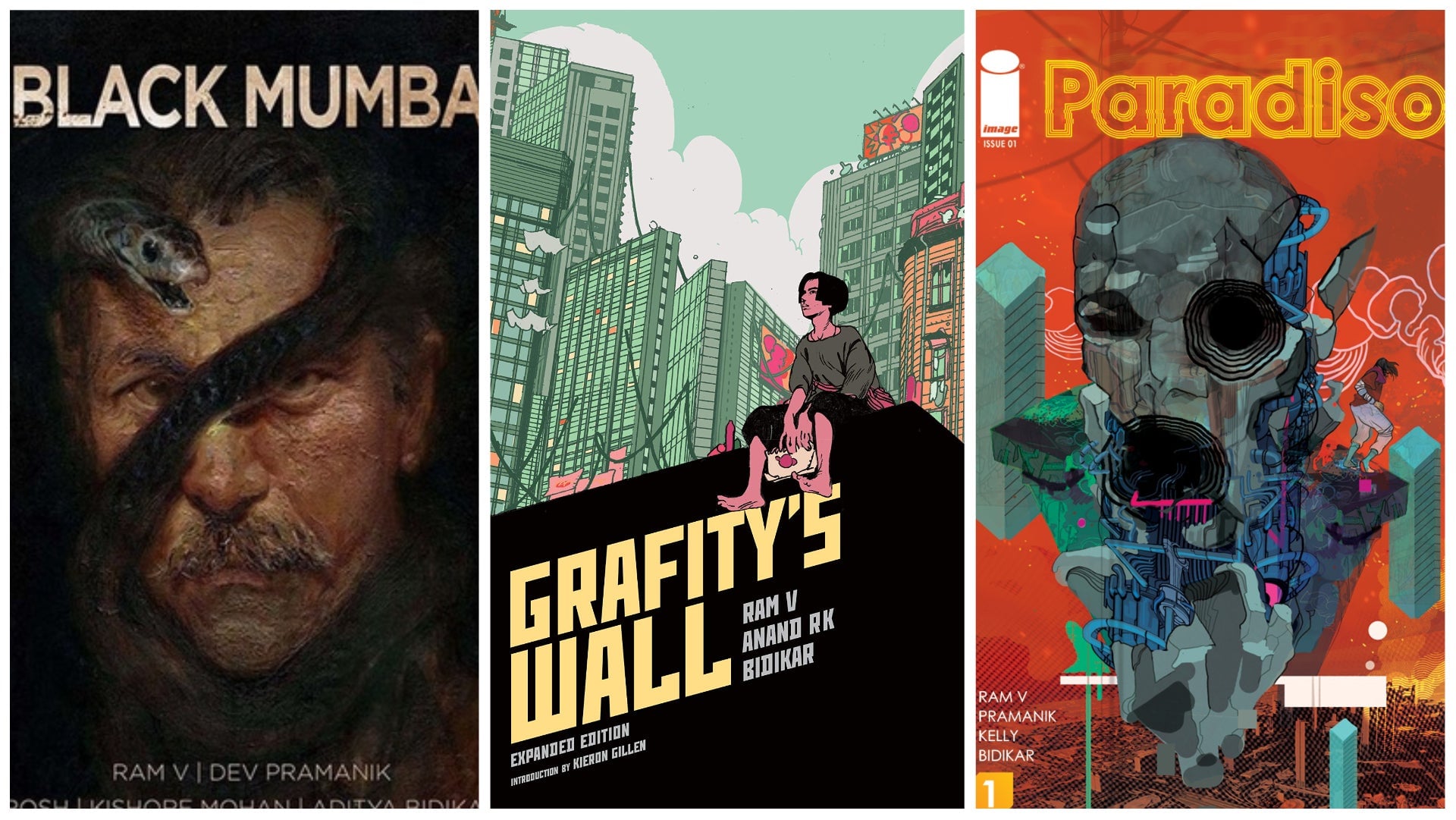
One comic book creator that has steadily been rising up the ranks ever since 2016 is Ram V. Starting with his self-published original graphic novel Black Mumba, with artist Devmalya Pramanik, Ram has since worked on creator-owned titles at Image Comics and Boom! Studios while building up an impressive line of licensed work at major publishers, including DC and Marvel Comics. Ram’s work has garnered him well-deserved nominations for both Eisner and Harvey Awards, among the most prestigious creative honors within the comic book industry.
2022 has been a particularly impressive year for Ram, with his acclaimed creator-owned series with Filipe Andrade, The Many Deaths of Laila Starr, collected by Boom!, his run on The Swamp Thing with Mike Perkins coming to a planned end, and his DC titles Aquaman: Andromeda, with Christian Ward, and T, with Rafael Albuquerque, both launching this summer. In addition to his creator-owned and DC work, Ram also helms the Venom ongoing series at Marvel after relaunching the title last year with co-writer Al Ewing and artist Bryan Hitch. And through it all, Ram still looks for ways to reinvent himself as a writer and storyteller while embracing the creative possibilities of the medium he clearly loves so deeply.
In an exclusive spotlight interview with Popverse, Ram reflects on the origins of his career as a creative writer, explains how he approaches his collaborative process with each of the teams working with him, and shares how he applies his own narrative sensibilities to established characters and worlds like Batman and Swamp Thing.
Popverse: I find it fascinating that your first career wasn’t in comics. What was it about comics that made you want to make the career shift and how did you do it?
Ram V: I had studied to be a chemical engineer and I worked as a chemical engineer for a while but, really, I had been writing since I was a kid. Writing had always been my first love, in that sense, but I didn’t know it at the time. I had gotten a few things published, won a few awards here and there but, as a kid, you don’t think too much about it. It was when I was studying engineering at [the University of Pennsylvania] in Philadelphia that a friend of mine gifted me Vol. 1 of Sandman for my birthday. That was really the first time, somewhere in the back of my mind, that I wished I could write like this.
Fast-forward to 2012 or 2013, I was seriously considering quitting my job, I wasn’t enjoying it, and frankly, I had no idea what I was going to do otherwise. The first thing that my brain leapt to was that I was going to write, because I like writing, and I wrote a few things that got published. Someone suggested to me that I should study writing since I spent half of my life studying something that I didn’t want to do. I moved to the U.K. to study creative writing, wrote a novel as part of that course.
At the end of that, was when I put together Black Mumba, which was my first self-published graphic novel. Faithfully, I handed that to Jamie Rich, who was editing at Vertigo at the time. I met him at Thought Bubble and handed him a copy. A year later, he talked to me about doing something at Vertigo and that fell through under mysterious circumstances. Two weeks later, Jamie contacted me and said “Sorry I couldn’t talk about it then but I’m editing the Bat-office now. Would you like to come and write some Batman stories?” And that’s how that came through, I suppose.
A recurring element in your work, be it licensed titles like Detective Comics or The Swamp Thing or creator-owned like These Savage Shores and Paradiso, is an emphasis on geography and history. What is it about those elements that you find interesting as a storyteller?
It’s a question of delving into material that’s already there. I think it was Carver who said “The job of the writer is to take things that are familiar and make them unfamiliar all over again.” I find that to be a really nice way to look at it. What better way to take something that’s unfamiliar and then root it in the familiar?
You can build fascinating, new worlds all you want but there’s always that depth and shorthand understanding when your fantastical world is still rooted in known and experienced history and geography. [For] places, stories and the events that have shaped them are defining, they define our experiences within them. It becomes this filter or lens through which you view every story I write because of where it’s set and interacts with the events that have come before.
Your Detective Comics run and Aquaman: Andromeda are both scary books and that dark psychedelia carries over to your creator-owned work as well. What is it about viewing these familiar places with a sinister edge?
I like to think that I don’t necessarily lean towards the sinister. Conveniently, Laila Starr is not sinister at all and also set in a very familiar and known location, at least for me. I do enjoy the darker side of things, especially when it comes to things like Detective Comics and Aquaman. I think that’s my approach to that sort of fantastical narrative. Superheroes can be bombastic, fun, colorful, saturated, rich in tone and humor and all of that but so much of the popular culture zeitgeist is filled with quipping, winking, fourth wall-breaking superheroes.
My natural tendency is to go “Oh, everybody is doing that? I’m going to do something else!” I suppose part of it is the reaction of “Have you ever seen Aquaman in this way and be scary?” There are jump scares in the book, it’s circumstantially scary. The same with Detective Comics; there is an undertone of dread throughout it but there’s no overt horror – aside from the demon showing up. I imagine if everyone was telling dark and scary stories, my head would go “I should tell something funny!”
In terms of going against the shadows, what was it about telling a story like The Many Deaths of Laila Starr in this way?
With Laila Starr, I’m doing the same thing but in a completely different way. Because the subject matter is so grim and serious – I’m writing about death – then my head goes to write about death in a funny, happy, positive way; part of it is instinctive. India has a long history of these stories where the God of Death is personified and they come down to Earth and mingle with mortals. I kind of wanted to tell that story but also talk about what we were experiencing as a world.
I certainly wanted to write edgy stories about death when I read Sandman and that was when I was barely 20 and I felt under-equipped to write about something as weighty and poignant as that subject matter. Fast-forward to me being 41, I felt like I could grapple with this now and it so happened that it came out at a time when everyone else was thinking and talking about the same thing. Sometimes pieces just fall into place. I’ve had that story in my head for more than a decade.
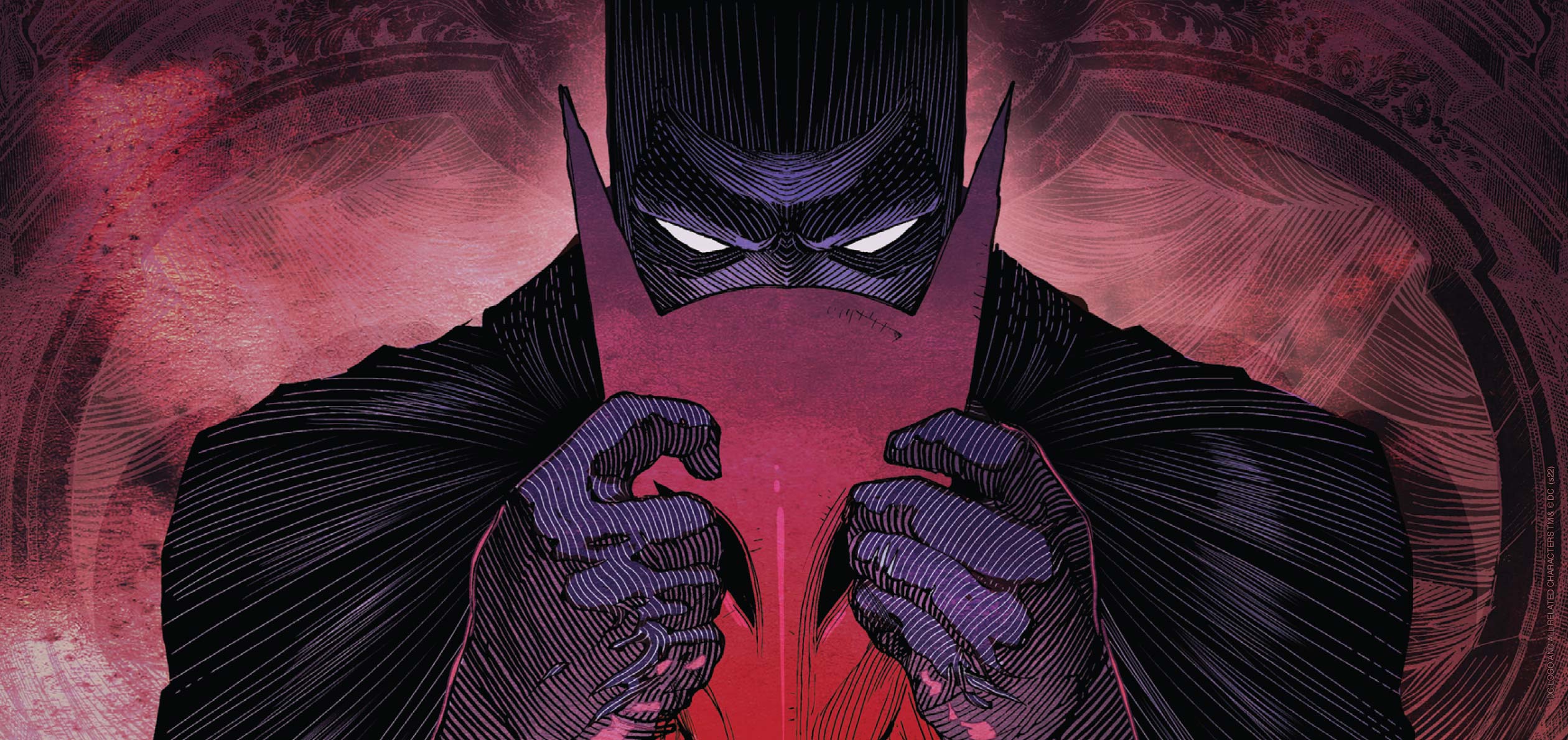
You had explored Gotham City before during your Catwoman run but Selina was largely off on her own in Alleytown at the time. Now that you’re writing the comic book title DC is named after, what does Gotham City mean to you?
I went to my editor and said “I want to try to take on Detective Comics whenever that book becomes available.” Part of that was in reaction to my Catwoman run, in that I had written Catwoman as this character in a corner of Gotham doing her own thing while bigger events in Gotham bounce off of this part of the city and also shape it and affect it. I wanted to do the opposite of that, I wanted to tell the story that was the bigger part of Gotham impinging and affecting all of these stories. I literally just wanted to expand the sandbox that I was playing in.
Outside of that, I think my biggest touchstone for Gotham is probably Batman: The Animated Series, which as a kid growing up watching it, was the first time I had seen that kind of neo-noir, neo-gothic aesthetic put into cartoons. Saturday morning cartoons, for me, were fun, colorful, happy things and here was this thing drenched in gray, deep reds, and had this sinister vibe about it.
Because I came to the mainstream DC and Marvel Comics much later in my life, I was shocked that, outside of a few selective runs here and there, that sort of aesthetic hasn’t really been explored as much in the comics. There had always been this desire to do this proper, operatic, melodramatic, where everyone is in beautiful costumes floating through the air as they speak in high drama dialog. There had always been a desire to do something like that set in Gotham and it just felt like the right time to go and say this is what I want to do.
Congratulations on wrapping The Swamp Thing. What made you want to explore the Swamp Thing mythos and introduce Levi Kamei to it?
Swamp Thing had been one of my early gateways into comics. Following on from the history of me getting into comics, following Sandman, I read everything Neil Gaiman had done in comics and found a couple of Swamp Thing and Hellblazer stories he had done. I read an interview where it was Alan Moore who had directed Neil Gaiman to Karen Berger at the time. I had no clue who any of these people were so my brain went “I wonder who Alan Moore is!” [laughs] That really shaped the reason I was excited about writing comics.
The way that The Swamp Thing happened was there was a list circulated among writers that if you had pitches for any of these characters, they were inviting them. As soon as I saw that list and saw Swamp Thing was on it, I wanted to do a Swamp Thing story. But then that first reaction of enthusiasm passed and I went “Wait, am I asking to write a follow-up to one of the most influential comic runs ever?!”
I immediately messaged Kieron Gillen saying “I have the opportunity to pitch this. Do you have any pointers?” and his first reaction was “Oh, that’s an intimidating thing to pitch!” and I went “Thanks, Kieron. You’re not helping.” [laughs]
I knew really early on that I wanted to do something that was uniquely me, I wanted to stay true to that. The only way to do that was to write what I knew and I don’t know ‘80s Alec Holland. I know 2022’s Levi Kamei and that’s what I did. I wanted to root the story in the struggles of someone who is relatable to people here and now, who is dealing with and grappling with the questions that we’re dealing with and grappling with today. The rest of it was just storytelling chops, I suppose, but that was the impetus behind it.
I love that The Swamp Thing starts out as a mystery and family tragedy but then things like the Suicide Squad and Green Lantern show up. How was it weaving these established elements from the DCU into the story?
I think that’s the magic of comics. Part of the reason that I’m so attracted to the medium is that it has this history of not being constrained by needing to stay in some ideological space. The story can be about two sheriffs investigating a dead body and then, 10 issues later, it can be about an atomic bomb under London; I think that’s the joy about being in comics.
I always get this question from people asking if I get annoyed about characters crossing over that weren’t part of my original idea or whatever and I say “No, that’s the great joy of it!” Don’t ask me to do a crossover between Swamp Thing and John Constantine, everyone has seen that. Ask me to do a crossover between Swamp Thing and the Suicide Squad, that’s interesting. When that came up, I remember my only response to my editor Alex Carr was “Okay, cool but I get to pick which characters get sent after Swamp Thing.”
The moment there was an okay on that, it was easy to pick the characters in a way that I could still tell an intimate, personal story while it still being crazy superhero action.

You mentioned coming to DC and Marvel (and their characters) later in life while making your bones in creator-owned titles. How do you think having established yourself as a person and a storyteller informs how you approach writing established characters?
It’s important for me that I did that because, at least personally, I can tell myself that the reason I’m here writing Catwoman, Batman, or any of these things is because people who hired me to do this like what I do. They’re not asking me to write the character that they read with an idea that they have. They like what I do and therefore I must bring myself to this character. I think that’s a deceptively simple and also incredibly powerful creative drive to bring to these books.
To come to these books that have been around for 80+ years and a character that probably has the largest following in all of pop culture, to come to that book and go “What am I bringing new to this?” The only reason that isn’t insanely intimidating is because I know that’s how I got here. Everything is reflective of that journey and I think more people should establish their voice in their own work first and realize they’re bringing their voice to these characters. It’s not vice-versa, you’re not hired to write the character in the voice they’ve had for 50-60 years.
When you’re working with artists like Christian Ward, Rafael Albuquerque, Mike Perkins, or Sumit Kumar, what do you keep in mind as you’re writing for them?
I always compare making comics to being in a band and some of the musicians that I really enjoy work in different bands – Tom Morello, James Maynard Keenan, any of those musicians – because of your fundamentals in how art works and you realize it’s a collaborative medium. No matter how exceptionally good or bad you are at what you do, the end product will always be the work of 3-5 different people involved. I think one of the most important skill sets to have is understanding what the other person does and brings to the table.
What Christian Ward brings to the table, in my mind, is different from what Mike Perkins brings, which is different from what Rafa brings to the table. Once you realize that, your script is making room for the other person to exist in the space where they are the strongest. That’s like working in a band – if you’re playing with someone who is very good at lead guitar, get out of the way and give them 10 minutes of lead. If you’re working with someone who is exceptionally good at producing riffs, don’t write them a long lead piece, write them riffs.
I think of it that way and hopefully the end result is that you struggle to draw the line between writer and artist. Often I’m reading someone’s view of the work and they either misattribute something Christian did to me or they misattribute something I did to a choice by Christian. That’s always encouraging to me because it means you can’t tell where my work stopped and where Christian’s work began.
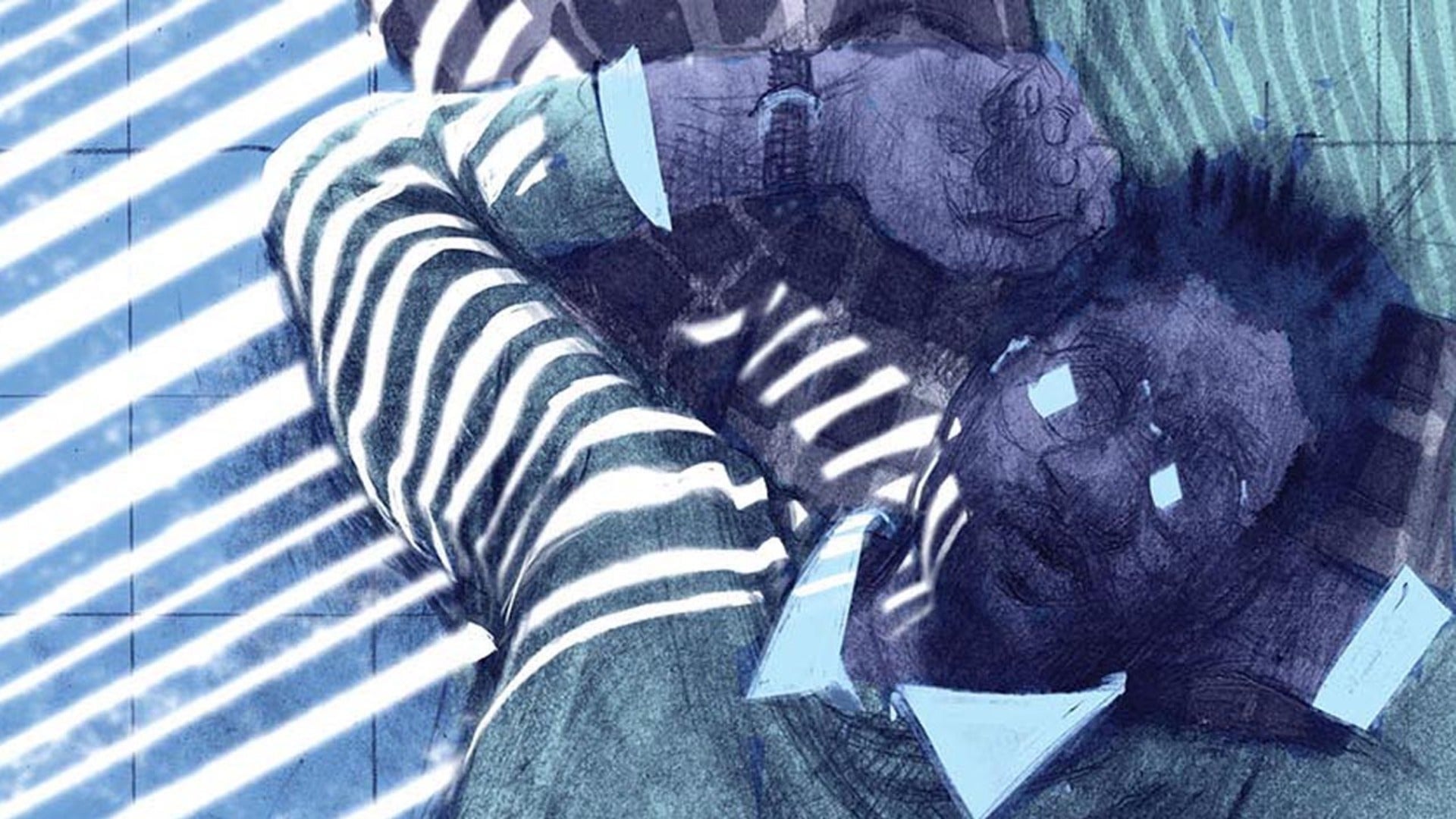
How does that musical analogy inform something like Blue in Green?
Yeah, I think Blue in Green is probably the most pure expression of that that I’ve managed to put into the work. It’s not a thing that I would do again, the way we worked on Blue in Green, which was generally, because it’s a book about jazz, was written spontaneously. The script would be written a couple of pages at a time and Anand Rk would draw them and send them back and the rest of the pages would be written in response to them. It’s a stressful way to make a comic but I think it has very interesting repercussions.
If anything, Blue in Green is a great example because I wager not many people can look at a page and decide what exactly Anand did, what exactly John Pearson did, what exactly Aditya Bidikar did, or what I did on every page. There are parts of that book that I colored and parts of the lettering where I asked Aditya to go in and change the way it was placed. It truly is a collaborative effort, that one.
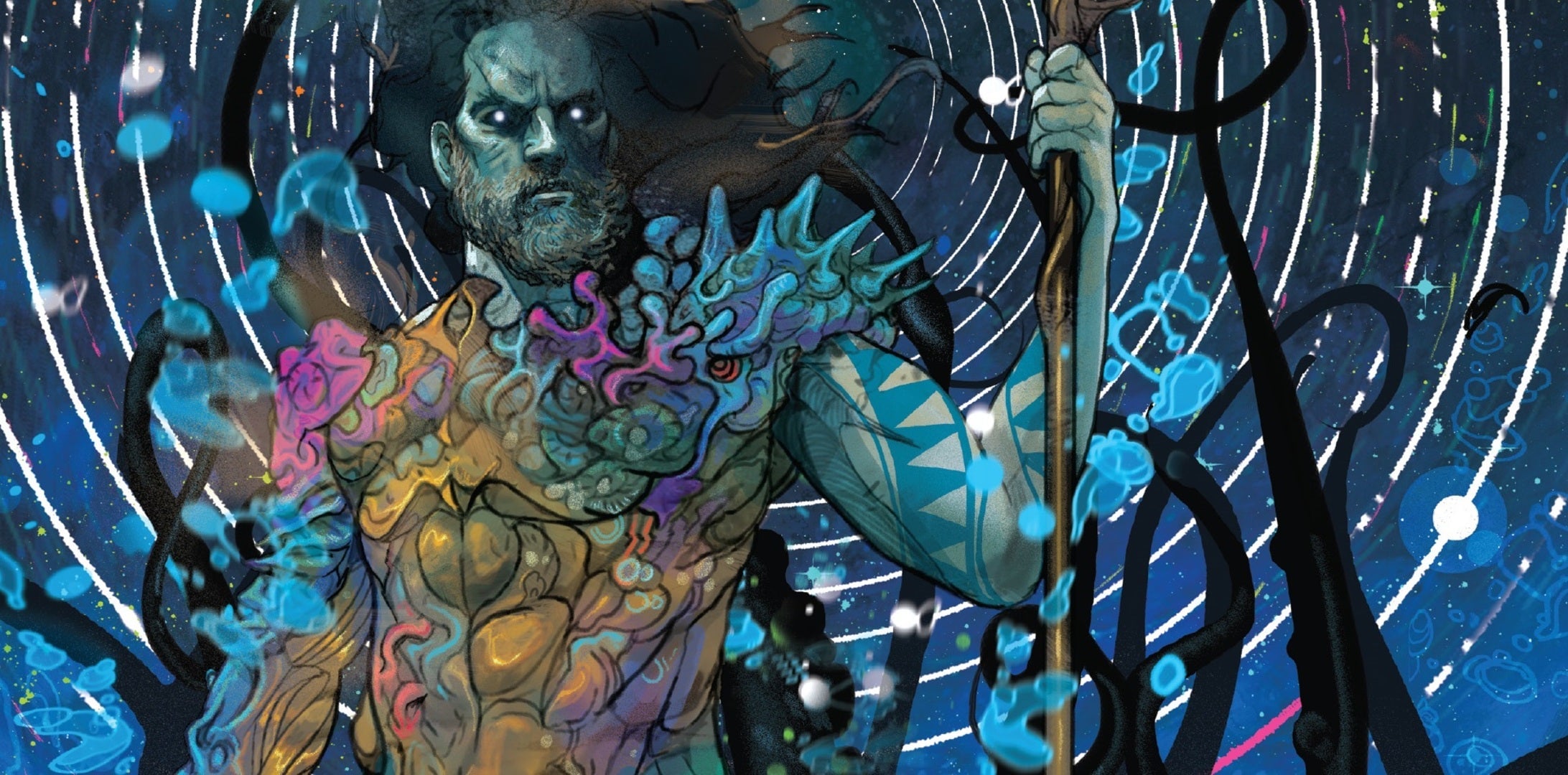
Working with Christian, Aquaman: Andromeda has changed what people might expect is possible from an Aquaman book. How did that DC Black Label project come together?
Ram: We’re still in the process of it, Christian is working on the end of issue #3. That one was actually surprisingly easy in that it is a book that is meant for someone like Christian Ward to be working on it because the magazine-format has so much room and space. One approach would’ve been to fill each page with 18 panels which I’m glad I didn’t do because the way to get Christian to cut loose is give him one image across two pages and tell him to go for it. It always ends up being amazing and beautiful.
Christian is one of those artists where you don’t need to transmit to him specifics of what’s on a page but the emotional quotient of what’s on a page. Once that’s been done, he’s great at using that tone, emotion, and atmosphere with everything that he does and he’s quite the accomplished writer himself. The collaboration there is on a different level.
By my count, you’ve been published in the comics game for six years and, in that time frame, you’ve done creator-owned and licensed work for DC and Marvel. What would you like the Ram of 2028 to keep in mind?
Don’t become boring, that’s what I would say. A very long time ago, I was having a conversation with Dan Watters and I said that, about every decade, a writer needs to reinvent themselves otherwise you’re spouting 10-year-old ideas to people who have moved on. Your time spacing is perfect because that’s about a decade between each of those markers. The biggest reminder I would give myself is to never get comfortable, always keep reinventing yourself. So far, I’ve been able to do that from writing a deep-sea survival horror Aquaman book to writing a darkly humorous take on death. I don’t know where I’m going next! [laughs]
Follow Popverse for upcoming event coverage and news
Find out how we conduct our review by reading our review policy
Let Popverse be your tour guide through the wilderness of pop culture
Sign in and let us help you find your new favorite thing.






Comments
Want to join the discussion? Please activate your account first.
Visit Reedpop ID if you need to resend the confirmation email.