If you click on a link and make a purchase we may receive a small commission. Read our editorial policy.
Why anime can't resist the allure of the isekai [Popverse Jump]
If you've been following anime for the past few years, you're probably wondering where all these isekai anime come from

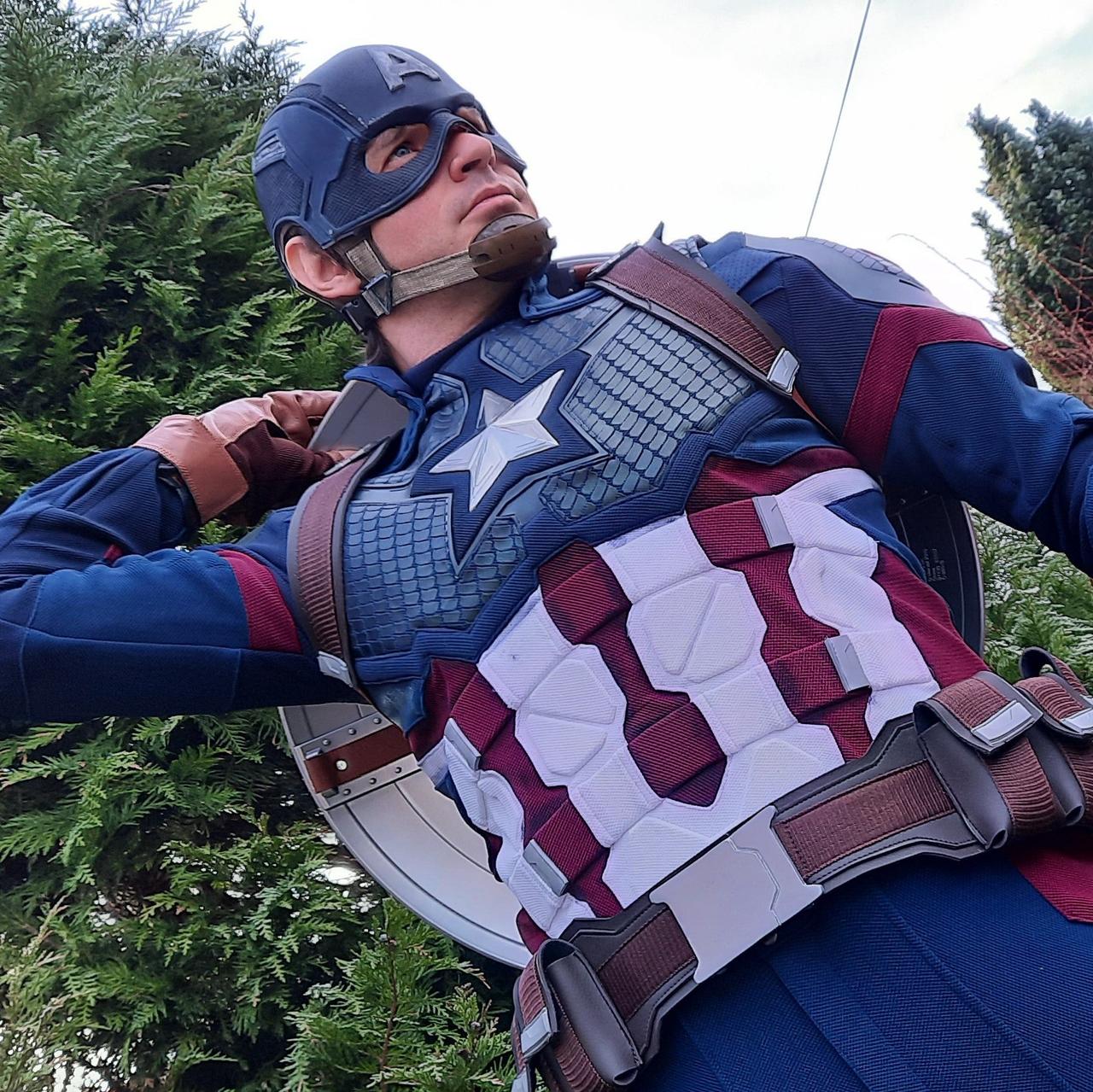
It is a truth universally acknowledged that there can never be an anime season without at least one major isekai series coming out. Whether it is Rising of the Shield Hero, Re:Zero, or That Time I Got Reincarnated as a Slime, you can be sure that at least one of the most talked-about anime of the season will be an isekai. But why is that the case? Why do anime studios keep going back to the isekai genre again and again?
The answer is, of course, that we keep watching it.
While isekai itself is a modern term, elements of it can be found going back to at least the 1800s, with books like A Connecticut Yankee in King Arthur’s Court by Mark Twain and Alice’s Adventures in Wonderland by Lewis Caroll. Foundational fantasy stories like The Chronicles of Narnia and The Wonderful Wizard of Oz are often referred to as “portal fantasy,” which take the protagonists from a world that is familiar to us and into a world that is not. The term isekai is usually translated as “another world,” so any story that has elements of other worlds probably fits somewhere in the genre.
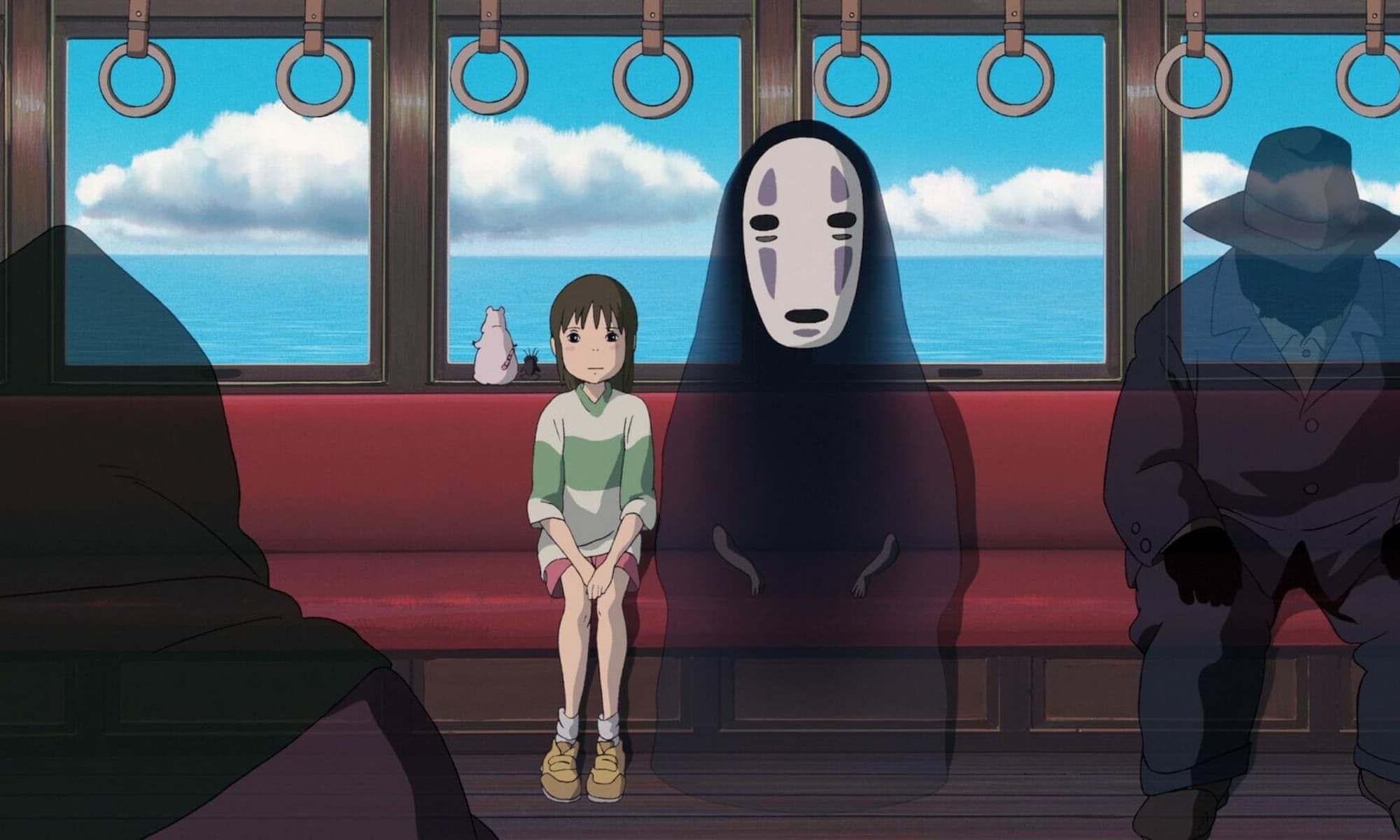
Isekai anime itself came into focus in the late 1980s/ early 1990s, when titles like Mashin Hero Wataru and El-Hazard gained popularity. Even the iconic Spirited Away, arguably Studio Ghibli’s most popular work, could be considered an isekai since the main character Sen spends the majority of her time in a decidedly magical world unfamiliar to her
There are dozens of subgenres within isekai, but most fit comfortably into either Transitional Isekai or Reincarnation Isekai. Transitional is where someone is taken from their world to another, often being summoned through magic or science, and receives new powers as a result. Sword Art Online and Rising of the Shield Hero are both examples of this, as is, oddly enough, the first Thor movie in the MCU (at least from the perspective of Thor himself). Reincarnation Isekai is similar, but involves the protagonist dying and being reborn into a new body in a new world. That Time I Got Reincarnated as a Slime is an obvious one of these, but my personal favorite is probably Cautious Hero.
The allure of the isekai for fans is usually pretty obvious; it is literal escapism. People can be transported from a place where they have little power into a place where they have all the power. That wish fulfilment aspect is also why many of these anime include harem elements, a la Konosuba; because if you’re satisfying the viewer’s lust for power, you might as well also satisfy their lust for sex at the same time. The two aren’t mutually exclusive, after all.
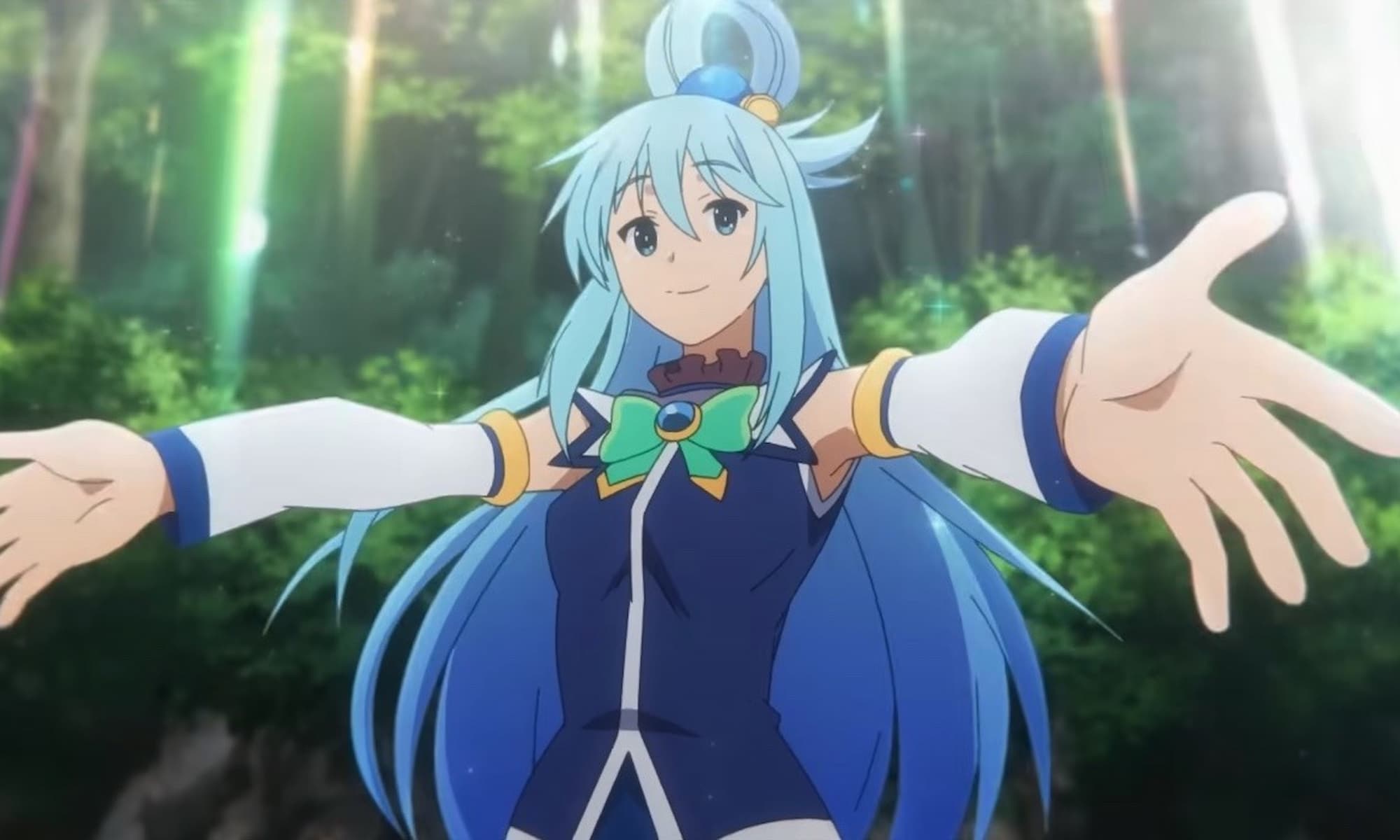
For studios, isekai anime represent a familiar formula that fans are familiar with. We barely blink an eye when a truck runs down a Japanese youth in the opening moments of a show, and we are eager to accept the idea that someone’s obsession with video game mechanics and plotlines would make them the hero in a new world. These shows don’t need a huge amount of setup before they can get to the main plot, even when they have absurd concepts like someone being reincarnated in a new world as a vending machine.
This allows writers to focus on more elaborate worldbuilding, potentially including things like game-like mechanics that would further complicate the story otherwise. It also doesn’t hurt that there are countless isekai light novels and manga, just waiting to be turned into an anime. Just like the decades of Superman stories to inspire new films every few years, this is a well that seems to show no sign of running dry.
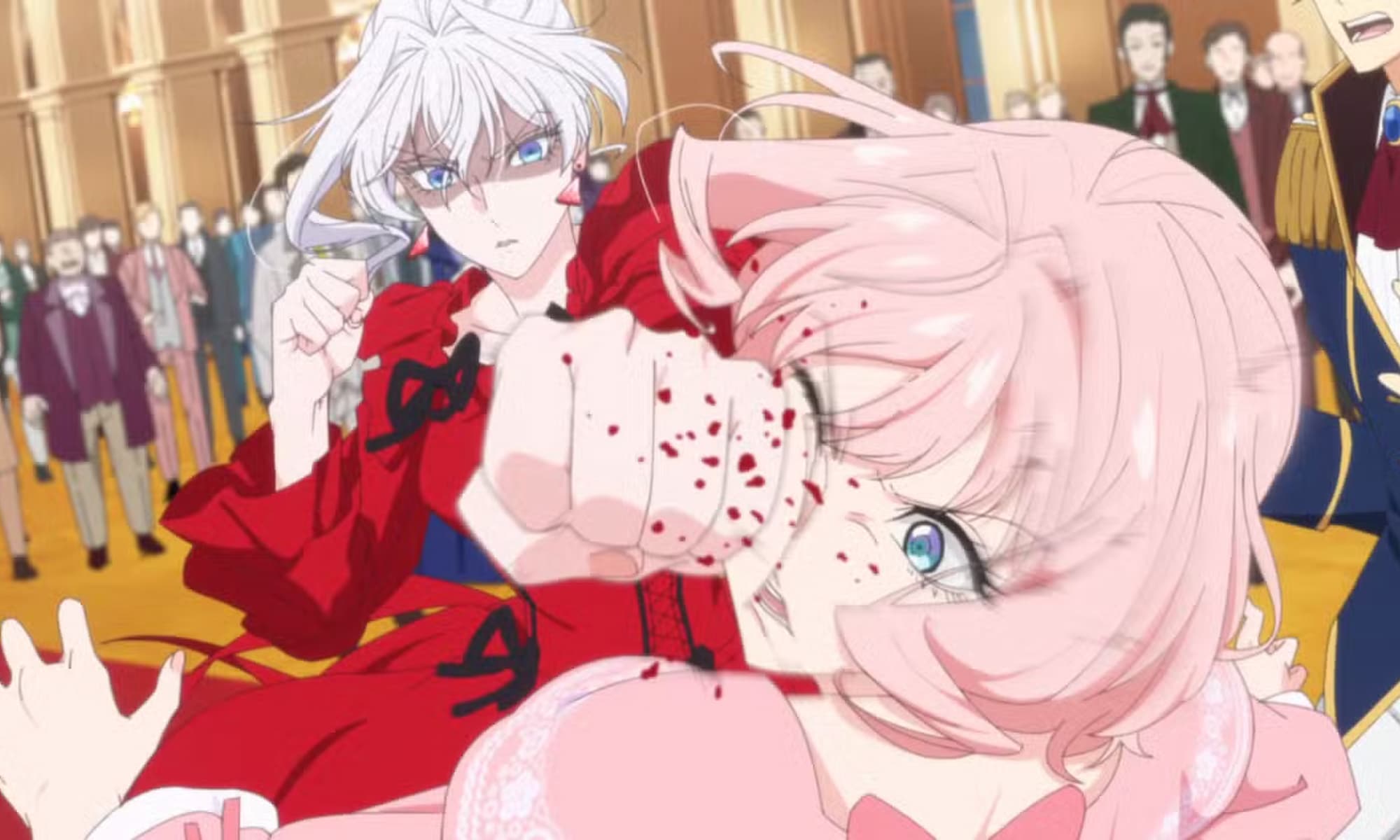
How pervasive are isekai tropes now? Even light novels that are obviously not an isekai, such as May I Ask For One Final Thing?, have characters who are in their own isekai story. That series isn’t an isekai simply because the main character is native to the world it takes place in; if the same story were told from Terenezza’s point of view, it would fall nicely into the isekai genre. Solo Leveling, one of the most popular anime in recent years, has many of the trappings of a Reverse Isekai – that is, where otherworldly characters and creatures enter our world, thereby making it unfamiliar to the main character – even though the ending makes it clear that is not the case.
We are long past the point of isekai saturation in the anime industry, which should be a sign that the trend is on the way out. But the siren song of the isekai calls to both fans and studios every season because the genre is built upon the kind of pure escapism that we all need right now.
Want to know what's coming up next in pop culture? Check out Popverse's guides to:
Follow Popverse for upcoming event coverage and news
Find out how we conduct our review by reading our review policy
Let Popverse be your tour guide through the wilderness of pop culture
Sign in and let us help you find your new favorite thing.

Comments
Want to join the discussion? Please activate your account first.
Visit Reedpop ID if you need to resend the confirmation email.