If you click on a link and make a purchase we may receive a small commission. Read our editorial policy.
The one thing that Dan Da Dan does better than Demon Slayer ever did [Popverse Jump]
If every one has a tragic backstory, then does anyone really have a tragic backstory?


For the past six years, Demon Slayer has been one of the biggest names in anime. With four seasons and the highest-grossing movie in Japanese box office history, it is fair to say that it is a cultural phenomenon that extends well beyond the anime itself. However, there is another demon-hunting anime out that is hitting a lot of the same notes as Demon Slayer. I am not saying that Dan Da Dan is a better anime than Demon Slayer: Kimetsu no Yaiba, but I am saying that the way it gives its demons their tragic backstory works much better.
Demon Slayer’s penchant for giving nearly every major demon that Tanjiro kills an element of tragedy has become so much a part of the series’ DNA that it is almost predictable at this point. The moment their head gets chopped off, the pacing of the show grinds to a halt to show us how these demons were once humans. Humans who faced hardship and pain and became the worst versions of themselves thanks to Muzan’s intervention.

Here is the thing: I totally get it. I understand why the original manga did this, especially since I know how Demon Slayer ends. It is all to draw parallels between the horrors that Tanjiro has faced – coming home to find his entire family dead and his sister turned into a demon – and the monsters he now faces. The message is obvious: Tanjiro and Nezuko could have been just like them if they didn’t have each other.
It is a worthwhile message, but the execution is sloppy at times. Because Demon Slayer insists on giving every major demon a backstory, it becomes frustrating and predictable, especially when the pacing comes grinding to a halt at the end of one of the series’ incredibly hype fight scenes. Which is why the way Dan Da Dan does the same thing is so refreshing.
If you’ve heard me gush about how incredible Dan Da Dan episode seven was, you might already be on your way to the comments to call me a hypocrite. After all, isn’t that the exact same thing I’ve just criticized Demon Slayer for doing? A huge, climactic fight that ends with a whole episode that is just the emotionally devastating backstory of the demon Momo and Okarun just fought? Yes, but there are some key differences here that make it work better.

First, Dan Da Dan only does this sparingly, which makes it hit harder. Instead of a flashback following nearly every fight, they are sprinkled throughout the series, which makes it less predictable. Second, Dan Da Dan goes harder with the tragedy, leaning into the more mature tone of the series. Shifting between the budding, awkward high school romance to a story of crushing debt and child abduction is wild and unexpected, which makes the sequence stick with you long after it ends.
There is also the fact that Dan Da Dan plays with the formula a bit. With season two, we are introduced to Evil Eye, who is a yokai born from a child who was neglected and eventually sacrificed to a volcano. It is horrifying to watch, and, because it is shown in the middle of the arc rather than at the end, we’re almost tricked into thinking he’ll be redeemed by the end.
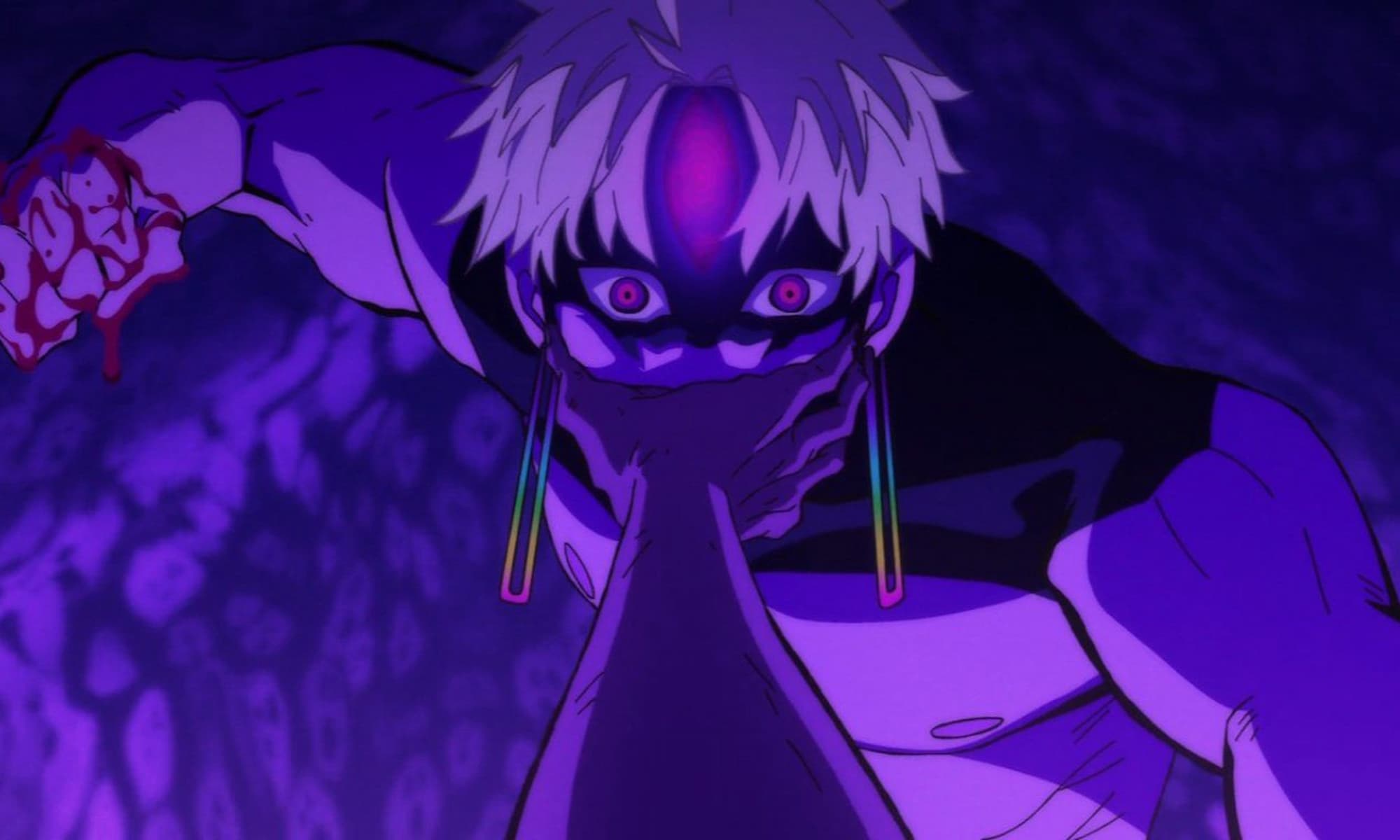
Nope. Evil Eye is an absolutely terrifying monster who wants nothing more than to kill every human it encounters. The fight that follows is intense but somehow more tragic because we know the source of Evil Eye’s hatred and anger comes from a reasonable place. And yet he still must be stopped. He still must be fought even as we sympathize with his pain. That is the real tragedy.
I couldn’t tell you if the creator of Dan Da Dan was directly influenced by Demon Slayer in this regard, but I can tell you that they’ve taken the same trick Demon Slayer has employed since its first arc and made it work significantly better. By keeping us guessing and not giving every monster a tragic reason for being a monster, it makes the show work better overall.
Want to know what's coming up next in pop culture? Check out Popverse's guides to:
Follow Popverse for upcoming event coverage and news
Find out how we conduct our review by reading our review policy
Let Popverse be your tour guide through the wilderness of pop culture
Sign in and let us help you find your new favorite thing.









Comments
Want to join the discussion? Please activate your account first.
Visit Reedpop ID if you need to resend the confirmation email.