If you click on a link and make a purchase we may receive a small commission. Read our editorial policy.
How Daredevil redefined Marvel’s ‘world outside your window’ motto for a darker age
Under writer Ann Nocenti's pen, the importance of Daredevil expanded beyond Marvel Comics as he dealt with contemporary problems in New York City in the mid-to-late-1980s
Popverse's top stories
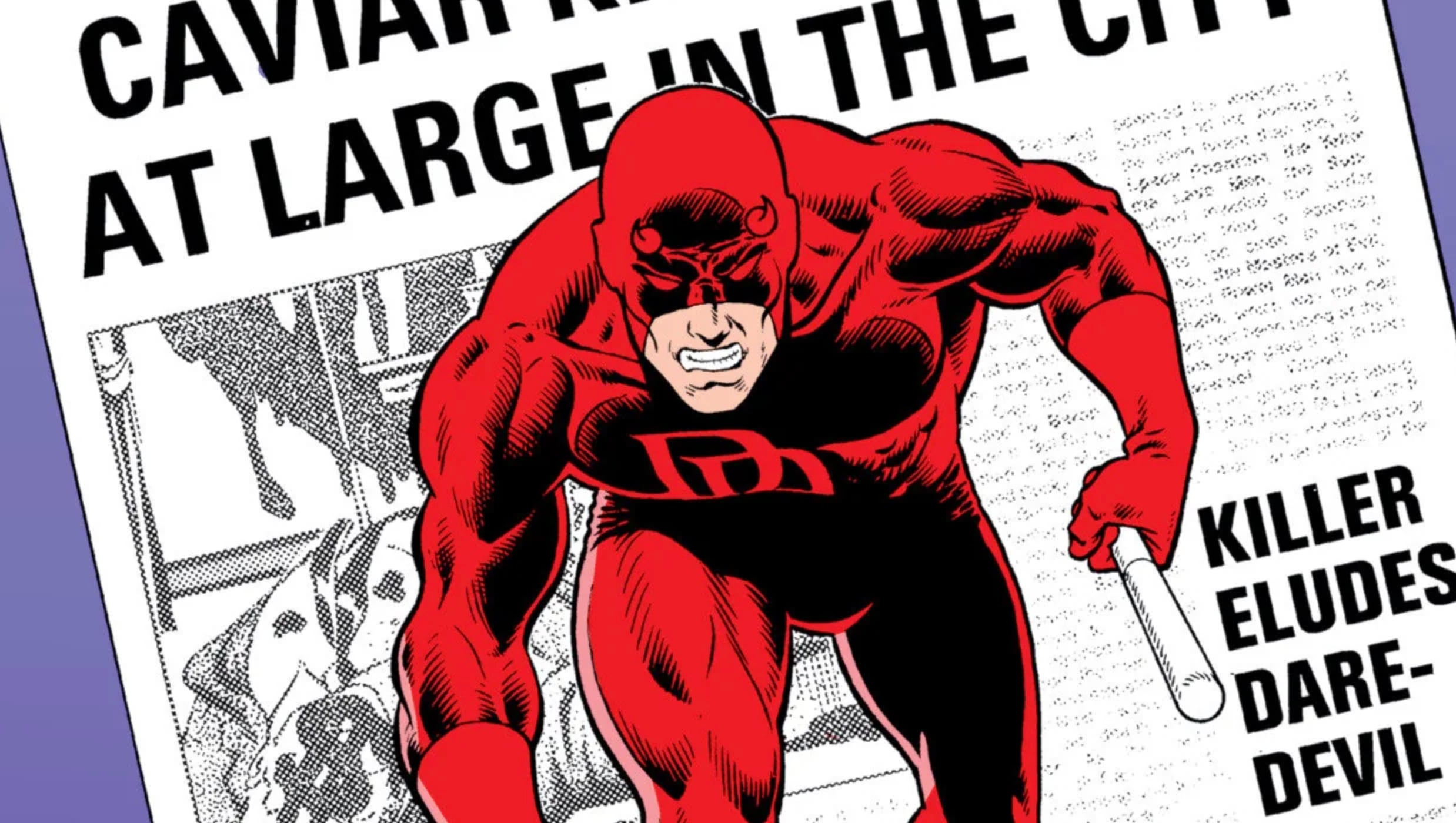
As created in 1964 by Bill Everett, Jack Kirby, and Stan Lee, Marvel’s Daredevil was a blind Irish American lawyer named Matthew Murdock, who moonlights as a vigilante named Daredevil – but aside from leading some of Marvel’s most critically-acclaimed comics, the hero does something more valuable than most Marvel characters, offering an illuminating look into contemporary socio-political problems – whether or not they are actually discussed upfront in his comics.
Idealism is inherent to the superhero genre. When originally imagining larger-than-life figures representing good and evil and everything in between, American comic book creators in the 20th century envisioned a world where costumed figures were champions of their own cause; for every evil in society, there was a vigilante willing to take a stand against it. Through reading the adventures of characters like Captain America, the X-Men, Spider-Man, and more, comic book readers could be inspired to become heroes in their own communities - or so the story goes, at least.
Perhaps as a reflection of this, the Marvel Comics Universe has represented itself as “the world outside your window” for several decades now – but what do we actually mean when we say “the world outside your window?” Even in New York City, where so many Marvel books take place, the world looks considerably different from the top floor of a mansion in the Riverdale area of the Bronx than from an apartment in Queens’ Kew Gardens (you’ll see a lot more Yankees hats in the Bronx, whereas the Mets reign supreme in Queens). When Marvel announces that it seeks to represent “the world outside your window,” what world does it actually want to depict? Whose world is it?
The answer to this question can be found in the pages of Daredevil comics.
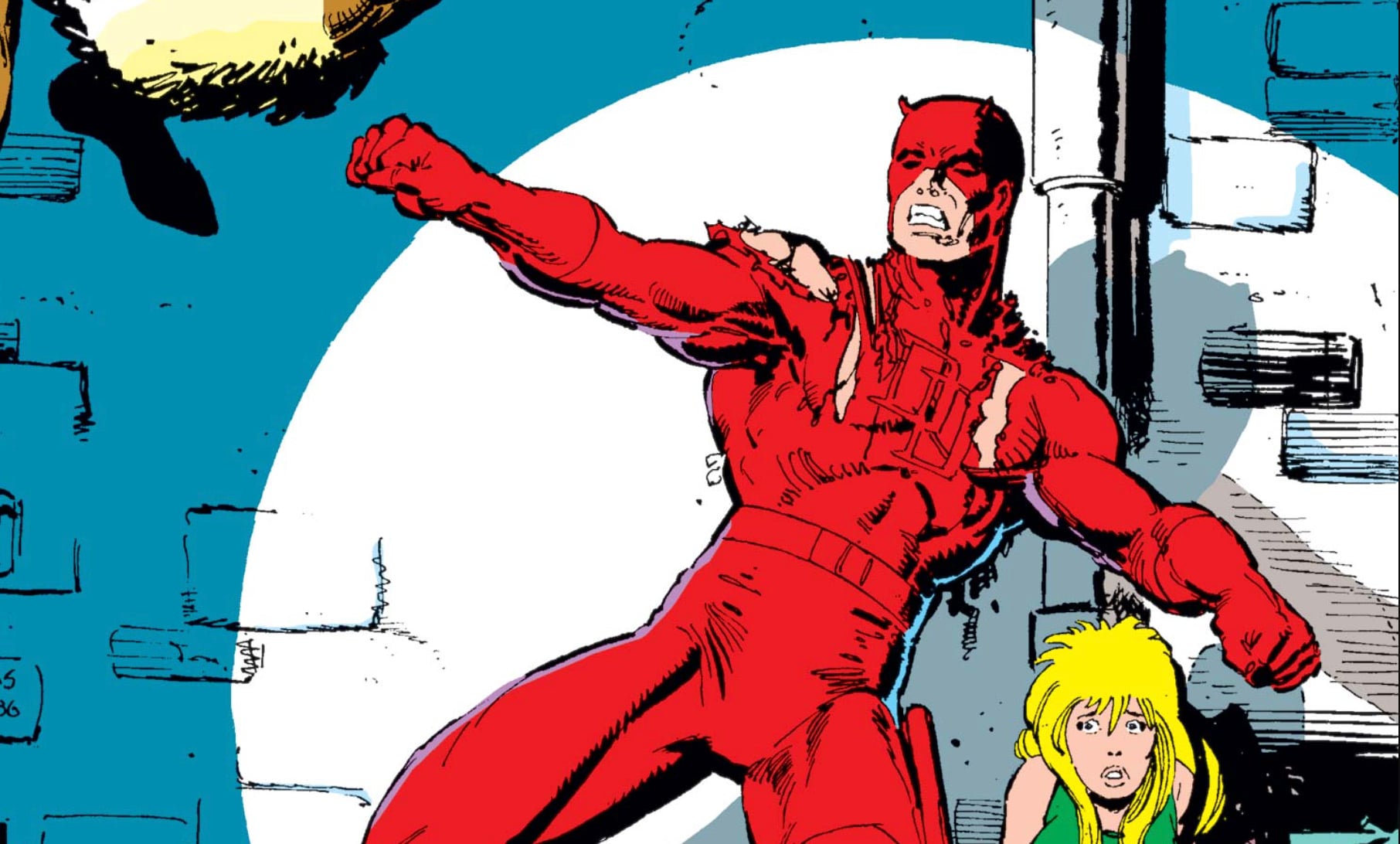
When Daredevil was first created during the Silver Age of Comics, Marvel’s “world outside your window” slogan referred to the relatability of their characters and American postwar optimism. Indeed, in Daredevil #1, teenage Matt Murdock is introduced as a bookish kid who is bullied by his peers, earning him the mocking nickname, “daredevil.” Likewise, Marvel found success with nerdy wallflower, Peter Parker, who had blossomed into Spider-Man only a couple years before. Between Matt Murdock and Peter Parker, they were your average guys you might expect to see on the street on any given day.
However, Daredevil fundamentally changed the meaning of “the world outside your window” when writer Ann Nocenti began her run on Daredevil #238, in 1986. While Frank Miller, whose run on Daredevil precedes hers, is largely credited with taking the character into a grittier and darker direction, Nocenti went several steps further. Miller embellished a world of crime in New York City, complete with a ninja group called The Hand and a Greek assassin named Elektra, to dress up Daredevil’s adventures, whereas Nocenti’s Daredevil stories were rooted directly in contemporary social problems. Together with artist John Romita Jr. and inker Al Williamson, the primary art team for her five-year run, Nocenti’s Daredevil is a solemn chronicle of issues like human trafficking, environmental racism, ableism, housing inequality, the War on Drugs, sexism, and more. Daredevil became more than just a superhero, he bore witness to the everyday violence of 1980s New York City, while also reckoning with his own contributions to it. What place did Matt Murdock’s fists even have in a world overrun with violence?
This is explored at length in a two issue arc with the villain Rotgut, in Daredevil #239 and #240. Penciled by Louis Williams, Nocenti’s story features Daredevil’s clashes with Rotgut, a traumatized man set on purging New York of sex workers, immigrants, and anyone else he sees as aberrant and a “disease” infecting the city. As Daredevil stops Rotgut from poisoning an apartment building’s water supply, Rotgut says, “You don’t understand… how the world kills…” to which Daredevil responds, “I do. I, of all people, see, smell, hear more vividly than you can image… all the poison and disease in the world. So stop it! I understand your pain! I want to help you see the world — the way it can look. There is still health and beauty…”
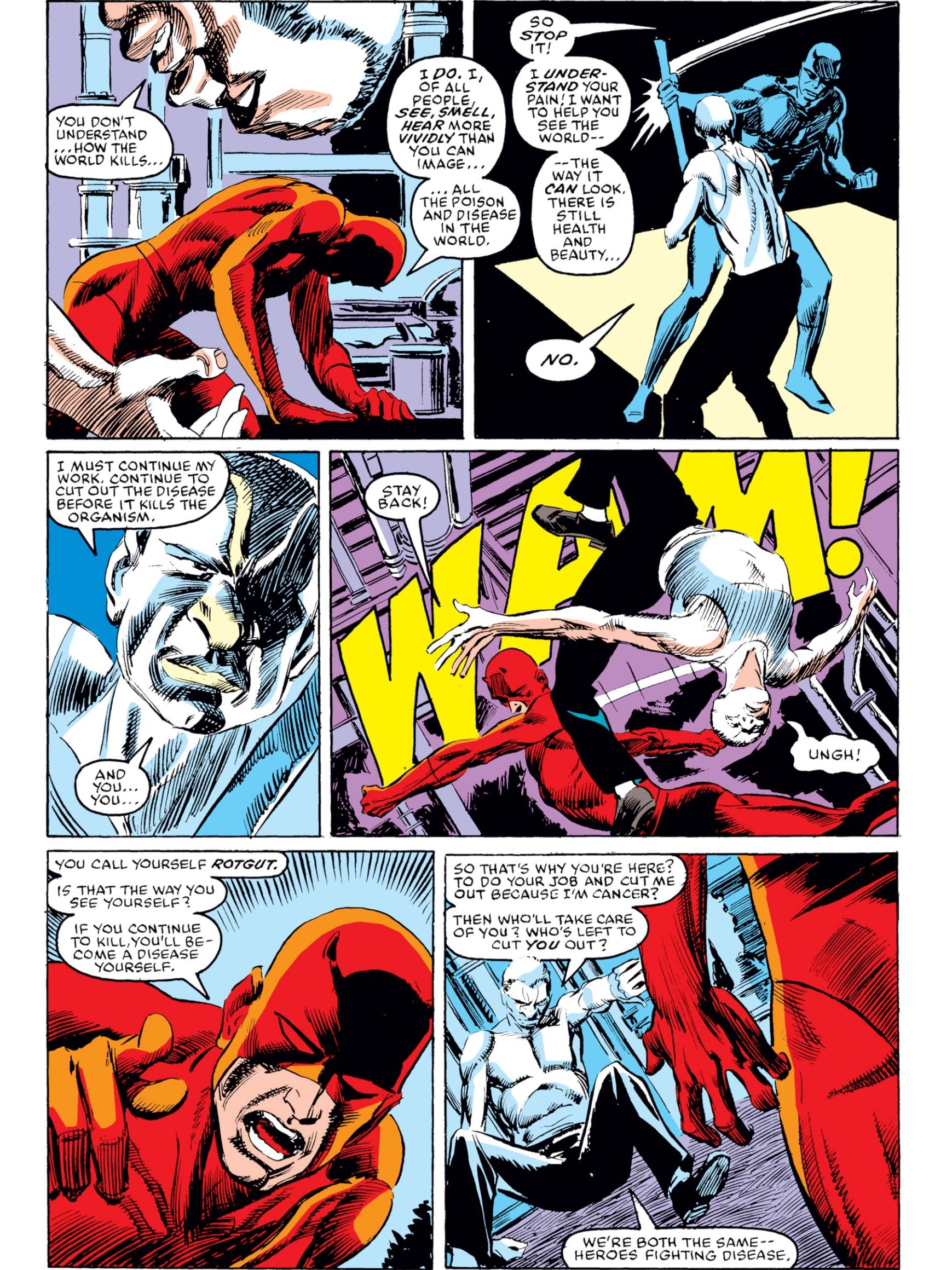
Rotgut and Daredevil’s fight reveals how Nocenti brought Daredevil’s abilities to a new level of political salience. It would be remiss for someone like Matt Murdock, who is viscerally aware of all of the city’s problems because of his heightened senses, to not engage with the historical moment Nocenti was writing in. In this one scene, Nocenti’s writing beautifully captures both the hurt felt by so many New Yorkers, along with the original idealistic spirit of “the world outside your window” slogan. While Daredevil acknowledges the “poison and disease in the world,” he also is committed to recognizing its “health and beauty” alongside the pain.
Instead of presenting an idealized “world outside your window,” Ann Nocenti’s writing on Daredevil showed readers how the world outside Marvel’s offices was screaming in pain. In 1987, The New York Times reported a series of violent incidents at high schools in Hell’s Kitchen, where students brought guns, machetes, knives, meat cleavers, and brass knuckles to school as a means of self-defense. Irish gang activity persisted in Hell’s Kitchen with a group called the Westies, who were known to carry out murders for the infamous Mafia boss, John Gotti. Residents of Hell’s Kitchen called for an end to the senseless violence they were subjected to on a daily basis, while social workers manned a 24 hour hotline intended to curb child abuse and assuage the nerves of parents at their wits’ end.
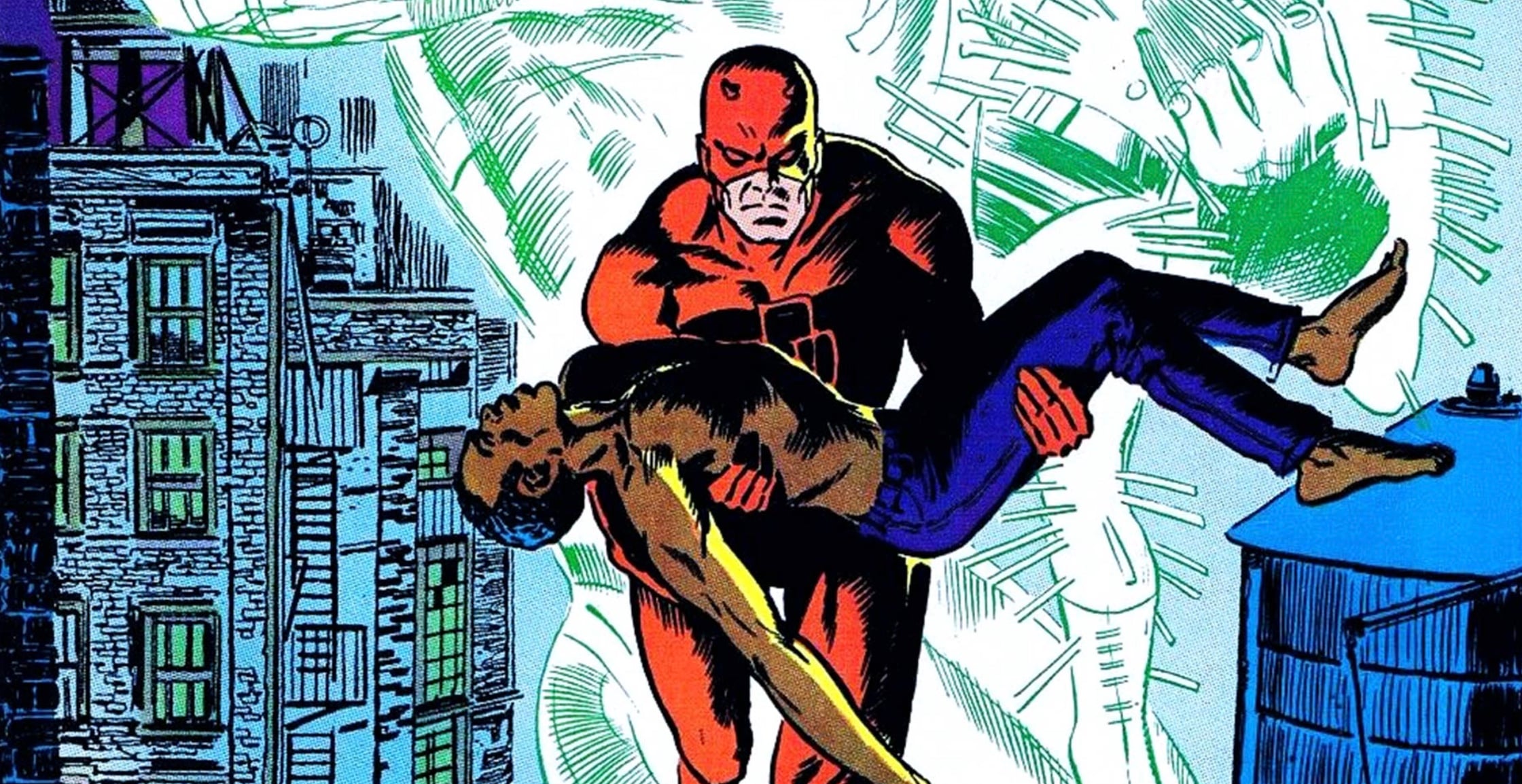
More often than not, the problems that Daredevil encountered each month could not be fixed overnight. He would meet a villain who represented a societal evil, and the issue would close out with a sense that Daredevil’s work was nowhere close to being done. This sense of continuation mirrored how the problems addressed in Nocenti and Romita Jr.’s run still existed, still impacted the lives of New Yorkers, after Marvel readers were done reading the latest Daredevil issue. Matt Murdock may not have been real, but the people of Hell’s Kitchen and their problems certainly were.
In taking this approach, Nocenti and Romita Jr.’s Daredevil pointed out a central flaw in Marvel’s famous slogan. The villains in Nocenti and Romita Jr.’s Daredevil were not space aliens or toothless characters like Stilt Man, but ordinary people like Rotgut who were so twisted by hurt that it became their only means of communication. Their actions could be seen and heard every day on the sidewalk, where they smashed the glasses off my father’s face and jumped my brother as he was walking into our dad’s Upper West Side apartment building. For millions of New Yorkers at the time, Nocenti and Romita Jr.’s Daredevil was the world outside their window. It had just taken Daredevil twenty five years (and Nocenti’s vision) to fulfill Marvel’s full potential.
Fear not, we have the essentials when it comes to Marvel's Daredevil - especially with Marvel Studios' Daredevil: Born Again. Check out:
- The key difference between Netflix's Daredevil and Marvel Studios' Daredevil: Born Again, according to the showrunner
- The best Daredevil stories of all time
- What to watch before Daredevil: Born Again
- If you’re starting Daredevil, here’s why Born Again matters
- Popverse Picks: Our favorite things for Marvel's Man Without Fear including Ann Nocenti comics, the Netflix series, and more
- How Vincent D'Onofrio reinvented Daredevil's Kingpin
- Marvel's Daredevil actors, ranked from Charlie Cox to Ben Affleck and even Rex Smith
- How Frank Miller accidentally killed a Daredevil cartoon (and Marvel killed a book to avoid pissing him off)
- That time we caught Daredevil actor Charlie Cox sneaking into New York Comic Con as Bluey
Follow Popverse for upcoming event coverage and news
Find out how we conduct our review by reading our review policy
Let Popverse be your tour guide through the wilderness of pop culture
Sign in and let us help you find your new favorite thing.



Comments
Want to join the discussion? Please activate your account first.
Visit Reedpop ID if you need to resend the confirmation email.