If you click on a link and make a purchase we may receive a small commission. Read our editorial policy.
Why Justice League: Dream Girls marks a turning point for trans heroes in the DC Universe (and why we need it now more than ever)
DC Comics says “Trans Rights”: Justice League: Dream Girls explained and explored.
Popverse's top stories
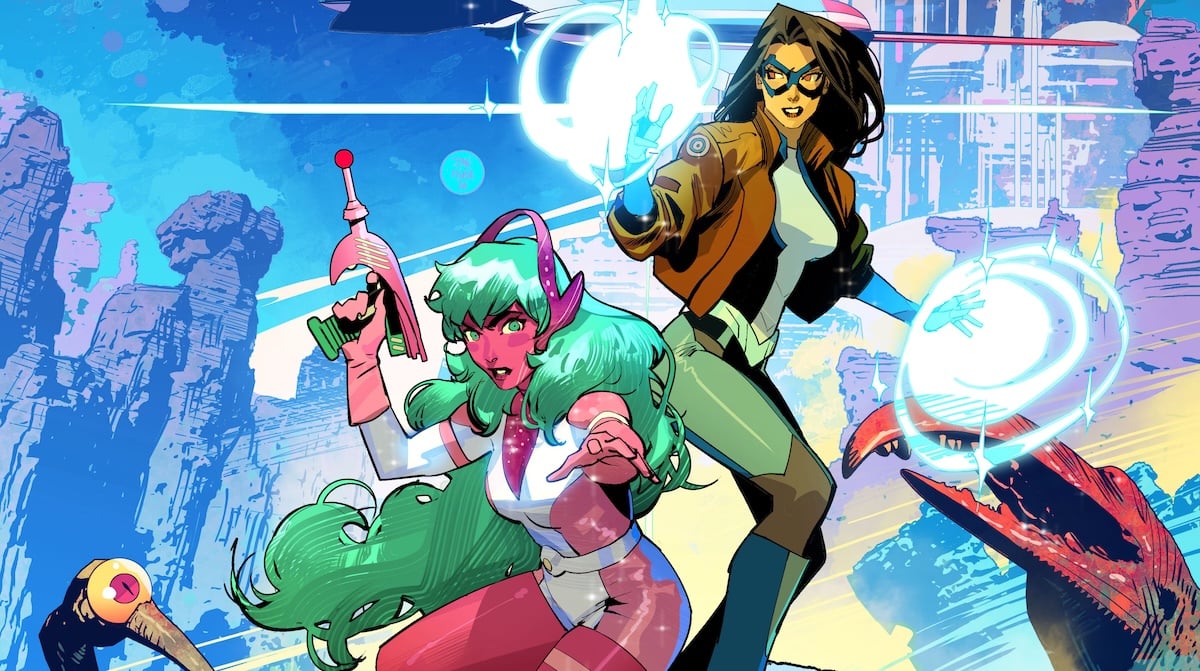
This year, DC Comics is really going all in with its annual DC Pride offerings. Specifically, the DC Pride line is being expanded in 2026 to include a four-issue weekly DC Pride Event, Justice League: Dream Girls. Centered on rising star trans characters Galaxy and Dreamer, and featuring trans creators behind the scenes, Dream Girls might just set the new gold standard for trans storytelling in mainstream cape comics.
Trans Rep and You in the DCU
So, what makes Dream Girls such an impressive project? One integral element is the characters themselves. As mentioned above, both Galaxy and Dreamer are textually transgender.
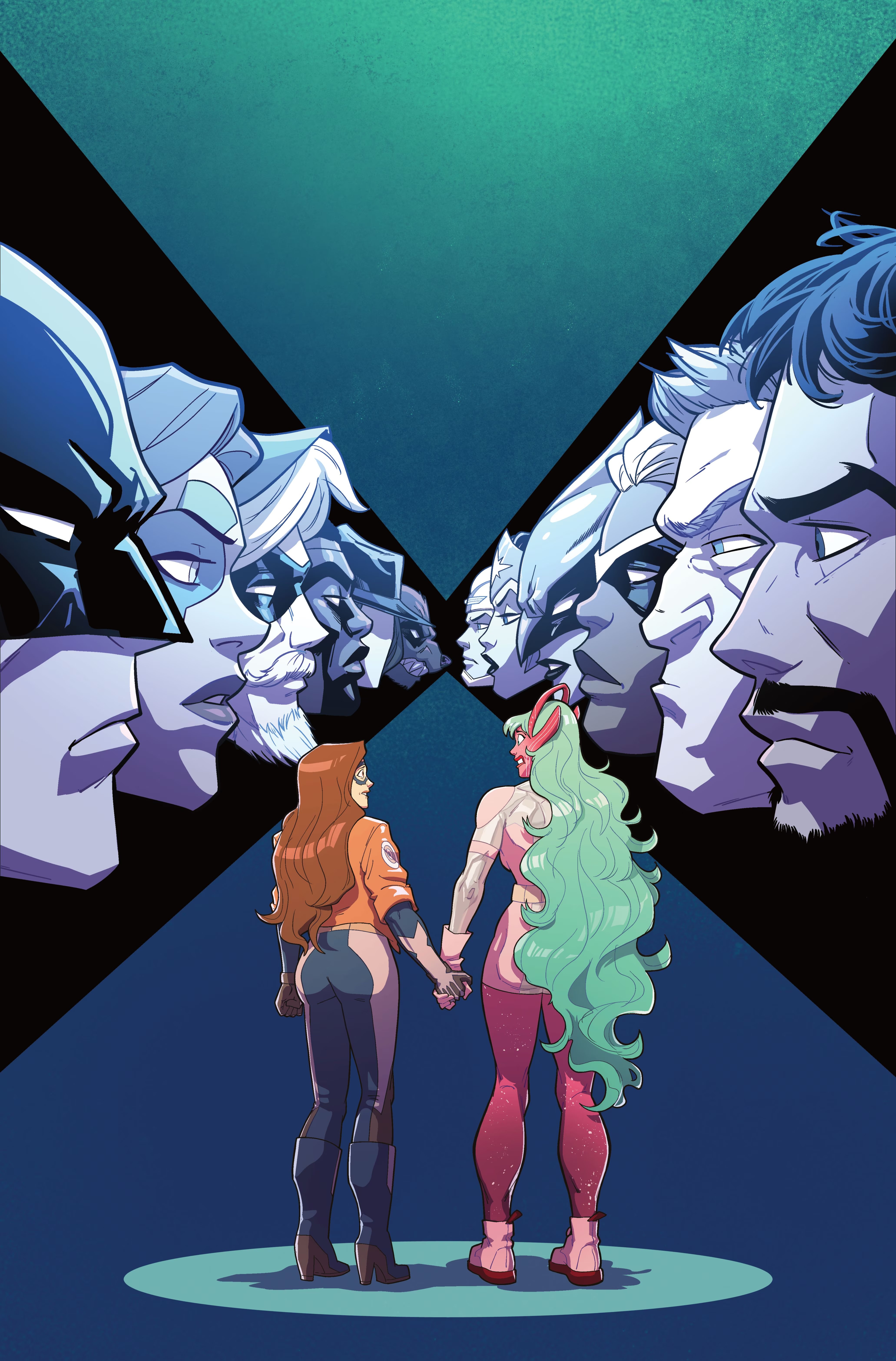
When there is a dearth of trans representation, viewers who are thirsty for trans representation may find themselves in characters who aren’t textually trans. Sometimes, creators will even intentionally tell trans-coded stories, but use fantastic genre elements to stand in for the reality of transition.
For example, when Star Trek: Deep Space Nine was airing from 1993 to 1999, Trill character Jadzia Dax (later Ezri Dax) was recognized as being trans-coded. Jadzia even appeared on the cover of Transgender Tapestry #76 in the summer of 1996. Or, for a more recent example, consider the widely disseminated social media theory that Spider-Gwen was portrayed as trans in 2023’s Spider-Man: Across the Spider-Verse.
There’s nothing wrong with this kind of identification, among trans audiences or otherwise. Part of the appeal of genre storytelling is its propensity to allow specific characters’ storylines to personally resonate with so many demographically diverse individuals. And as demonstrated by Spider-Gwen and Jadzia Dax, a character doesn't need to be textually trans for their story to resonate with trans audiences specifically.
However, there is something to be said for genre characters who are textually trans. For one thing, there is always some troll waiting in the world wide web's wings to expound upon why Gwen, Dax, or any other character 'claimed' by the trans community isn’t actually trans. Making the character textually trans obviates this corrosive annoyance. And if the story that’s meant to be told is indeed trans in nature, the themes can only be strengthened by telling it in a full-throated and genuine manner, rather than pulling punches in the hope of evading scorn from increasingly high-profile right-wing personalities.
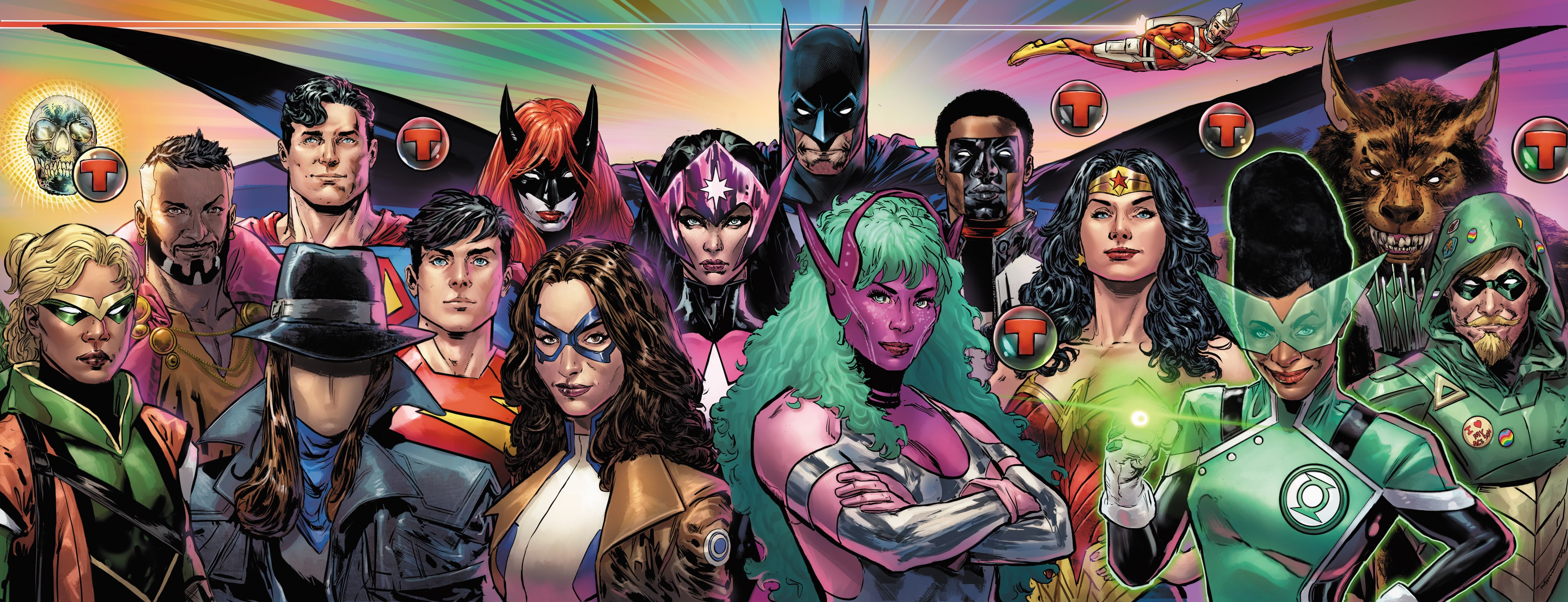
So, for these reasons and oh-so-many more, it is exciting that DC has allowed two textually trans characters to be centered for this year’s DC Pride lineup. Also, it’s worth noting that – as exciting as it is to see Galaxy and Dreamer given the spotlight in such a way – they are not the first trans characters to grace the panels of DC Comics. Perhaps the best known is Coagula, AKA Kate Godwin. Introduced in 1993’s Doom Patrol #70, Coagula was created by Rachel Pollack, and her storylines reflected the fact that the character was textually trans.
Nevertheless, both Galaxy and Dreamer have unique elements that make each of them exciting characters to have spotlighted for the upcoming DC Pride event. And furthermore, having a storyline that spotlights not just one, but two trans women characters is important in and of itself.
Enter Galaxy and Dreamer
Galaxy and Dreamer were each brought into the DC Comics mainline continuity in different and interesting ways.
Dreamer had her origins on the CW show Supergirl. Portrayed by Nicole Maines, Dreamer appeared on the show from seasons 4 through 6, which aired from October 2018 through November 2021. DC itself declared that this makes Dreamer the first transgender superhero to appear on television. According to the show's producers, Maines worked closely with the show’s writers to ensure Dreamer was portrayed authentically.
Dreamer, AKA Nia Nal, was based on the DC Comics character Dream Girl, AKA Nura Nal (Nia is Nura’s ancestor). Maines would later reprise the role for The Flash’s ninth and final season, which aired in 2023.
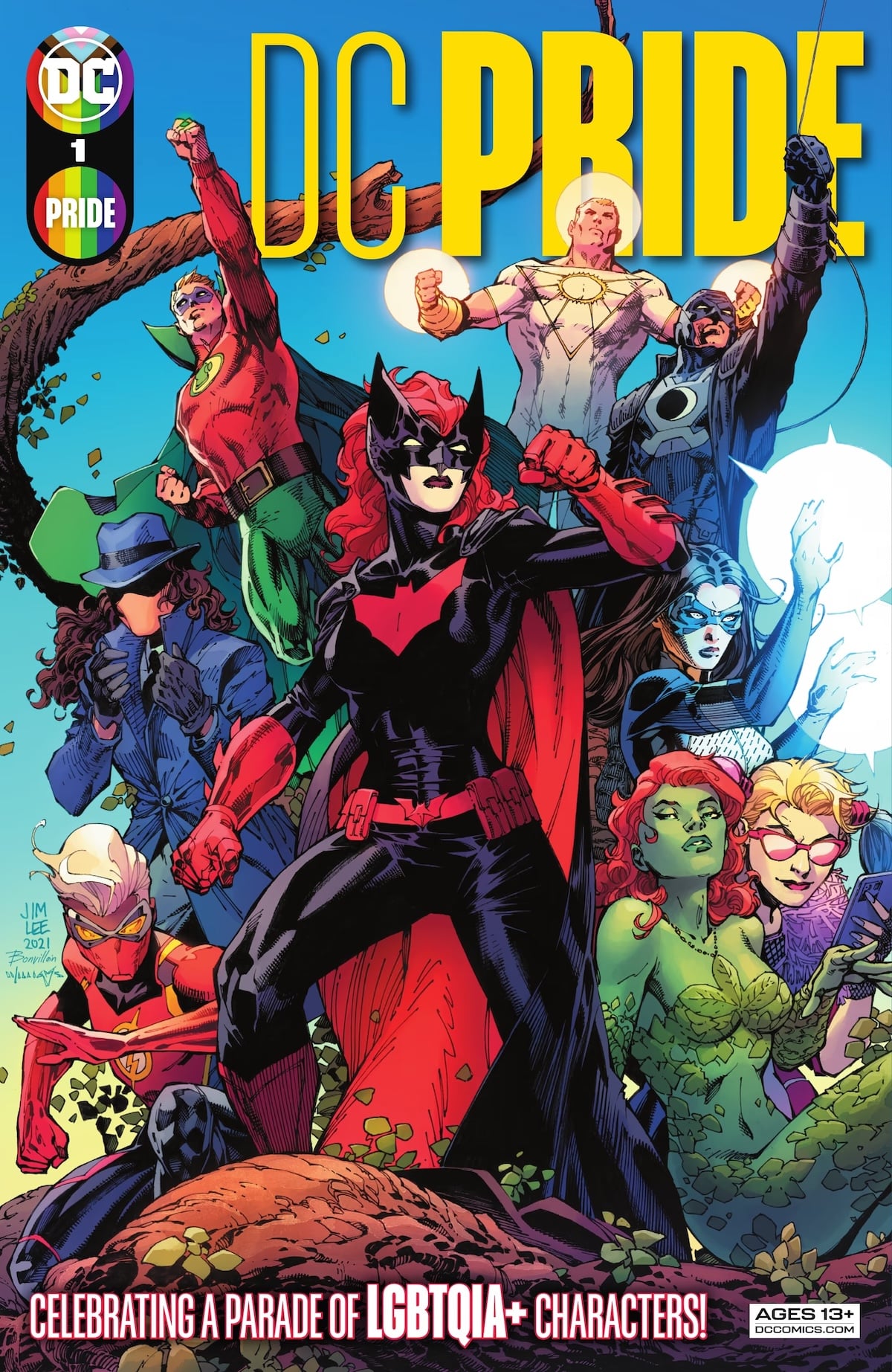
However, Dreamer was not destined to be confined to the small screen. In 2021, the character made her DC Comics debut in the first annual DC Pride issue, DC Pride (2021) #1, in a story called 'Date Night.' And excitingly, Maines was the one to write the story, offering a unique opportunity for the actor who originated the role to continue shaping the character’s narrative in the comic book realm. Then, with 2022’s Superman: Son of Kal-El #13, which was written by Maines and Tom Taylor, Dreamer made her official debut in DC’s main continuity.
In the intervening years, Dreamer has continued to appear in the panels of DC Comics, most frequently in stories penned by Maines herself. This includes the 2024 series Suicide Squad: Dream Team and the YA OGN Bad Dream: A Dreamer Story, both written by Maines.
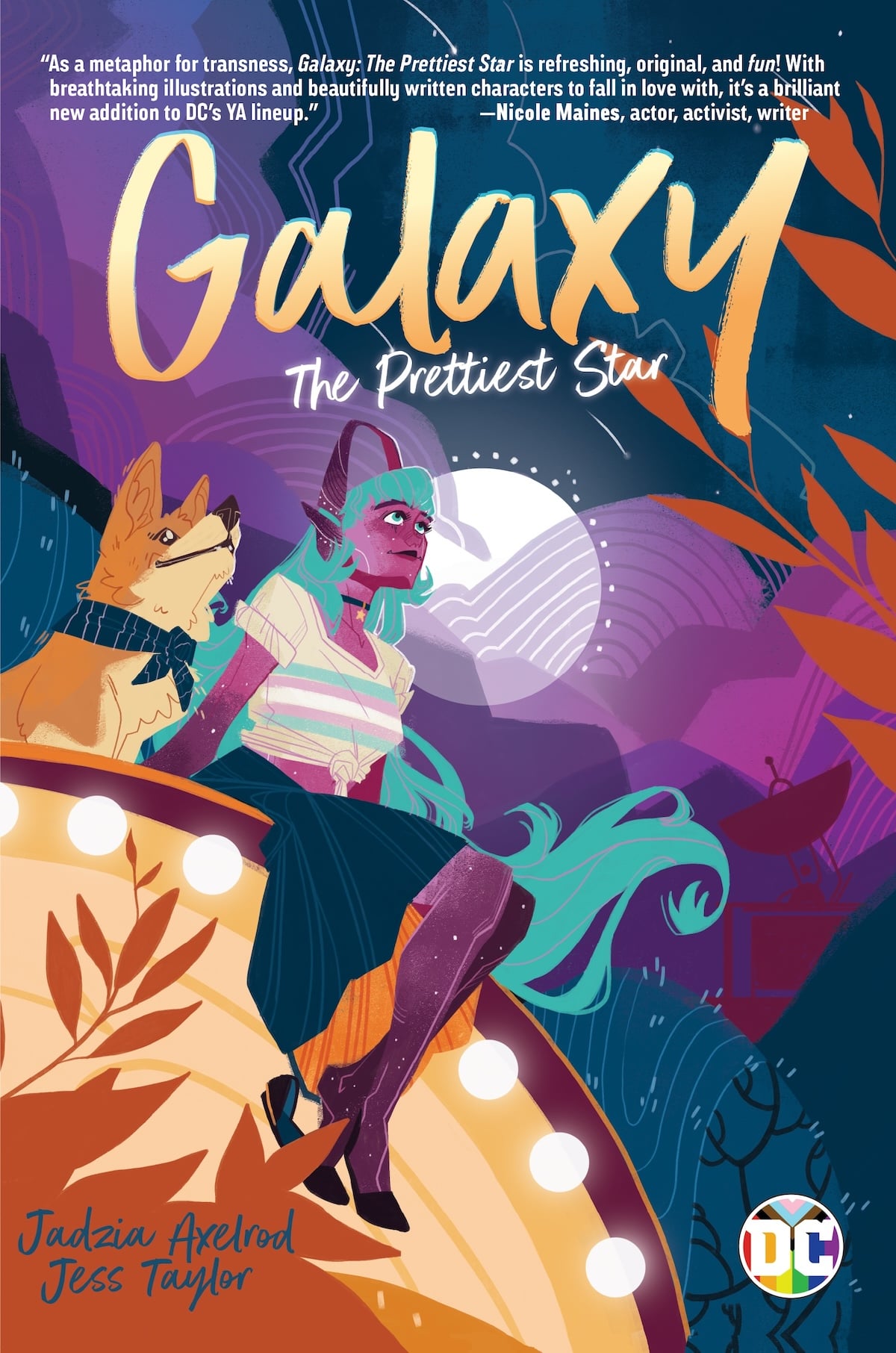
Speaking of DC’s YA line, that’s where Galaxy initially made her debut, in 2022’s Galaxy: The Prettiest Star. Written by Jadzia Axelrod, the graphic novel serves as an origin story for Galaxy, AKA Taylor Barzelay, showing how she discovered and came to embody her true gender and self. Galaxy was subsequently brought into mainstream DC Comics continuity during Axelrod’s 2023-2024 run on Hawkgirl. Meanwhile, DC Pride’s lineup will also include a sequel to Galaxy: The Prettiest Star, a direct YA OGN follow-up called Galaxy: The World Falls Down.
It Takes Two with Justice League: Dream Girls
After being brought into the mainline DC Comics continuity, Galaxy and Dreamer’s stories each undertake very distinct trajectories. Galaxy is something of a 'model superhero,' having become a card-carrying member of the Justice League. Meanwhile, Dreamer’s narrative has followed a very different path, resulting in the League considering her to be a criminal.
While both Galaxy and Dreamer are textually trans superheroes, their stories are very different. This is part of what makes the fact that they are being spotlighted for 2026’s DC Pride Event so exciting. On many occasions in which textual trans representation takes place, there is only one trans character, or at least only one trans woman character. But as with any demographic, we are not a monolith. A story that centers not just one, but two trans women gives the opportunity for this fact to be put into narrative practice.
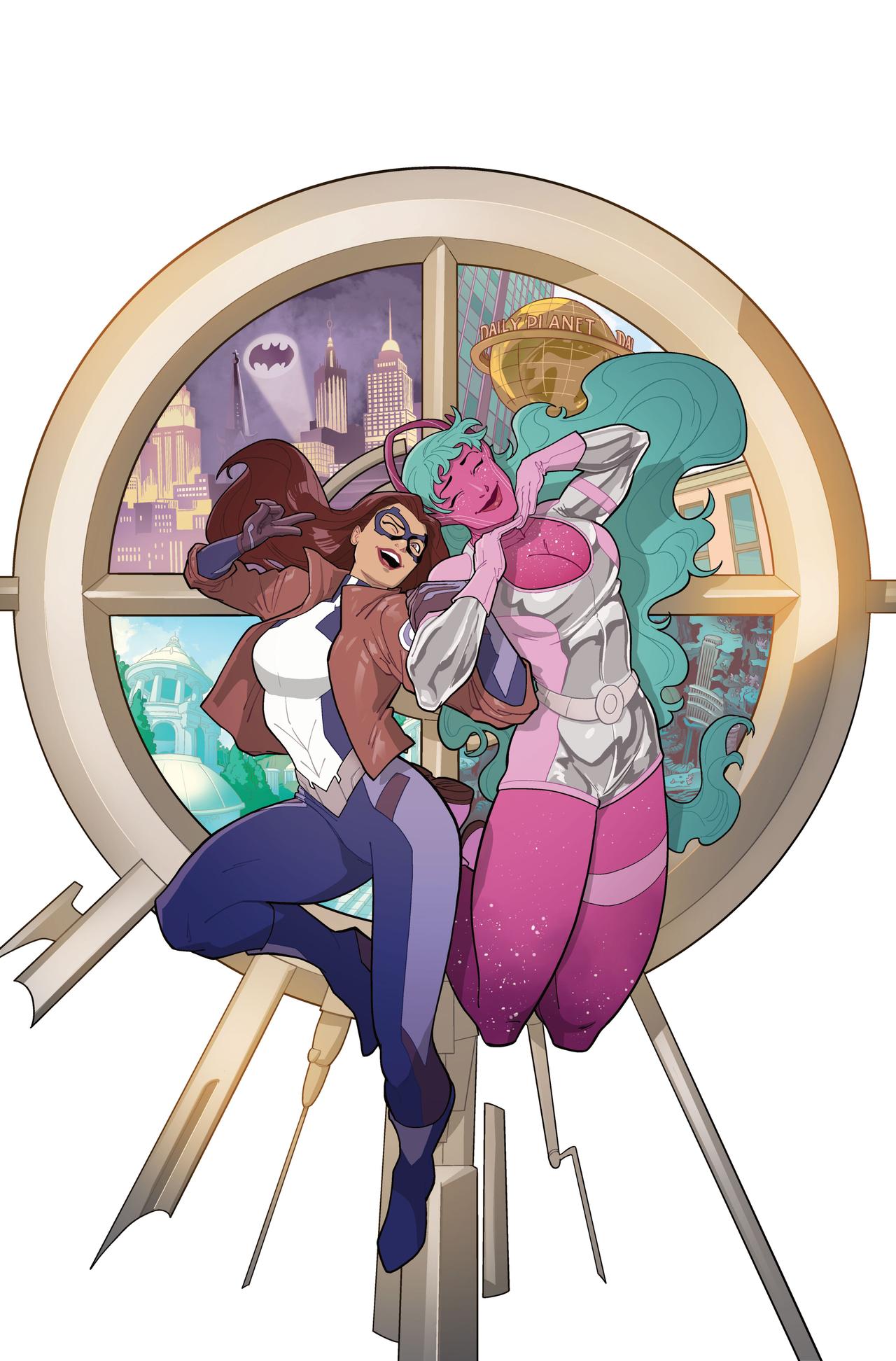
And it’s also exciting that the four-issue Dream Girls limited event series, as well as April's prologue, Justice League Intergalactic Special #1, are both co-written by Axelrod and Maines. Clearly, both women have a close connection with the trans characters they respectively created, and so it is fitting that they should together pen the first issue wherein those characters team-up together.
This team-up is a long time coming. In a 2024 interview with Maines I conducted for Comics Beat, she described working with Axelrod during the process of writing the YA OGN Bad Dream, which featured both Dreamer and Galaxy. “Now, DC has a real problem on their hands,” Maines told me. “Because now, the dolls are talking. And [Axelrod and I are] like, “Ooo, girl, they’re not ready! They’re not ready for what we’re gonna do, girl!”
With the upcoming Dream Girls story, that promise comes to fruition.
Dream Girls as Symbols of Pride
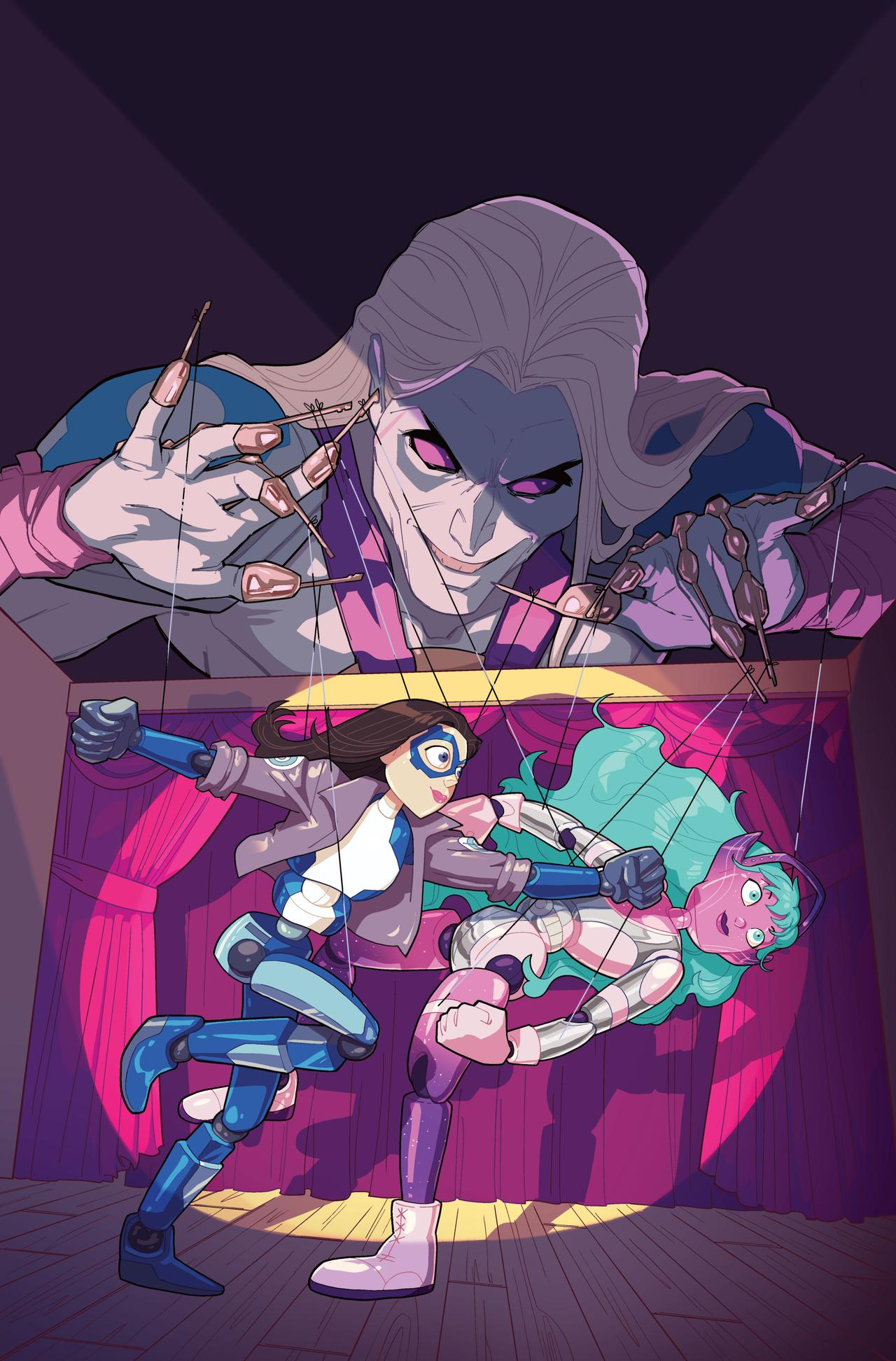
While there have been some issues between DC and trans creators, it seems like DC Comics is hitting all the right notes with Dream Girls. Not only does it center multiple textually trans characters, but it also boasts trans creators behind the scenes. This not only means actual trans people are being paid for their contributions, but it also means we are afforded the opportunity to shape and control stories about our community rather than having to endure them being told by sometimes-well-meaning-but-nevertheless-outsider cis creators. And it isn’t just Axelrod and Maines: the creative teams of these DC Pride stories include other trans creators as well, including (but not limited to) colorist Tamra Bonvillain and letterer Jodie Troutman.
Outside of comics, 2026 is a dire time for the trans community. Several right-wing figures have become even more vocal about their intent to minimize and exclusive trans people as part of society. And in some cases, popular media companies have decided to self-censor its own plans for storylines involving trans characters, such as Disney's choice to shelf a completed episode of the animated series Moon Girl and Devil Dinosaur featuring an anti-trans bigotry storyline and then soon-after nix a textually trans storyline from the PIXAR animated series Win or Lose.
By contrast, DC centering a storyline written by trans women that centers trans women is a bold statement in support of our community. As with any corporate Pride product, there are sure to be detractors who are upset that releasing these stories during Pride month is somehow less valuable, or 'only symbolic.' But it’s clear that symbolism is a key tool that is utilized by those who would see us eradicated – consider, for example, releasing a US Supreme Court decision striking down an anti-minor conversion therapy law on 2026's Trans Day of Visibility.
To quote Star Trek's Jean-Luc Picard: “There is no better teacher than one’s enemy.” Perhaps it is time for us to recognize the value of symbolism in our survival. And a trans-centered series from trans creators is a potent symbol, indeed.
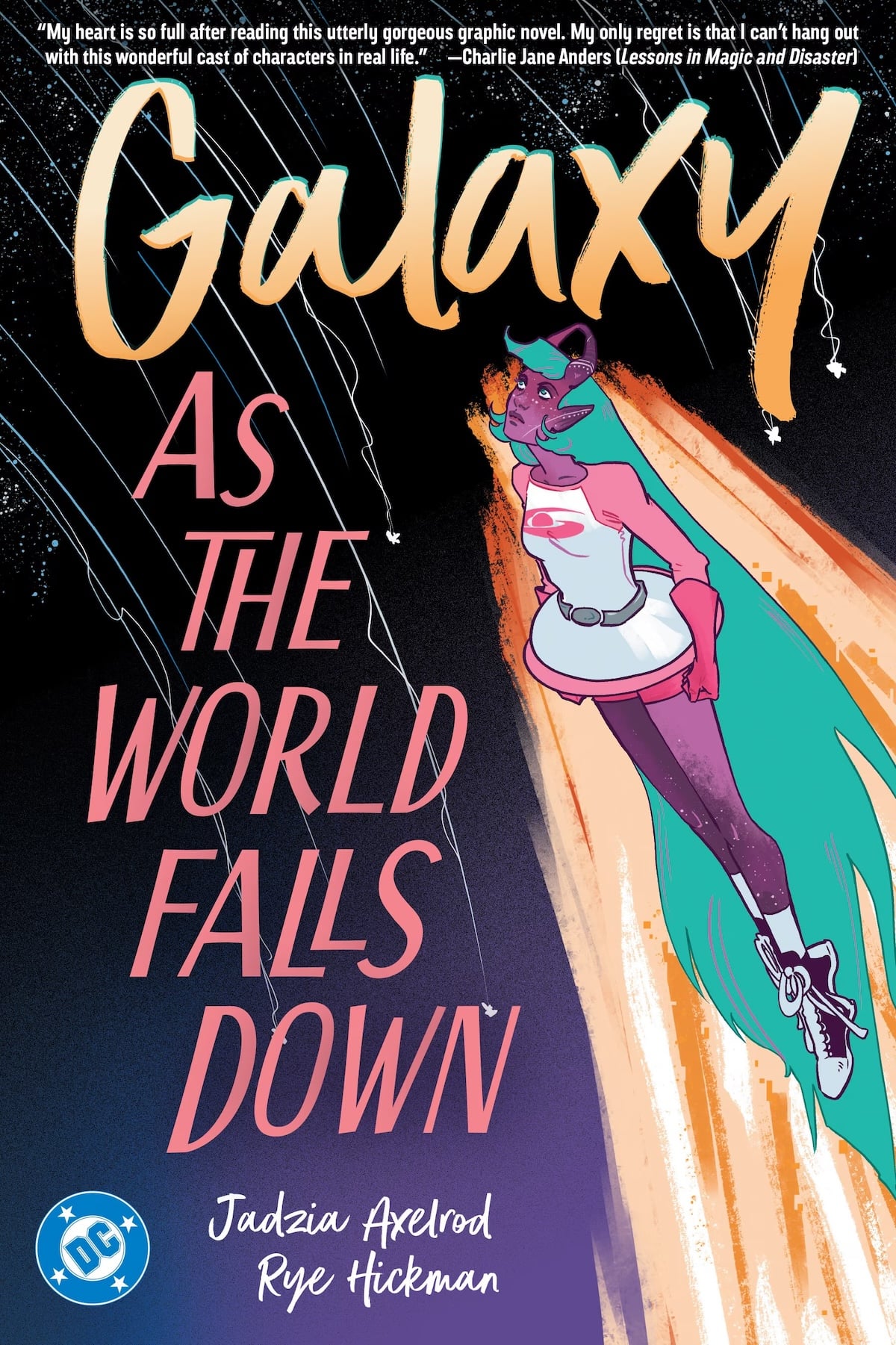
Finally, there’s something to be said for corporate Pride stories in particular: they possess a marketing engine that independent stories lack. As Axelrod told me in a 2022 interview about The Prettiest Star, “I think that’s really important because there are so many beautiful queer stories being told on the internet and in independent books that are just as good, if not better, than the book that we’re doing. But kids don’t know how to find them. It’s not pushed to them. It’s not in the way that Warner Brothers’ marketing muscle can do, and so they’re not going to see it, and they’re not going to find it.”
To that point, Dream Girls will be available to many, many cape comics readers at a time when it’s more important to tell trans stories than ever before.
Cheers to DC Comics for the decision to platform trans stories this Pride month. We can only hope that other mainstream comic publishers will follow DC's example. And preferably, before it’s too late for the non-fictional trans community to enjoy these stories for ourselves.
Need more? Here's our picks for the best DC Comics stories of all time.
Follow Popverse for upcoming event coverage and news
Find out how we conduct our review by reading our review policy
Let Popverse be your tour guide through the wilderness of pop culture
Sign in and let us help you find your new favorite thing.




Comments
Want to join the discussion? Please activate your account first.
Visit Reedpop ID if you need to resend the confirmation email.