If you click on a link and make a purchase we may receive a small commission. Read our editorial policy.
How to play the main Final Fantasy games in order by release date and chronologically (including remakes and sequels)
Putting the Final Fantasy games in order is no small task, but we've done it for you
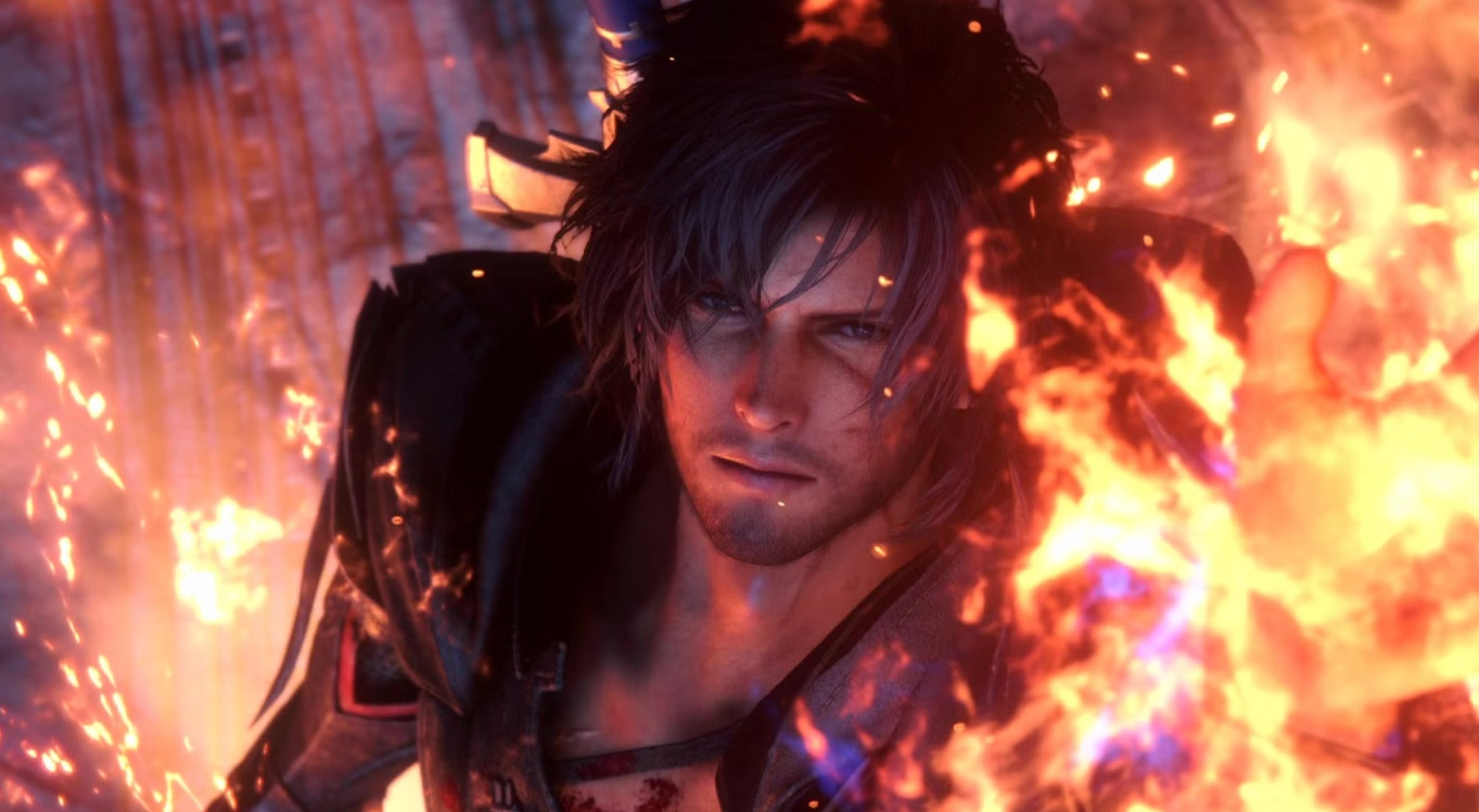

Spawning an entire multimedia empire of sequels, spinoffs, and adaptations, Final Fantasy is a global phenomenon and the premier property for its longtime publisher, Square Enix. That said, it can be a lot for new gamers to take in. Fortunately, Popverse is here to help you navigate around the expansive franchise with our guide to the Final Fantasy games in order.
Though most of the mainline Final Fantasy games are standalone stories, complete with their own unique settings and characters, several of the main entries have received their own sequels and remakes. Here are all the mainline Final Fantasy games in order (both chronologically and in release order), and how the various sequels and remakes connect with their respective foundational installment. For the sake of presenting a concise overview, we've omitted the franchise’s extensive spinoffs. Including all of them would rival a similar listing of every single game Mario ever appeared in.
The mainline Final Fantasy games in order of release
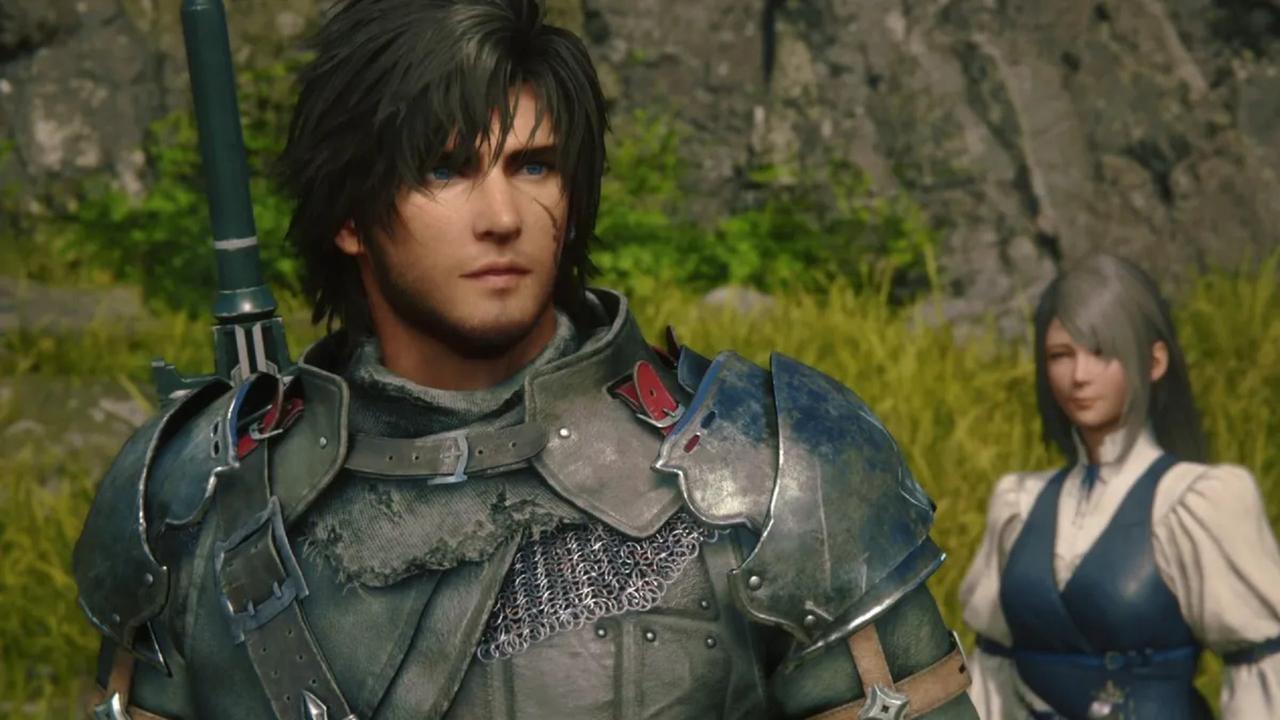
Though there are nominally 16 mainline Final Fantasy games in order released from 1987 to 2023, the sheer number of remakes and direct sequels makes for quite the release list for the entire franchise. Final Fantasy VII alone has seven games set within its narrative, with an additional one on the way, making it a bona fide sub-series. And if one included all the spinoffs and mobile games Final Fantasy received over the years, everything from Final Fantasy: Mystic Quest, to Final Fantasy Tactics, to Final Fantasy: Crystal Chronicles, this listing would have dozens more entries.
With that in mind, here are all the mainline Final Fantasy games in order of release, including their sequels and any remakes, not enhanced remasters.
- Final Fantasy (1987)
- Final Fantasy II (1988)
- Final Fantasy III (1990)
- Final Fantasy IV (1991)
- Final Fantasy V (1992)
- Final Fantasy VI (1994)
- Final Fantasy VII (1997)
- Final Fantasy VIII (1999)
- Final Fantasy IX (2000)
- Final Fantasy X (2001)
- Final Fantasy XI (2002)
- Final Fantasy X-2 (2003)
- Before Crisis: Final Fantasy VII (2004)
- Dirge of Cerberus: Final Fantasy VII (2006)
- Final Fantasy XII (2006)
- Final Fantasy III (2006)
- Final Fantasy XII: Revenant Wings (2007)
- Crisis Core: Final Fantasy VII (2007)
- Final Fantasy IV (2007)
- Final Fantasy IV: The After Years (2008)
- Final Fantasy XIII (2009)
- Final Fantasy XIV (2010)
- Final Fantasy XIII-2 (2011)
- Final Fantasy XIV: A Realm Reborn (2013)
- Lightning Returns: Final Fantasy XIII (2013)
- Final Fantasy XV (2016)
- Final Fantasy VII Remake (2020)
- Final Fantasy VII: The First Soldier (2021)
- Final Fantasy XVI (2023)
- Final Fantasy VII: Ever Crisis (2023)
- Final Fantasy VII Rebirth (2024)
- Final Fantasy VII Revelation (2027)
How many Final Fantasy games are there?
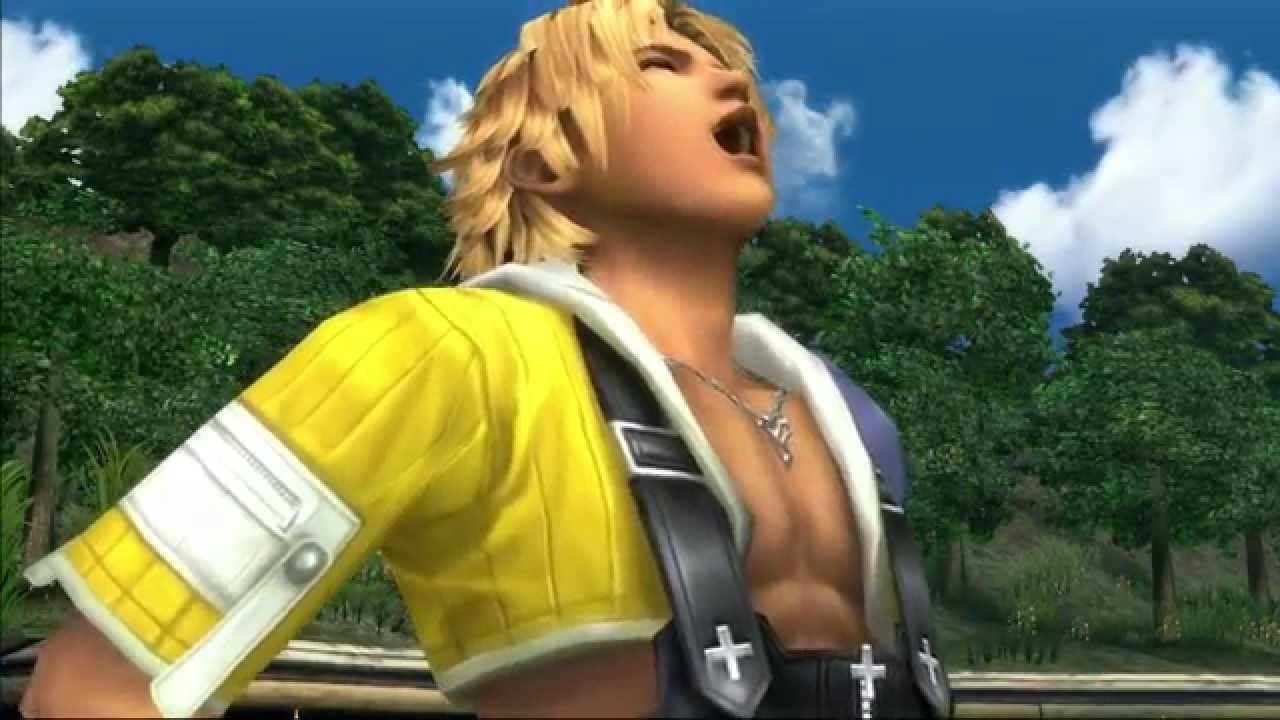
There are 16 numbered mainline Final Fantasy games. But there are a multitude of different spinoffs, totaling over 100. But don't get overwhelmed. In our list above of the Final Fantasy games in order, which includes sequels and remakes, there are 32 mainline Final Fantasy games.
The North American renumbering
Though the original Final Fantasy was a success in North America after its eventual release on the Nintendo Entertainment System in 1990, plans for an English-language version of Final Fantasy II were discarded. Similarly, Final Fantasy III and Final Fantasy V wouldn’t receive an official North American release. Rather than confuse fans wondering why they never received two games in the series, Square Enix decided to renumber its North American releases when the franchise jumped to the SNES console.
Final Fantasy IV is renumbered as "Final Fantasy II" for its original North American release, while Final Fantasy VI is subsequently renumbered as "Final Fantasy III." This has since caused a bit of confusion among gamers when referring to games from this era, though Square Enix has since restored the classic numbering to its re-releases and compilations of these titles.
What’s the deal with the Final Fantasy remakes?
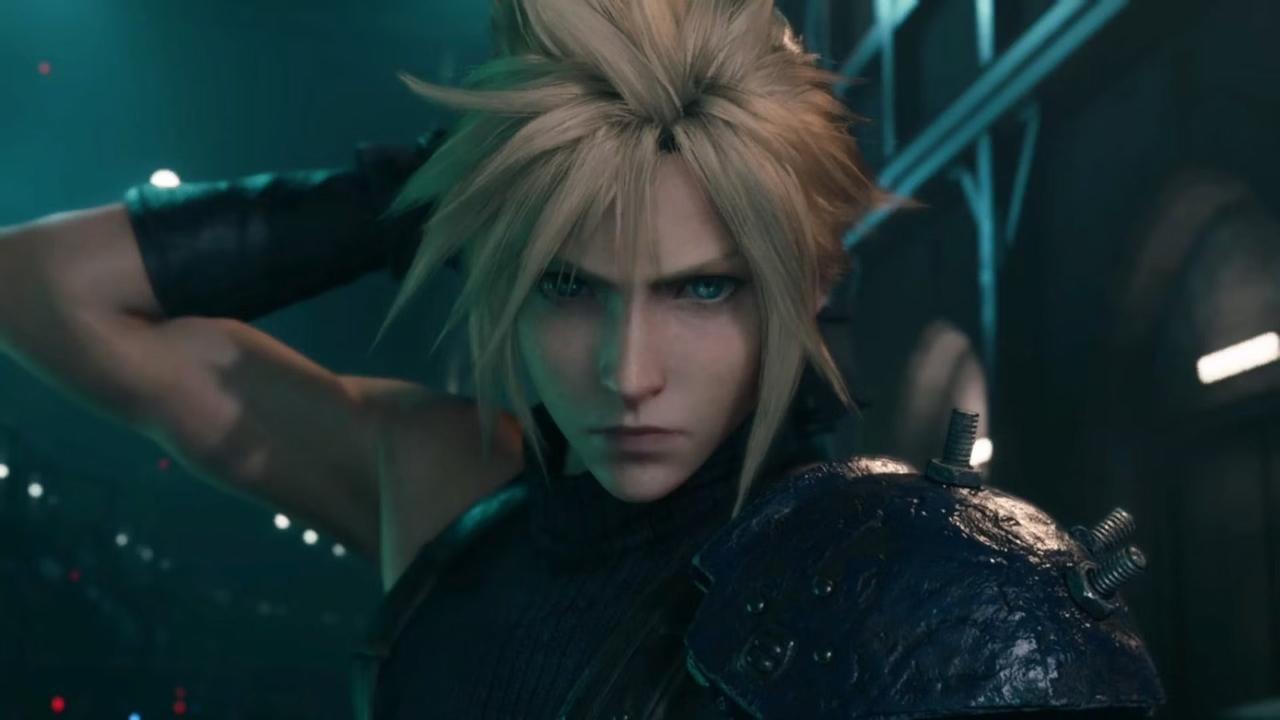
As with any venerable video game franchise, the older entries tend to receive enhanced remasters or outright complete remakes to reintroduce classic games to new audiences and take advantage of modern hardware capabilities. This is certainly true for Final Fantasy, with many of the mainline entries either getting high-definition remasters or rebuilt from the ground up for contemporary platforms. Whereas many remasters retain the core gameplay and narrative with upgraded technical presentation, like Final Fantasy X/X-2 HD Remaster or Crisis Core: Final Fantasy VII Reunion, a remake provides a largely fresh experience.
The first Final Fantasy game to get an unquestionable remake is Final Fantasy III, retooled for the Nintendo DS in 2006, marking the first time a version of the game was officially released in North America. Final Fantasy IV would get a similar remake in 2007, also for the DS. The installment to receive the most ambitious remake of all is Final Fantasy VII, with Square Enix developing an entire trilogy of games to cover the original game’s narrative, beginning with 2020’s Final Fantasy Remake.
The most infamous remake to date for the franchise is Final Fantasy XIV, one of the series’ massive multiplayer online entries. Originally released for PC in 2010, the game met with widespread negative reception from critics and fans alike, prompting Square Enix to cancel a planned PlayStation 3 port and eventually terminate online subscriptions for the game entirely in 2012. Nine months after the original Final Fantasy XIV was shelved, an all-new Final Fantasy XIV, with the subtitle A Realm Reborn, was released for multiple platforms and became a significant success for the franchise and Square Enix overall.
Final Fantasy VII games in chronological order
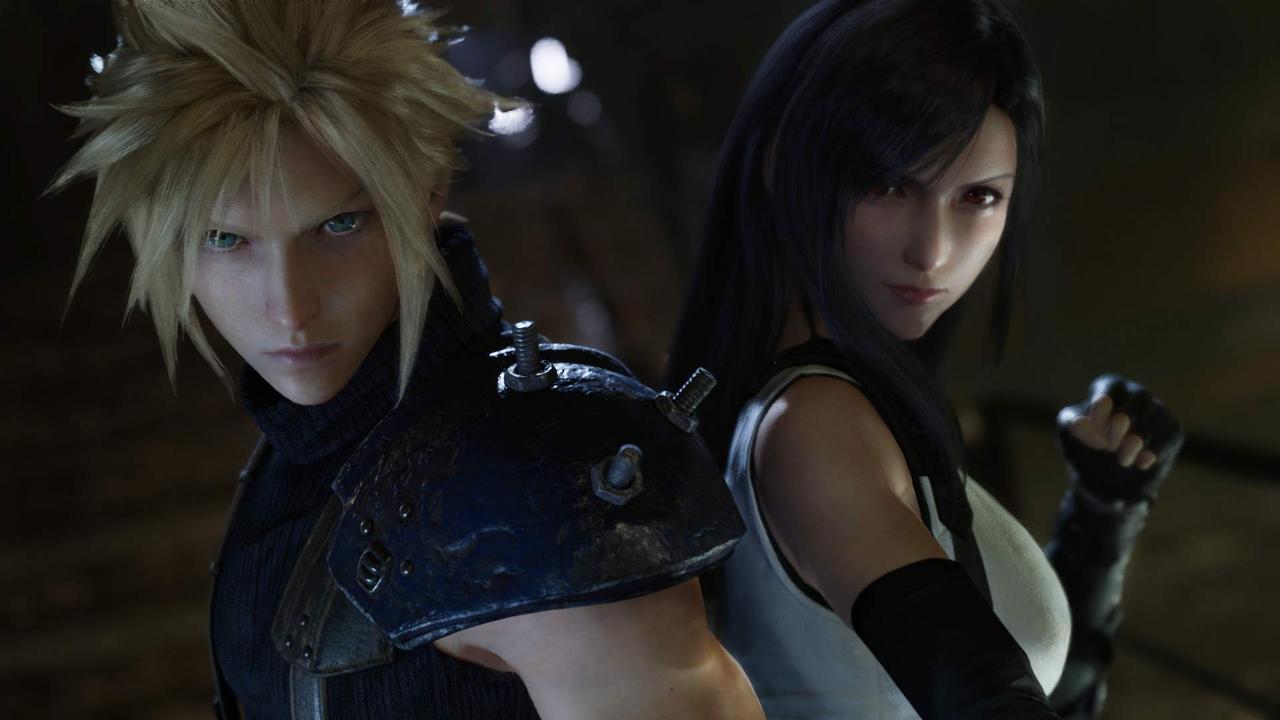
But what if you want to play the Final Fantasy games in order, chronologically? We've got you covered, at least when it comes to Final Fantasy VII and its sequels and remakes.
Launched for the original PlayStation in 1997, Final Fantasy VII marks a watershed moment for the franchise, with just the base game alone selling over 14 million units worldwide. It’s hard to overstate just how influential the game is in making the RPG genre popular and helping boost sales of the PlayStation console to eventually eclipse Nintendo and Sega in the ‘90s. Square Enix understandably not only remade the original game into a full trilogy for the PlayStation 5, with its first installment debuting in 2020, but it also created a line of games and other multimedia set within its continuity.
Billed by Square Enix as "Compilation of Final Fantasy VII," the sub-series includes everything from the delisted prequel mobile games The First Soldier and Before Crisis to the third-person shooter, a first for the franchise, with Dirge of Cerberus. Ever Crisis was released episodically and chronicled the events of the games, including the discontinued Before Crisis, and multimedia adaptations, including the 2005 animated movie Final Fantasy VII: Advent Children.
Chronologically, The First Soldier takes place 18 years before the events of Final Fantasy VII, with SOLDIER candidates training in battle royale matches. Before Crisis follows a group of elite soldiers working for the nefarious Shinra Electric Power Company in Final Fantasy VII’s primary setting of Midgar, approximately six years before the main game’s start. Crisis Core, and its 2022 remaster, Crisis Core: Final Fantasy VII Reunion, technically starts seven years before Final Fantasy, but dovetails right into the main game’s opening as it depicts the Shinra megacorporation going to war with the nation of Wutai and the origins of Final Fantasy VII’s main antagonist, Sephiroth.
Final Fantasy VII and its 2020 remake follow protagonist Cloud Strife and his friends as they take on Shinra and stop its plan to further exploit the people of Midgar. This culminates in both Shinra and Cloud moving to stop Sephiroth, a rogue Shinra super-soldier who intends to destroy Midgar with a meteor to ascend to ultimate power. The sequel Dirge of Cerberus: Final Fantasy VII shifts to the return of another main character, Vincent Valentine, three years after Sephiroth’s defeat, fighting against Shinra’s paramilitary organization Deepground.
- Final Fantasy VII: The First Soldier (2021)
- Before Crisis: Final Fantasy VII (2004)
- Final Fantasy VII: Ever Crisis (2023)
- Crisis Core: Final Fantasy VII (2007)
- Final Fantasy VII (1997)
- Final Fantasy VII Remake (2020)
- Final Fantasy VII Rebirth (2024)
- Final Fantasy VII Revelation (2027)
- Dirge of Cerberus: Final Fantasy VII (2006)
Final Fantasy XIII games in order (chronologically)
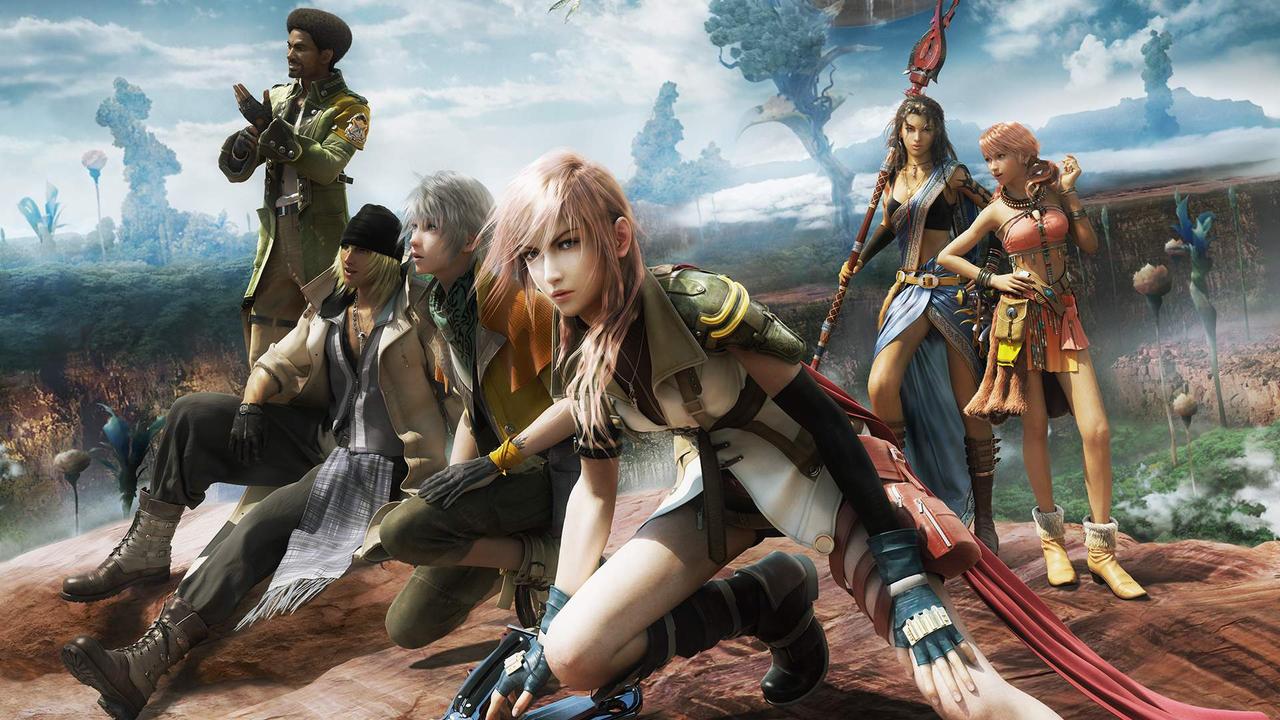
Primarily released for the PlayStation 3, Xbox 360, and PC, Final Fantasy XIII begins the Fabula Nova Crystallis saga, a group of games that carry the same core mythology but with narratives unrelated to one another, with different settings and characters. This family of titles includes Final Fantasy XIII, Final Fantasy Type-0, and Final Fantasy XV, but only the Final Fantasy XIII trilogy centers on a running narrative and shared chronology across multiple titles. The trilogy takes place in the artificial world Cocoon, which hovers above the planet Gran Pulse. The humans on these worlds are ruled by a race of demigods known as the fal’Cie while humans cursed with magical abilities are known as l’Cie.
Final Fantasy XIII follows Lightning and her sister Serah as they take on the Cocoon government, the Sanctum, after Serah is marked as a loyalist to Gran Pulse. With a growing band of allies, the sisters move to prevent the fal’Cie from causing Cocoon to collide with Gran Pulse and save both worlds. Successful, Lightning leaves to rescue her friends Fang and Vanille from the chaos after giving Serah her blessing to marry her lover named Snow.
Taking place three years later, Lightning disappears for much of Final Fantasy XIII-2 in the aftermath of the Sanctum’s collapse. By averting the fall of Cocoon, the timeline has been disrupted, resulting in temporal disruptions, including Lightning’s sudden disappearance. Serah and Noel, a time-traveler from a distant future, are this game’s protagonists, stabilizing the timeline and defeating the villainous time-traveler Caius Ballad, who seeks to end time itself.
As its title suggests, Lightning Returns: Final Fantasy XIII features Lightning as the protagonist once again, resurrected 500 years after the events of Final Fantasy XIII-2 by the god Bhunivelze. With the end of the universe at hand, Bhunivelze intends for Lightning to guide humanity into a new age, but he plots to shape reality to his will. Lightning helps her old friends overcome their emotional traumas and stops Bhunivelze’s imminent conquest, traveling into the newly reborn universe with humanity to a hopeful future.
- Final Fantasy XIII (2009)
- Final Fantasy XIII-2 (2011)
- Lightning Returns: Final Fantasy XIII (2013)
Final Fantasy games with a single sequel
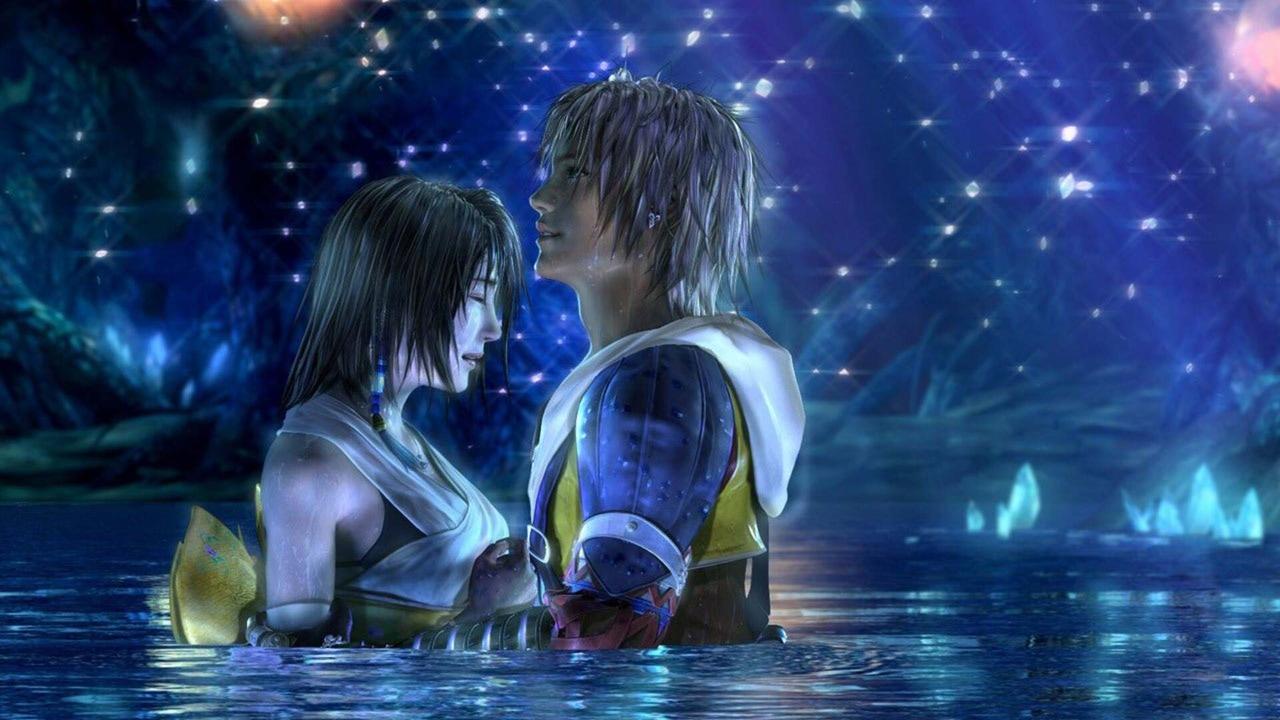
There are plenty of Final Fantasy games to receive one direct follow-up, starting with Final Fantasy X. After the 2001 game’s successful reception worldwide on the PlayStation 2, Square published a direct sequel, Final Fantasy X-2, for the PlayStation 2 in 2003. This title marked a first for the franchise, with all three playable characters being female. The main characters, Yuna and Tidus, had a decisively happy ending compared to the more bittersweet coda of the previous game. Final Fantasy X-2’s success helped usher in a wave of other direct sequels, as we've seen with Final Fantasy VII.
2006’s Final Fantasy XII on the PlayStation 2 received a sequel on the Nintendo DS the following year with Final Fantasy VII: Revenant Wings. Revenant Wings features many of the same characters and setting from the previous game, including its protagonist Vaan, taking place a year after the earlier story. However, despite being a direct continuation, Revenant Wings completely revamps the gameplay, giving players a real-time strategy experience instead of a conventional RPG.
After Final Fantasy IV was remade for contemporary platforms in 2007, Square Enix released a sequel in 2008 called Final Fantasy IV: The After Years. It was released in episodic installments digitally for mobile devices, the Wii, and PlayStation Portable. Set 17 years after the events of Final Fantasy IV, the surviving characters and the descendants of other familiar figures team up to stop a new villain from razing their home of Blue Planet.
How does Kingdom Hearts connect with Final Fantasy?
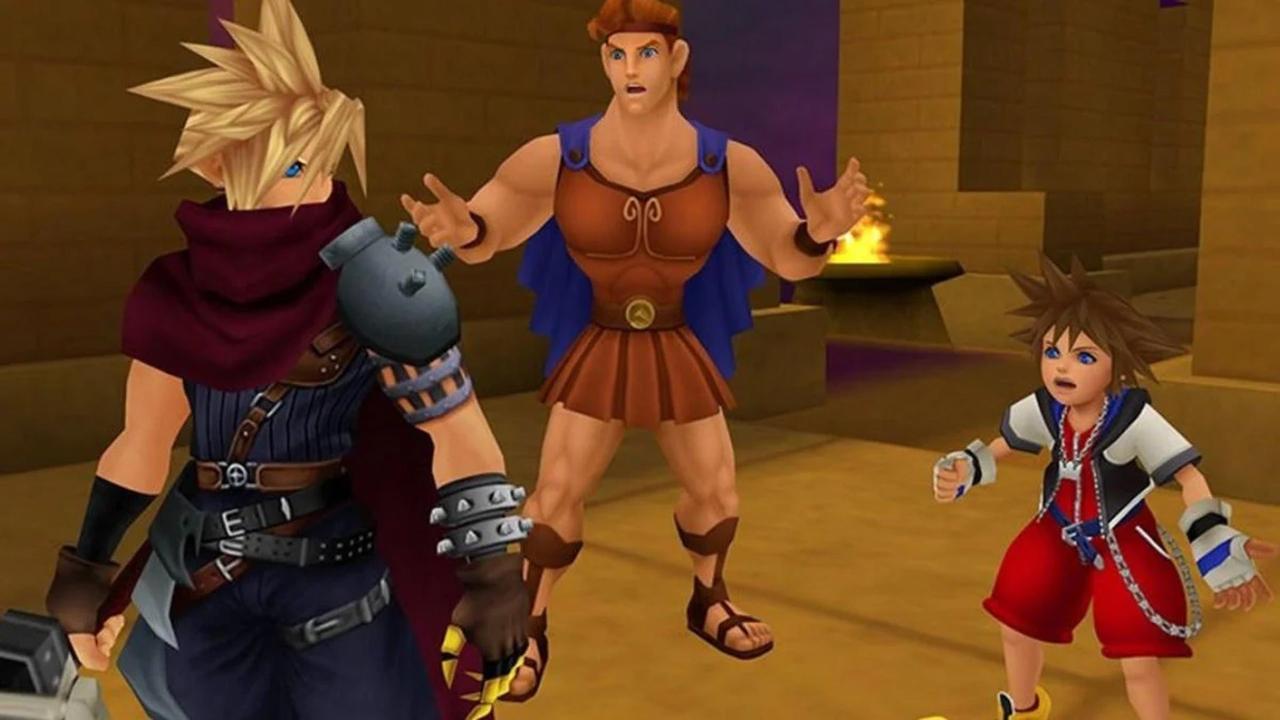
Though Final Fantasy has plenty of spinoffs over its lengthy history, the one that has blossomed into its own franchise is Kingdom Hearts. Launched in 2002 for the PlayStation 2, Kingdom Hearts is a crossover video game series that brought together Square Enix properties and iconic Disney characters and worlds.
Several major Final Fantasy characters have since taken up residence in the Kingdom Hearts' Destiny Islands and Traverse Town. Among the most notable Final Fantasy guest appearances are the main characters of Final Fantasy VII and Final Fantasy X. In addition, Squall, the protagonist of Final Fantasy VIII, resurfaces. That said, these games are not canon within the Final Fantasy Universe, despite how fun they are.
What are the next Final Fantasy games?
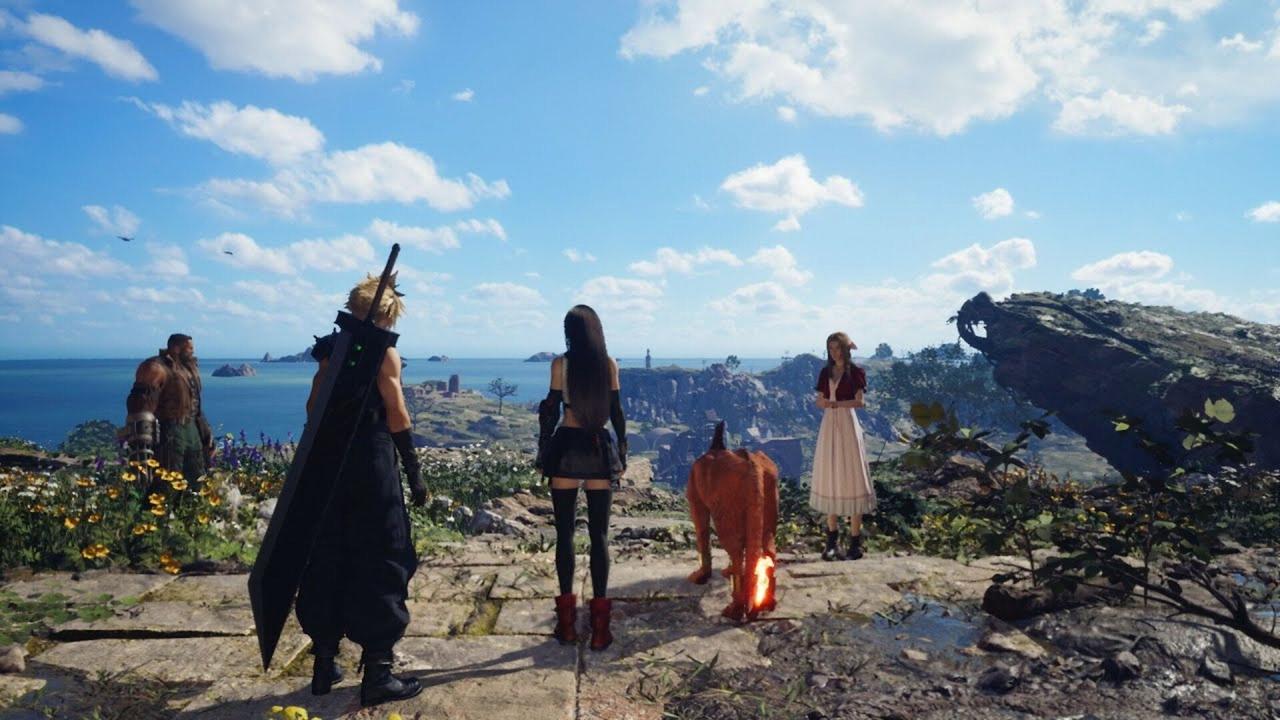
There is currently one new Final Fantasy game in active development, apart from what presumably will be Final Fantasy XVII. Square Enix’s Final Fantasy VII Remake trilogy, which began in 2020, released its middle installment, Final Fantasy VII Rebirth, in 2024 for the PlayStation 5. Final Fantasy VII Revelation will complete the remake trilogy, with its release planned for 2027.
Final Fantasy XVI and Final Fantasy VII Rebirth are available for PlayStation 5 now. Both games are published by Square Enix.
Want to know what's coming up next in pop culture? Check out Popverse's guides to:
Follow Popverse for upcoming event coverage and news
Find out how we conduct our review by reading our review policy
Let Popverse be your tour guide through the wilderness of pop culture
Sign in and let us help you find your new favorite thing.










Comments
Want to join the discussion? Please activate your account first.
Visit Reedpop ID if you need to resend the confirmation email.