If you click on a link and make a purchase we may receive a small commission. Read our editorial policy.
Magic: The Gathering's head designer regrets artifacts & enchantments as we know it, and his reasoning makes a lot of sense
The line between artifacts and enchantments in Magic: The Gathering today is "fuzzy," says the game's head of design, Mark Rosewater

Popverse's top stories
When you were learning how to play Magic: The Gathering, there is a good chance that you got caught up on the difference between an artifact and an enchantment in the game. Why are some artifacts colorless, while others have a specific color identity? How and when did artifacts and enchantments diverge?
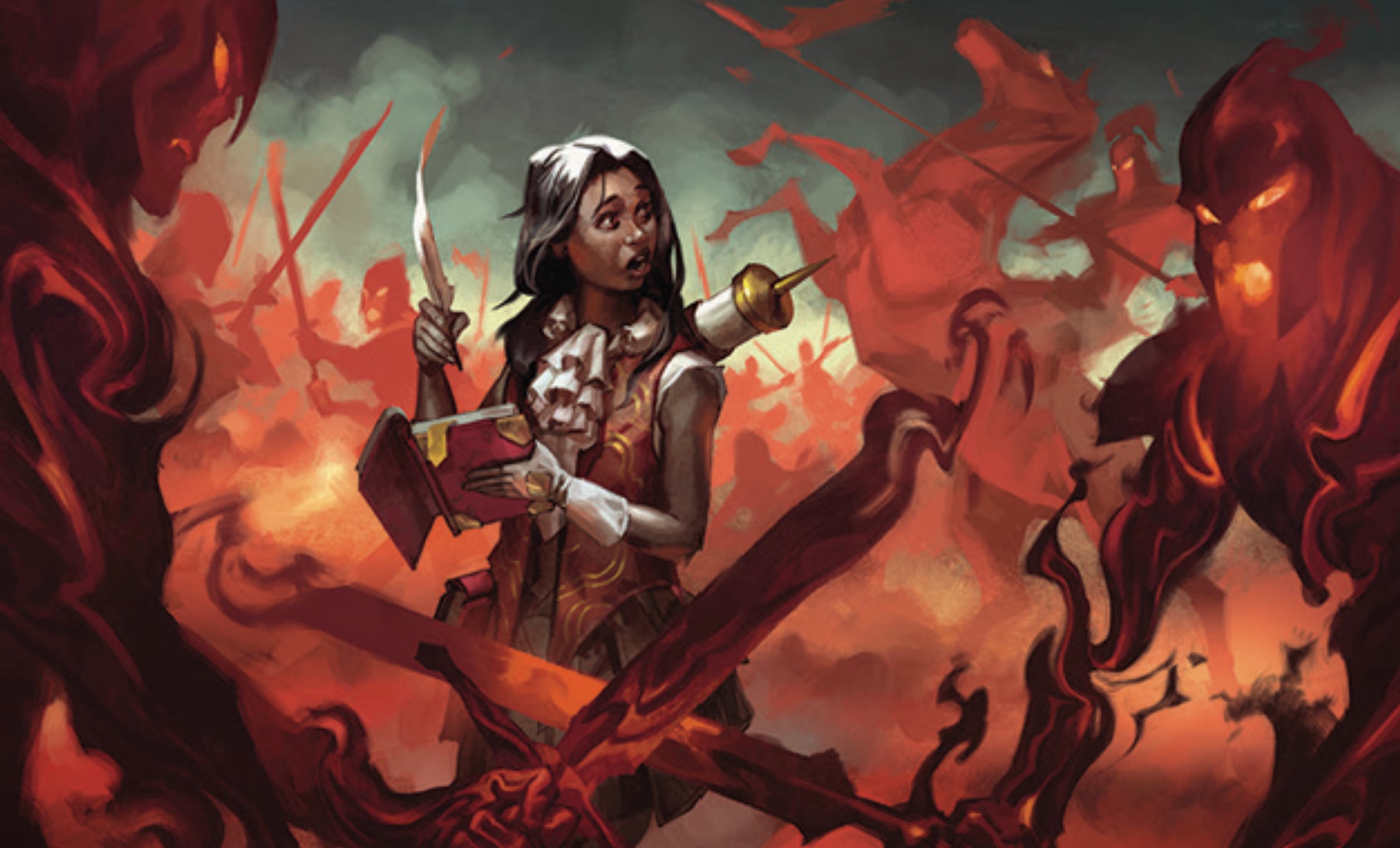
Magic: The Gathering's head of design, Mark Rosewater, addressed how he wished artifacts and enchantments could be merged into a single card type, if the game were to be completely remade. On Magic's website, a fan asked Rosewater a question about the differences between artifacts and enchantments: "Why are the card types what they are? I am looking for insight into why artifacts and enchantments are mechanically different in name only, but also why instants and sorceries are only different for timing rules."
In response, Rosewater explained how artifacts and enchantments originally differed in one dimension: artifacts were colorless, while enchantments had a color identity. The ethos behind this difference was that "Artifacts were designed so that any deck could play them," and while this was a nice idea in theory, it limited the power that colorless artifact cards could have from a game design standpoint.
Rosewater wrote, "You really don't want one deck playing all the best cards, so spreading cards across the five colors is key. This means we can't push the power level of colorless cards too much. And, trust me, we learned this one the hard way—many, many times. If you make an overpowered card that absolutely any deck can play, those decks will play it and it will become very hard to ban your way out of the problems that creates. That means that if we wanted to make powerful artifacts (and we do), we have to make them one or more colors." This is why we now have some artifacts with a color identity, and why certain colorless artifacts from Magic's earliest days, like Chaos Orb, Mox Emerald, and yes, Black Lotus, are banned in Commander, Legacy, and other formats.
So, how much do artifacts and enchantments really differ from each other now? While Rosewater admits that the "line between artifacts and enchantments" is a "fuzzy" one today, there are still "aesthetic choices" made to differentiate the two nowadays: "Artifacts are tangible objects while enchantments are intangible ones. Even that can blur at times." It also helps that a lot of the art for artifact cards features the object being held in someone's hands - if it's small enough.
If he had to remake Magic today, Rosewater knows exactly what he'd do to avoid the confusion around artifacts and enchantments. "If we had it to do over again, I'd be tempted to have one card type that represents noncreature permanents (I have no idea what we would call it) and have 'Artifact' and 'Enchantment' be subtypes for that card type. This would allow for all the colors to interact with 'Artifacts' and 'Enchantments' differently while still having a stronger sense that they're the same thing," the designer wrote.
Now, if you're curious as to what a game designed and built by Rosewater from the ground up would look like, look no further than Mood Swings!
Whether you are a Commander player, a regular at your local game shop's FNM event, or simply love collecting Magic: The Gathering cards, you've landed in the right place. From Universes Beyond to the furthest reaches of the Magic Multiverse, we've got you covered here at Popverse.
- Wizards of the Coast's Magic: The Gathering upcoming release schedule
- The most expensive MTG cards in the Secrets of Strixhaven set
- Magic: The Gathering and Marvel are planning "multiple sets" and Commander Decks - thanks to Thanos' Infinity Stones
- Magic: The Gathering’s Final Fantasy crossover is already the top-selling set in Wizards of the Coast’s history
Follow Popverse for upcoming event coverage and news
Find out how we conduct our review by reading our review policy
Let Popverse be your tour guide through the wilderness of pop culture
Sign in and let us help you find your new favorite thing.









Comments
Want to join the discussion? Please activate your account first.
Visit Reedpop ID if you need to resend the confirmation email.