If you click on a link and make a purchase we may receive a small commission. Read our editorial policy.
The My Hero Academia final arc shows its real battle isn’t heroes vs. villains — it’s parents learning to let go [Popverse Jump]
As My Hero Academia ends, the anime’s greatest legacy is its story about parents, kids, and the danger of control.
Enjoy this complimentary article, previously available exclusively for Popverse members. If you like what you see, consider becoming a Popverse member.
We’re mere months away from the ending of the My Hero Academia anime, which has become one of the most celebrated battle shonen titles in recent years. While the story has had its highs and lows over its eight seasons, the best thing about it is how it focuses on legacy, the passing of the torch from one generation to the next, and illustrates that every parent struggles to avoid letting their expectations shape their child’s life.
The thing about being a parent is that, no matter how much people tell you how hard it is, you’re never really ready. The pressure. The responsibility. The terror of knowing that these defenseless little beings are totally reliant on you for everything from eating to pooping to stopping them from putting dangerous things in their mouths the moment you aren’t looking. It is a thought that is never far from my mind, considering I have a toddler who cannot go a day without testing the limits of his mortality.
But you know what is even more difficult than keeping a kid alive? Giving them the freedom to figure out who they are without trying to dictate who you want them to be. It is something that becomes harder every day, watching their little personalities emerge and not trying to shape them into a smaller version of yourself. Stopping myself from controlling my son is a constant effort for me, particularly as he has become incredibly shy as he has gotten older. I desperately want to pull him out of his shell, but that only makes him retreat more. Because he is a little person now and that means allowing him to grow into his own skin.
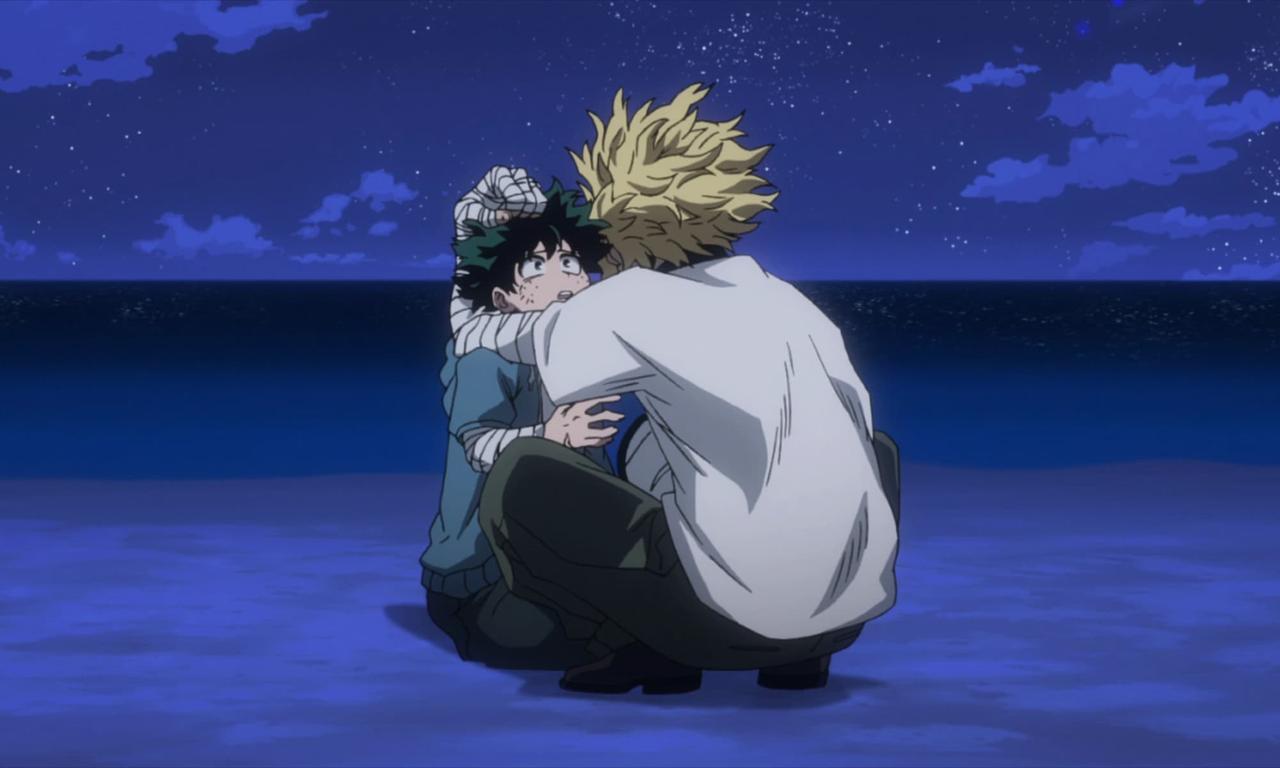
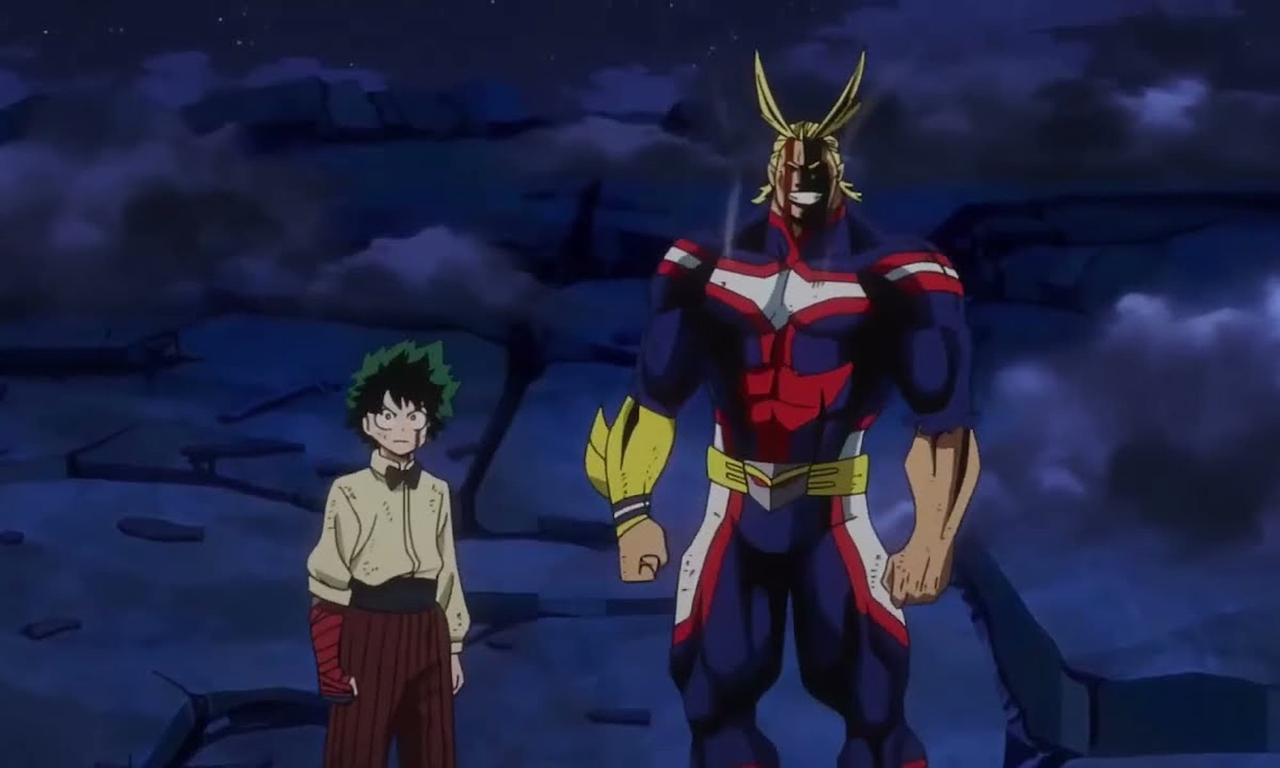
What does this have to do with anime? Well, the central conflict in My Hero Academia is one that has been going on for generations. Literally generations, as Deku is the ninth wielder of One for All, a quirk that has been passed down to help defeat the most powerful villain in history, All for One. Deku is carrying the burden of an unimaginable legacy, which was put on his shoulders by his predecessor, All Might, who helps train the young man in being a hero, hoping to shape him into the next Symbol of Peace.
Though his intentions are good, All Might struggles with the fact that he can’t – and shouldn’t – control the kind of hero Deku becomes. He pushes the young man to step into his shoes completely, taking up not just the power of One for All but also to rise above all other heroes in the process. It is only when Deku proves more interested in helping his classmates succeed during the School Sports Festival than he is in bolstering his own reputation that All Might reevaluates his approach.
The goal changes to helping Deku become strong enough to face the battles that are coming in his own way, on his own terms, because All Might has recognized that what he was trying to do was wrong. Parents make mistakes because they are human, even when they are superhuman. We try. We fail. We try again. It is the hardest but most important part of this job. The important thing is that, from that moment on, All Might doesn't impose his will on Deku or try to shape him into All Might Jr. He accepts that the boy is his own person, with his own goals and visions of what success means, and lets him reach for them.
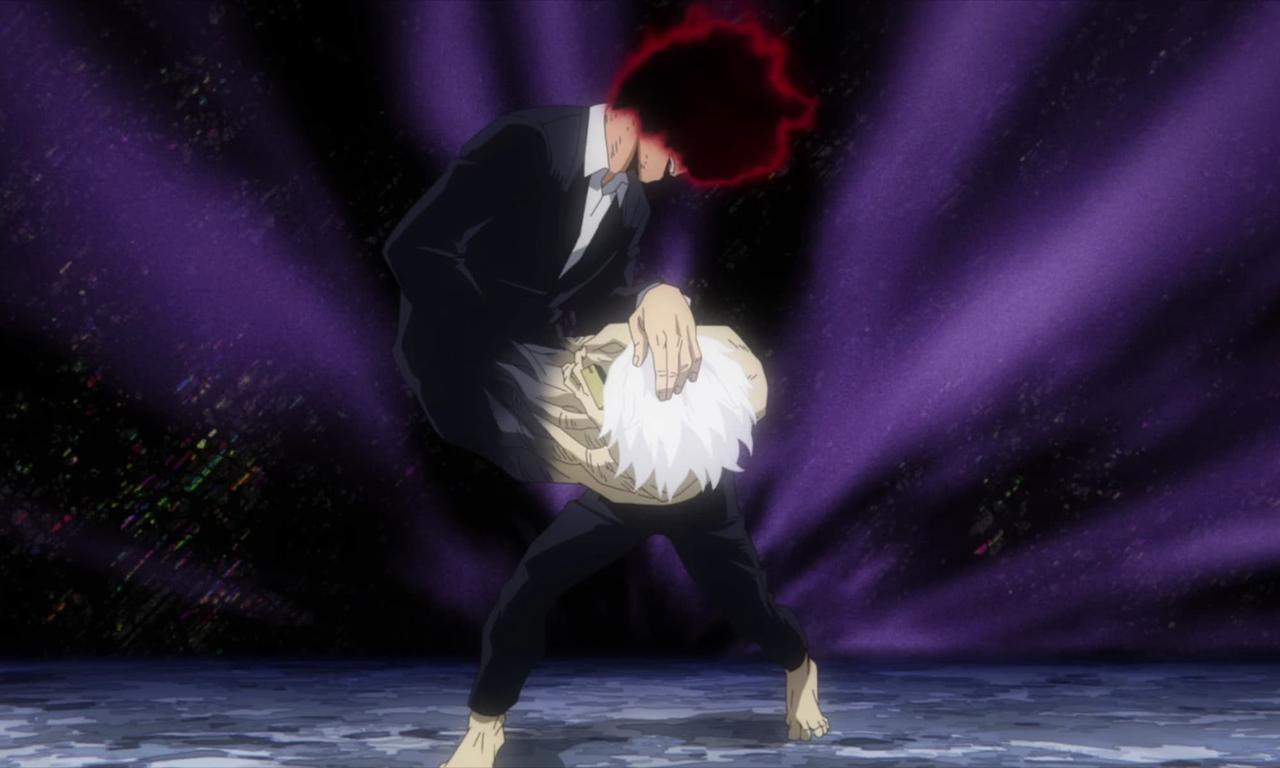
Compare this to All for One, who actively twists his protégé, Tomura Shigaraki, until he is little more than a clone of himself, complete with a vestige of All for One in Shigaraki’s head controlling him. All for One reduces Shigaraki to nothing but the second generation of himself, intending to use him to rebuild society in his own image. Just like All Might, he wants his successor to carry on his legacy, but, unlike the hero, All for One is willing to snuff out any part of Shigaraki that might disagree with him. The moment Shigaraki begins to rebel, All for One assumes direct control, something that terrifies the young man who has become a thrall to his previous mentor.
This is the most toxic outcome of a relationship where a parent is unable to let go. The thing that really compounds the tragedy here is that I think every parent has that instinct in them. The instinct to control our children is there because, for the early stages of their lives, we have to be in control. As I mentioned above, toddlers are self-destructive little creatures that are a danger to themselves and others if you don’t watch them. It is hard, sometimes impossible, to know exactly when the time is right to let them spread their wings and fly.
There are actual parents in the show, of course, with Endeavor being the most obviously problematic and abusive one. Ironically, Bakugo’s parents seem to have the healthiest approach to parenting; they are well aware that their son is an asshole, but seem content to let him get it out of his system, knowing that fighting him or trying to control him is only going to make it worse. They push back and chastise him when he acts out of line, but there is a sense that they understand his temper is as much a part of him as his quirk.
However, it is the foil of All Might and All for One that gives the entire series meaning. Their competing desires both for the world and for their pseudo-children shape the narrative of My Hero Academia. Both want their protégés to carry on their legacy; the difference stems from how much they try to control Deku and Shigaraki to make that happen.
Want to know what's coming up next in pop culture? Check out Popverse's guides to:
Follow Popverse for upcoming event coverage and news
Find out how we conduct our review by reading our review policy
Let Popverse be your tour guide through the wilderness of pop culture
Sign in and let us help you find your new favorite thing.



Comments
Want to join the discussion? Please activate your account first.
Visit Reedpop ID if you need to resend the confirmation email.