If you click on a link and make a purchase we may receive a small commission. Read our editorial policy.
When Akira first came to America, Katsuhiro Otomo turned down a VIZ offer for Marvel because was afraid of manga stereotype at the time
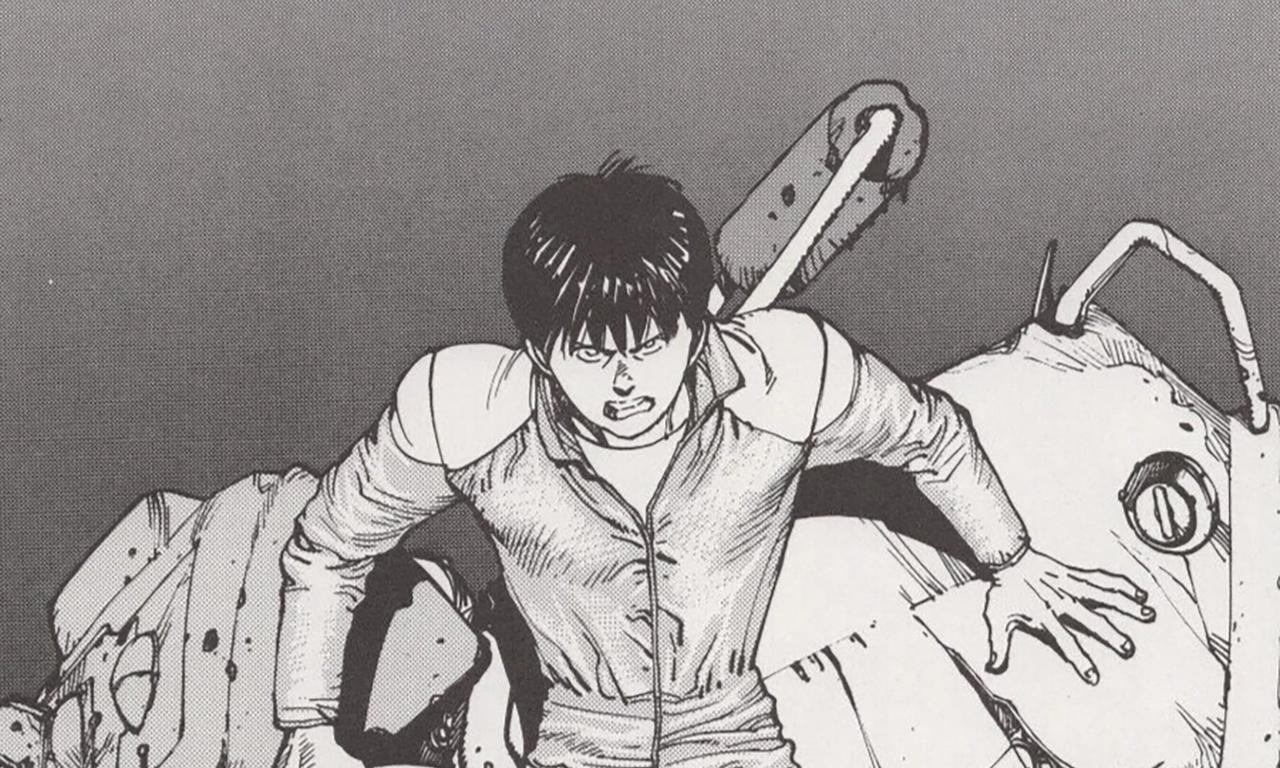
The iconic manga was heavily updated and changed for American audiences, including flipping the artwork and giving Akira the full color treatment.

Popverse's top stories
Today, Akira stands as one of the most influential pieces in both anime and manga history, but a lot of effort went into bringing it to Western audiences. Katsuhiro Otomo, the creator behind the Akira manga, wanted to make it as easy as possible for the English-speaking world to dive into his violent, often strange but always beautiful take on the cyberpunk genre, which meant both changing the artwork of Akira and finding the right publisher. To do that, Kodansha reached out to Marvel Comics.
Comic book fans might have gotten their first introduction to Akira through that Marvel Comics edition, which ran for 38 issues from 1988 to 1995. While the story largely remained unchanged in the English version of the manga, the artwork was significantly changed. Not only did Marvel produce a full-color version of the Katsuhrio Otome’s story, but they also flipped the artwork so that it would read from left-to-right like a conventional Western comic book instead of right-to-left like Japanese manga. This wasn’t just Marvel not understanding what manga was, though; it was something Otome wanted to do to help American audiences connect with his work.
Yasumasa Shimizu, senior vice president and board member at publisher Kodansha, explained this during an interview why the company went with Marvel to publish Akira in English and not manga publisher VIZ, despite an offer. “When we first came to NYC,” he explained. “It was with Katsuhiro Otomo in 1983. And we were meeting with Archie Goodwin, who was the Editor in Chief at Marvel at the time. He was working with Spider-Man, and said that he had seen Akira and really wanted to publish it.”
“Otome-sensei didn’t want Akira to be perceived as some ‘strange thing from Japan,’” Shimizu continued. “So we put a lot of work into making it accessible to American audiences. It’s unimaginable to put in that kind of effort now, but at the time, they worked on making it all color, and flipping the artwork (to be in left-to-right Western style pages). When you flip manga artwork, the artwork ends up shifting a little bit, it can look a little off. So Otome-sensei went into the flipped artwork and made adjustments that are specific to the American version.”
The effort worked, of course. Not only is the Akira film regarded as instrumental to making anime the pop culture force it is today, but the Katsuhiro Otome’s manga is still celebrated more than 40 years after it was first published.
Each week, Popverse's resident anime expert Trent Cannon runs down the latest and, dare we say "greatest," in anime and manga in Popverse Jump. Some recent columns have included...
- Aggretsuko vs Chainsaw Man: Two Wildly different anine with the same anti-capitalist message
- The Summer Anime season return of Kaiju No. 8, Sakamoto Days, & Dan Da Dan are forcing me to break my vow of watching less anime
- From Tomo-Chan to Oshi No Ko: How some of your favorite manga creators got their start in hentai
- Piracy is baked into anime's past, but, like Crunchyroll, we should move on from it
- Flying whales, mechs, and Miyazaki vibes: Inside Netflix's Leviathan anime with the people who made it
- How AI translations of manga continues the 'enshitification' of the medium, and why Japanese publishers are "less precious" about it
- I never wanted a Cyberpunk Edgerunners sequel, but God help me I'm going to watch it
- The Summer Hikaru Died delivers its cosmic horror at an agonizingly slow pace
- The one thing that Dan Da Dan does better than Demon Slayer ever did
- Studio Ghibli movies have never been as cozy as you think they are and that's what makes them magic
Follow Popverse for upcoming event coverage and news
Find out how we conduct our review by reading our review policy
Let Popverse be your tour guide through the wilderness of pop culture
Sign in and let us help you find your new favorite thing.








Comments
Want to join the discussion? Please activate your account first.
Visit Reedpop ID if you need to resend the confirmation email.