If you click on a link and make a purchase we may receive a small commission. Read our editorial policy.
Marvel quietly created two official Akira spinoffs in the '90s as tribute, with GI Joe's Larry Hama and more
Several of Marvel's biggest artists at the time came together to pay tribute to the influential Akira manga in 1995.
Popverse's top stories
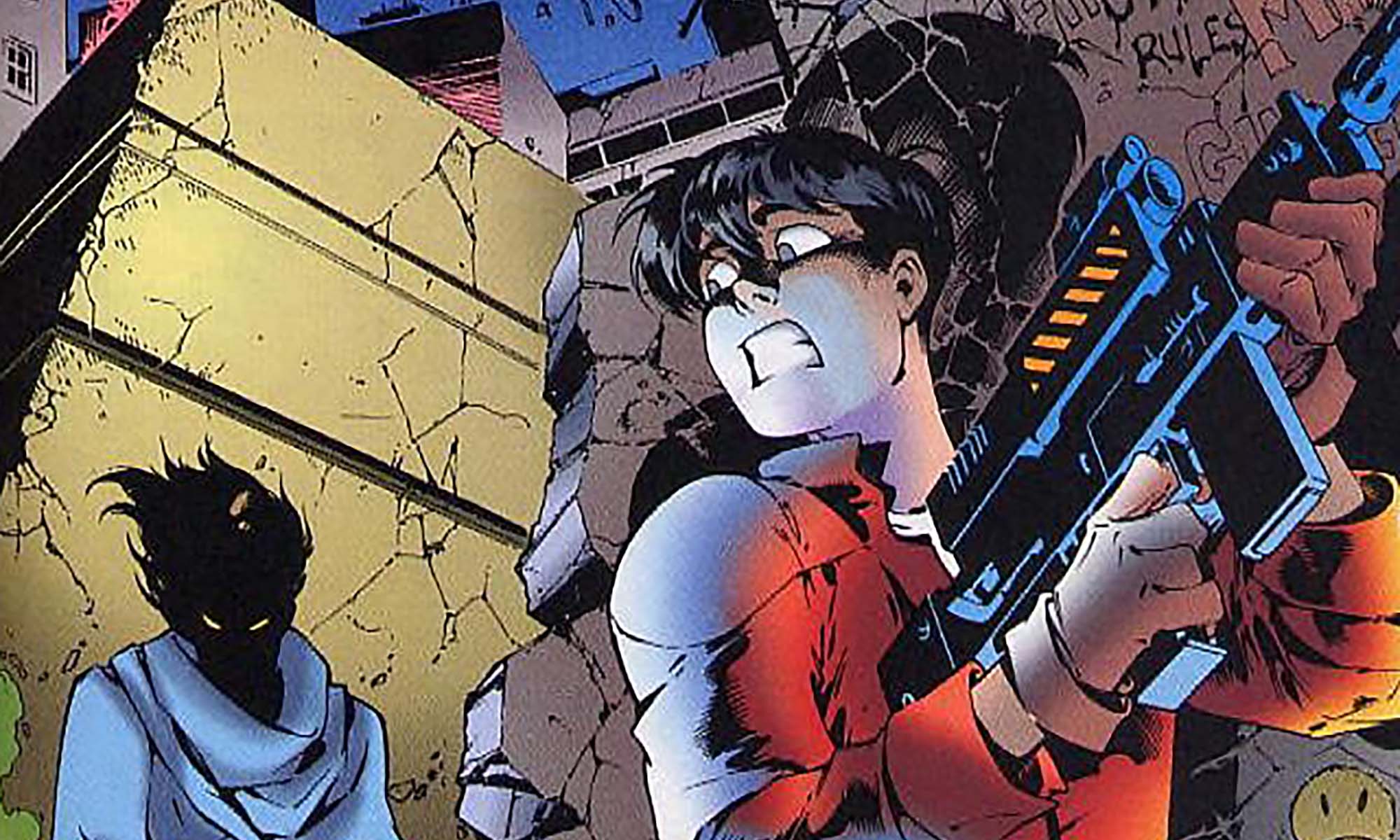
Nearly 40 years after its release in cinemas, Akira remains a landmark in anime history. It changed the way that Western audiences engaged with animation and, crucially, it changed how everyone draws a bike slide. It was such a big event that even companies like Marvel took notice. Long before they were a dominant force in films, Marvel Comics gave their own spin on the Akira universe with two short spin-off comics penned by GI Joe writer Larry Hama and Warren Ellis.
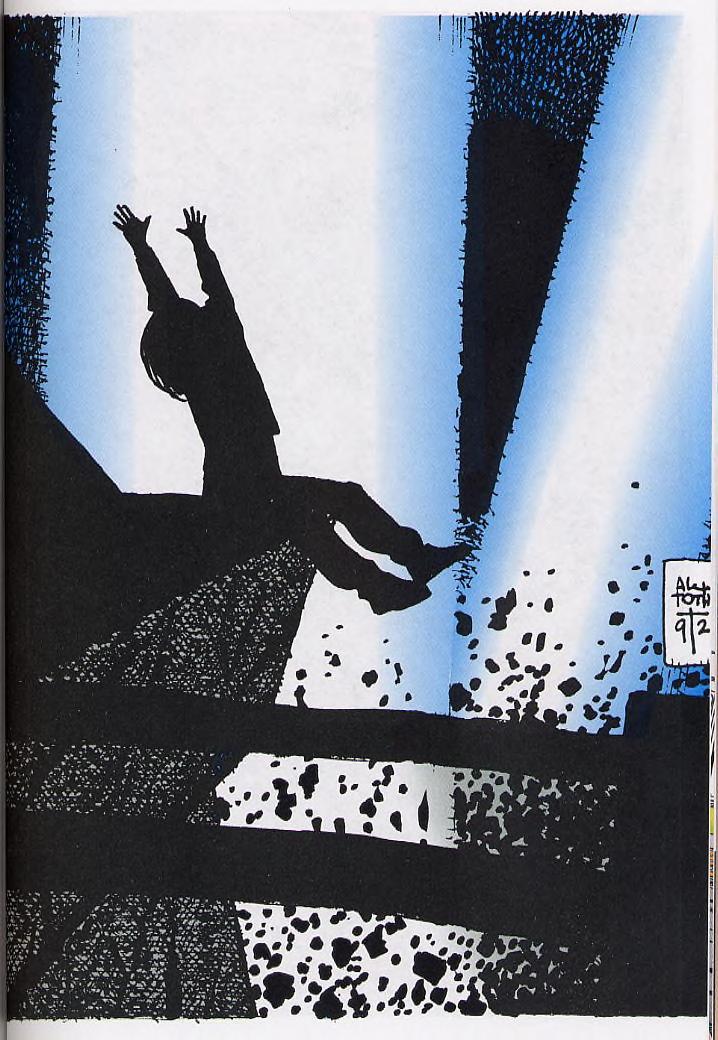
You could be forgiven for not realizing that Marvel had already been involved with Akira’s emergence as a major anime in the West. Starting in 1988, they published the Akira manga in English. That run finally ended in 1995, with Issue 38, but Marvel snuck some special gifts for American readers into the final issue of Akira.
In addition to several pages of art by influential comic book artists at the time, including Mark Chiarello, Moebius, John Romita, and Kevin O’Neil, Marvel also published two short spin-off stories in Akira #38. The first is a story called 'Yakitori,' written by Larry Hama and drawn by Brett Blevins. Hama was best known for his work on GI Joe at the time. This story is only eight pages long and has only limited dialogue. Interestingly, the dialogue that is present is all in Japanese (albeit using the English alphabet, or romaji).
Then, later, there is a nine-page story called Candy Flower Napalm written by Warren Ellis with art by Terry Shokemaker that is a bit more dialogue-heavy as it shows a different side to Lady Miyako. Neither of these stories feels like an essential read when placed alongside the main Akira manga, but it shows that, within Marvel, there were people passionate enough about the story and the impact it had on comic books to give their own spin on it. It is worth remembering that Akira #38 came out in the West in 1995, nearly a decade after the film changed animation history forever, so both Hama and Ellis had plenty of time to digest it and give it a proper retrospective at the time.
Each week, Popverse's resident anime expert Trent Cannon runs down the latest and, dare we say "greatest," in anime and manga in Popverse Jump. Some recent columns have included...
- Aggretsuko vs Chainsaw Man: Two Wildly different anine with the same anti-capitalist message
- The Summer Anime season return of Kaiju No. 8, Sakamoto Days, & Dan Da Dan are forcing me to break my vow of watching less anime
- From Tomo-Chan to Oshi No Ko: How some of your favorite manga creators got their start in hentai
- Piracy is baked into anime's past, but, like Crunchyroll, we should move on from it
- Flying whales, mechs, and Miyazaki vibes: Inside Netflix's Leviathan anime with the people who made it
- How AI translations of manga continues the 'enshitification' of the medium, and why Japanese publishers are "less precious" about it
- I never wanted a Cyberpunk Edgerunners sequel, but God help me I'm going to watch it
- The Summer Hikaru Died delivers its cosmic horror at an agonizingly slow pace
- The one thing that Dan Da Dan does better than Demon Slayer ever did
- Studio Ghibli movies have never been as cozy as you think they are and that's what makes them magic
Follow Popverse for upcoming event coverage and news
Find out how we conduct our review by reading our review policy
Let Popverse be your tour guide through the wilderness of pop culture
Sign in and let us help you find your new favorite thing.




Comments
Want to join the discussion? Please activate your account first.
Visit Reedpop ID if you need to resend the confirmation email.