If you click on a link and make a purchase we may receive a small commission. Read our editorial policy.
Why Wonder Woman's Stephanie Williams thinks her historic Eisner Awards comics achievement didn’t get enough attention
Stephanie Williams is the first Black woman nominated for a 'Best Writer' Eisner Award in its 35+ year history
Popverse's top stories
- Justice Gang boss Maxwell Lord will appear in another DC Studios project soon, says Sean Gunn - but he can’t say which one
- The Marvel art that made Jim Lee a superstar is being collected in one massive book
- Magic: The Gathering is giving Liliana Vess the main-character treatment
Stephanie Williams has made comic book history, but it's harder to see because how she did it hasn't gotten the attention it should.
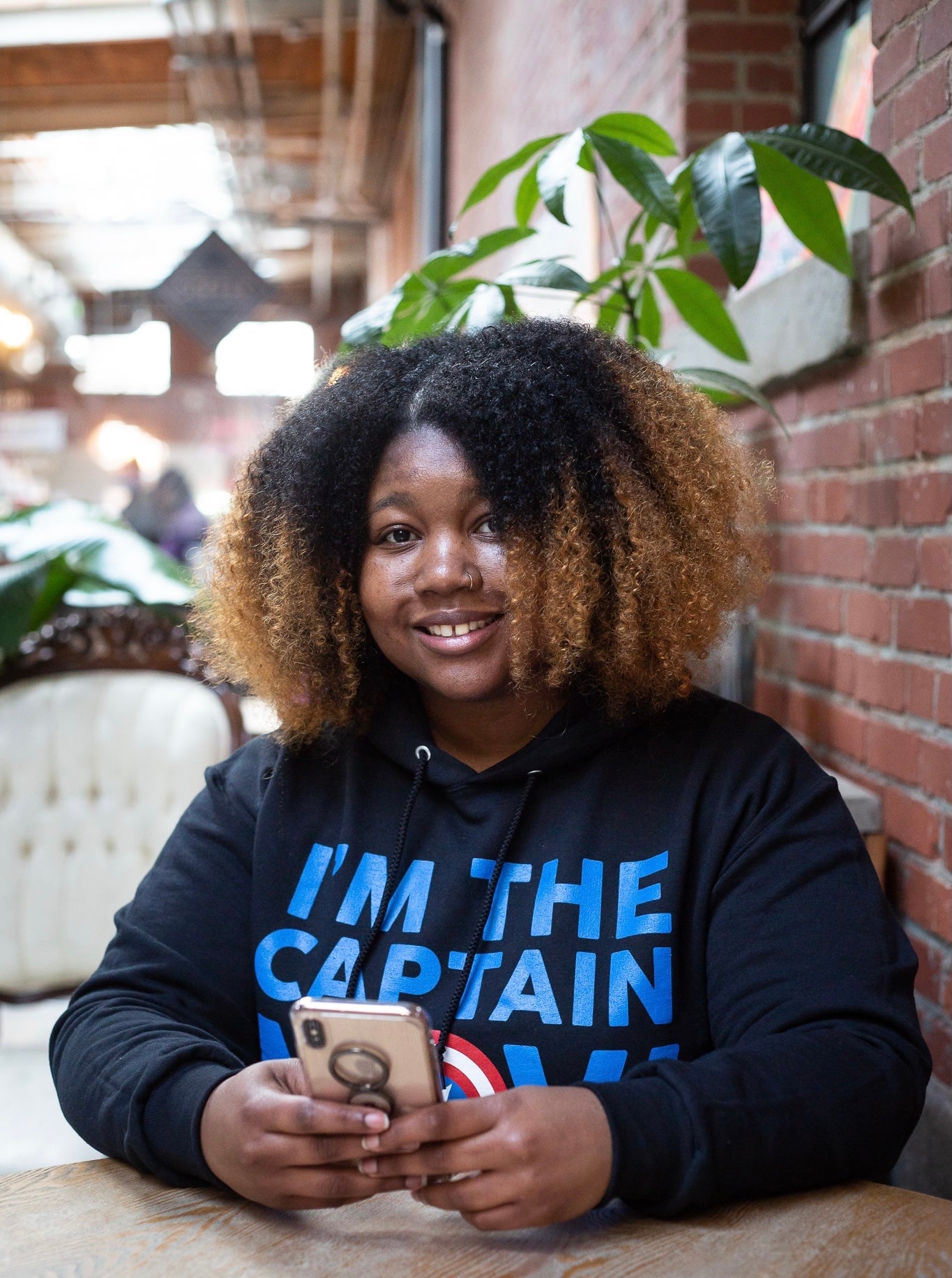
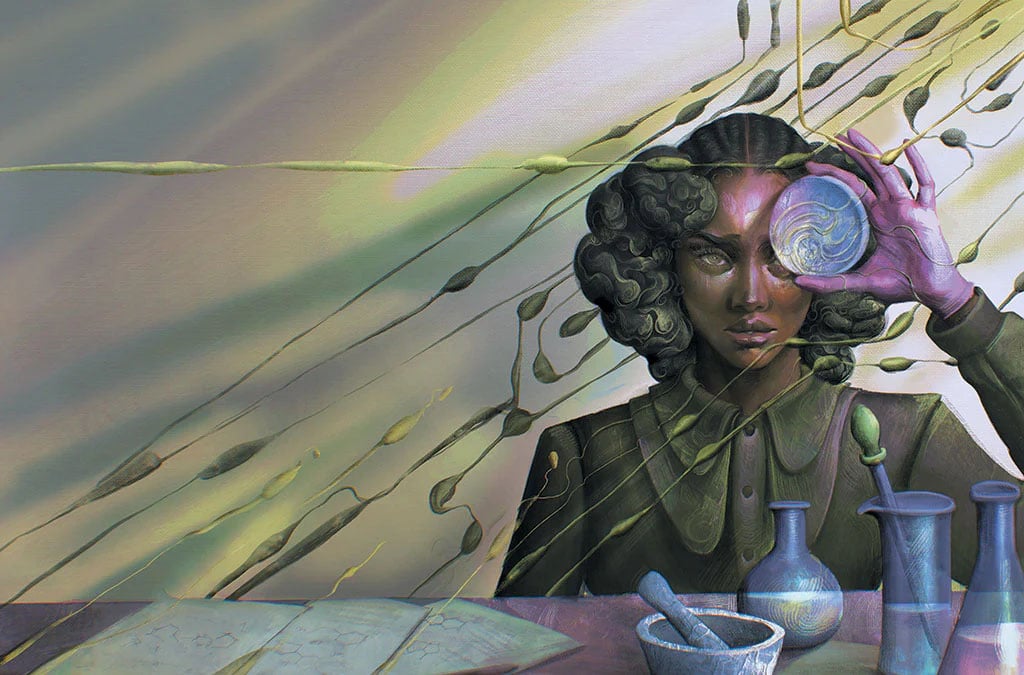
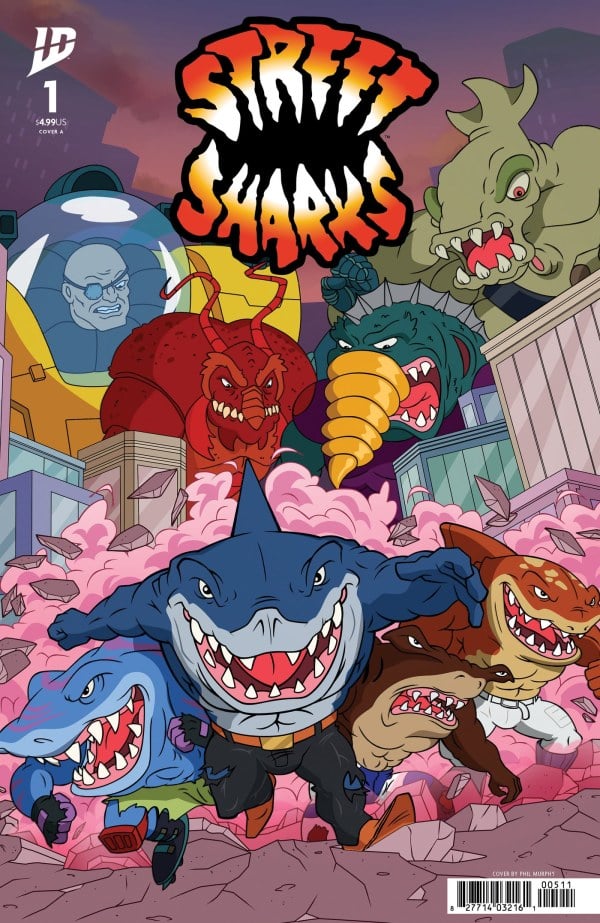
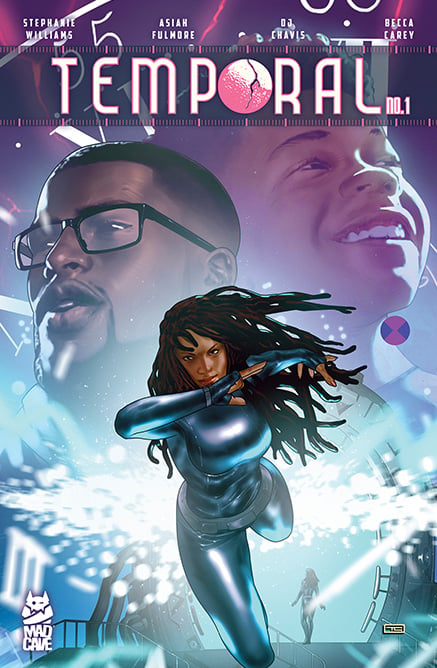
Williams is currently in the running for 'Best Writer' in North American comics' top awards grouping, the Will Eisner Comics Industry Awards. It's Williams' first time being nominated, and the first time any Black woman has been nominated for the award in its 38-year history. Williams currently shares writing duties on DC's Wonder Woman ongoing series with Tom King, and her 2026 Eisner Awards 'Best Writer' nomination is for her licensed comics work on a Street Sharks comic, and two creator-owned series: Roots of Madness and Temporal.
Williams' 'Best Writer' nomination is only the second time a Black creator has been nominated for it, but for that, you'll have to go all the way back to the '90s with the late Dwayne McDuffie. It's a historic feat, saying volumes about Williams' growing skill in comics as well as the state of the comics industry that such a first is happening all the way here in 2026. But when it was announced, this historic feat wasn't as recognized for the feat it was.
"It's actually kinda wild that not one major comics news outlet have written any pieces about not only my historic Eisner nominations (first Black Woman and the second Black person since 95 for Best Writer category) but also the amount of diverse nominations this year in total," Williams wrote on Threads on May 28. "Also, let me state that no, it’s not surprising; however, I'm not going just to say nothing because it’s actually pretty fucking ridiculous."
The writer is careful to point out that other outlets, such as Blerd Without Fear, The Pink Riot Comic Show, Black Comic Lords, Comics League, and For All Nerds did touch upon it prior to her post.
Williams is very familiar with news outlets, having written about comics & pop culture for the A.V. Club, Nerdist, Den of Geek, Rotten Tomatoes, Marvel, and Syfy's Fangrrls. I worked with Williams for a time inside GamesRadar's editorial department, prior to her becoming a full-time comics writer.
Related: Please don't be alarmed: Stephanie Williams is in demand and on a roll
Following this, the comics outlet Comic Frontier reached out to Williams to begin to cover the historical precedent itself, and she went more in-depth.
"A milestone like the first Black woman nominated for Best Writer in the Eisners' 38-year history reads as obviously significant to some people and as a footnote to others, and which of those you are often comes down to whether the history is yours," Williams tells Comic Frontier's Liam McGuire. "When newsrooms don't reflect the breadth of the medium they cover, blind spots aren't malicious. They're structural, but they're still blind spots."
Williams believes what happened isn't a conscious effort, but was about the changing economy of free journalism and how audiences react, leading to readership, which pays for the writers, podcasters, and video producers to cover such stories.
"A lot of sites are running on skeleton crews and survive on traffic, so the incentive is to chase whatever the algorithm rewards — the big-two scoop, the casting rumors, and the biggest, the outrage cycle — and a nuanced piece about a historic nomination possibly doesn’t move numbers the same way," says Williams, referring to readership as "numbers." "What stood out to me is that the people who did show up were largely podcasts and Black-led outlets doing this for love, not for traffic, which tells you the appetite is there. The institutions just aren't built to meet it."
Related: Milestone Comics and its powerful methods of representation
Williams went on to say that Black-led comics face a similar challenge, stressing that fans need to deliver those high "numbers" to comic publishers, like outlets, to pay for the print runs on comics such as these.
"A book can be beloved and still die because the pre-orders didn't signal demand in time," the writer says, referring to readers signalling interest with pre-orders more. "So when readers say they want more diverse books, more Black-led titles, more creators like the ones who got these nominations, the most concrete way to back that up is to pre-order. It's a vote that the industry actually counts."
Williams ends the interview with a challenge to readers wanting more stories about Black-led comics: show up early.
"... I mean what I said with love: 'I want those pre-orders through the roof. Consider it a challenge because we want to give readers the stories they’re asking for.'”
Follow Popverse for upcoming event coverage and news
Find out how we conduct our review by reading our review policy
Let Popverse be your tour guide through the wilderness of pop culture
Sign in and let us help you find your new favorite thing.






Comments
Want to join the discussion? Please activate your account first.
Visit Reedpop ID if you need to resend the confirmation email.