If you click on a link and make a purchase we may receive a small commission. Read our editorial policy.
PlayStation gamers, the countdown has started. In less than two years, you won't own all the games you buy
Welcome to the end of being able to buy new PlayStation games.

Popverse's top stories
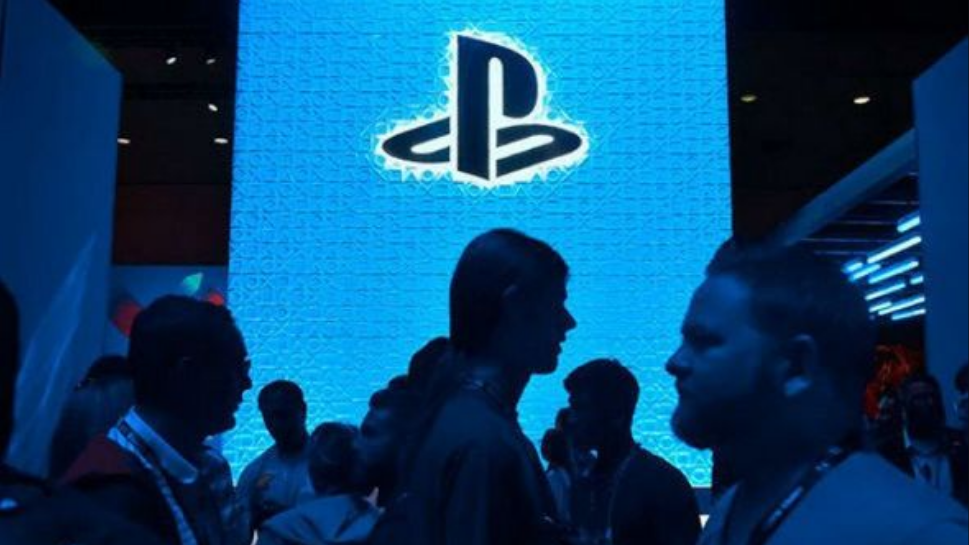
PlayStation users and, truth be told, the rest of the gaming world woke up to a startling announcement July 1. Posted to PlayStation's official blog was the announcement that, in January of 2028, Sony's gaming staple will cease the production of physical media, transitioning to digital formats only for PlayStation games. At first glance, this news may appear to most affect buyers who choose to go physical - whether for preferential or collection reasons. But dig a little deeper and you'll find that this news has connections to a much larger issue for a much, much larger group of people.
That is, the issue of media ownership in the digital age.
Let's set this up with some context. When you 'buy' a piece of digital media, whether that's a comic, video game, or movie, you don't purchase anything physical. Rather, you essentially purchase a pass to access said media within the seller's online library. The problem is; the seller won't necessarily be able to keep the media in that library in perpetuity. Licensing agreements between the media's publisher and the seller can run out or change, meaning that, even though you the purchaser spent your money to 'buy' that media, the way your access that media won't always be able to provide it.
This issue has already worked its way into the courtroom. In 2025, a class action lawsuit was filed against Amazon's Prime Video (as reported on by The Hollywood Reporter), alleging that the streamer's usage of terms like "buy" and "purchase" when referring to their movie catalogue were misleading. The lawsuit stems from a Prime user named Lisa Reingold buying a digital collection of a series called Bella and the Bulldogs and then, once Prime Video lost its license to host the series, losing access to the episodes she paid for. However, as THR points out, there was a prominent issue similar to Lisa's even before this one, when buyers of online racing game The Crew complained that they lost access to the game after publisher Ubisoft shut down its servers in 2023.
So now, we're back to gaming. With PlayStation ceasing production of its physical disks, the only way for gamers to get their games is through the company's digital catalogue, and as we've seen in the Amazon case, that digital catalogue's offerings are not guaranteed to stay consistent. Say you 'buy' a digital copy of the sequel to Alien: Isolation in 2028 (god, we hope it's out by then). Then, in 2029, because of some development in the license between itself and publisher SEGA, PlayStation removes the game from its digital catalogue. Suddenly, the game that you bought and paid for on the console you bought and paid for is no longer available to play.
Adding some more context to this is the fact that, in another area of its products, Sony Entertainment is already stripping bought-and-purchased media from its digital catalogue. As reported by Ars Technica, Sony will soon lose licensing access to 551 film titles from its UK PlayStation Store - meaning that even if you 'bought' titles like Rambo 3 and Terminator 2: Judgment Day, you will not be able to watch them, depending on where you live. As you might expect, this comes from a shift in the agreement that Sony had with the producer of these films, Studio Canal.
All this to say - PlayStation's decision to phase out physical media is not a guarantee that you will lose access to the games you buy, but it does diminish the most surefire way of making sure you have said access. And that concern isn't limited to people who buy games - it stretches to their producers as well. As Animal Well dev Billy Basso put it on Twitter:
"Extremely sad to think I'll never release another physical game for PlayStation. Releasing the physical versions of Animal Well was a huge motivator all throughout development. It really kills my desire to develop for the platform. I'm hoping they reverse this decision."
As I hope I've made clear here, reader, I can't say whether or not you'll lose access to digital games you buy on the PlayStation store. But I can tell you this for certain: you'll never play a game that a dev isn't motivated enough to finish.
The gaming industry has come a long way since Pong blew all our minds in the 70s. We've got everything you need to know about the next big thing in games. Of course, Grand Theft Auto VI is going to be the big game of 2026, but there are plenty of other games coming out between now and then. Here is our starter guide for every gamer:
And be sure to check Popverse regularly for the latest gaming news.
Follow Popverse for upcoming event coverage and news
Find out how we conduct our review by reading our review policy
Let Popverse be your tour guide through the wilderness of pop culture
Sign in and let us help you find your new favorite thing.




Comments
Want to join the discussion? Please activate your account first.
Visit Reedpop ID if you need to resend the confirmation email.