If you click on a link and make a purchase we may receive a small commission. Read our editorial policy.
Why 1987 was a turning point for animation, Disney, and the future of TV cartoons
Animation historian Jerry Beck looks back on how 1987 was a turning point in animation history, even if no one knew it at the time.

Popverse's top stories
- Marvel's Punisher skull took on a meaning co-creator Gerry Conway never wanted it to. This is how he fought back
- It's never too early to start planning for NYCC 2026 - here's what you need to know before returning to the Javits Center in October
- Marvel Studios killed a Daredevil: Born Again character in editing, dropping scenes already shot from season 2
Hindsight is a funny thing. While you’re living in the so-called “interesting times,” it usually doesn’t feel quite so interesting at the time. 1987 was one of those periods for animation. Anime was still very much an underground subculture, thriving in the comic con scene but failing to hit the mainstream in the US. Disney was trying to reinvent itself after the departure of two of its most iconic animators a few years earlier. TV animation was becoming more dynamic and energetic.
I spoke to Jerry Beck, an animation historian who worked in film distribution and who, as part of Streamline Pictures, helped bring anime movies like Akira, My Neighbor Totoro, and Castle in the Sky to the US. During the 1980s, he was active in the animation industry. “I was doing anything I could to push the medium along one way or another,” he told me of his work at the time. “Whether it’s to help promote how great the older films were, to write about the history of animation, to do screenings about classic animation, and to push what was really innovative and new and what was going on in animation at the time.”
“I’d say [1986] and 87 in particular, we didn’t know it then, but clearly, that was an interesting period,” Beck explained. “That was kind of the end, in some ways, of the way things… how things had been, and the beginning of some new things that were going to be. You know, you never know when you live through these things. You’ll know later on when the years were interesting.” What made things interesting was how animation had found itself in a rut in the mid-80s. “Animation was at a low, low ebb. All animation at that time. It was the TV shows, and occasionally something heroic would pop up on television, you know. Something like Pee-wee’s Playhouse, which had a lot of different types of animation in it.”
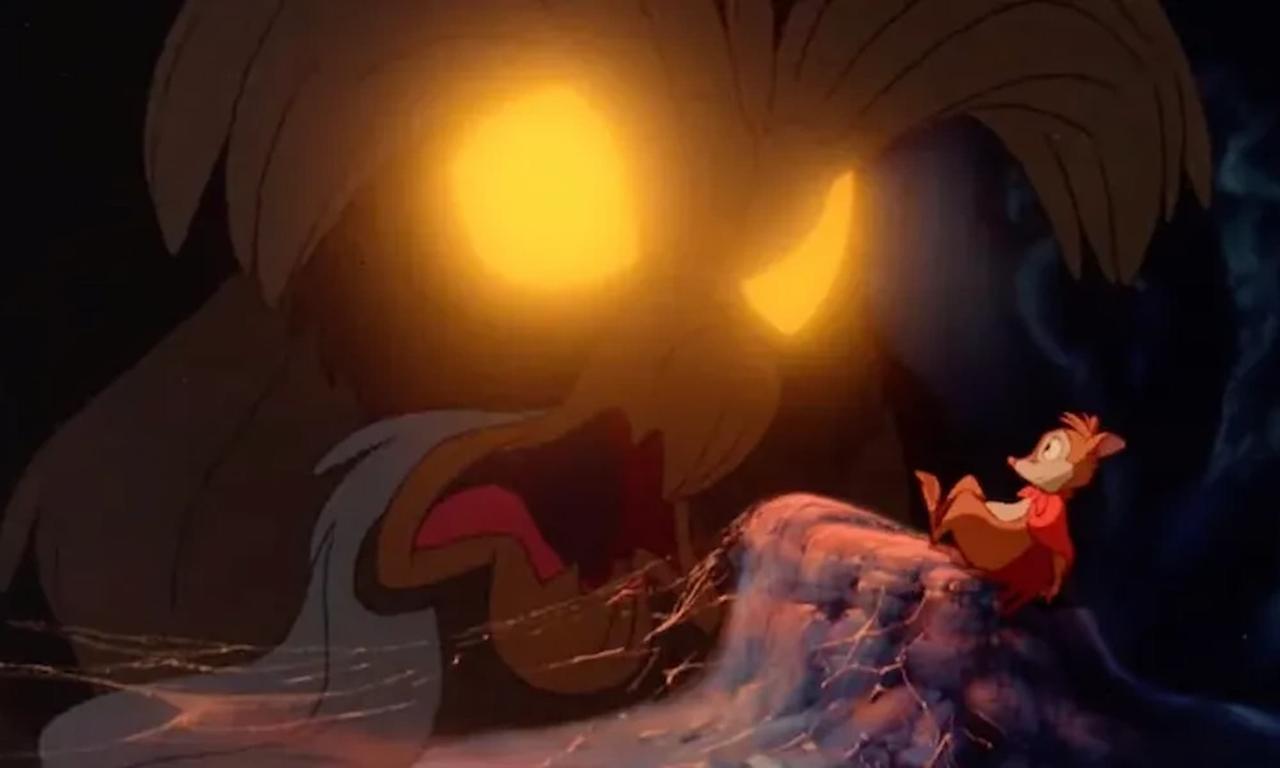
Don Bluth’s departure from Disney in 1979 was part of this change. “It was a big deal at the time. It was on the front page of The New York Times. Animation was never covered like that.” In 1982, Don Bluth’s production company would create some of the most iconic 1980s animated films, including The Secret of NIMH, An American Tail, and The Land Before Time. Disney’s box office prospects suffered during the mid-80s until The Little Mermaid came out in 1989.
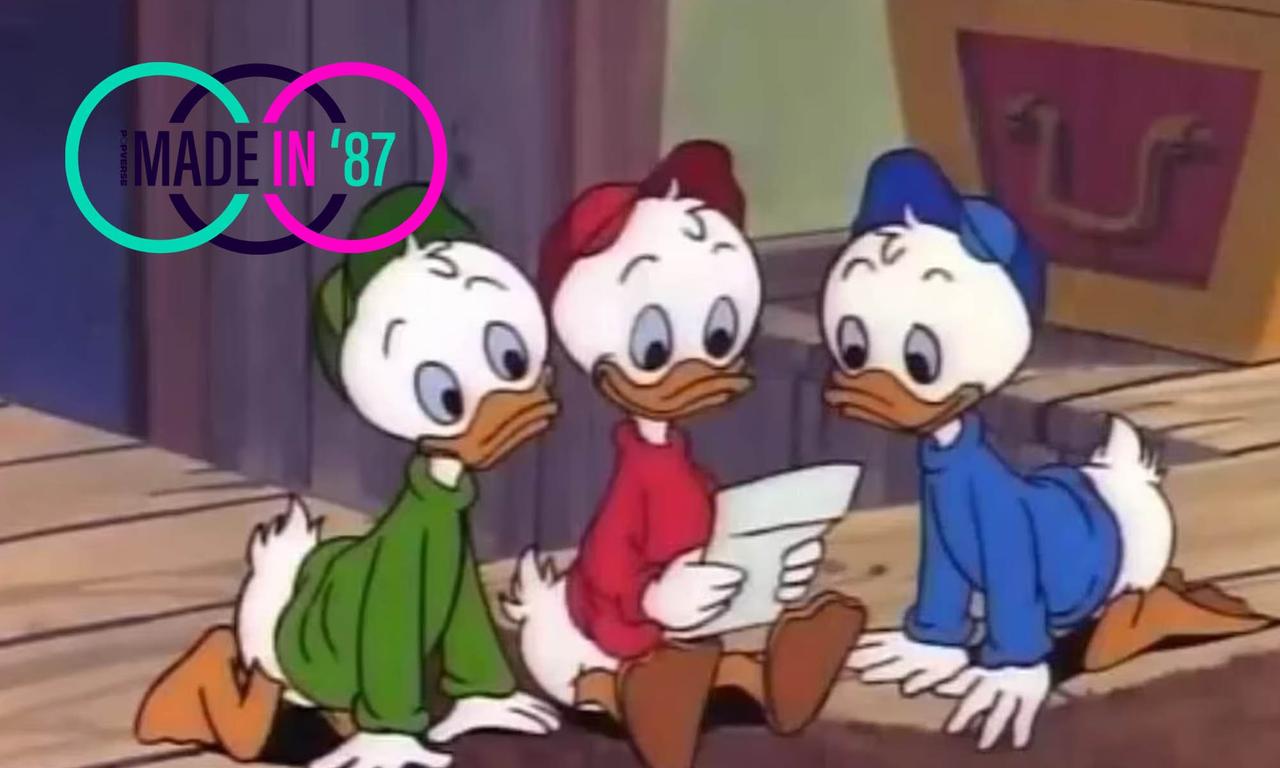
TV animation was still dominated by Hanna-Barbera and low-budget cartoons like Transformers and Thundercats, but Disney was beginning to dip their toe into television animation. Adventures of the Gummi Bears came out in 1985 and showed what Disney’s high-budget animation could do on an animated series. In 1987, the studio would produce the iconic DuckTales as a syndicated series, airing 65 episodes a year instead of the typical 13 that most series got.

In 1987, we saw the seeds of what would become the future of animation, which was more dynamic, exciting movements from characters. “By ’87, Mighty Mouse: The New Adventures, the Ralph Bakshi series was quite radical,” Beck told me. “It was the first public appearance of the now infamous John Kricfalusi, who would later go on to do Ren and Stimpy.” Kricfalusi would much later be accused of sexually abusing underage girls during the height of his fame. “There was a feeling that was a game-changer. The idea of making Saturday morning cartoons went from this static, kind of boring, you know, a way to some actual movements, some actual cartooning. Some actual, you know, stretch and squash and exaggerated poses.”
A few years later, shows like Tiny Toon Adventures, Animaniacs, Rocko’s Modern Life, and, yes, Ren and Stimpy, with their high-energy, chaotic, and highly creative characters and jokes that only your parents would get, would become the norm rather than the exception. Disney had found its footing with Aladdin and Beauty and the Beast, earning multiple Oscar nominations during this period. Anime, which had been a firmly underground medium during the 1980s, would break into the mainstream with Sailor Moon and Pokémon before having a boom in the 2000s. All from the seeds planted in the animation industry in 1987.
Get your wide-shoulder blouses and your Members-Only jackets, and go back in time with Popverse's Made in 87. Highlights include:
- Marvel Comics killed the X-Men in 1987 to reset the franchise - but it didn’t stick
- The Full House cast addresses some of the series’ biggest continuity errors
- How Spider-Man’s Macy’s Thanksgiving Day Parade balloon was saved by a fired Marvel boss — and Ronald McDonald
- How NBC panicked after Diane left Cheers — and why Kirstie Alley’s casting sparked a quiet battle inside the hit show
- How Bart Simpson was quietly toned down from being "so mean" before The Simpsons' first episode, as revealed by his long-time voice actor Nancy Cartwright
- The 1987 Justice League reboot that made superheroes weird, hilarious, and unexpectedly human
- How The Golden Girls became a staple at gay bars in the 80s
Follow Popverse for upcoming event coverage and news
Find out how we conduct our review by reading our review policy
Let Popverse be your tour guide through the wilderness of pop culture
Sign in and let us help you find your new favorite thing.








Comments
Want to join the discussion? Please activate your account first.
Visit Reedpop ID if you need to resend the confirmation email.