If you click on a link and make a purchase we may receive a small commission. Read our editorial policy.
DCAU: How to watch Batman: The Animated Series, Justice League, Batman Beyond, and the rest of the DC Animated Universe in release and chronological order
DC Animated Universe watch order: Release order, chronological timeline & complete viewing guide
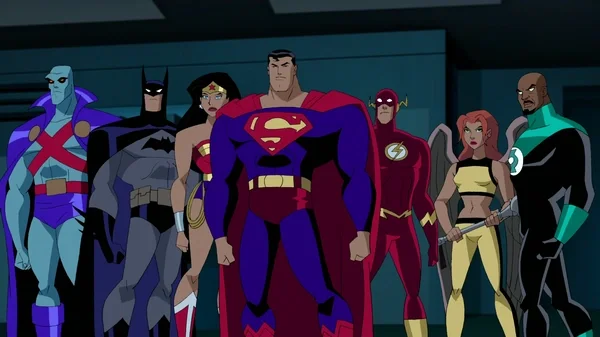

For comic fans who grew up in the 1990s and 2000s, the DC Animated Universe (DCAU) was a defining part of superhero animation, bringing iconic DC characters to the small screen in shows like Batman: The Animated Series, Superman: The Animated Series, Justice League, and Batman Beyond. Nearly two decades after the last DCAU television series ended, the universe remains one of DC's most beloved continuities. If you're wondering where to start, this guide explains how to watch the DCAU in both release and chronological order, along with our picks for the best episodes if you're short on time.
How to watch the DCAU in release order
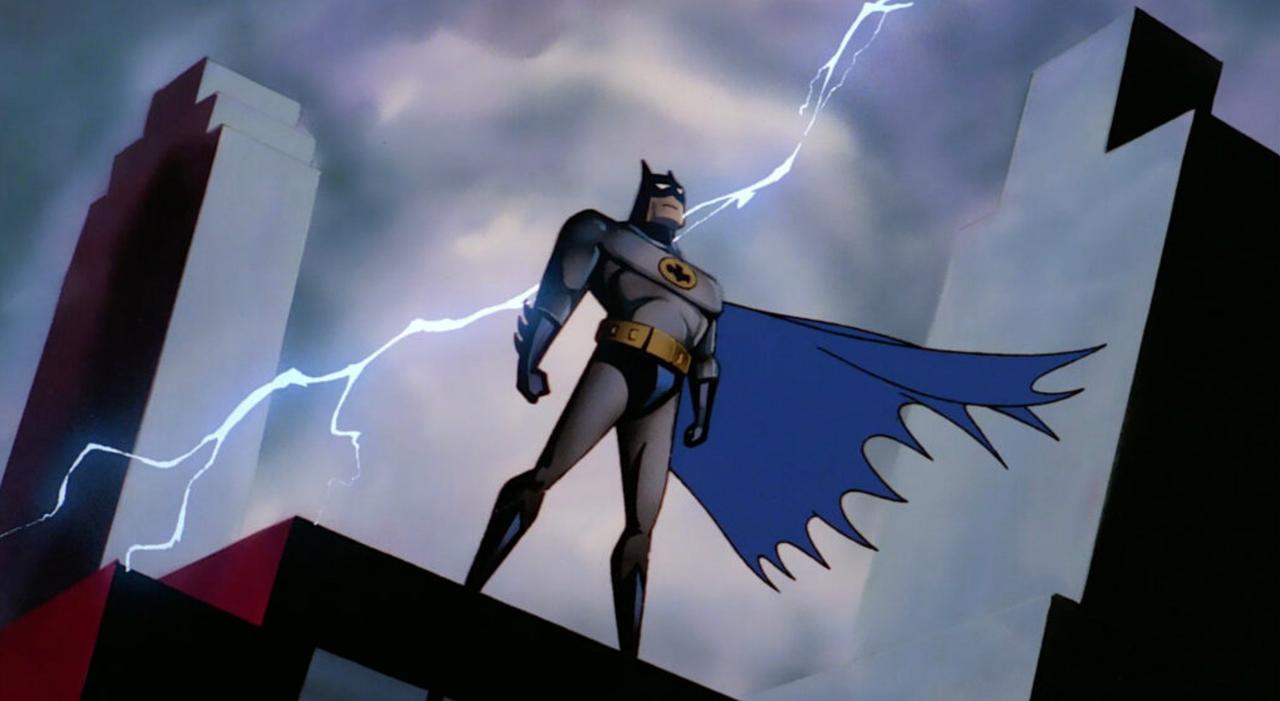
- Batman: The Animated Series (television series, 1992-1995)
- Batman: Mask of the Phantasm (1993 animated movie)
- Superman: The Animated Series (television series, 1996-2000)
- The New Batman Adventures (television series, 1997-1999)
- Batman & Mr. Freeze: Subzero (1998 animated movie)
- Batman Beyond (television series, 1999-2001)
- Lobo (2000 web series)
- Gotham Girls (web series, 2000-2002)
- Static Shock (television series, 2000-2004)
- Batman Beyond: Return of the Joker (2000 animated movie)
- The Zeta Project (television series, 2001-2002)
- Justice League (television series, 2001-2004)
- Chase Me (2003 animated short)
- Batman: Mystery of the Batwoman (2003 animated movie)
- Justice League Unlimited (television series, 2004-2006)
- Batman Beyond (2014 animated short)
- Batman and Harley Quinn (2017 animated movie)
- Justice League vs. The Fatal Five (2019 animated movie)
The DC Animated Universe kicked off in 1992 with Batman: The Animated Series, which was originally designed as a standalone project. The success of the series led to Warner Bros. Animation producing Superman: The Animated Series, and that’s the moment the world became an animated universe. Static Shock was initially conceived as its own project, but later crossovers with DC characters established it as part of the DCAU. Although the DCAU hasn’t been on television since Justice League Unlimited ended in 2006, the universe has continued through direct-to-video animated films such as Batman and Harley Quinn and Justice League vs. The Fatal Five.
How to watch the DCAU in chronological order
- Batman: The Animated Series (television series, 1992-1995)
- Batman: Mask of the Phantasm (1993 animated movie)
- Batman & Mr. Freeze: Subzero (1998 animated movie)
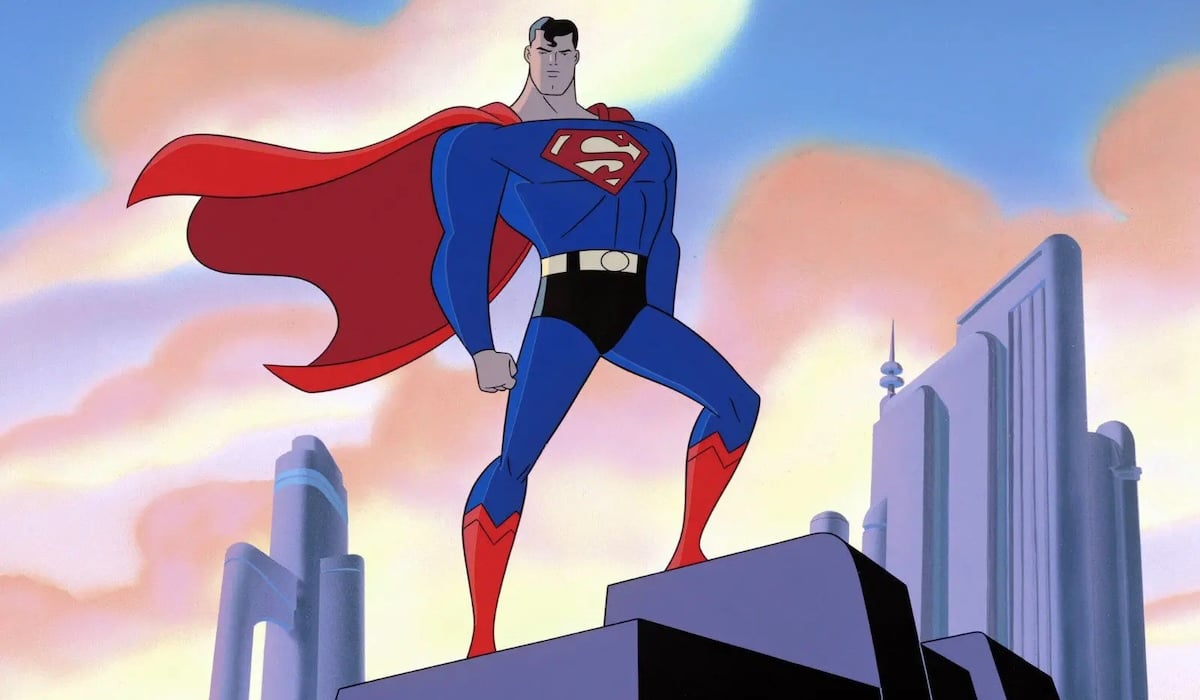
- Superman: The Animated Series (television series, 1996-2000)
- The New Batman Adventures (television series, 1997-1999)
- Lobo (2000 web series)
- Gotham Girls (web series, 2000-2002)
- Static Shock (television series, 2000-2004)
- Justice League (television series, 2001-2004)
- Chase Me (2003 animated short)
- Batman: Mystery of the Batwoman (2003 animated movie)
- Justice League Unlimited (television series, 2004-2006)
- Batman and Harley Quinn (2017 animated movie)
- Justice League vs. The Fatal Five (2019 animated movie)
- Batman Beyond: Return of the Joker (Flashback sequence)
- Batman Beyond (television series, 1999-2001)
- Batman Beyond: Return of the Joker (2000 animated movie)
- The Zeta Project (television series, 2001-2002)
- Batman Beyond (2014 animated short)
- Justice League Unlimited episode ‘Epilogue’
Watching the DCAU in chronological order is slightly different than release order, due to Batman Beyond being set decades in the future. For the timeline above, we’ve generally assumed each show is set relative to when it aired. For example, we placed Static Shock before Justice League because it premiered first. For shows that aired at the same time, it’s assumed that they take place concurrently, but in those cases we’ve put whichever show aired first earlier in the chronology. Batman and Harley Quinn and Justice League vs. The Fatal Five are tricky, but we’ve placed them based on contextual clues and creator interviews.
TL;DR - What are the best episodes of the DCAU?
If you don’t have time to watch the entire DCAU, but want a sampling of the best episodes, here are the ones to watch. Since Batman: The Animated Series has so many notable episodes, we’re giving that its own section.
- Superman: The Animated Series “Mxyzpixilated” – Mister Mxyzptlk, a Fifth Dimensional Imp voiced by Gilbert Gottfried, shows up to cause mischief.
- Superman: The Animated Series “World’s Finest Part 1-3” – The DCAU versions of Batman and Superman meet for the first time, as Lex Luthor forms an uneasy alliance with the Joker.
- Superman: The Animated Series “The Late Mr. Kent” – When Clark Kent is seemingly killed, Superman must figure out a way to live without his double identity while helping a wrongfully accused man on death row.
- Batman Beyond “Rebirth Part 1-2” – The series premiere, which introduces Terry McGinnis, a teenage boy who stumbles onto the Batcave and becomes the new Batman. His uneasy dynamic with Bruce Wayne becomes the emotional backbone of the series.
- Batman Beyond “Unmasked” – Terry unmasks himself in front of a young boy, setting in motion a series of events that threaten to end his career as Batman.
- Justice League “Starcrossed Part 1-3” – The Thanagarians arrive on Earth, forcing Hawkgirl to choose between her people and her teammates.
- Justice League Unlimited “Epilogue” – In the far future, Terry McGinnis learns the truth about his lineage, and how it connects to a hidden chapter in Batman’s history. This was originally meant to be the series finale of JLU, and the episode serves as a tribute to the DCAU’s legacy as a whole.
What are the best episodes of Batman: The Animated Series?
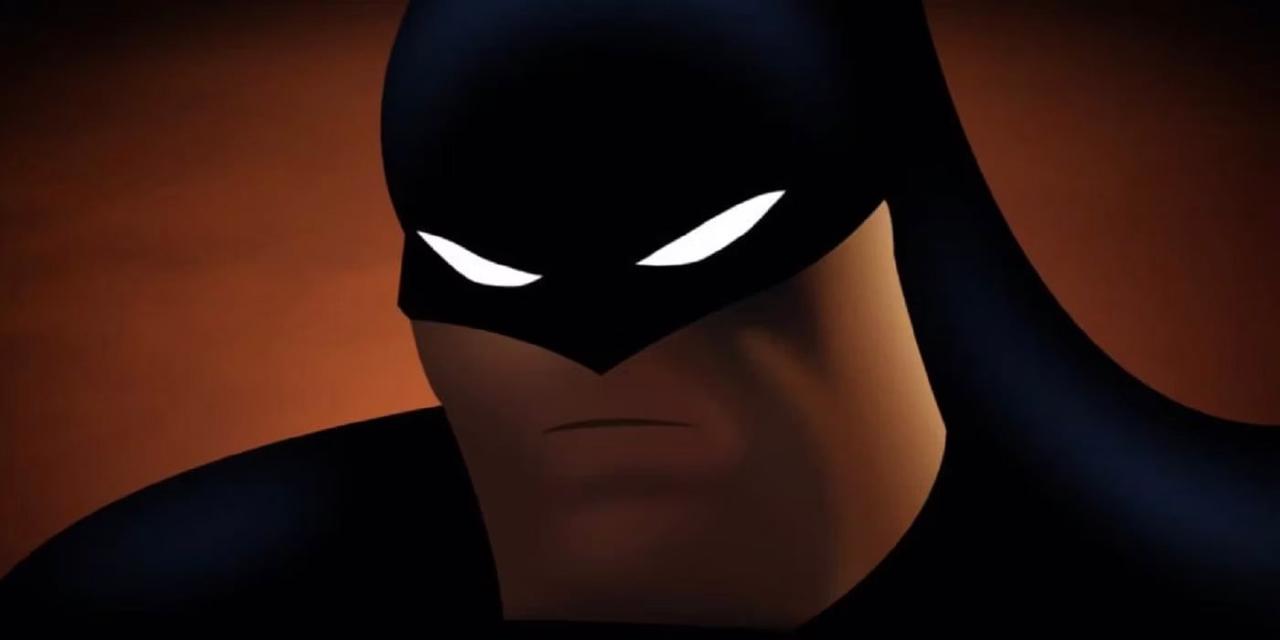
Batman: The Animated Series is not only one of the best DC series of all time, but one of the best cartoons period. Each episode is a stunning work of art, making it one of the most satisfying binging experiences. However, if your time is short, here are the five best episodes to watch.
- Heart of Ice – Mr. Freeze’s origin is reimagined, turning him from a gimmick villain into a tragic figure. This episode was so influential that it changed Freeze’s characterization in the comics going forward.
- Almost Got ‘Im – Gotham’s villains meet for a night of cards and share stories about the closest they came to killing Batman.
- The Man Who Killed Batman – A smalltime crook believes he accidentally killed Batman, making him the toast of Gotham’s underworld, and the target of the Joker.
- Robin’s Reckoning Part 1-2 – The origin of Robin. This storyline is notable for the emotional conversation between Bruce Wayne and Dick Grayson at the end of Part 1.
- Over the Edge – The apparent death of Batgirl sparks a war between Batman and Commissioner Gordon.
DCAU FAQ
What is the DCAU?
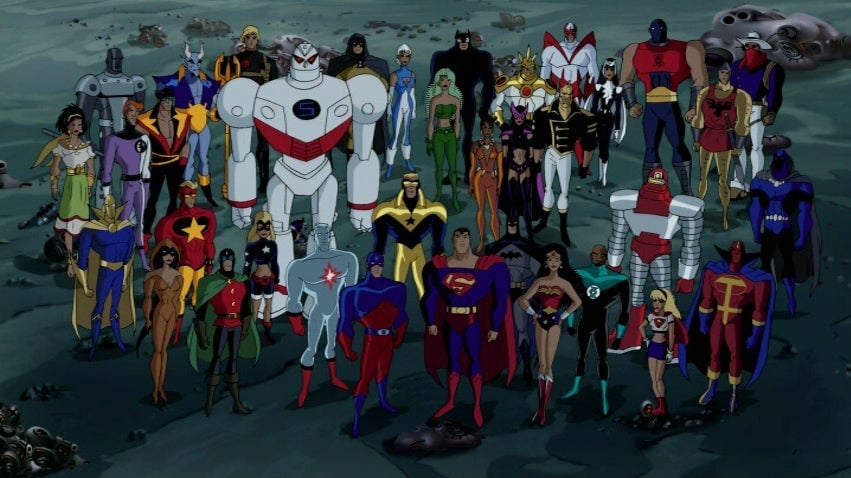
The DCAU is the DC Animated Universe, a shared continuity of television shows and movies featuring DC’s heroes. The DCAU began with Batman: The Animated Series in 1992, and continued with various other projects, including Superman: The Animated Series and Batman Beyond. The DCAU is sometimes referred to as the Timmverse, after producer and animator Bruce Timm, or the Diniverse, after Paul Dini.
Are the DCAU and the DCAMU the same?
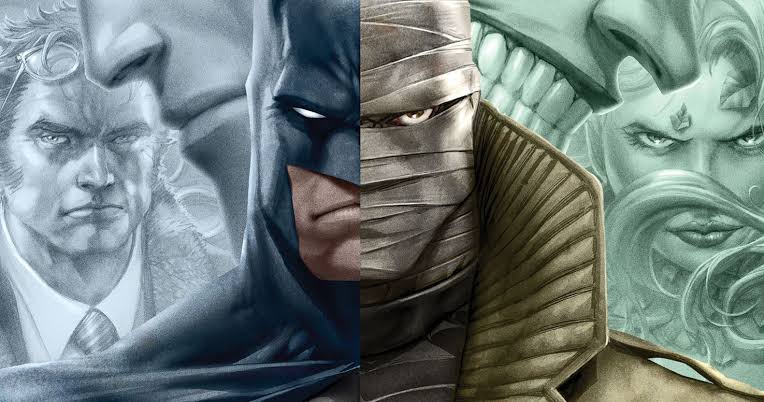
No, the DCAMU is a separate continuity from the DCAU. The DCAMU refers to the DC Animated Movie Universe, a shared continuity of straight-to-DVD films Warner Bros. Animation released between 2013-2020. Most of these films were adaptations of well known storylines such as The Death of Superman or Batman: Hush, but there were also original stories such as Justice League Dark: Apokolips War. While some of these films have DCAU voice actors reprising their roles, such as Kevin Conroy as Batman in The Flashpoint Paradox, in this case they are playing different versions of the characters. The DCAMU films have no relationship with the DCAU, and should be considered their own continuity.
Has the DCAU ended?
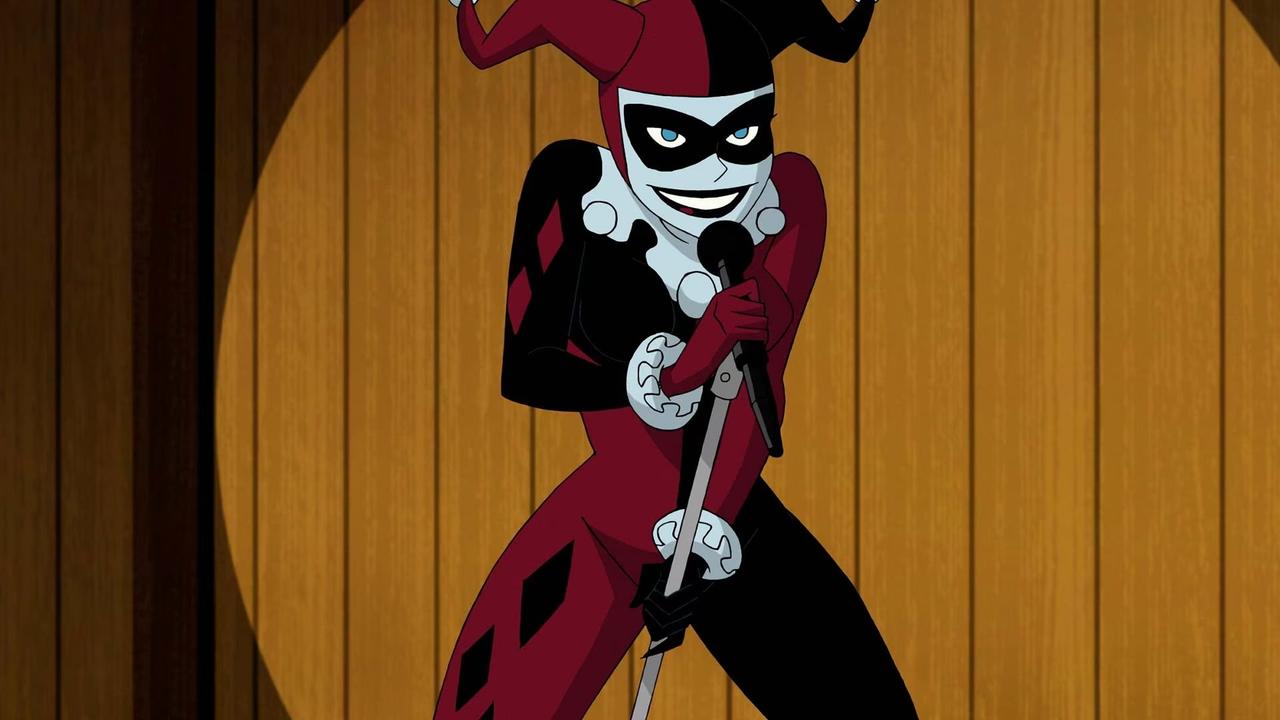
The DCAU isn’t officially over, but as of this writing there are no active projects in development. The last DCAU film (Justice League vs. The Fatal Five) was released in 2019, and the last DCAU television series (Justice League Unlimited) ended in 2006. The universe may be dormant, but I doubt DC will ever fully close the door on it. Shows like Batman: The Animated Series are fondly remembered and remain influential to this day, making it likely DC will revisit the universe sometime in the future, whether it’s an animated short, straight-to-DVD film, or something else.
In fact, DC Comics published Batman: The Adventures Continues in 2020, a comic series which acted as a “new season” for Batman: The Animated Series. It’s also important to remember that Batman and Harley Quinn was released 11 years after Justice League Unlimited ended. Simply put, it doesn’t matter how much time passes, this universe isn’t going anywhere.
Is Teen Titans 2003 part of the DCAU?
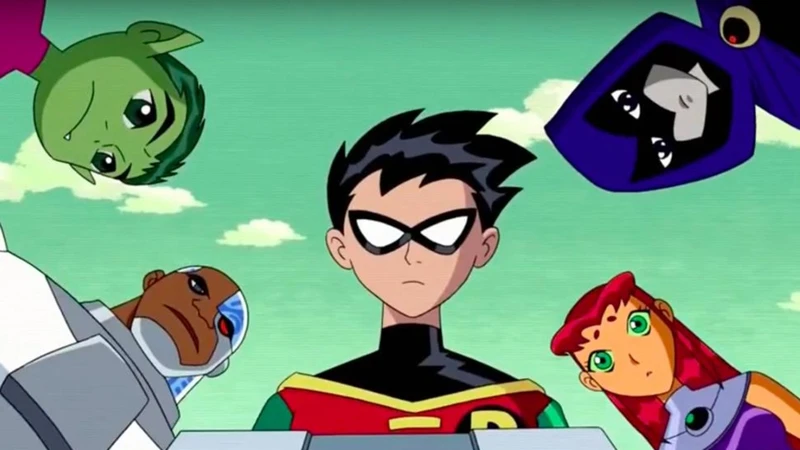
No, the 2003 Teen Titans animated series is not part of the DCAU. When Teen Titans premiered in 2003 it was the first time a DC animated series had been set outside of the DCAU since the universe had launched in 1992. As such, many viewers expected it to be part of the DCAU and tried to wave off the tonal differences and contradictions.
To be fair, Warner Bros. Animation had toyed with the idea of a DCAU Teen Titans project in the mid-90s, which would have aired on Kids WB. However, this project never went forward and doesn’t have many similarities to the 2003 cartoon. Batman mentions the Titans in a 2003 Static Shock episode, which also confuses the issue. However, this reference means that the Teen Titans also exist in the DCAU (we just haven’t seen them).
We could spend thousands of words arguing about the various pieces of evidence, but we’ll spare you the details here. There’s enough evidence to make a 27-minute video on the topic, but the bottom line is that Teen Titans is not DCAU canon. The producers have confirmed this in interviews, and DC’s own official DCAU timelines and watch orders leave Teen Titans out.
Is Superman: Brainiac Attacks part of the DCAU?
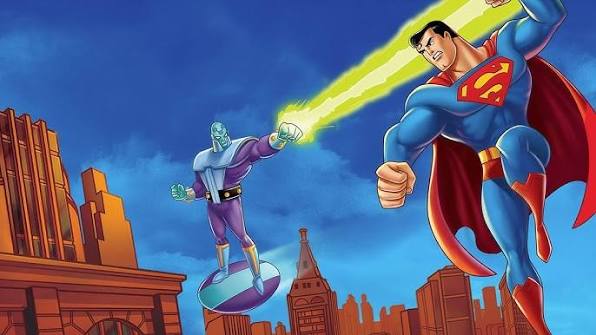
No, Superman: Brainiac Attacks is not part of the DCAU, but it’s understandable if you’re confused. The 2006 direct-to-DVD movie uses the Superman: The Animated Series art style, and even has Tim Daly and Dana Delany reprise their roles as Superman and Lois Lane. However, the tone and the characterizations are different, and some of the continuity doesn’t match. If that wasn’t enough, multiple people involve with the film, including the writer, have stated that it’s not part of the DCAU.
It’s a strange case where the movie looks like the DCAU, has DCAU voice actors, but Superman: Brainiac Attacks is not part of the DCAU.
Is Batman: Caped Crusader part of the DCAU?
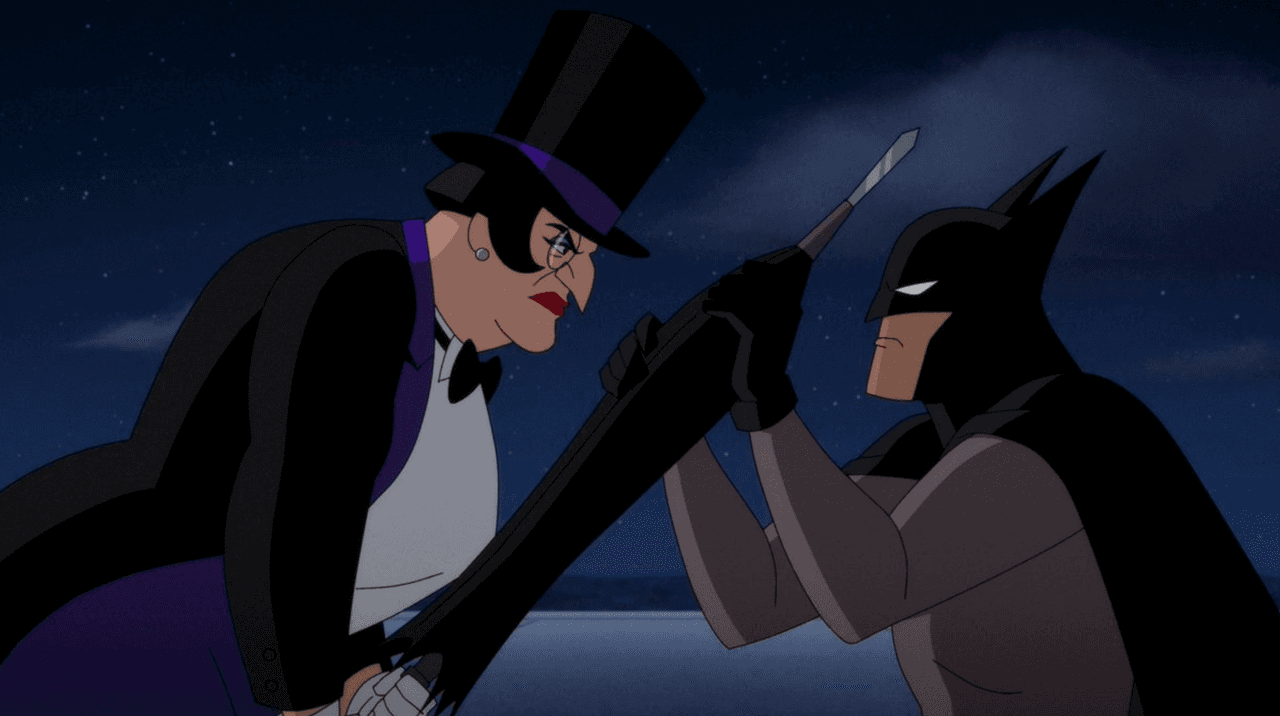
No, Batman: Caped Crusader is not part of the DCAU, and it’s not a continuation of Batman: The Animated Series. The reason some might assume otherwise is because Bruce Timm, one of the main creative forces behind Batman: The Animated Series, is the showrunner and executive producer of Batman: Caped Crusader. The cartoon also shares a retro-noir aesthetic with B:TAS.
However, if you watch the show it’s evident that it’s not part of the DCAU. Characters like Barbara Gordon and Harvey Dent have completely new backstories, and villains like Harley Quinn are redesigned with new motivations. Oh, and the Penguin is a woman.
Is Batman and Harley Quinn canon to the DCAU?
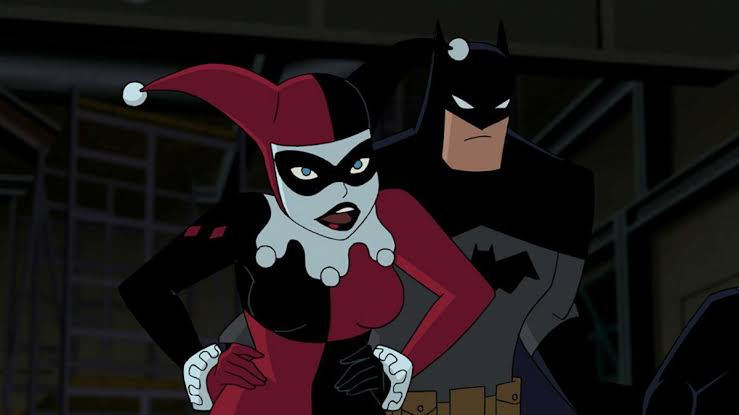
Yes, Batman and Harley Quinn is canon to the DCAU. Unlike other entries, this one is a bit more ambiguous, with evidence pointing both ways. Batman and Harley Quinn is animated in the DCAU style, with Kevin Conroy and Loren Lester reprising their roles as Batman and Nightwing. However, the tone is more comedic, and there is a scene where a bunch of former henchmen are together in a bar, including androids that were destroyed and crooks who were killed. The film ends with a reformed Harley becoming a TV psychiatrist, which doesn’t jive with the future we saw for her in Batman Beyond: Return of the Joker.
Bruce Timm, who wrote the story for the film, stated that it’s part of the DCAU in early interviews, but in other interviews he said it was up to Warner Bros. Animation. The film was officially marketed as a DCAU continuation, and it’s classified as DCAU on DC’s official watch order list.
Are the DCAU tie-in comics canon?
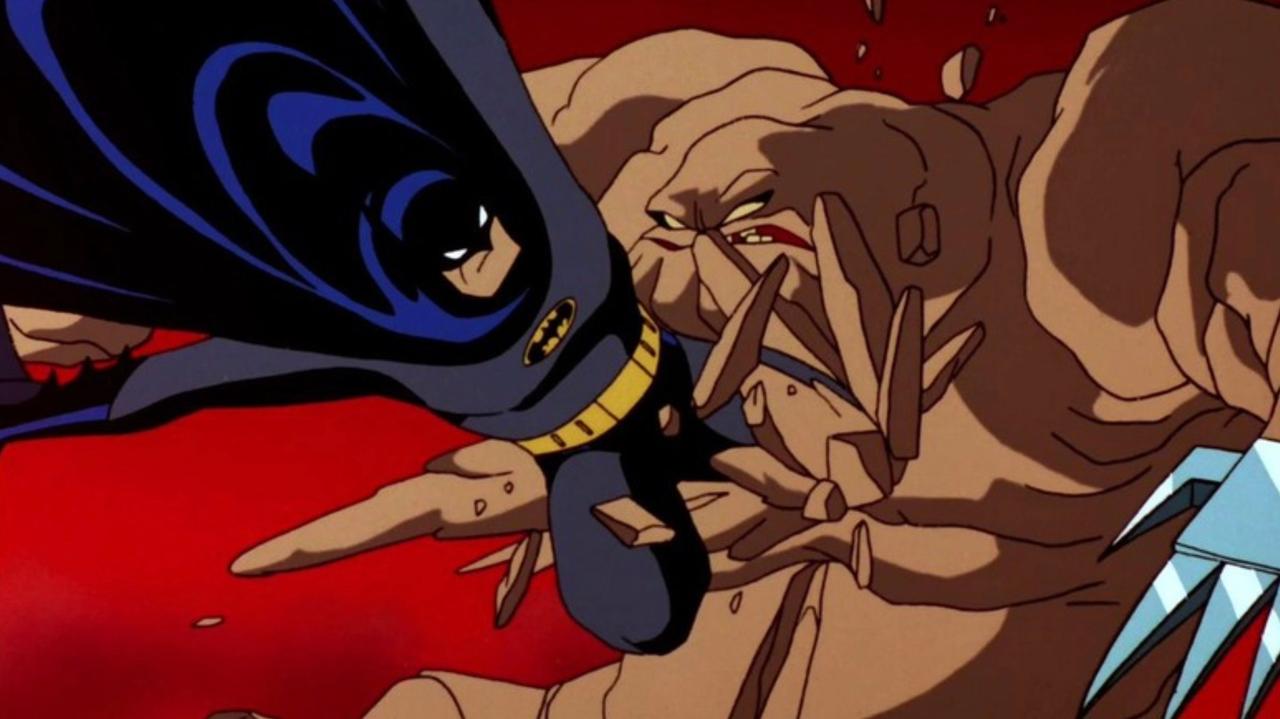
The DCAU tie-in comics are considered secondary canon. This means that they are canon until something happens in one of the television shows or movies to contradict them. For example, The Batman Adventures #25 (1994) has Batman team up with Superman and encounter Lex Luthor. This issue was written before Superman: The Animated Series premiered, and features versions of Clark and Lex that don’t match the ones we would later meet in the DCAU. There are similar situations with other DCAU characters and concepts.
Where can I watch the DCAU?
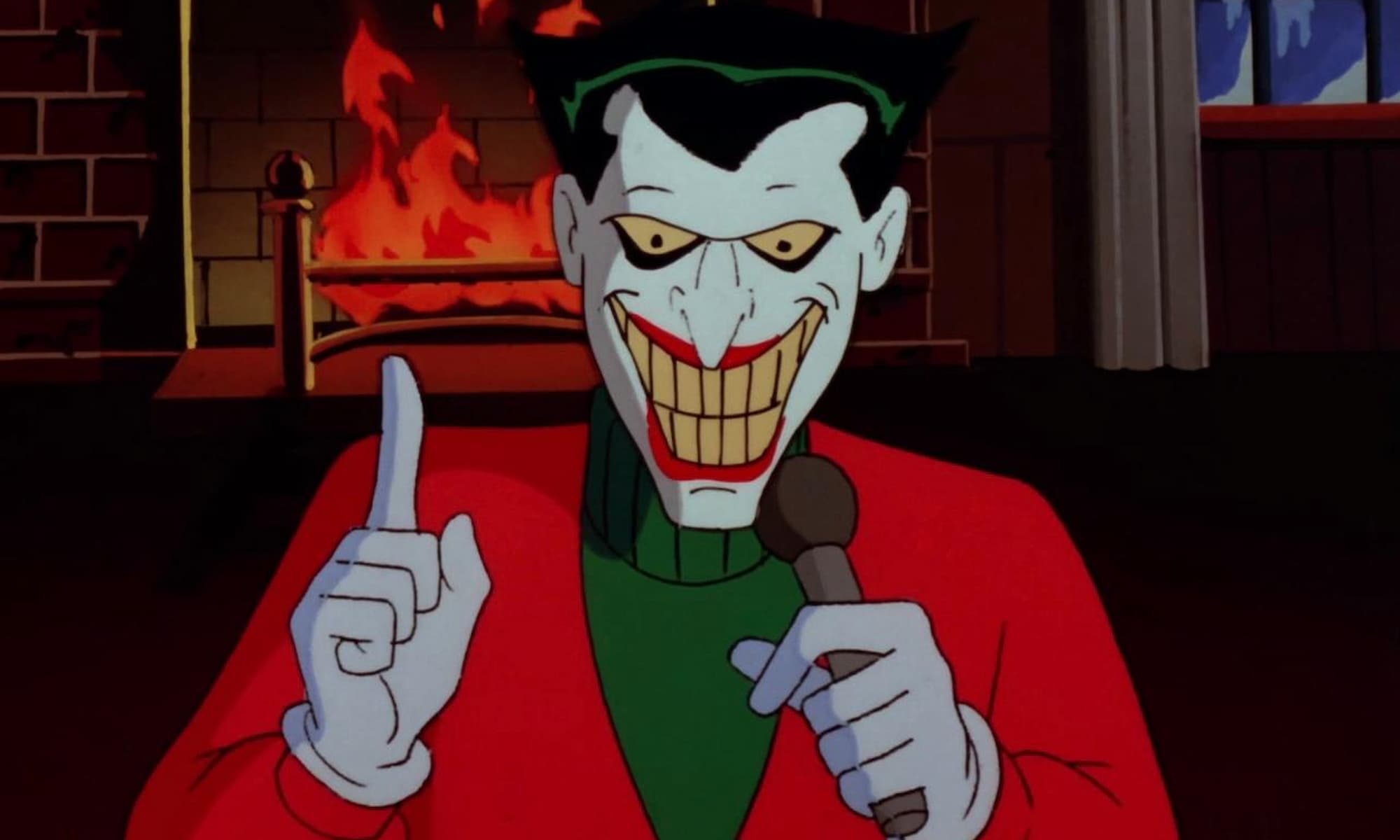
Consider HBO Max your portal into the DC Animated Universe. The streaming service is the current home for all the DCAU television shows, with the exception of Static Shock and The Zeta Project.
Static Shock is available for free on Tubi, and as of this writing The Zeta Project isn’t on any streaming service, but the individual episodes could be purchased from a variety of video-on-demand platforms like Amazon Prime Video and Apple TV. Please note, the availability of these titles could change as streaming licenses expire and new deals are made.
Need more? Here's our picks for the best DC Comics stories of all time.
Follow Popverse for upcoming event coverage and news
Find out how we conduct our review by reading our review policy
Let Popverse be your tour guide through the wilderness of pop culture
Sign in and let us help you find your new favorite thing.






Comments
Want to join the discussion? Please activate your account first.
Visit Reedpop ID if you need to resend the confirmation email.