If you click on a link and make a purchase we may receive a small commission. Read our editorial policy.
Superheroes are rooted in a distinctly American power fantasy that's now gone global, according to Jim Lee
Jim Lee is a legend in western superhero comics, but as a lifelong manga fan he's got his own opinion of the difference
Popverse's top stories
- While no release date return has been set (yet), the Hunter x Hunter manga has stockpiled 11 new chapters already
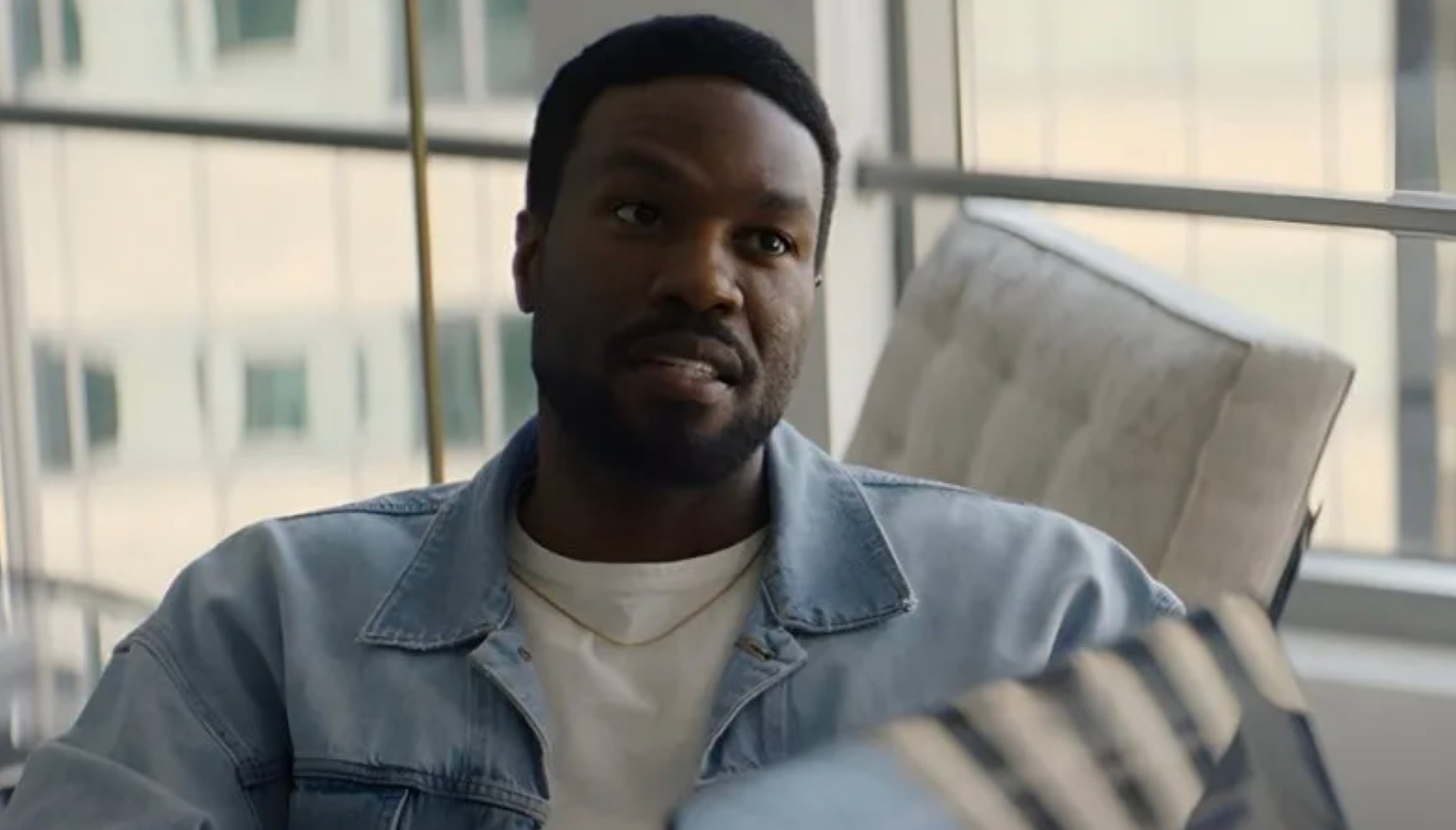
- Ask Rosario Dawson, the Daredevil: Born Again cast, the Amazing Digital Circus cast, the Hart of Dixie cast and more questions at Florida Supercon 2026!
- Stranger Things to end one more time as stage show The First Shadow closes in UK and US this holiday season
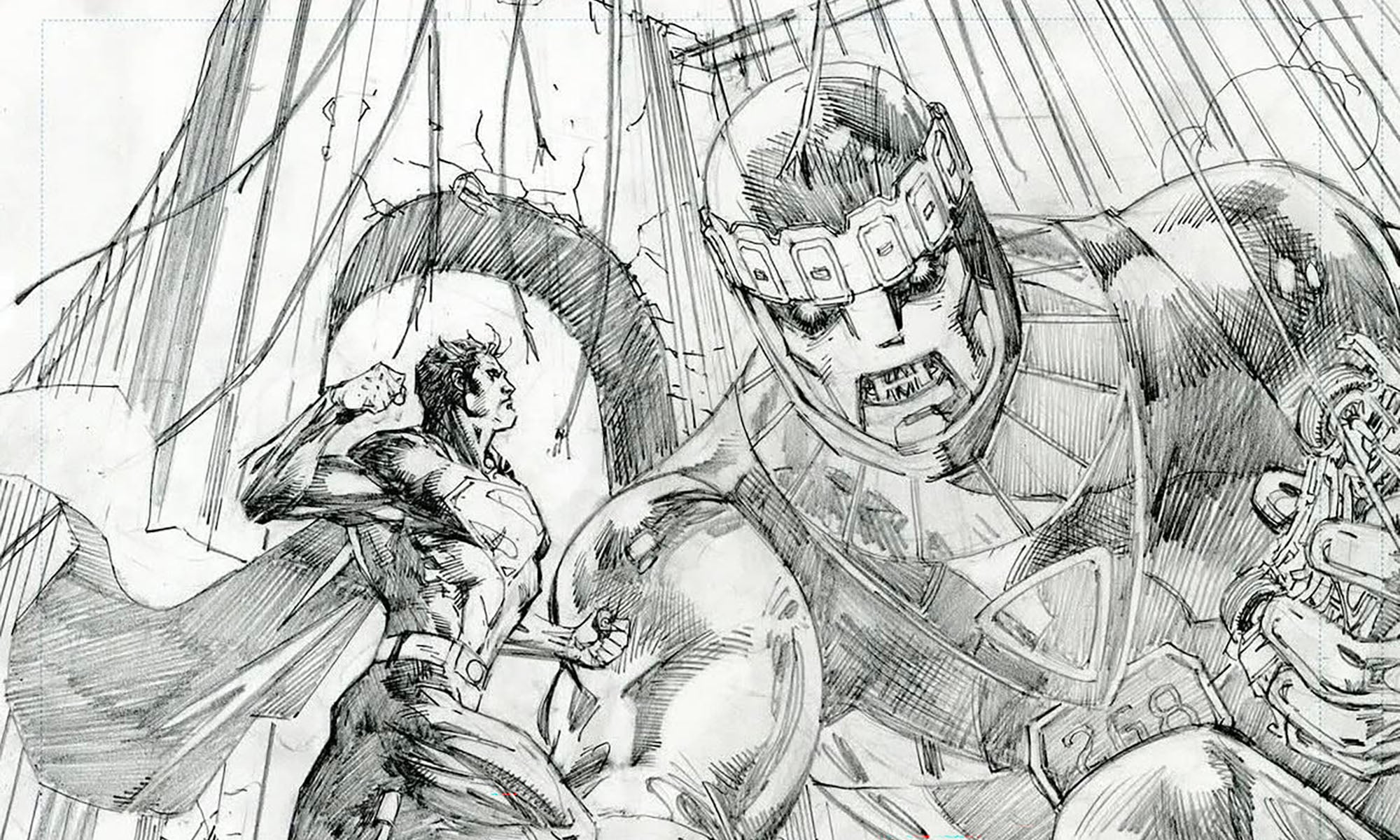
DC president, publisher, and chief creative officer Jim Lee is a lifelong fan of both superhero comics and manga, all the way back to when manga was far more rare in the United States. With that pedigree, he's got his own perspective on the difference between western comics and manga.
"I think the notion of superheroes, a single person that gets power that decides to go out and change the world, whether he's a hero or a villain, it has some real American roots," Lee explains on the Masterplan podcast. "It reminds me of the cowboy, someone who goes out into danger, the wilderness, and forges his or her own path. Justice is dispensed through power, so vigilantism, the one, loner figure of justice, feels very American to me. Certainly, Japanese culture is not reflective of that. I think Europeans, when you look at their comics, it was more science fiction or western."
Japan does have its own history with superheroes, with the Golden Bat often considered one of the first superheroes ever, predating even Superman, the first true American superhero. Meanwhile, Ultraman is often considered one of the most popular superheroes in the world, up there with Spider-Man, Superman, and Batman. That said, Japan's heroes, even modern manga and anime like One Punch Man and My Hero Academia, blend superhero visual styles with Japan's tradition of tokusatsu sci-fi heroes and youth-focused shonen adventure tales rather than following the usual structures of western superhero comics.
"So this very notion of dressing up in, like, pajamas, and flying, and saving people from danger, might have felt a little comedic, or childish I think, to people outside of America. I think in a weird way, the art forms were all there in all the continents, but they didn't connect," Lee continues. "They all kind of evolved independently of each other based on their local traditions, folklore, mythology, tastes of the creators, taste of the audiences. And now we have, through the power of the internet and more globalism, you have more cross-referencing, co-mingling. There's still sort of regional differences, and variations I think, but it was different back then for sure."
For what it's worth, My Hero Academia in particular lives up to its reputation and popularity, embracing the idea of superheroes in its own unique and eccentric way. The anime in particular is full of treasures for superhero fans, and I'll throw my support behind MHA season 2, which tells a brutal and tragic story of teen heroes in training going up against a horde of villains whose skills and powers far outstrip those of the protagonists.
Lee is, of course, one of the most successful and famous artists of western superhero comics ever, and as the president, publisher, and chief creative officer of DC, he currently oversees a whole line of comics encompassing numerous branches and side universes.
Want to know what's coming up next in pop culture? Check out Popverse's guides to:
Follow Popverse for upcoming event coverage and news
Find out how we conduct our review by reading our review policy
Let Popverse be your tour guide through the wilderness of pop culture
Sign in and let us help you find your new favorite thing.



Comments
Want to join the discussion? Please activate your account first.
Visit Reedpop ID if you need to resend the confirmation email.