If you click on a link and make a purchase we may receive a small commission. Read our editorial policy.
The Odyssey ending explained: What happens to Odysseus, Penelope, Telemachus, and the fate of Ithaca?
Everything you need to know about Homer’s epic poem The Odyssey before seeing Christopher Nolan’s latest movie
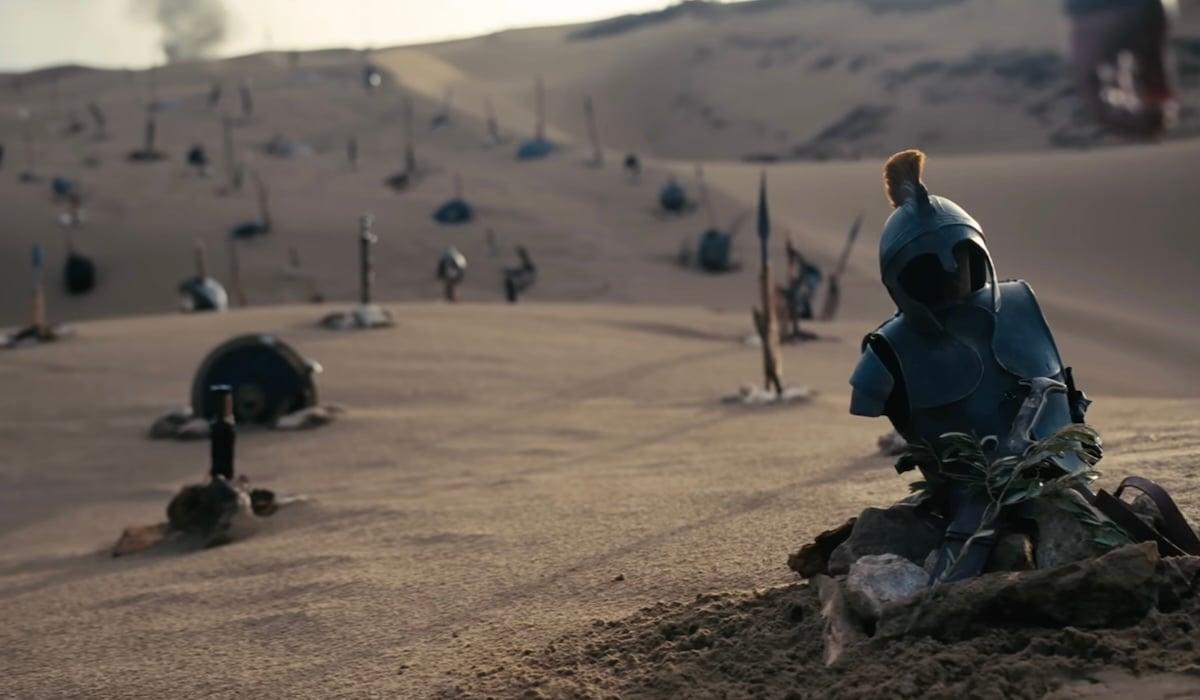

If you're wondering how The Odyssey ends before Christopher Nolan's adaptation, here's a complete breakdown of the ending of The Odyssey, including the fates of Odysseus, Penelope, Telemachus, and the city of Ithaca. Homer's epic 8th Century BC poem describes Odysseus’s 10-year journey home after the Trojan War, laying the groundwork for much of contemporary culture in the process. This summer, it will become Christopher Nolan’s next big movie. Before that, here’s everything you need to know about The Odyssey.
How does The Odyssey end?
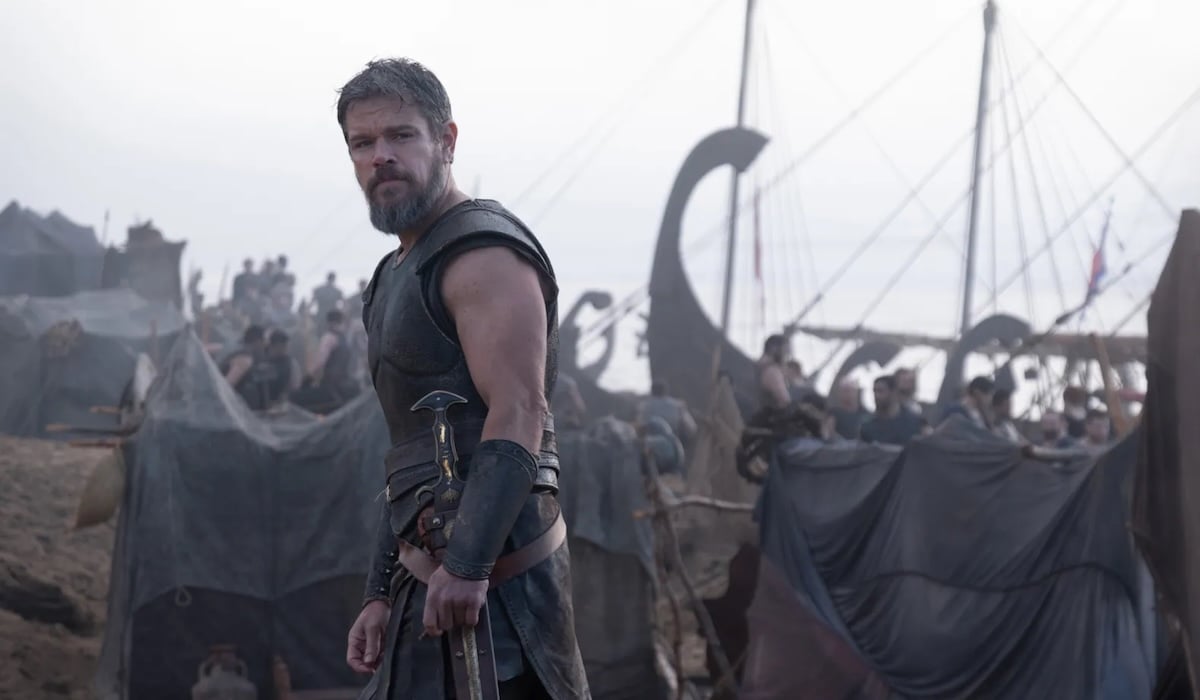
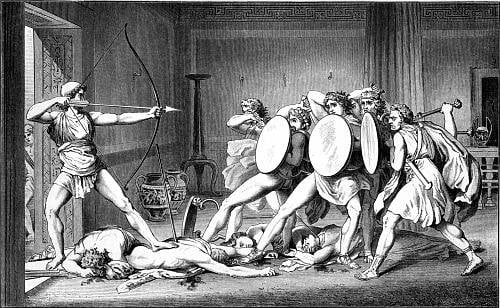
After 20 years away, Odysseus returns to Ithaca. He disguises himself as a beggar and reunites with his son Telemachus. Odysseus kills all 108 of Penelope’s suitors before revealing himself to his long-lost wife. Penelope is skeptical, but once Odysseus recalls how he built their bed around a tree trunk, she realizes that it’s actually her husband.
The families of the slain suitors attack Odysseus, but Athena stops the fight and restores peace. The Odyssey ends with Odysseus and Penelope living in peace as king and queen of Ithaca once more.
What is The Odyssey about?
One of the oldest surviving works of literature, The Odyssey is a story of Odysseus, king of Ithaca, and his journey home from the Trojan War. A decade after the decade-long war, he has yet to return, leading many to believe he is dead — including the 108 suitors courting his wife Penelope, who claims that she will remarry when she has finished weaving a shawl that she secretly unpicks every night. Telemachus, Odysseus and Penelope’s son, sets out in search of his father, encountering gods and monsters on the journey, including one who reveals that Odysseus has been captured by the nymph Calypso.
The gods intercede to free Odysseus, whose attempts to return to Ithaca are again derailed by divine intervention. (Poseidon destroys his boat, but he is rescued by sea nymphs.) It’s revealed that Odysseus and his crew were constantly waylaid in their travels back home, running into everything from a cyclops to cannibals, ghosts, and goddesses who turn men into pigs. Eventually, Odysseus — the only remaining member of his crew — manages to return to Ithaca, disguised as a beggar, and reunites with Telemachus and his own elderly dog.
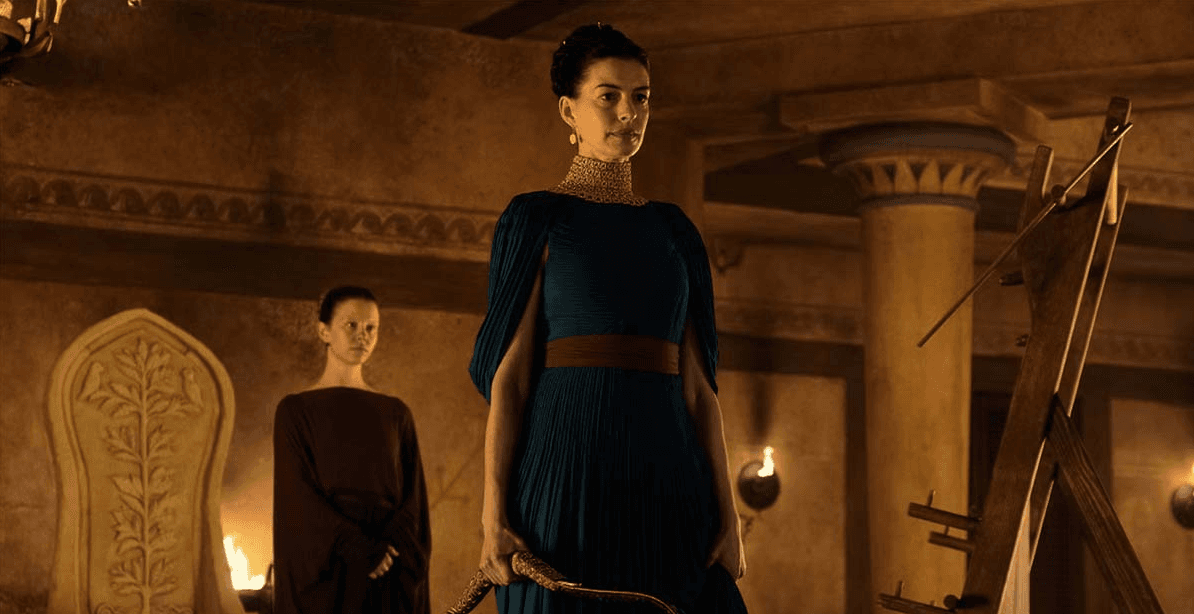
By this point, Penelope has announced that she will indeed remarry and will choose her new husband via an archery contest. The winner will string the bow, which belonged to Odysseus, and then complete a series of shots, in order to be worthy; only the disguised Odysseus manages to complete the task, and subsequently kills his fellow competitors before revealing himself to Penelope and the two reunite.
The following day, the goddess Athena intervenes to prevent the families of the many Odysseus has killed from seeking revenge; it is not the first time she has taken an active part in Odysseus’s life; disguised, she had helped Telemachus search for his father earlier in the story, and was key to convincing Zeus to free Odysseus from Calypso.
All of the above is a significantly shortened version of the story, which is separated into 24 books in the original telling.
What happens to Odysseus at the end of The Odyssey?
After 20 years away, the hero returns to Ithaca and reunites with his wife Penelope, killing her suitors and re-establishing himself as the king in the eyes of the people. When the families of the slain suitors threaten revenge, the gods intervene one final time, and the poem ends with Odysseus and Penelope together, once again the royal couple leading Ithica.
Who dies in The Odyssey?
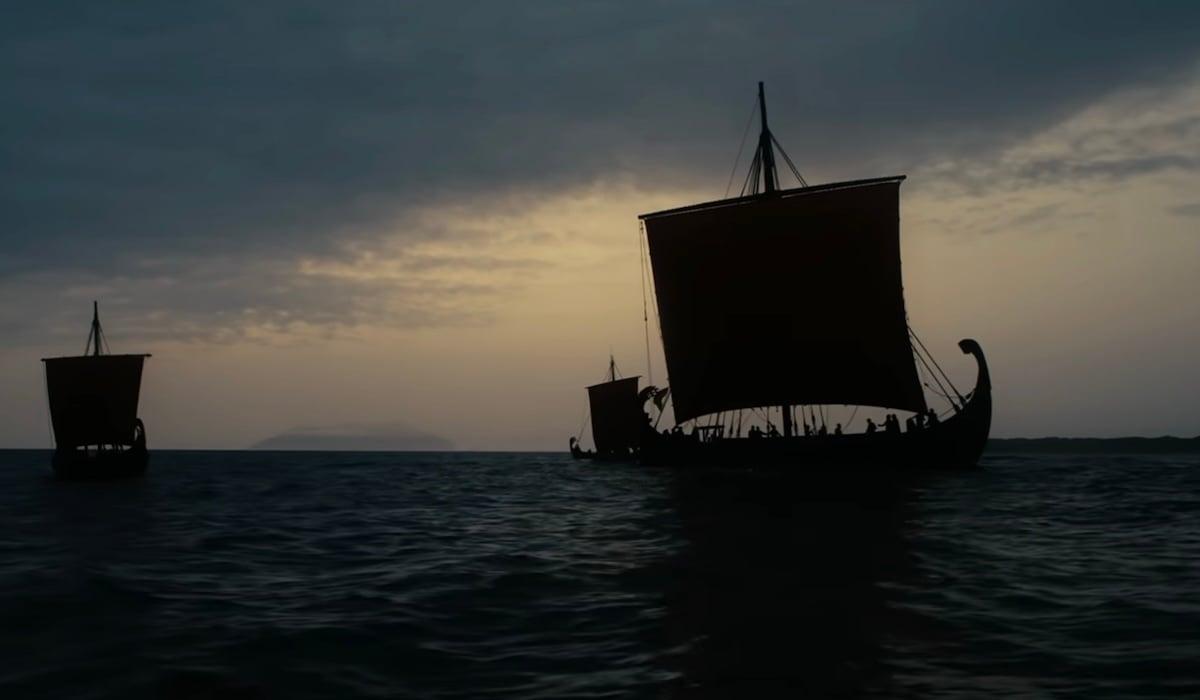
Every member of Odysseus’s crew dies over the course of his journey (with the exception of Odysseus himself, of course). Some are killed in battle, others are eaten, and one crewman named Elpenor gets drunk and falls off a roof to his death. Additionally, Odysseus kills all 108 of Penelope’s suitors after returning to Ithaca. Odysseus’s dog Argos dies of old age after reuniting with his former master. There are many deaths in the epic poem, although for the most part, it’s mostly minor unnamed characters.
Do Odysseus and Penelope end up together?
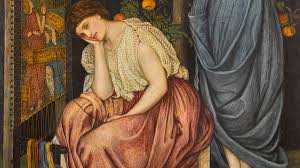
Yes, Odysseus and Penelope end up together. Odysseus returns to Ithaca and, after killing Penelope’s many suitors, reveals himself to Penelope. She is skeptical at first, but when he correctly recounts how he built their bed around a tree trunk, she accepts he is who he claims. The lovers embrace and resume their marriage.
Did Odysseus sleep with Calypso willingly?
No, Odysseus did not sleep with Calypso willingly. A passage in Book 5 states, “He’d sleep with her in the arching cave, he had no choice, unwilling lover alongside lover all too willing.” Calypso held Odysseus captive for seven years, and she was a goddess, so there was a power imbalance. Odysseus may have slept with Calypso during the seven years they spent together, but he was a prisoner and the poem makes it clear he was being coerced.
Is there a sequel to the Odyssey?
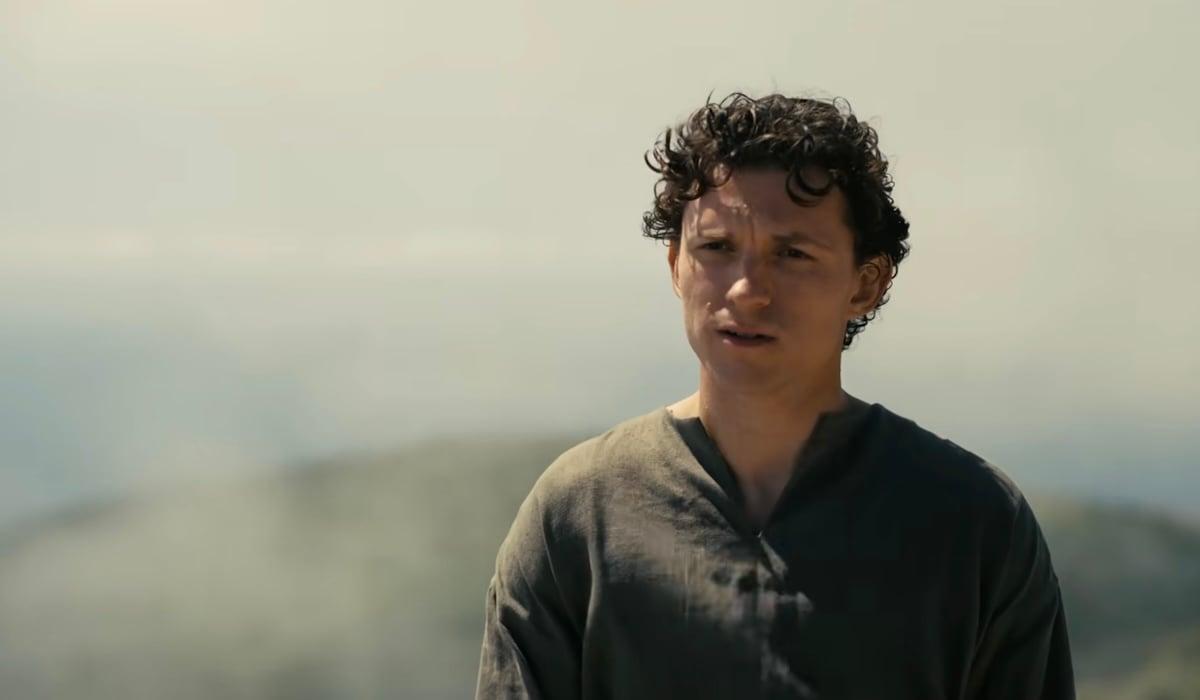
Yes, there have been a few sequels to the Odyssey. The most notable one is the Telegony, a poem which was written sometime around 6th century BCE. The poem is named after Telegonus, the son of Odysseus and Circe. Historians debate the authorship of the poem, which is sometimes attributed to Eugammon of Cyrene. We know Homer didn’t write it because it first appeared around two centuries after the Odyssey, and because Homer was probably not a real person. (More on that in the next section.)
Only two lines of the Telegony have survived, but a few summaries from that era have given scholars a sense of the story. Odysseus embarks on another quest and is accidentally killed by his son Telegonus. Telegonus then marries Penelope, while Telemachus marries Circe, and Circe grants them all immortality.
The Odyssey is in the public domain, so there is no such thing as an official sequel. In fact, anyone can make their own sequel to the Odyssey. You can write your own Odyssey sequel, and nobody will stop you.
Was Homer a real person?
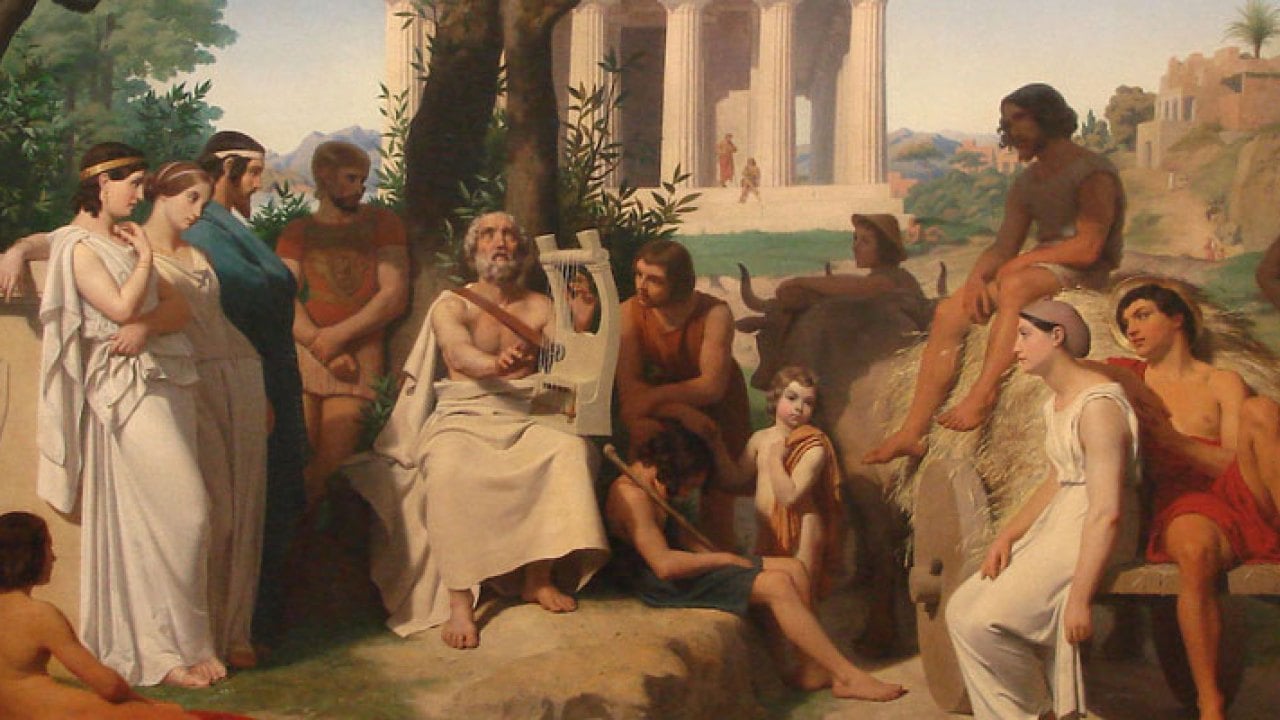
Scholars are divided on the question of whether or not there was one singular author known as Homer. A common theory is that the Odyssey and the Iliad were written by multiple authors, and 'Homer' was a name used by an editor or a collective guild who compiled the poems. Historians have pointed to the way the poems change tone, use vocabulary spanning different centuries, and have inconsistent dialects. A myth was later created which cast Homer as a blind poet who wrote the epics. However, there are no reliable historical records of his existence. If you want to learn more about the theories surrounding Homer’s identity (and trust me, there’s a lot), check out Wikipedia’s article on the Homeric Question.
Does the word 'odyssey' exist because of The Odyssey?
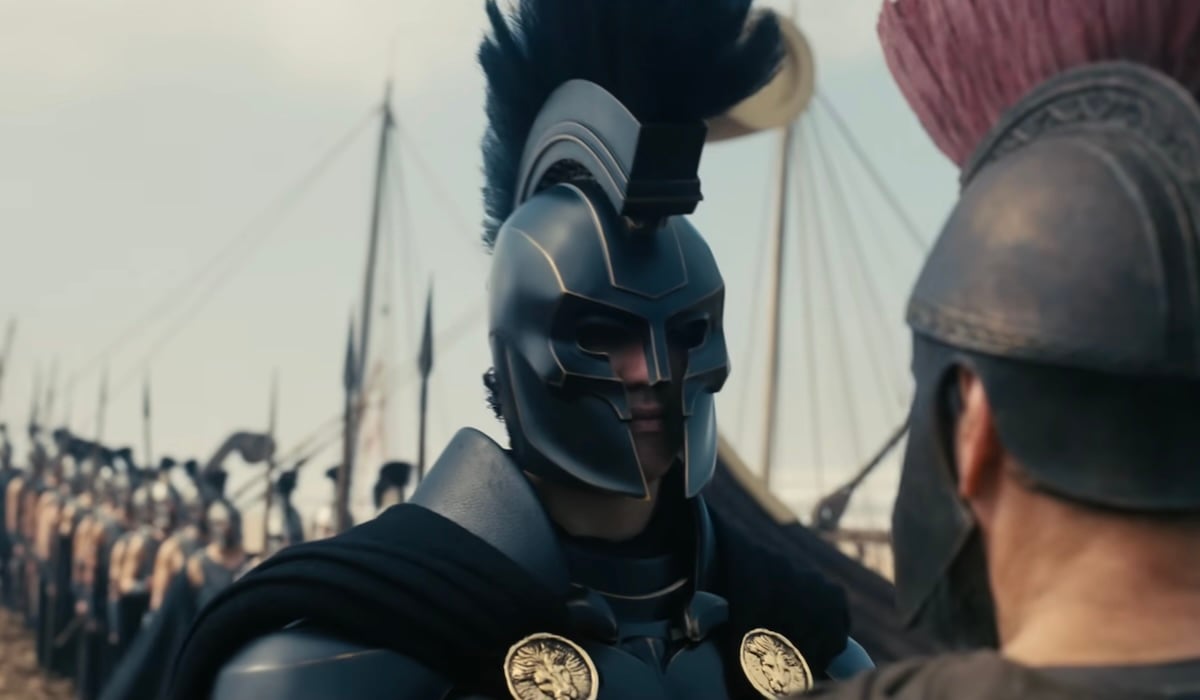
Yes, the English word odyssey exists because of The Odyssey. Homer’s epic poem was titled Odysseia in Ancient Greek, which translates to ‘the story of Odysseus.’ Odysseia became 'Odyssea' in Latin, and 'Odyssey' in English. By the late 19th century, the term entered the cultural lexicon as a way of describing an epic journey. Today, Merriam-Webster’s Dictionary defines odyssey as ‘a long wandering or voyage usually marked by many changes of fortune.’ In other words, the Odyssey was so epic that it added a new word to our language. Not a bad legacy.
When is Christopher Nolan's The Odyssey released?
The Odyssey is released in theaters July 17, 2026.
Want to know what's coming up next in pop culture? Check out Popverse's guides to:
Follow Popverse for upcoming event coverage and news
Find out how we conduct our review by reading our review policy
Let Popverse be your tour guide through the wilderness of pop culture
Sign in and let us help you find your new favorite thing.












Comments
Want to join the discussion? Please activate your account first.
Visit Reedpop ID if you need to resend the confirmation email.