If you click on a link and make a purchase we may receive a small commission. Read our editorial policy.
Meet Marvel’s secret weapon, Ellie Pyle
Marvel Comics' new Executive Director of Digital Content talks working at Marvel, Women of Marvel, and the opportunities in working under Marvel Studios

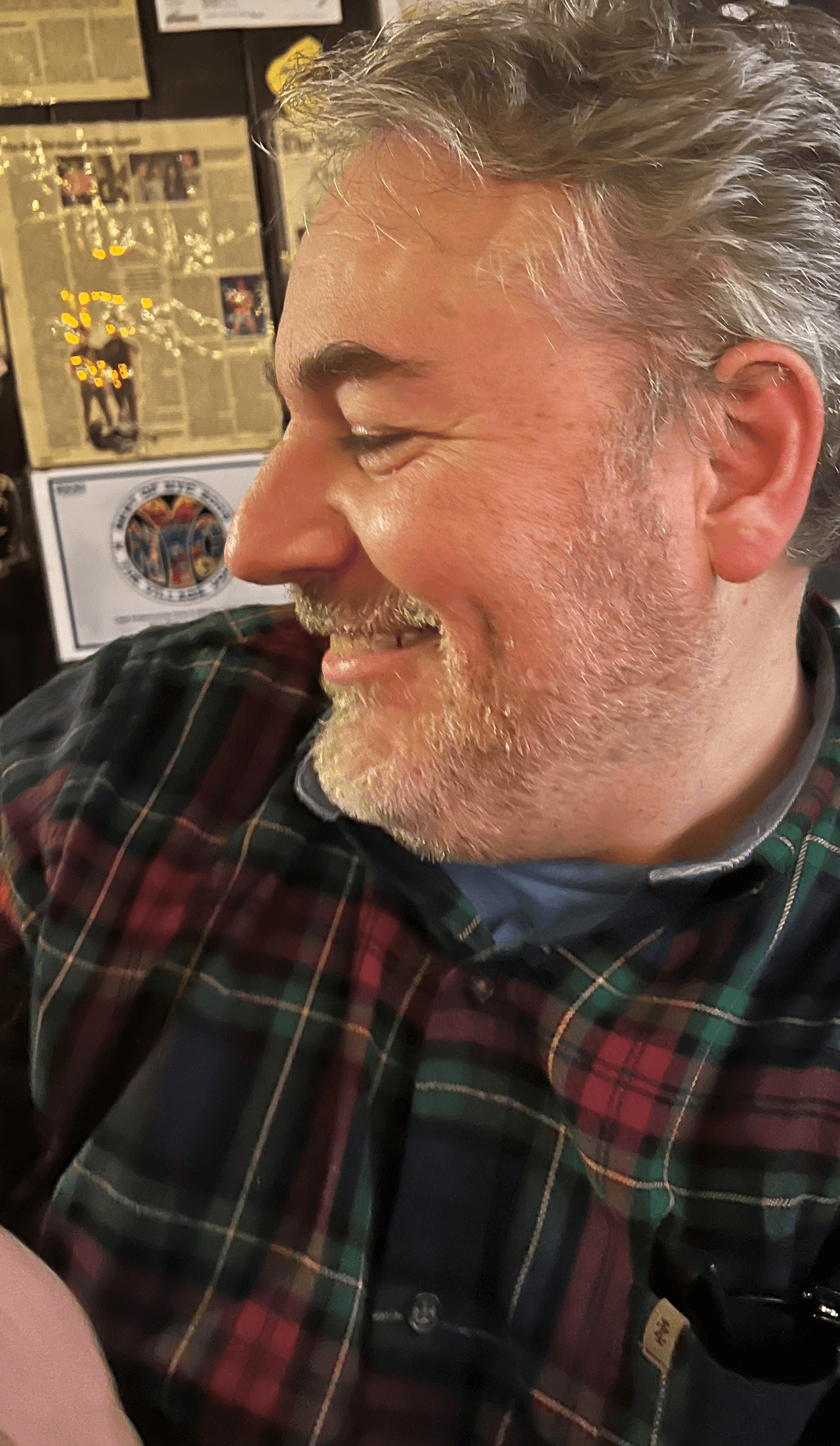
The world knows who Marvel's heroes are. Many of us know the creators who make those stories. But how many of us know the people who make those stories happen? In many respects, the people behind-the-scenes at Marvel (or any comic publisher) are the unsung heroes of it all - and amidst them we found one that rises up that is perhaps the secret weapon of Marvel.
Ellie Pyle.
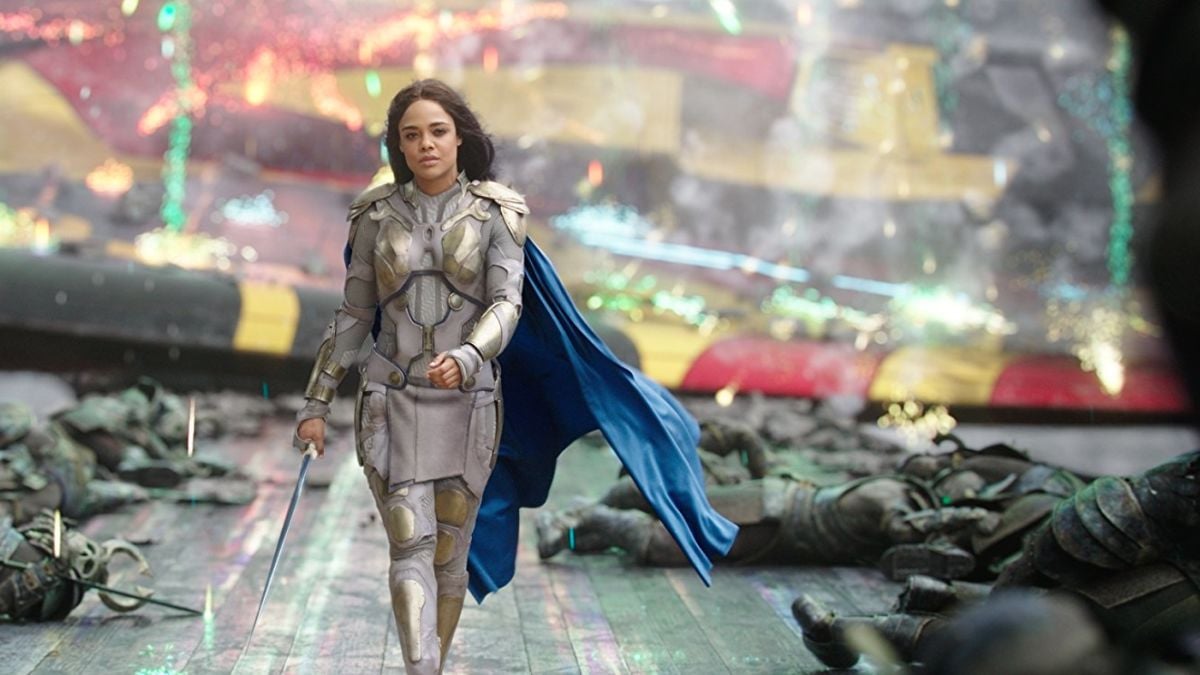
In her two stints at Marvel, first in publishing and then largely in digital media, editor and producer Ellie Pyle has quietly made a big impact. As an assistant, and then associate, editor from 2010-2014, Pyle edited the Cullen Bunn/Will Sliney run of Fearless Defenders in which Valkyrie first came out as a queer woman. She was also on Daredevil as Mark Waid explored the backstory behind Matt Murdock’s mother, and edited Dan Slott’s wild Superior Spider-Man, in which Doctor Octopus became Spider-Man.
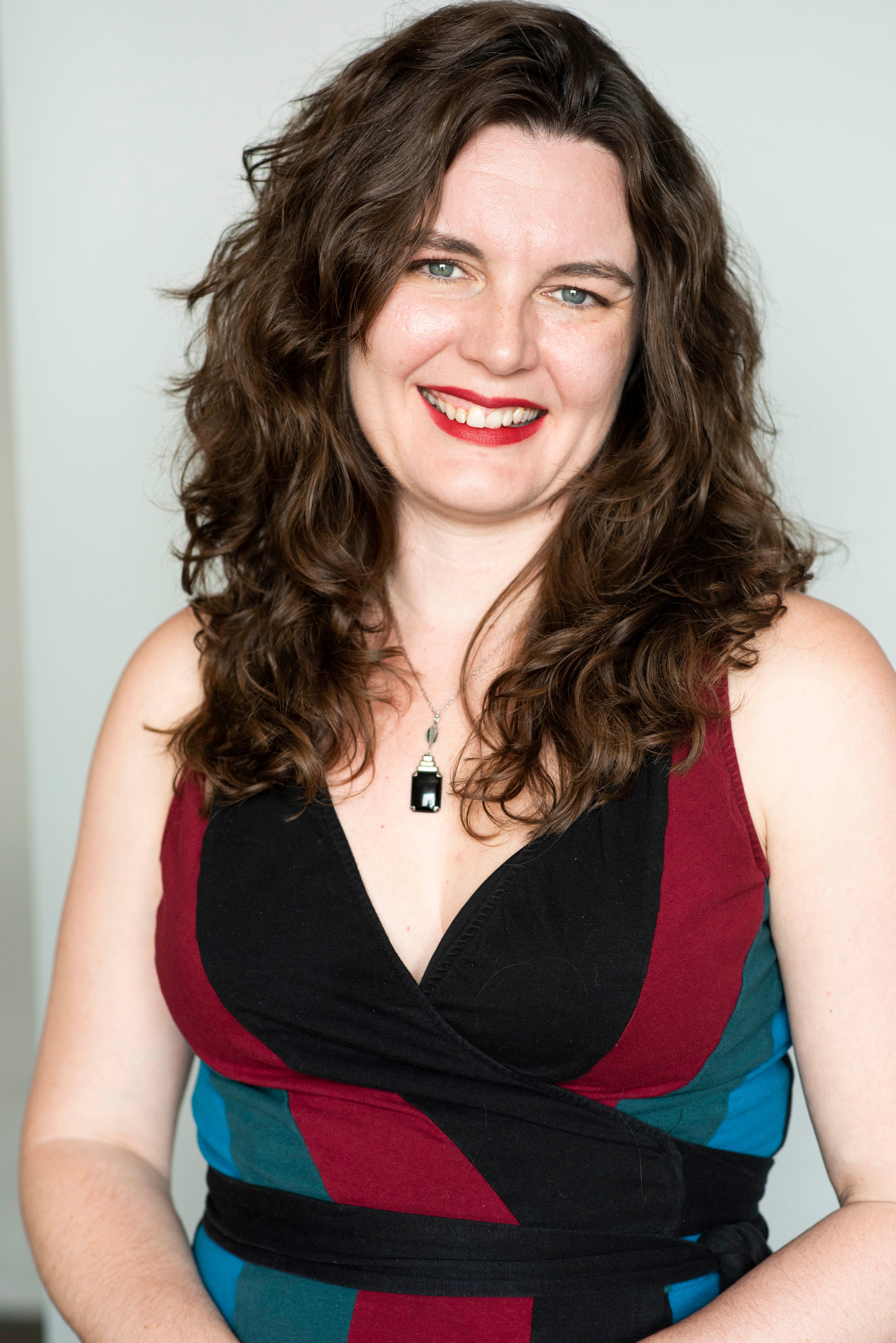
Working as producer on the digital side since 2019, Pyle built out the company’s line of fiction podcasts with a bold vision of six interlocking series set in an alternate version of the dystopian Old Man Logan Universe, and became cohost of the Women of Marvel podcast when Sana Amanat left Marvel's publishing unit in 2020. She’s also been working on Marvel’s Infinity Comics for Marvel Unlimited.
Colleagues view her as a tremendous asset. “One of the reasons I like working with Ellie,” says Steve Wacker, who first hired Pyle back in 2010 as an assistant in the Spider-office, and then again for Marvel Television in 2019, “is she has a similar confidence that if it’s a project, we can figure out how to do it.” Also, he notes, “She is great with talent. They trust her immensely.”
Creators with whom Pyle has worked agree: “She fully understands story construction in a way that not all editors do,” Waid wrote me about her. “Her notes are invariably on-point, thoughtful, and insightful.” J. Holtham, who wrote the Wastelanders: Hawkeye podcast and co-wrote the final Wastelanders series, notes that “Juggling the needs of corporate marketing department, Marvel Comics editorial, the needs of producers, etc., it can make it hard as an artist.” Pyle, he said, “did a lot of that work for me. I’m sure there are entire conversations where she was going to the mat for me as an artist and my vision and the work.”
“It took a lot of guts from Ellie to allow somebody new to come in” on Fearless Defenders, says artist Will Sliney, whose very first work with Marvel was that book. “I could have totally messed it all up.” He found in her exactly the support that he needed: “There was a lot of reassurance from Ellie that you’re here, keep doing what you’re doing, you’re doing really really well.”
Humanoids senior editor Jake Thomas, who came to Marvel a year before Pyle, also notes what a good source of advice she was at the company.
“I could talk to Ellie about how I don’t think the book I’m working on is good, how could I make it better. I could talk to her about books not getting enough attention, or about I don’t know what my career is any more. She just always had a clear eye about all that stuff.”
For her own part, in an industry with more than its share of self-promoting J. Jonah Jameson-types, Pyle is much more cut from the cloth of a Ben Urich, or perhaps more aptly Annabelle Riggs, the unassuming archaeologist with whom Valkyrie falls in love in Fearless Defenders (and who resemebles Pyle more than than a little). In May, with the lack of fanfare that has become her m.o., Pyle returned to Marvel publishing proper and was promoted to executive director of digital content and publishing.
As ne wave of titles she is editing is on stands and theres a new season of Women of Marvel, Popverse spoke to Pyle about being an editor, her new job and her feelings about Marvel Comics’ new relationship with Marvel Studios.
Popverse: Ellie, in preparation for this interview I talked to a number of your colleagues. Everyone spoke about how much they love working with you. Will Sliney basically attributed the house that he and his family live in to his work with you on Fearless Defenders and Spider-Man 2099.
Ellie Pyle: Aww. Thank you. (It’s a beautiful house!)
With how much everyone had to say about your talents as an editor, I’d like to pick your brain a bit about what goes into doing that job well. But first, were you always a Marvel comics fan?
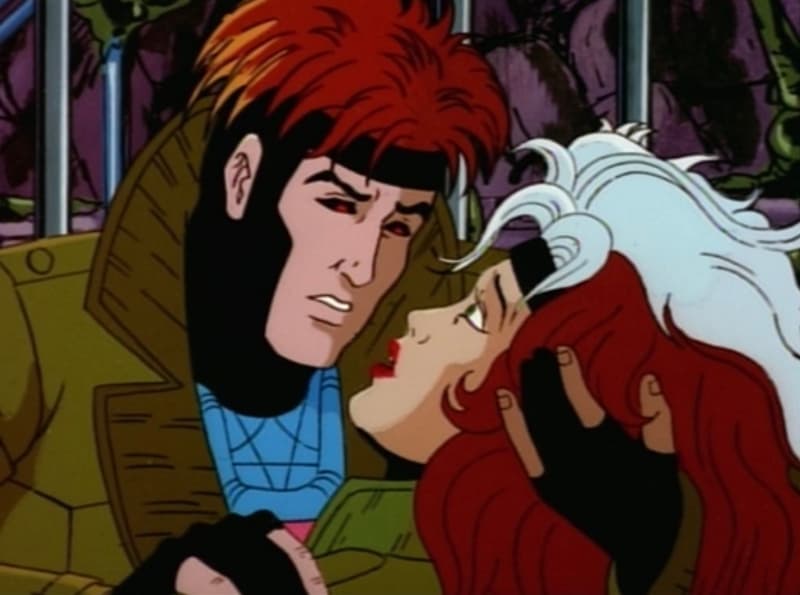
I was! In fact, we get into that significantly this season on Women of Marvel. We get to talk to several people this season who had worked on X-Men: The Animated Series, which was such a dream come true. As a kid I watched the series. For anybody who is exactly my age, particularly women, that is how they got into Marvel.
Why particularly women?
Partially I think it’s because the X-Men have so many incredible female characters. Jean Grey, Rogue — both of whom we’re going to talk about this season. Storm.
Given the roster of characters and the types of stories that you can tell with the X-Men, they always blended the superhero and the soap opera really really well, too. And that spoke to those of us who were preteens at the time — speaking primarily for myself as an original Rogue and Gambit shipper.
For more on that tune into Women of Marvel this season! [Laughs]
How did you end up coming to work at Marvel in 2010?
My best friend from college, Tom Brennan, was an assistant in the Spider office and threw my resume in a stack. One day I just got an email out of the blue, 'Hello we’re Marvel, would you like to make notes on a script and interview for this?' And I was like, Absolutely!
How do you see the job of the comics editor?
I came to comics from theater, which is actually not an unusual backstory. There are a surprising number of us, including Steve Wacker. He was able to look at my resume and say, 'Okay, you’ve been a playwright, you’ve been a director. You can tell a story and make actors learn lines. You can make writers turn in scripts and tell whether they’re any good, and I can teach you the rest of it.'
To me, comic book editing is a lot closer to directing than writing. I think of the director as the first audience. An editor’s primary job is to be the first audience of a comic book. You’re looking at, Does this story make sense? Is the writer getting where they’ve intended to go?
I think that’s one of the most important qualities that a comic book editor can have, the ability to put themselves in the shoes of an audience, and to see the overall journey that the story is taking and ask does all of this make sense, is it getting where it’s trying to go. I’ll always prioritize where a writer or an artist is trying to get to, rather than what I would have done in their shoes.
I also came into comics knowing that I needed to learn on the ground how to do this. Getting to learn from some of the best comics creators out there, it was very much an education in, as Steve liked to say, “earning my opinion.”
All of the creators I talked to praised your notes for the ways that they focused on what they were trying to achieve, rather than trying to insert story ideas of your own. Will Sliney also noted that you were a constant voice of encouragement.
Something that is key in terms of being an editor for artists is understanding that people draw the way they draw. Their style is their style. You’re not going to change the fundamental elements of someone’s style. That’s true for writers, too.
Therefore, I think that the most important skill that a comic book editor can have is casting. Because that is the part of the job that is ours. Putting the right people in the chair and then getting out of their way unless they need your help, that is the whole job.
I was lucky working for Steve Wacker. He is one of the best in a generation at casting.
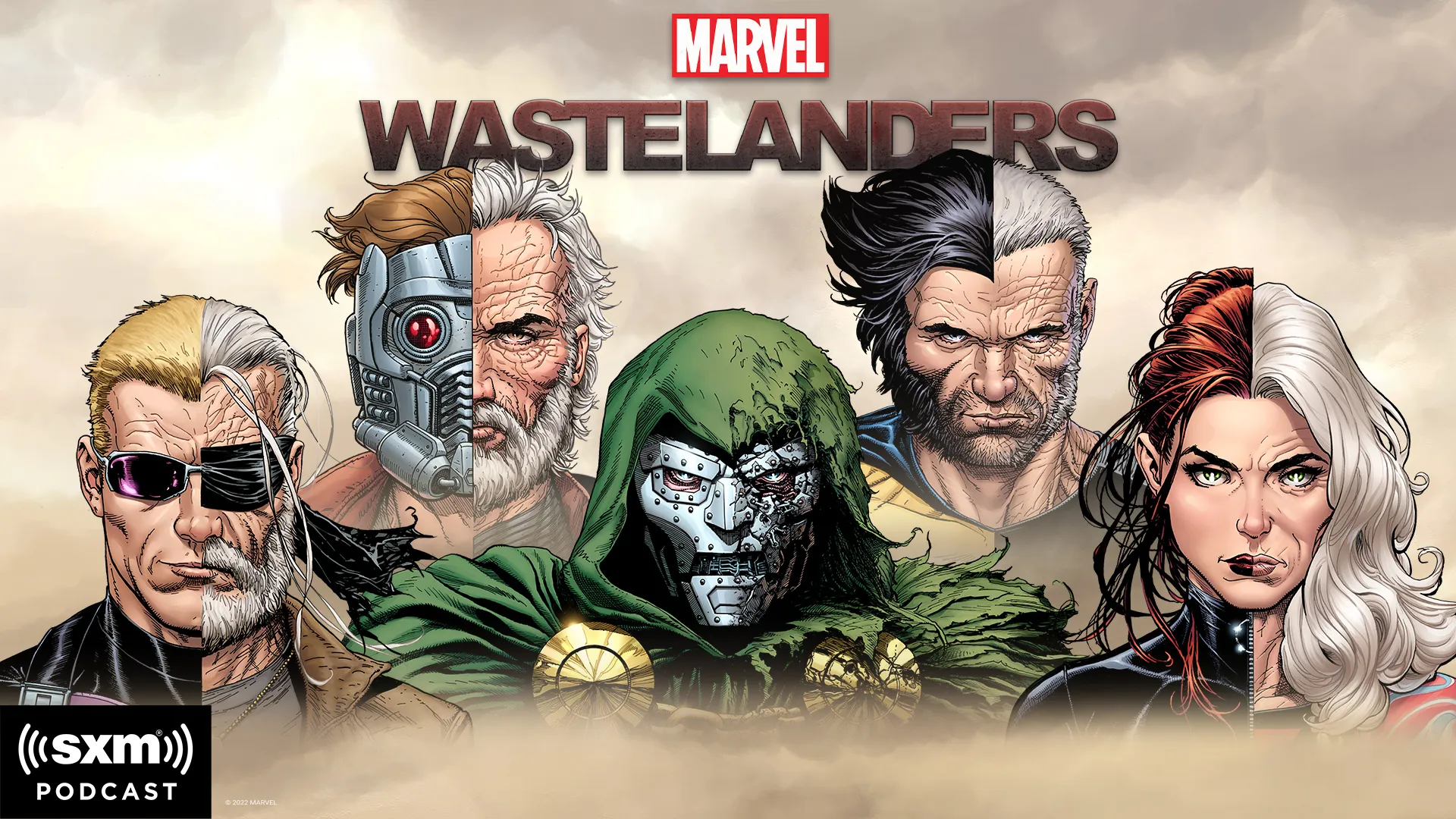
Producing podcasts, which you started to do for Marvel after you returned, seems like a radically different kind of job than being an editor. Was that your experience?
No. The biggest challenge any time you’re moving between media is identifying what are the strengths of one that do not exist in the other. For example, moving into podcasts from comics, suddenly you have no visuals, and you have to figure out how do you tell this story just with what people are hearing, the sounds. Versus in comics, the visuals are the load-bearing feature, but you don’t have sound and you don’t have movement.
There is also the challenge that different types of stories are going to work best in different types of media. In comics you have no budget. You can blow up as many things as you want to blow up. Why spend pages and pages of talking heads if you can give the artist something fun to draw? That’s another note that I frequently give: What in this is going to be fun to draw?
In podcasts, if you’ve got a big battle and you’ve got more than about three voices involved in something it gets a lot harder to keep track of. At a certain point, it just becomes noise.
So there are different technical consideration of what stories are going to work best in what media. But stories are stories at the end of the day. And it’s still a collaboration between all of the people trying to create this world.
Steve Wacker and Jake Thomas both talked about how, in addition to being a good editor for talent, you worked well within the culture of Marvel. For you what's been the key to successfully navigating corporate culture?
It’s all empathy. It’s understanding where people are coming from and then how to communicate with different styles of people, which I think is also something I learned in my theater days, particularly as a director. It’s not just about giving notes, it’s about giving notes that people are going to understand. Speaking to people in the language that they speak, when possible.
In terms of the delicate balance of the collaborative effort of comics, I think it is also about knowing when to pick your battles. As an editor you’re in the unique position of being both an advocate for the creators and the art but also for the company. We don’t own these characters, the company does. It’s a collective toy box. If someone breaks one of the toys, that’s going to be a problem for everybody.
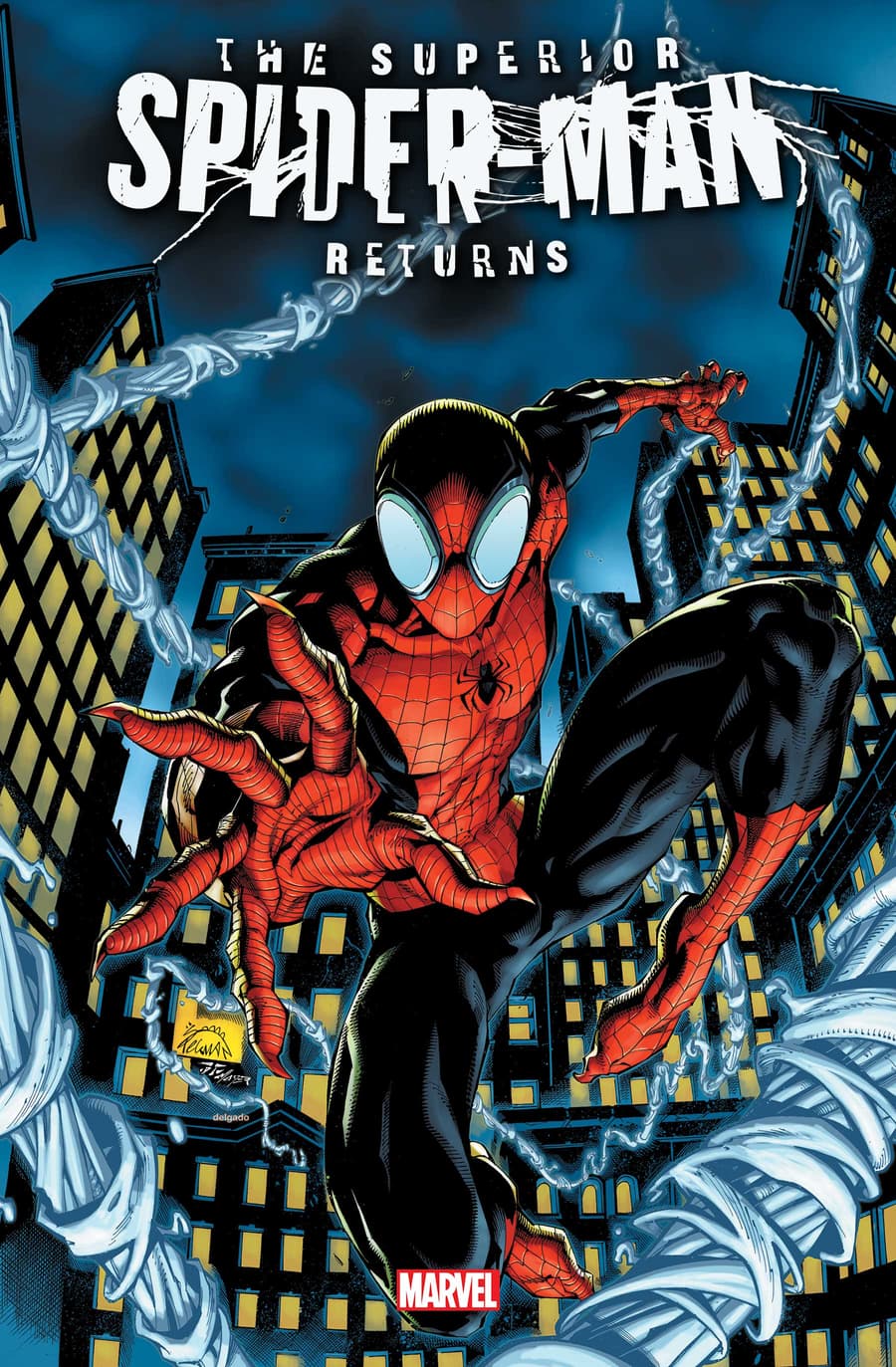
At the same time, sometimes those riskier stories are worth diving into. I worked on the original Superior Spider-Man back in the day, which makes it a lot of fun to now be working on the 10th anniversary comic that’s coming out soon. It’s just gone to print!
As a pitch, that sounds crazy: We’re going to kill Peter Parker and Doc Ock is going to be Spider-Man. But here we are 10 years later, with people still so excited about that story, because Dan had editors who believed in him, and he was able to execute it incredibly well, with the help of incredible artists — and Humberto, Camo and Stegman are all back for the anniversary along with Mark Bagley.
There’s really no other medium other than soap operas that has had to keep stories going for 60 to 80 years. And in soap operas you have the factor that actors age. In comics we’re constantly trying to figure out how to keep these characters fresh but also stay true to what people loved about them in the first place. I think that’s really the most unique challenge of working on superhero comics, finding that balance of character cores while still at the same time being able to evolve them into new and interesting stories. I think that’s one of the things Marvel does better than anyone else.
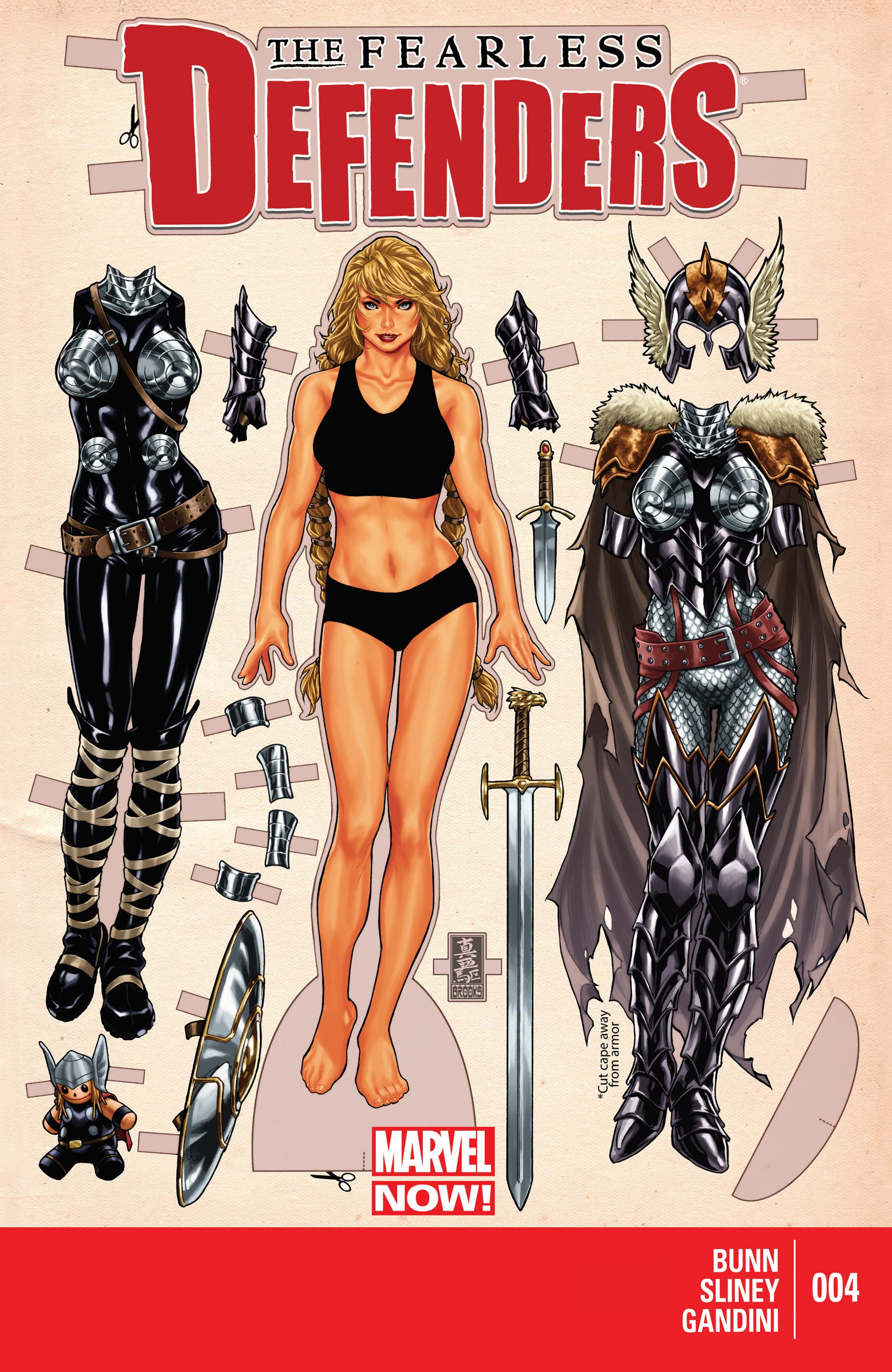
One such 'evolution' that you were involved in was the decision to reveal that Valkyrie was queer, which happened in Fearless Defenders. Was that a challenge to sell to management?
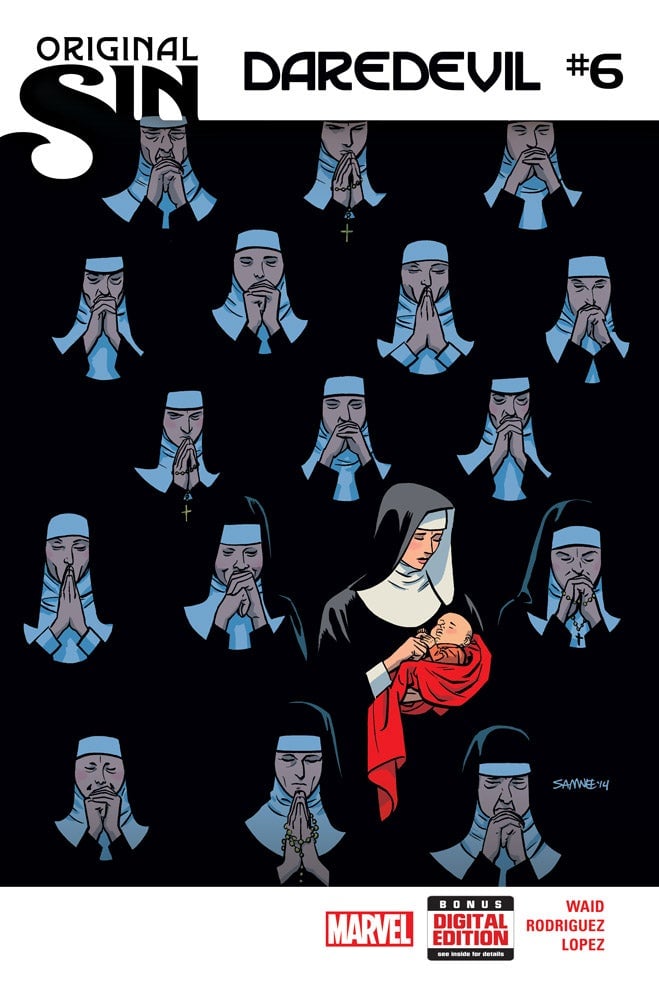
It wasn’t, actually. It was something that we had people that were excited about at the time. That story and the one that we did with Daredevil’s mom having postpartum depression, and that being the backstory of how she ended up becoming a nun and walking away from her family, are two things that are always top of mind for me as stories that it was really cool that we did in an issue of comics. And to see those become a part of other stories elsewhere is a very cool thing, too.
In May you were promoted to executive director of digital content.
That is correct.
What does the new job entail?
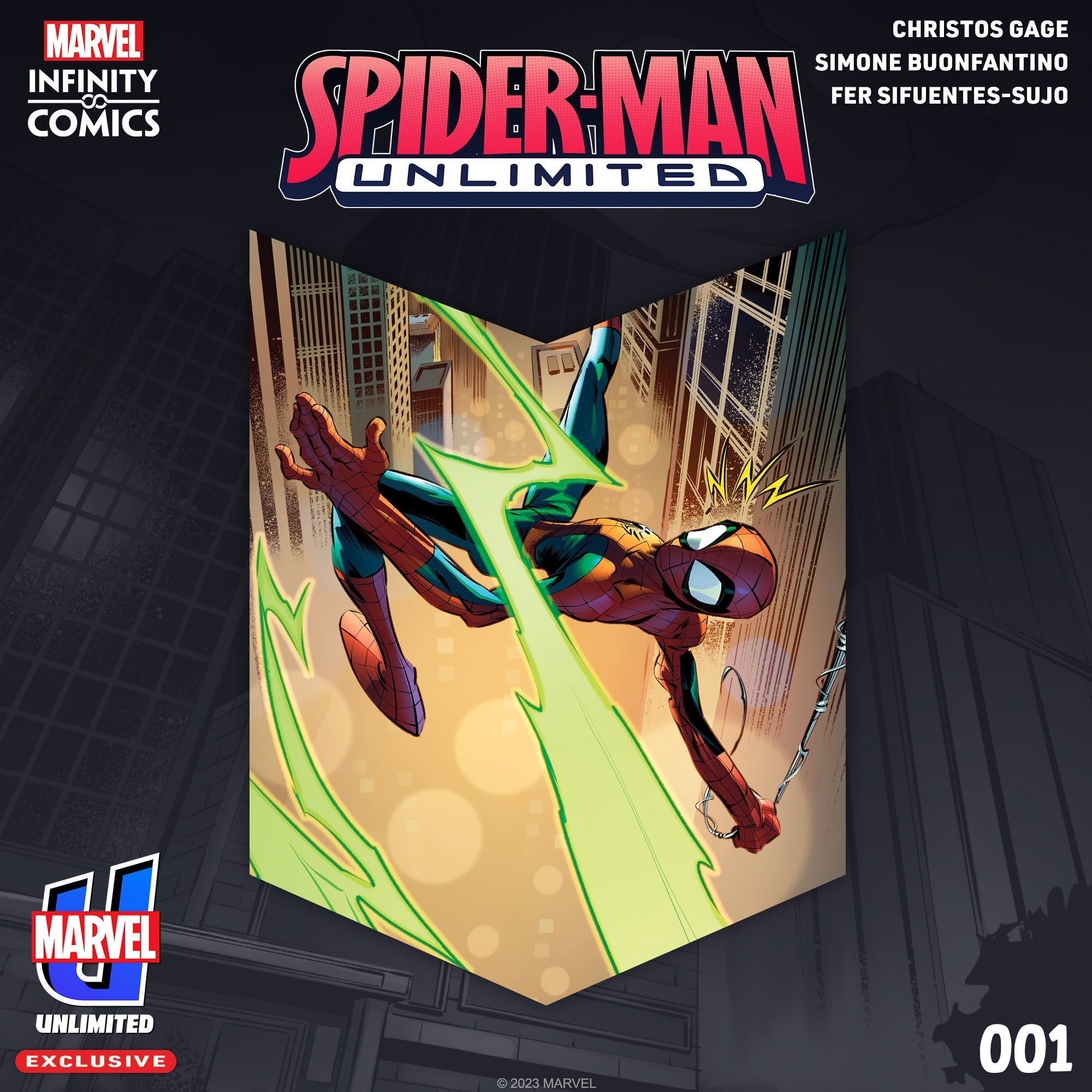
My current position is a combination of the work that I do on the Women of Marvel podcast, consulting on development for any future fiction podcasts we may be doing, and then working on editing Infinity Comics for Marvel Unlimited — I’m working on the Spider-Man Unlimited track, which comes out weekly. Currently we are doing a team-up between 616 Spider-Man and 1048, the Spider-Man from the PlayStation game. That’s a thing that we’re really excited about.
I’m adding to all that a slate of print comics as well in the Spider-office: Superior Spider-Man, Spider-Boy, Carnage, Deadpool, Luke Cage, Spider-Woman, Spider-Gwen. And if I can give a shout out, M.R. Daniel worked me with on all the podcasts and works with me on all the comics. They have been a huge part of everything.
So I’m doing a lot of different things. It’s very much a homecoming. It’s been a joy to get to work with people like Dan Slott again. I love that he is one of those writers who still likes to talk through everything. It’s incredible to get to have that kind of a relationship with a writer, where they will call you and you’ll talk things through and come up with ideas. Things kind of spring out of that in a way that is very different when everyone is doing everything over email.
That was another great lesson that I learned early in my career that has just gotten harder and harder with the way the world functions now. If you can ever get someone on the phone to talk about a thing, particularly if there’s going to be contentious notes, it’s always better to have a conversation if you can.
Again, as an editor ultimately everything comes down to relationships. Having the trust of the creators that you work with, writers, artists, letterers. Letterers have one of the hardest jobs in this industry; when you run out of time it’s all on them. So treating everybody as people, having that empathy for everyone at every step of the process.
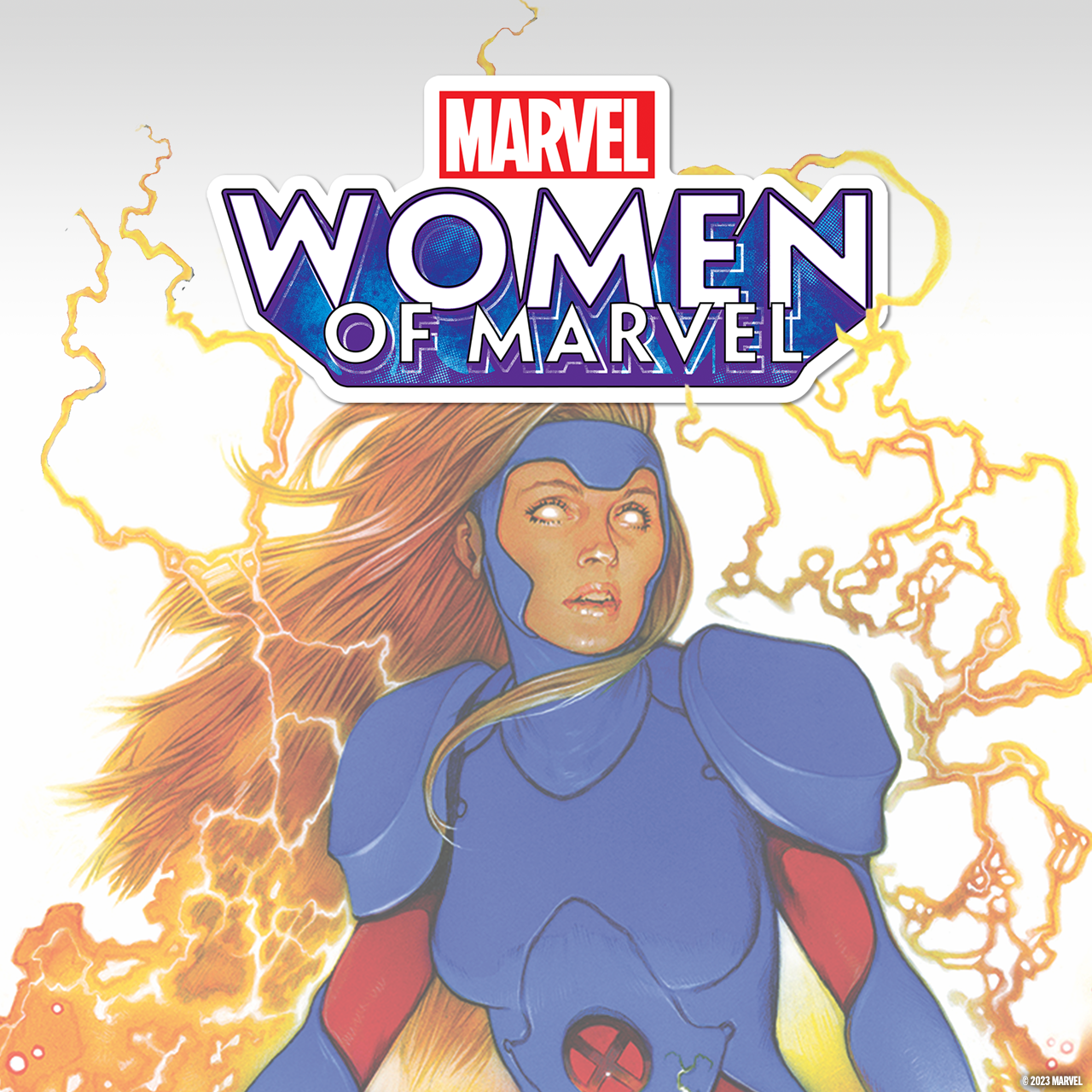
The new season of Women of Marvel dropped recently, an episode focusing on Jean Grey. What can you tell us?
I have a new co-host who I’m really excited about, Preeti Chhibber. Preeti has written a few YA books for Marvel, including a Spider-Man book that I believe comes out this week. She is a huge Spider-Man fan. She’s also written Infinity Comics for us, she has a Gambit and Rogue romance comic on Marvel Unlimited. We had so much fun nerding out together.
Is the format of the show the same as it has been?
Actually we’re doing more of a magazine format this year. We have a single character as a unifying theme for each episode, but then we have different segments. We will talk to different writers and artists who have worked on a character, we will talk to scientists every episode about something about the character’s powers or something. We will talk to people who have worked on stories with these characters in other media; like I said, we got to talk to several people who worked on the X-Men animated series, which was a lot of fun. I have a conversation in our first episode with a writer who talks specifically about the relevance of Jean Grey to the LGBTQ community. That was very cool.
So where previously we would have one or two guests per episodes, we’re really trying to get a broader picture of the impact of these characters and these stories on our culture.
If I can talk about the idea of 'women of Marvel' more broadly: At this point you’re the most senior female executive working within Marvel editorial. Does that have any significance to you?
Comics are such a collaborative medium. We’re all just kind of steering the ship together.
The comics industry has long been male-dominated, though there are and have been other tremendous women at Marvel Comics. As you look at the industry, how do you find it doing in terms of having women’s voices telling stories and working in management?
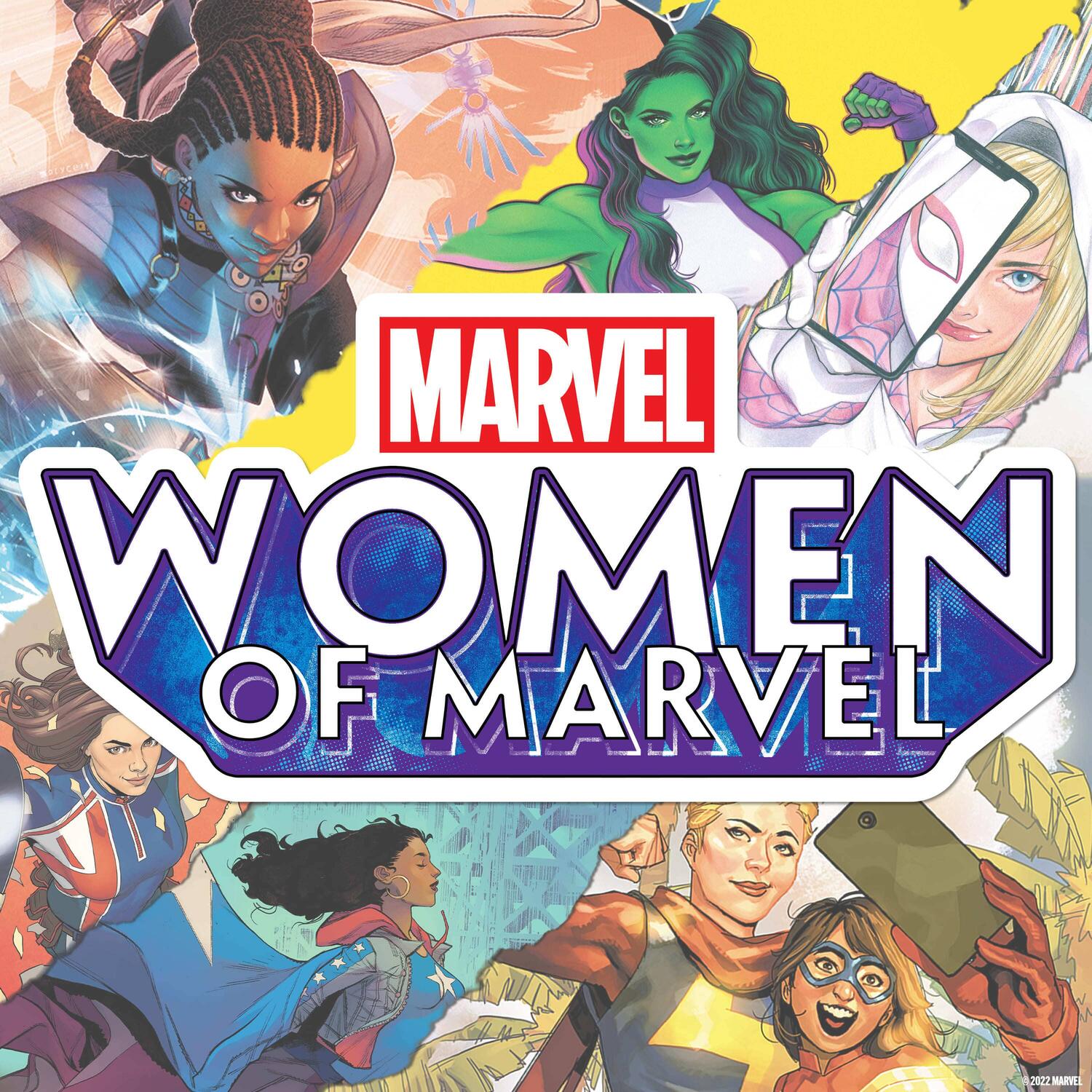
Like everything, this is something that continues to evolve. I do see conscious effort to include not just women’s voices but other voices as well, people of color, people all across the gender spectrum. Folks at Marvel are very conscious of wanting those stories and wanting people who understand those perspectives to have eyes on the development of those stories whenever possible.
I know that people are looking ahead to help make sense of their own career paths. In the same way that I was very fortunate to have mentors like Sana Amanat and Jeanine Schafer, and other incredible women that I worked alongside like Lauren Sankovitch, I think that it is important for people to see women in these [leadership] positions, also nonbinary folks, people of color. Anyone coming up behind is looking to see whether those spots exist.
At the same time, I would never want people to be discouraged from entering into these industries because of chatter that they’ve heard that things are so male-dominated. Because we do want them, and we need them. I hope that people see that those opportunities exist, but also more of those opportunities will exist as more people come looking for them.
In talking to different people about you for this interview, I was very struck by the strong positive feelings and excitement people have for you and the possibilities of this new role. What do you personally hope from the experience?

My hope is always to get to make work that I’m really proud of with people that I really like. That has always been the greatest joy of this job in all of its different forms, across media. In particular when you find those working relationships where everything clicks, and everybody works really well together, amazing ideas come out of that, and you’re able to make stories that have an impact on people.
How about your hopes for the company at this point?
I am excited to see how our storytelling evolves with us working more closely with Studios. I am excited to see what opportunities that opens up. I am always interested in the ways that things can develop from one product to another, in the ways that those products can support each other. I think it’s cool for an audience when they can see connectivity even if it’s not in continuity, it’s 'Oh this little seed was planted over here and then it showed up over here.' The more opportunities that there are for that, the more satisfying an experience I think that is for the fans overall.
So would you say you see Marvel Studios as just another collaborator in the creative process?
Exactly. It’s another collaborator with whom to identify opportunities.
Last question: For you, what lies at the core of a great Marvel story?
My first role when I first came to Marvel Television [in 2019] was to look at products across Marvel’s portfolio, identify opportunities for characters and make sure that stories 'felt' like Marvel (which is a Steve Wacker-ism that maybe came from Dan Buckley).
What I found makes a story Marvel is finding that balance of character-driven stories within all of the superhero bombastics. Our catchphrase is always “the world outside your window.” But I think even more than that, it’s the person within the character that makes a story Marvel.
I am always interested to see the variety of stories that we can tell with Marvel characters, and the variety of Marvel characters that can exist in this universe. I’m excited to see the new characters that are being introduced into our stories.
Follow Popverse for upcoming event coverage and news
Find out how we conduct our review by reading our review policy
Let Popverse be your tour guide through the wilderness of pop culture
Sign in and let us help you find your new favorite thing.


Comments
Want to join the discussion? Please activate your account first.
Visit Reedpop ID if you need to resend the confirmation email.