If you click on a link and make a purchase we may receive a small commission. Read our editorial policy.
How the NY Times Best Sellers list became tired of Naruto always being the top manga, and why manga veteran Dallas Middaugh now distrusts the whole system
Manga industry veteran Dallas Middaugh shares why he has very little respect for the New York Times Best Sellers list.

Popverse's top stories
Most writers dream of seeing their book sitting on the New York Times Best Sellers List. Aside from the monetary value of reaching that level of success, it also comes with a level of prestige. Who doesn’t want to introduce themselves as a New York Times Best Seller? However, that list doesn’t seem to be everything it is cracked up to be, according to someone who has been involved in manga publishing for decades and has seen exactly how those lists are created.
During a recent interview, Dallas Middaugh, a manga industry veteran who was there when Japanese comics took over the mainstream in the US, shared a story about his experience dealing with the New York Times Best Sellers list. According to him, it isn’t just sales that determine who is on the list; a big part of it is vibes.
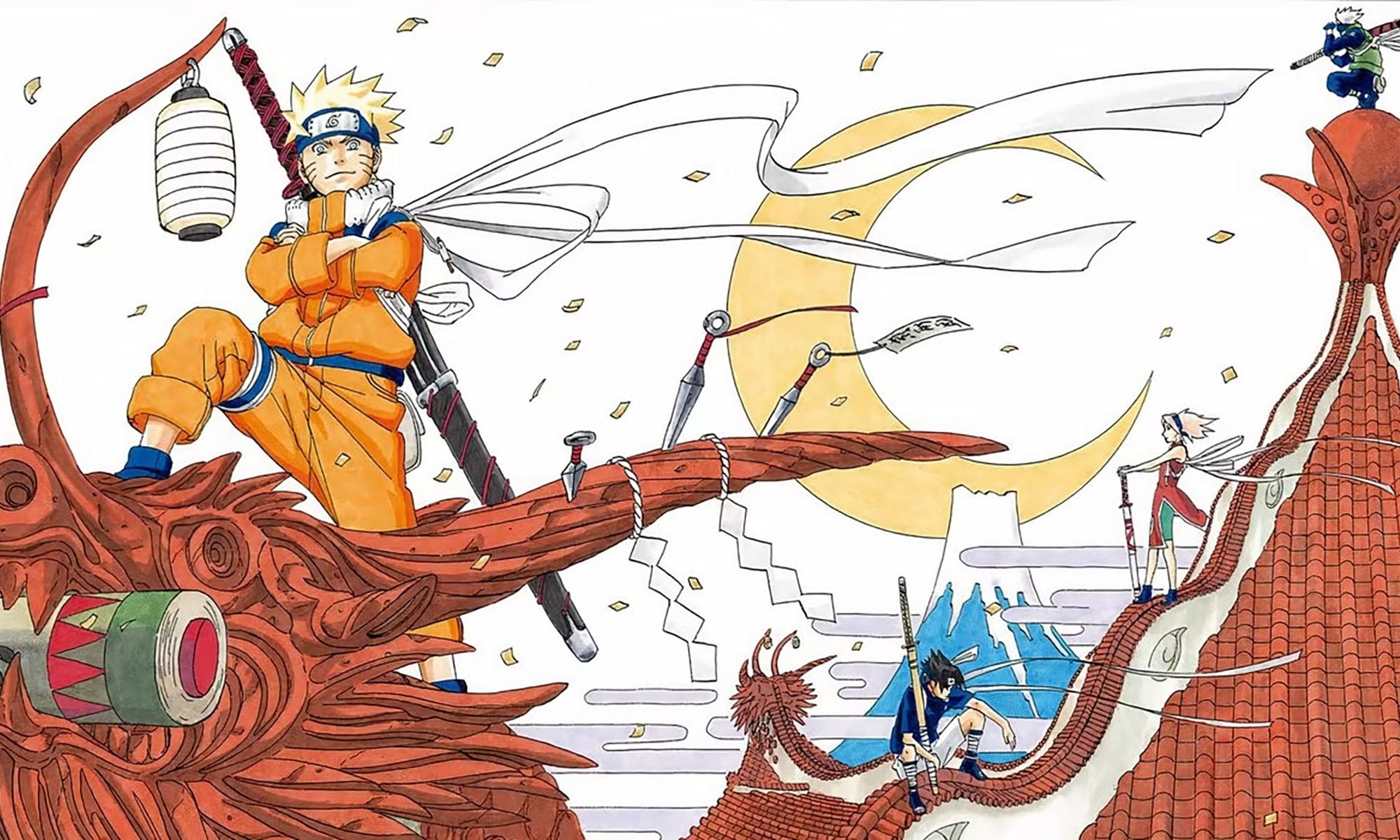
“Quick side story about the New York Times Best Seller list, which, I have to admit, because of this one experience, I have very little respect for it,” Dallas Middaugh explained, clearly not bothered about mincing his words on the subject. “Two things. One, they broke out a manga list. I’m sure you’re aware of that. They had a comics list and a manga list. They broke it out separate. Second, when they would put manga in the list, their description of the manga was so tongue-in-cheek, sarcastic, obnoxious. ‘Naruto fights another guy.’ It was so disrespectful to manga. I don’t mean that they have to be fans about it, but that always stuck with me.”
However, it was another story that Middaugh shared that seemed much more damning to the way the New York Times Best Sellers list is populated.
“I will never forget the day that somebody from the Penguin Random House publicity team came to me and said, ‘What’s your best-selling title?’ I said, ‘Why?’ They said, ‘Because the New York Times is noticing that all the books in the top list are Naruto and they want some other books in there.’ I said, ‘But Naruto is the best-selling book.’ They said, ‘Yes, they just want to spice it up.’ That’s when I realized how much of the New York Times list, a lot of it is based on sales, and a lot of it is based on what they want to put in there to be perceived as selling.”
Each week, Popverse's resident anime expert Trent Cannon runs down the latest and, dare we say "greatest," in anime and manga in Popverse Jump. Some recent columns have included...
- Aggretsuko vs Chainsaw Man: Two Wildly different anine with the same anti-capitalist message
- The Summer Anime season return of Kaiju No. 8, Sakamoto Days, & Dan Da Dan are forcing me to break my vow of watching less anime
- From Tomo-Chan to Oshi No Ko: How some of your favorite manga creators got their start in hentai
- Piracy is baked into anime's past, but, like Crunchyroll, we should move on from it
- Flying whales, mechs, and Miyazaki vibes: Inside Netflix's Leviathan anime with the people who made it
- How AI translations of manga continues the 'enshitification' of the medium, and why Japanese publishers are "less precious" about it
- I never wanted a Cyberpunk Edgerunners sequel, but God help me I'm going to watch it
- The Summer Hikaru Died delivers its cosmic horror at an agonizingly slow pace
- The one thing that Dan Da Dan does better than Demon Slayer ever did
- Studio Ghibli movies have never been as cozy as you think they are and that's what makes them magic
Follow Popverse for upcoming event coverage and news
Find out how we conduct our review by reading our review policy
Let Popverse be your tour guide through the wilderness of pop culture
Sign in and let us help you find your new favorite thing.













Comments
Want to join the discussion? Please activate your account first.
Visit Reedpop ID if you need to resend the confirmation email.